The moment a camera is pointed at someone, something changes. A person who was laughing naturally seconds earlier suddenly becomes aware of everything: their posture, their smile, their hands, and even how they are standing. Should they look at the lens? Should they smile? Do they look awkward?
Often during a photoshoot, I notice subtle changes in people’s body language and facial expressions. Their posture shifts, their smile becomes more controlled, and they suddenly become aware of their hands or the way they are standing. The contrast can be striking. Someone who was comfortable and expressive earlier may now appear stiff or uncertain simply because they know they are being photographed.
Over the years, I have learned that what truly helps someone relax in front of the camera is the interaction between the photographer and the subject. A photographer’s confidence, energy, and attitude often set the tone for the entire session. Sometimes it is as simple as a calm presence, a genuine smile, or a reassuring expression that says, “Don’t worry, you look great.”
This article explores why many people feel uncomfortable in front of a camera and how photographers can help change that experience. It looks at why the first few minutes of a portrait session often determine how the rest of the shoot will unfold, and how a photographer’s presence and interaction can influence a subject’s level of comfort.
It also examines how to recognize the moment when someone begins to relax in front of the camera. Through real examples and image breakdowns from portrait sessions, I will focus on the small decisions and observations that help me create more natural and relaxed portraits.
Contents
- Why Most Portrait Subjects Feel Uncomfortable in Front of the Camera
- The First Few Minutes Determine the Entire Shoot
- Relaxation Comes From Interaction, Not Instructions
- Learning to Observe Instead of Constantly Directing
- When a Subject Finally Relaxes
- The Moment Between Poses
- Working With Someone Who Was Nervous
- The Small Decisions That Help People Relax
- Take Away
Why Most Portrait Subjects Feel Uncomfortable in Front of the Camera
Portrait photography often reveals a common reaction: people become uncomfortable. Many begin to think about how they look, their posture, or what to do with their hands.
Being photographed also carries subtle pressure. People want to look good in a final image, and they know it will last beyond the moment. This awareness can make even confident individuals feel exposed, and what appears as stiffness is often a natural reaction to being observed.
Technical adjustments alone cannot create natural expressions if the person in front of the camera still feels uncomfortable.
Being Photographed Triggers Self-Awareness
When a camera is pointed at someone, many subjects suddenly become conscious of being observed. A moment that felt normal seconds earlier can quickly feel different. Instead of simply interacting, attention shifts toward appearance and behavior.
Why Technical Knowledge Doesn’t Solve This Problem
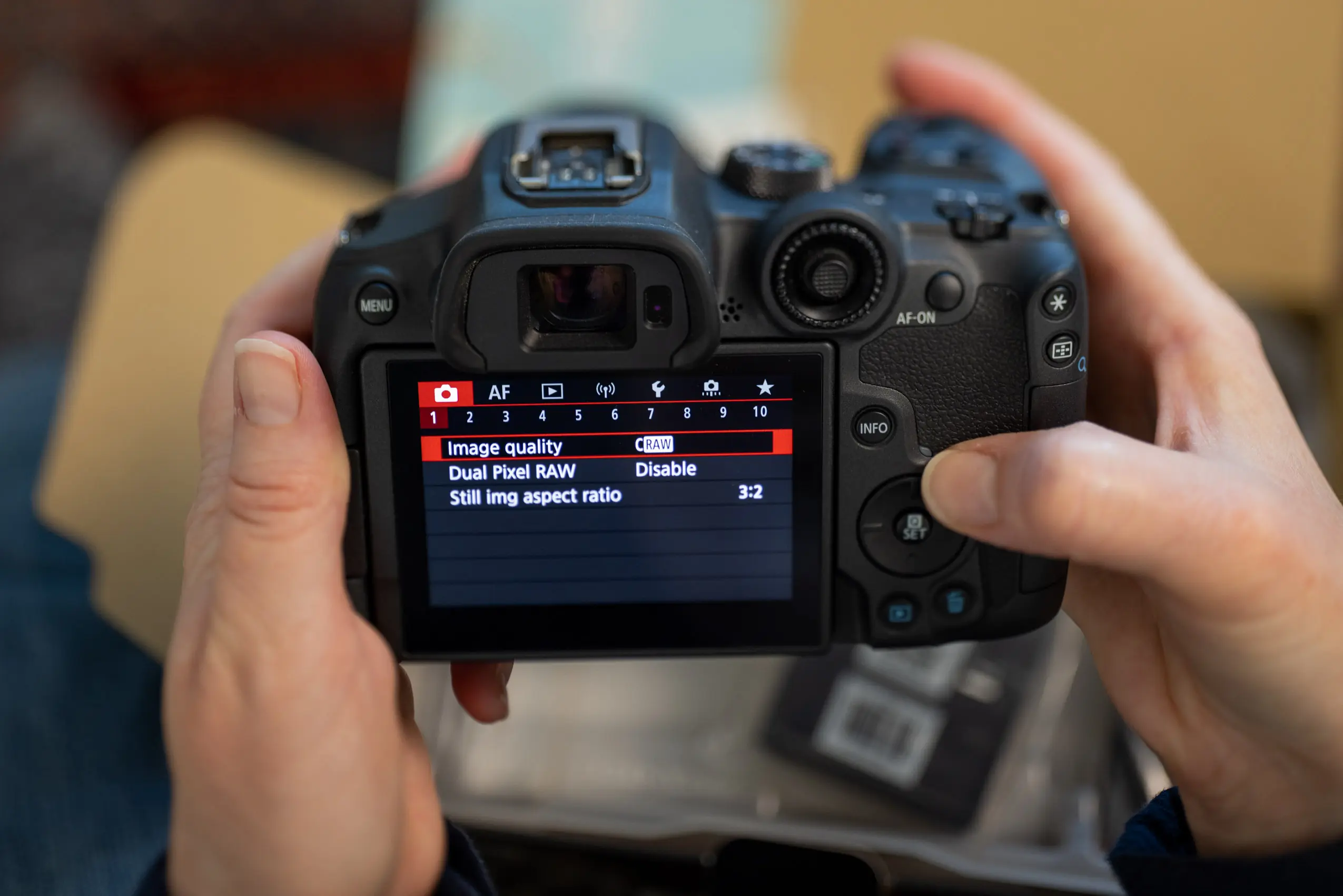
It is common for photographers to try to solve tension through technical adjustment, refining lighting, suggesting poses, or changing camera settings. This becomes even more challenging when taking outdoor portraits, where light and conditions are constantly changing. While these elements are important, they rarely address the deeper issue.
If a person feels uncomfortable, even the most carefully designed setup will not remove that tension. Technical perfection cannot replace genuine comfort. Portrait photography involves more than controlling the camera; it also requires understanding the person in front of it. When subjects feel relaxed and supported, their body language becomes more natural, and their expressions more authentic.
At the end, technical skill shapes the image, but human interaction determines whether the moment feels real.
The Invisible Pressure in a Portrait Session
Portrait sessions often carry a subtle pressure for both the subject and the photographer. The person in front of the camera wants to look good, while the photographer aims to deliver strong results and happy clients. These shared expectations can quietly create tension during the shoot.
Even when unspoken, this pressure can influence behavior. The subject may overthink posture or expression, while the photographer feels responsible for guiding the session smoothly.
The First Few Minutes Determine the Entire Shoot
The most important part of a portrait session often happens before the shooting begins. These first minutes set the tone, as the person in front of the camera is still adjusting to the environment and the photographer.
If this time feels calm and relaxed, people usually become comfortable much faster. Simple things like a short conversation or briefly explaining the process can help create a more natural atmosphere for the rest of the shoot.
Sometimes I also briefly show one or two photos during the session. This can help build confidence, especially for people who feel unsure. When subjects see that the images look natural, they often relax more and begin to trust the process.
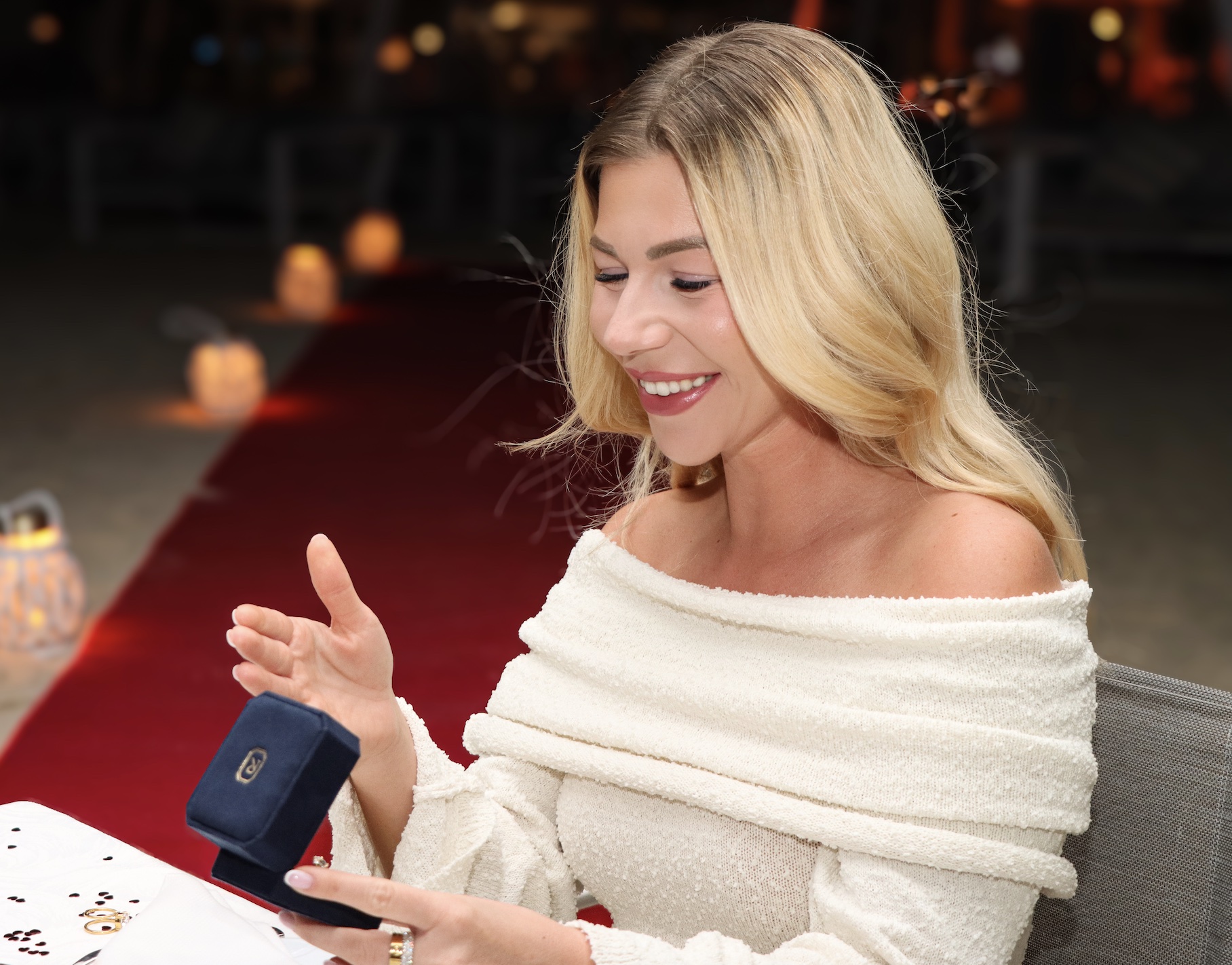
Why Rushing Into Shooting Creates Stiff Portraits
When a photographer raises the camera too quickly, the subject may feel the session has already begun and that they need to perform. This can increase self-consciousness and make them more aware of their posture, expression, and movement instead of relaxing.
Taking a moment before shooting allows the person to adjust. A short conversation or a few moments without the camera raised can reduce pressure and help natural expressions appear.
Building Rapport Before the Camera Comes Up
Photographers can create comfort through simple interactions before the camera is raised. Casual conversation, briefly explaining how the session will work, and lowering the pressure around the shoot can all help the subject feel more relaxed. Even a short conversation can make a difference, allowing the person to feel like they are interacting with a person rather than being examined by a camera.
Explaining the Process Reduces Anxiety
Many people feel nervous simply because they do not know what to expect. Briefly explaining the session can lower that pressure. Letting the subject know how long the shoot will take, that the first photos are often just the warm-ups, and that small adjustments will happen along the way can make the process feel more manageable.
When people understand what is happening, they usually feel more relaxed and confident. Even a short explanation before the camera comes up can make the experience more comfortable and natural.
The Role of the Photographer’s Energy
The photographer’s energy has a direct influence on how comfortable someone feels during a session. People tend to mirror the mood of the person they are interacting with. If the photographer is calm and confident, the subject is more likely to relax; if they seem nervous or rushed, that tension can transfer.
A relaxed presence, clear communication, and positive energy help set the tone of the shoot and often lead to more natural expressions and better results.
Relaxation Comes From Interaction, Not Instructions
Many photographers try to control every detail during a session by giving constant instructions about how the person should stand, where to place their hands, or how to position their body. In many cases, people relax more when the session feels like an interaction rather than a set of instructions. Simple conversation, small suggestions, and allowing natural movements to happen often lead to more genuine expressions and more relaxed body language in the final images.
Simple reassurance also plays an important role. Small comments like “this looks great” or “that movement was perfect” can help subjects stop overthinking. When reassurance feels natural and not exaggerated, it builds confidence and encourages more relaxed expressions.
Why Too Much Direction Creates Stiffness
Over-directing makes subjects focus on doing things correctly. Instead of feeling natural, they begin to worry about whether they are following instructions properly. This can make their movements feel controlled and their expressions less genuine. When subjects concentrate too much on instructions, it becomes harder for natural body language and relaxed expressions to appear in the photograph.
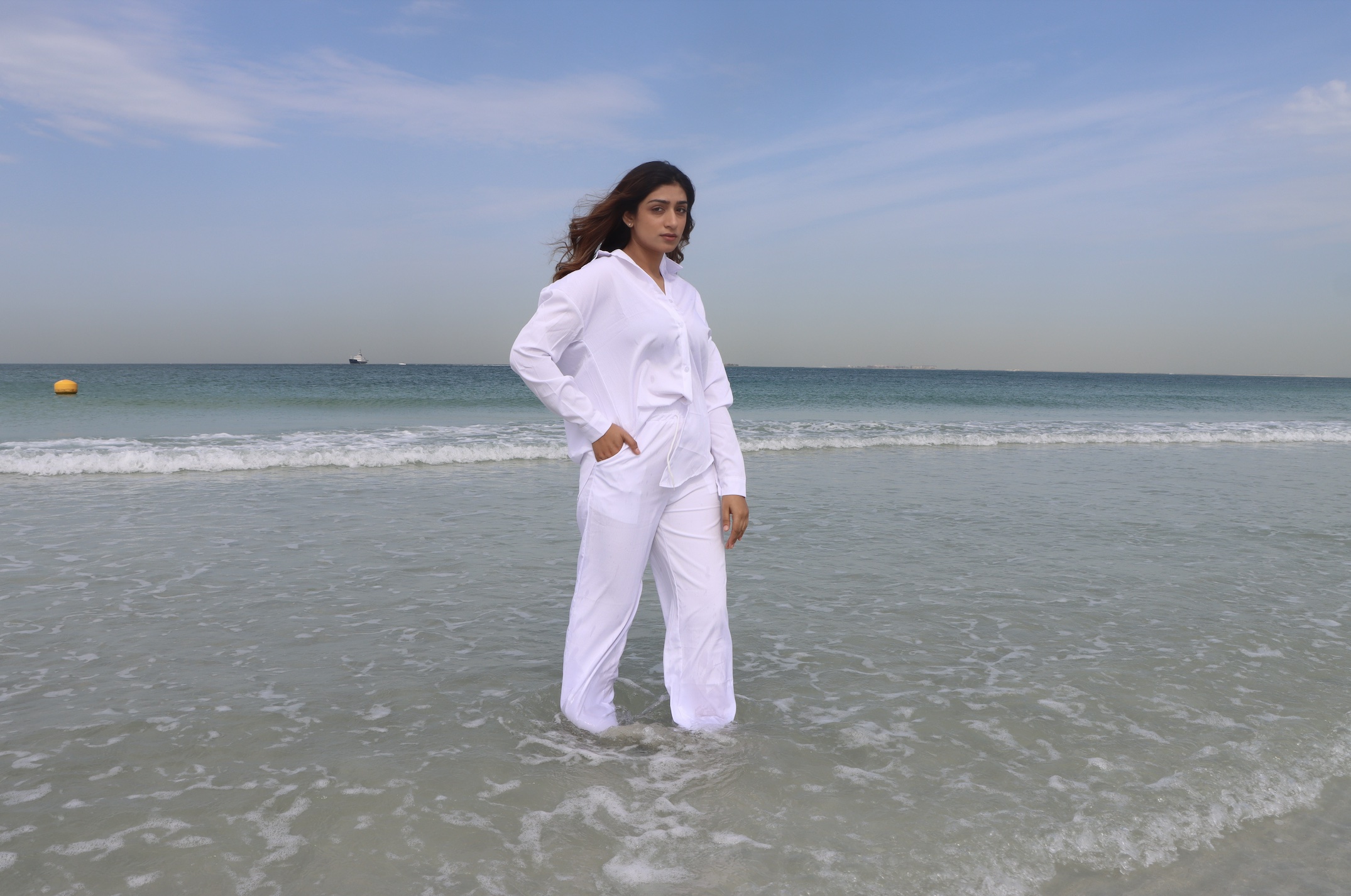
Guiding Without Over-Controlling
Instead of giving rigid posing instructions, photographers can guide the person in front of the camera with small and simple suggestions. Subtle guidance helps people feel more comfortable because it allows them to move naturally rather than focusing on doing everything perfectly.
In the image below, the subject’s posture feels relaxed and unforced. The way she leans naturally against the rock, with soft facial expression and gentle hand placement, suggests movement rather than a fixed pose. Instead of appearing overly directed, the body language feels fluid and comfortable. This type of interaction allows natural expressions to appear, creating a more authentic and effortless portrait.
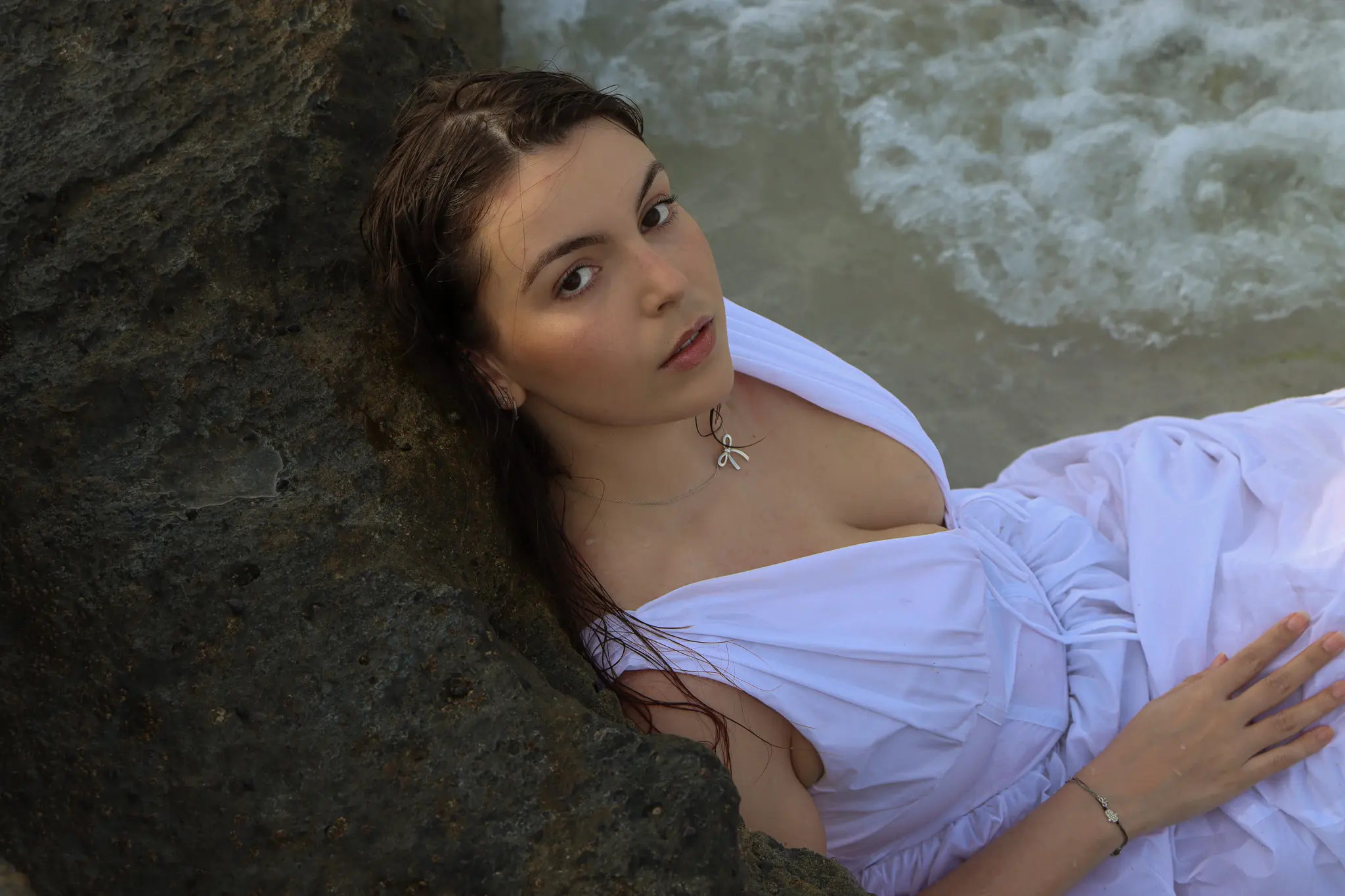
Allowing Natural Gestures to Appear
Moments of authenticity often appear between instructions. The pauses between posed moments often produce the most relaxed expressions. These brief, unplanned moments can reveal gestures and emotions that feel more real than carefully directed poses.
Learning to Observe Instead of Constantly Directing
Portrait photography improves when photographers shift some of their attention away from constantly directing and instead focus on observing the person in front of the camera. By paying attention to small changes in body language, expression, and movement, photographers can notice moments when the subject begins to relax.
Reading Body Language
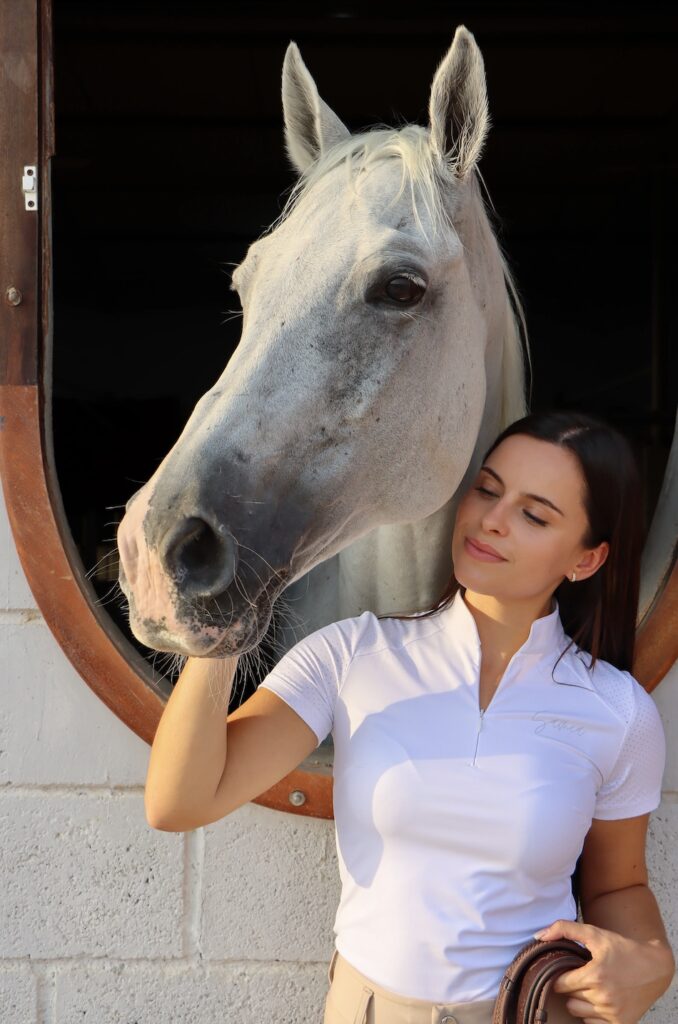
As a portrait session continues, small changes in body language can reveal when someone is starting to feel more comfortable. Shoulders may relax, movements become slower and more natural, and expressions begin to look more genuine.
These subtle signals indicate that the person in front of the camera is beginning to forget about the camera itself, allowing confidence and authentic moments to appear.
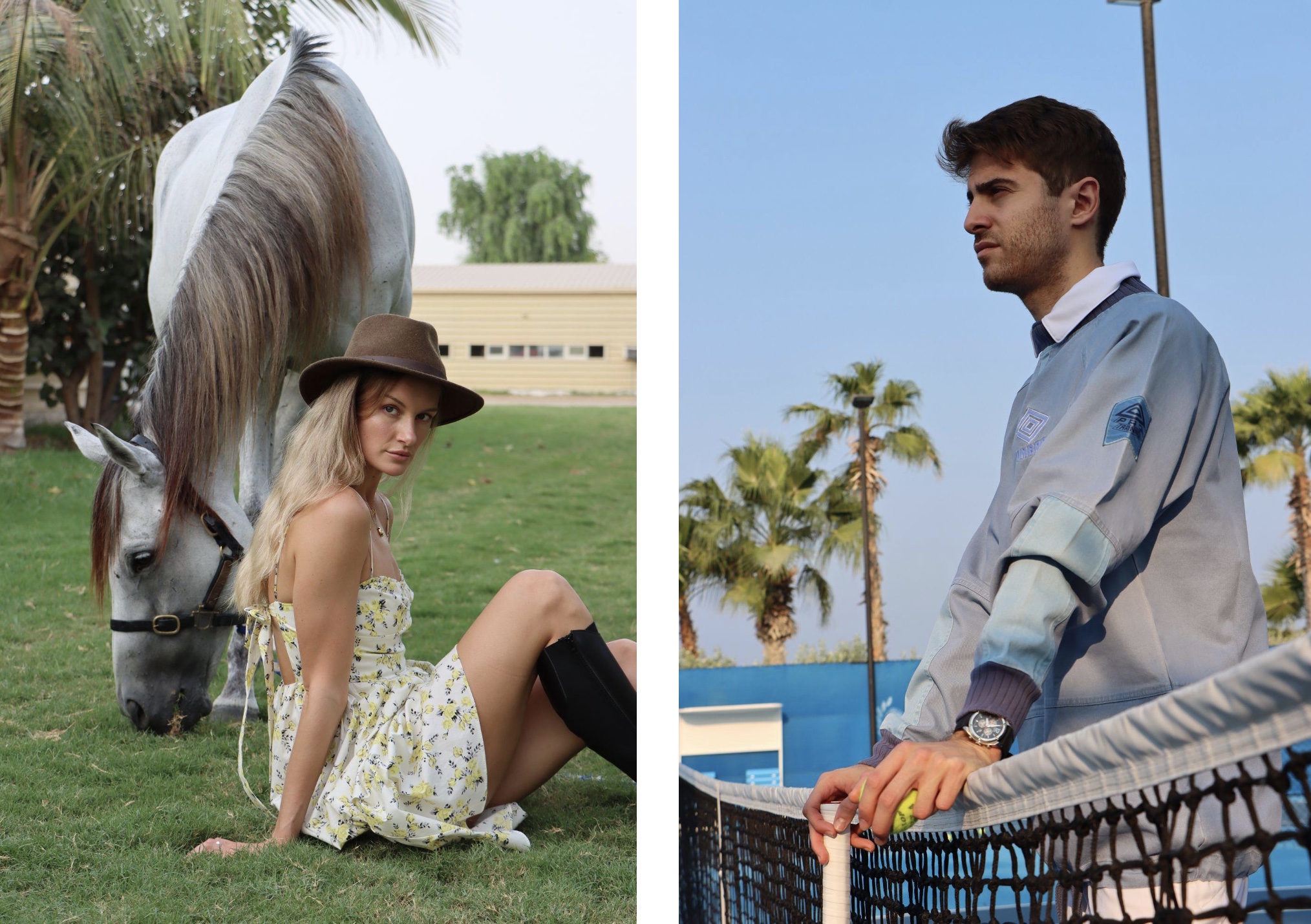
In this image, the relaxed posture and soft facial expression suggest a calm and natural interaction. The gentle hand placement and slight tilt of the head create a more effortless pose, while the focus shifts toward the connection with the horse rather than the camera. These small details signal that the moment is unfolding naturally.
Recognizing When a Real Moment Happens
Authentic expressions often appear unexpectedly during a portrait session, sometimes between poses or during a conversation. These moments happen quickly, which is why observation is very important. The photographer’s role is to notice when these natural expressions appear and capture them before they disappear.
This photograph captures a quiet in-between moment. The expression is soft and unforced, and the interaction feels natural rather than directed. Instead of a posed look toward the camera, the attention is focused on the horse, creating a more genuine and relaxed atmosphere.
When a Subject Finally Relaxes
At the beginning of the session, the subject appeared slightly tense in front of the camera. Her posture was more controlled, and her expression felt focused rather than natural. This is something I often notice in the first few minutes of a portrait session, when people are still adjusting to the situation and becoming aware of being photographed.
At first, I guided her through a few simple poses, but the movements still felt careful and somewhat restrained. Even though the positioning was technically correct, the body language didn’t feel fully relaxed. The expressions looked polite rather than genuine, and the interaction with the camera was still very conscious.
Instead of continuing to be very direct about every detail, I slowed the pace and reduced the number of instructions. I allowed more space between poses and kept a casual conversation going, helping shift the focus away from performing for the camera.
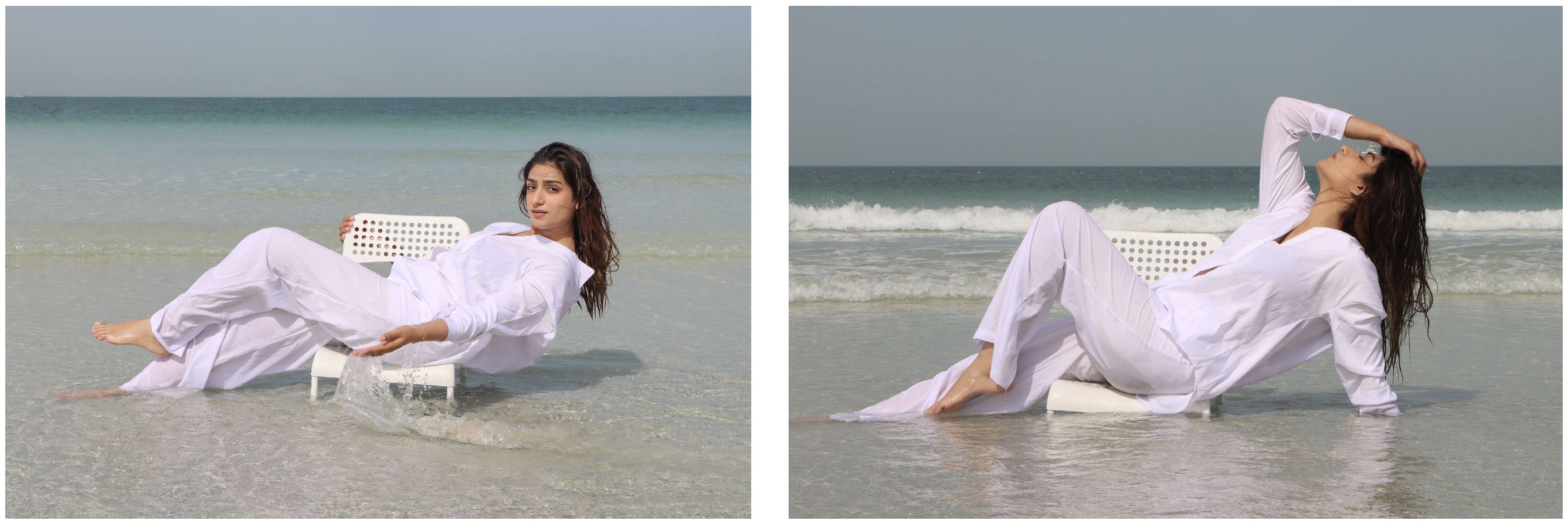
As the session continued, I noticed small changes. Her shoulders relaxed, her movements became more fluid, and her expressions started to feel more natural. She began to move more confidently without needing constant guidance. The final image feels different because the initial tension disappeared. The body language appears more open and effortless, showing the moment when the subject became comfortable in front of the camera.
The Moment Between Poses
During the session, I guided the couple through a few simple poses while we walked along the beach. At first, they followed the directions carefully, but their movements felt slightly controlled.
Instead of moving quickly from one pose to another, I allowed space between instructions and kept the conversation casual. This helped reduce the pressure and allowed them to interact more naturally. Rather than focusing on posing, they began to simply walk, talk, and react to each other.
In one of those in-between moments, they stopped thinking about the camera. The laughter and gestures appeared naturally, and their body language became more relaxed and spontaneous. This is when I recognized the moment and captured the frame.
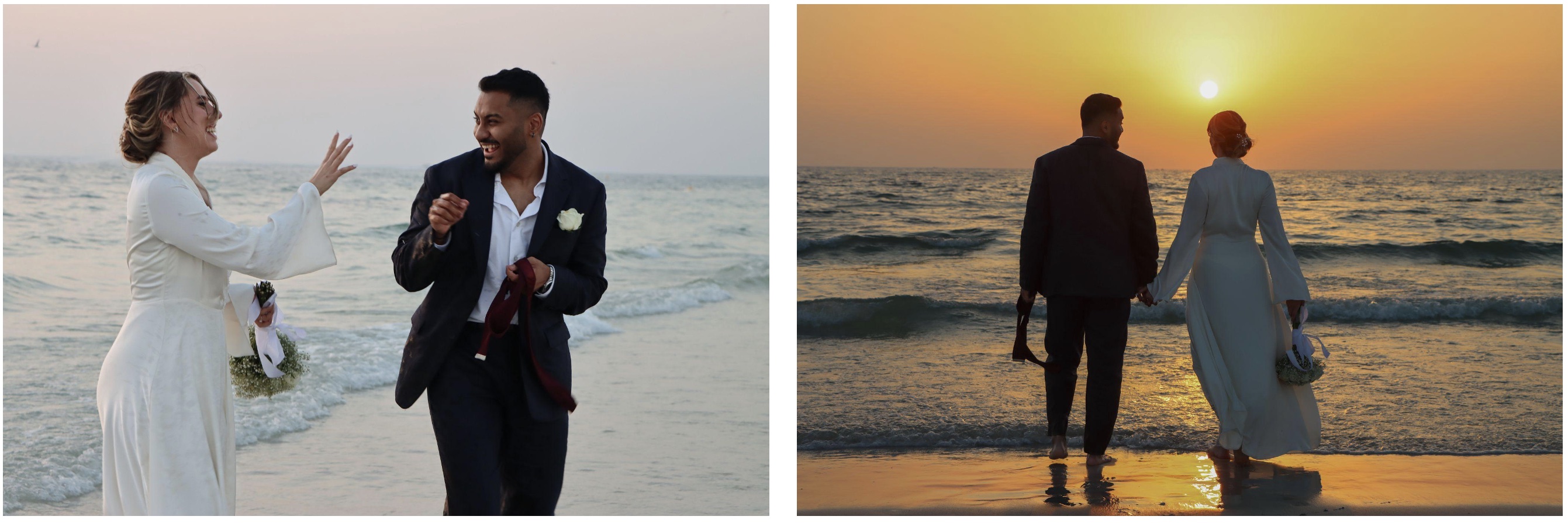
The final image feels different because it wasn’t created through strict direction, but through natural interaction. Moments between poses often reveal genuine expressions, when people forget about the camera and simply enjoy being together.
Working With Someone Who Was Nervous
At the beginning of this session, the model appeared slightly unsure in front of the camera. Her posture was more controlled, and the expression felt focused rather than natural. This is a common reaction when someone is still adjusting to being photographed and unsure of how to move.
At first, I guided her with a few simple poses, but the movements still felt careful. Even though the positioning worked visually, the body language didn’t feel fully relaxed. The expressions looked more posed, and the interaction with the camera was still very conscious.
Instead of adding more direction, I simplified the guidance and kept the conversation casual. This helped reduce the pressure and allowed her to move more freely. As the session continued, her movements became more confident, and her posture more relaxed.
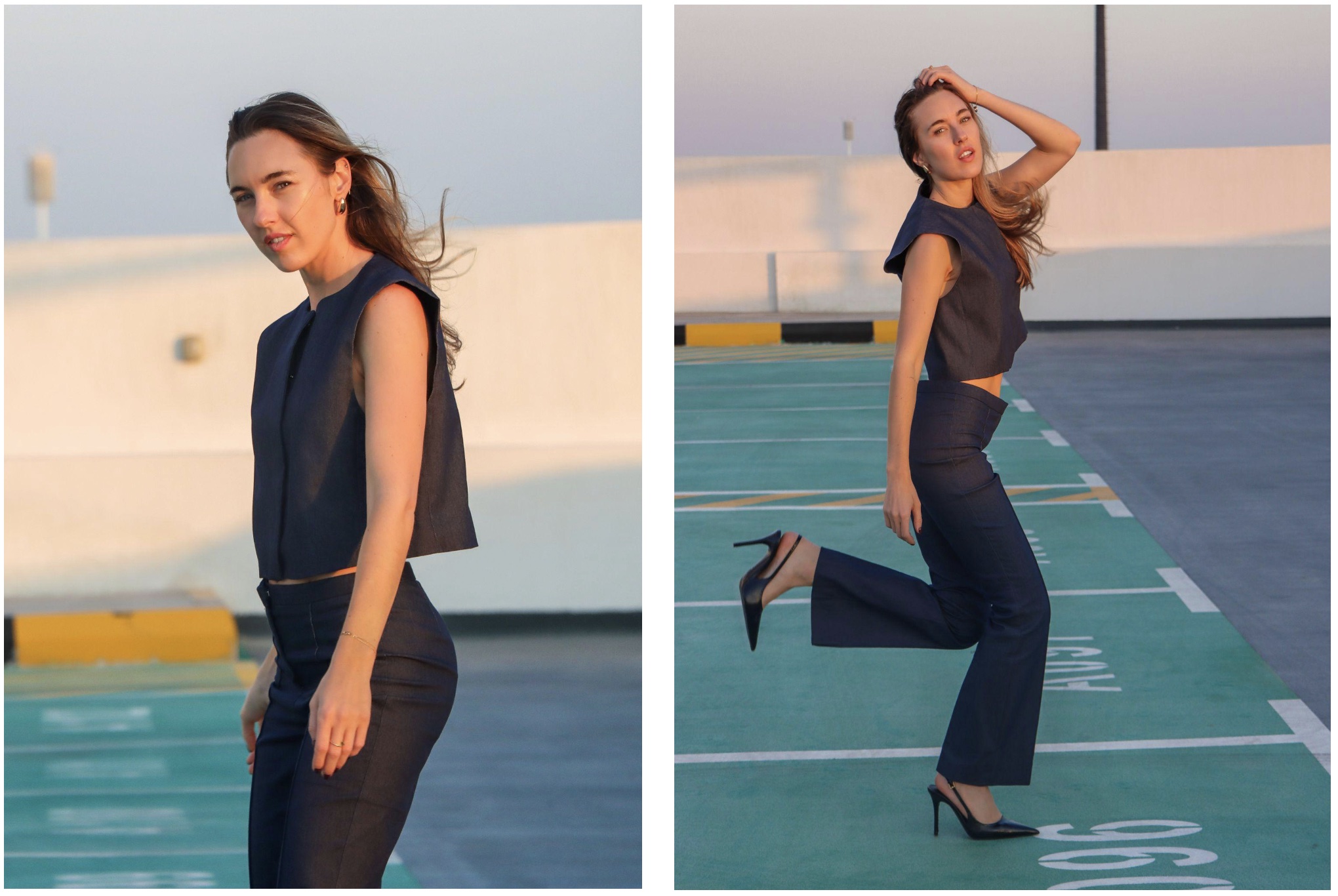
The final image feels different because the initial hesitation disappeared. The body language became more natural and expressive, showing the moment when the model stopped worrying about the camera and began to enjoy the process.
The Small Decisions That Help People Relax
Helping someone relax in front of the camera rarely comes from rigid rules. Instead, it depends on small decisions made during the session. How a photographer communicates, gives direction, or adjusts the pace can all influence how comfortable the person becomes.
Slowing Down the Shoot
Allowing more time during a session helps comfort develop naturally. When the pace is too fast, people may feel rushed and more self-conscious. Slowing down gives the model space to adjust, relax, and move naturally.
Talking vs Staying Quiet
Finding the right balance between talking and staying quiet can influence how comfortable someone feels during the session. Some people relax through conversation, while others feel more at ease in silence. Paying attention to the person in front of the camera helps create a more natural and comfortable atmosphere.
Knowing When to Stop Directing
Recognizing when natural expressions appear is an important part of the process. Sometimes, the best decision a photographer can make is to stop directing and allow the moment to unfold without interruption.