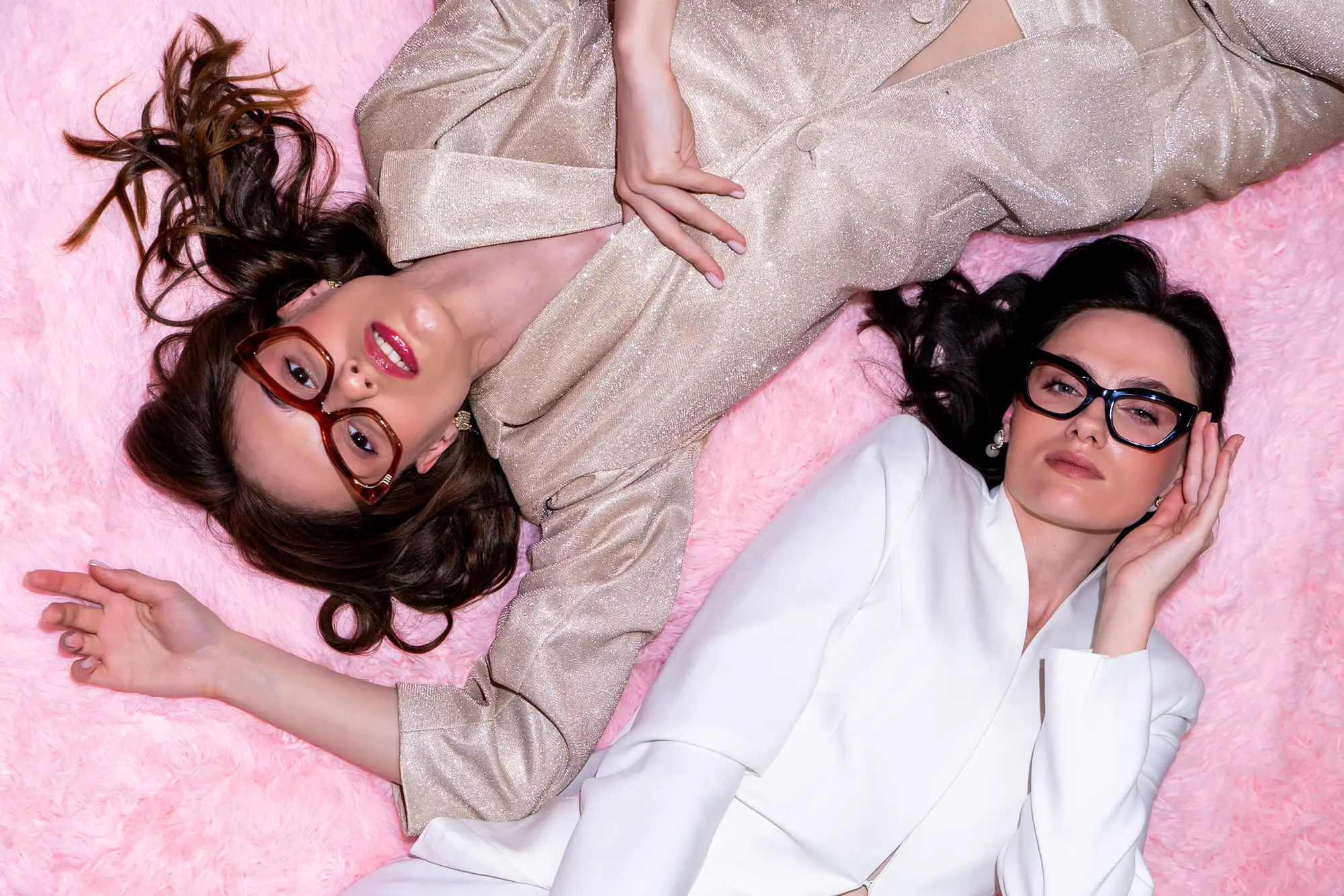
Fashion portraits sit somewhere between classic portraiture and pure visual fantasy. It borrows the human presence from portraits but removes the obligation to reveal the subject’s personality. Instead, the image exists to communicate a mood, an idea, or a carefully constructed visual statement rooted in fashion photography and visual culture.
When I first started shooting fashion-style portraits, I was already developing my artistic voice long before I obsessed over technical perfection. Still, something clicked when I stopped trying to simply “capture” a person and started building the photograph around a concept. I still shoot classical portraits from time to time, I just prefer fashion overall.
Contents
- Understanding Fashion Portrait Photography
- Building the Right Team
- Styling Is Half the Image
- Posing, Expression & Body Language
- Developing Strong Creative Ideas
- Choosing and Using Locations Creatively
- Natural Light Techniques for Fashion Portraits
- Color or Black & White?
- Focal Length & Aperture Choices
- Shoot Organization & Workflow
- Model Release & Legal Protection
- Post-Production & Editing Workflow
- Take Away
Understanding Fashion Portrait Photography
Before diving into techniques, it is important to understand how fashion portraits operate as a genre within photography. These images are meant to be felt before they are understood. They prioritize atmosphere, styling, and visual impact over realism or emotional accuracy, often associated with fine art or documentary work.
They differ from traditional portraits in one key way: the model becomes a visual storyteller rather than the subject of the story. Much like actresses working with a director, models play roles that serve the image. Glamour, abstraction, and style take precedence over authenticity, and the photograph does not need to explain itself; it just needs to work for the viewer.
Building the Right Team
It is rarely a solo effort, even when the crew is small. The people you work with, models, stylists, and makeup artists, shape the final images as much as your camera or lighting choices. A strong team doesn’t just execute ideas; it elevates the work.
Casting the Right Model
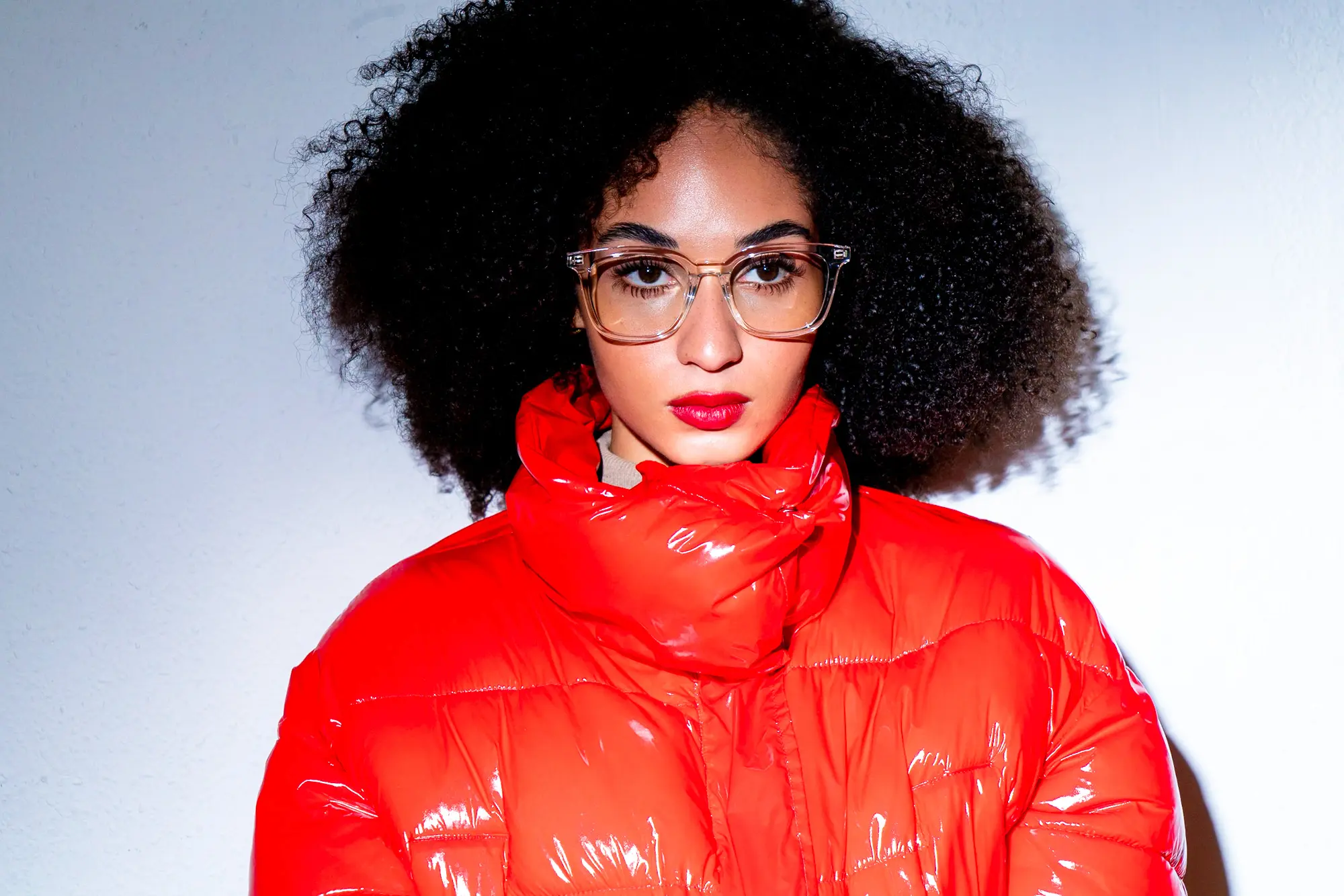
The right model is the foundation of a strong fashion portrait. Professional models, or aspiring models who treat the work seriously, understand pacing, repetition, and physical awareness. They can hold poses, adapt quickly, and stay focused over time.
Instagram has made casting easier than ever, and many talented models now work independently across the fashion world. What matters isn’t follower count but commitment. This kind of work thrives on variety, such as different faces, bodies, and energies. A model does not need to fit a traditional beauty standard to carry a powerful image.
Working With the Model as a Co-Creator
A model is never just an object in the frame, because they are a collaborator who helps shape the image and bring the concept to life.
Strong images grow out of trust. When working with models, clear communication helps them understand what you are trying to create and the role they play within the concept. I talk constantly during shoots about what’s working, what isn’t, and what we are adjusting next.
Sometimes I demonstrate poses myself. It looks awkward, occasionally ridiculous, but it breaks the tension. When a model relaxes, that ease shows up in the shoulders, hands, and face. Confidence travels both ways, and when the photographer stays calm and clear, the model follows.
Styling Is Half the Image
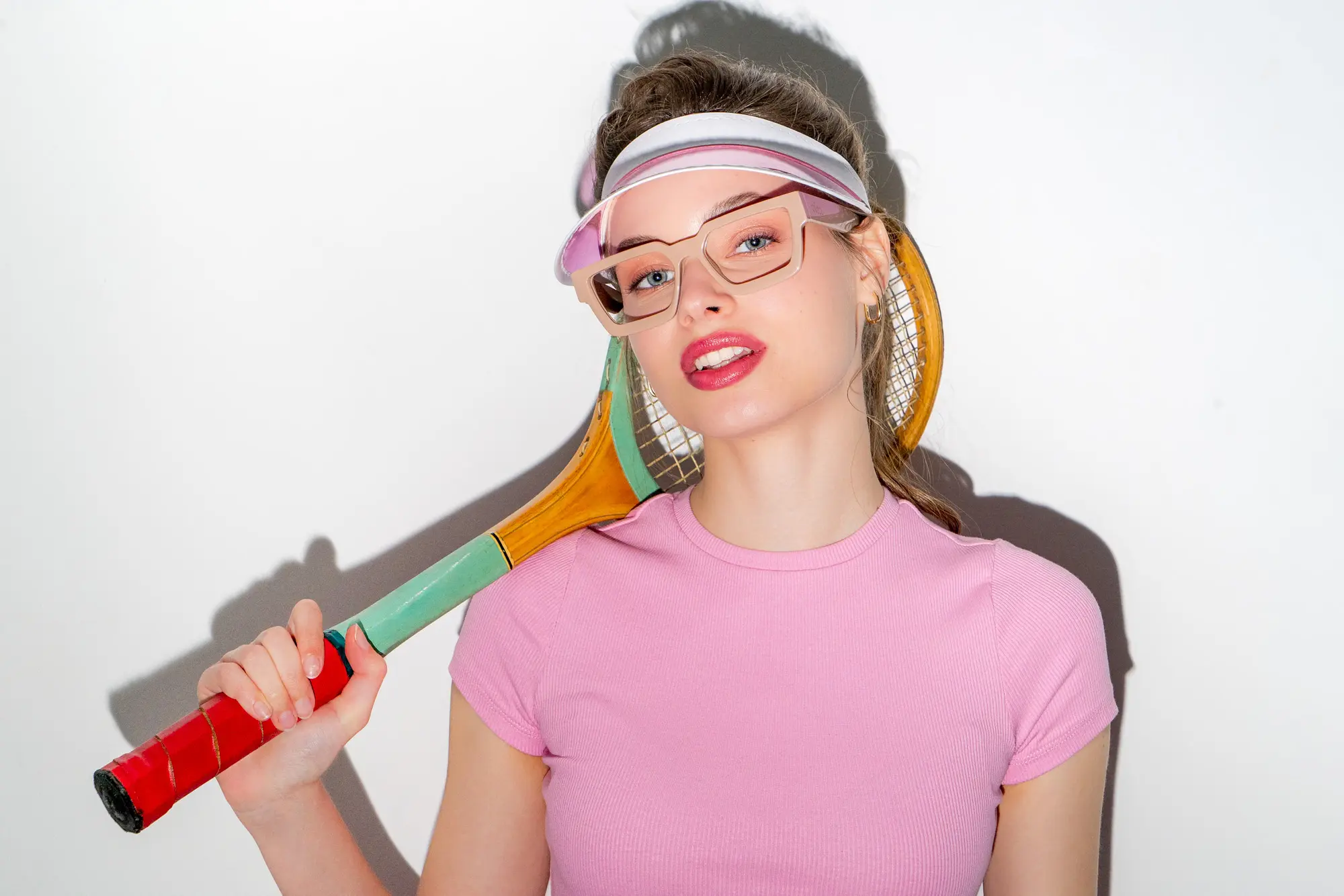
In fashion portrait photography, styling is more about structure than decoration. Clothes, makeup, and hair shape the image long before lighting or post-production comes into play. When styling works, the photograph feels intentional immediately.
Makeup & Hairstyling
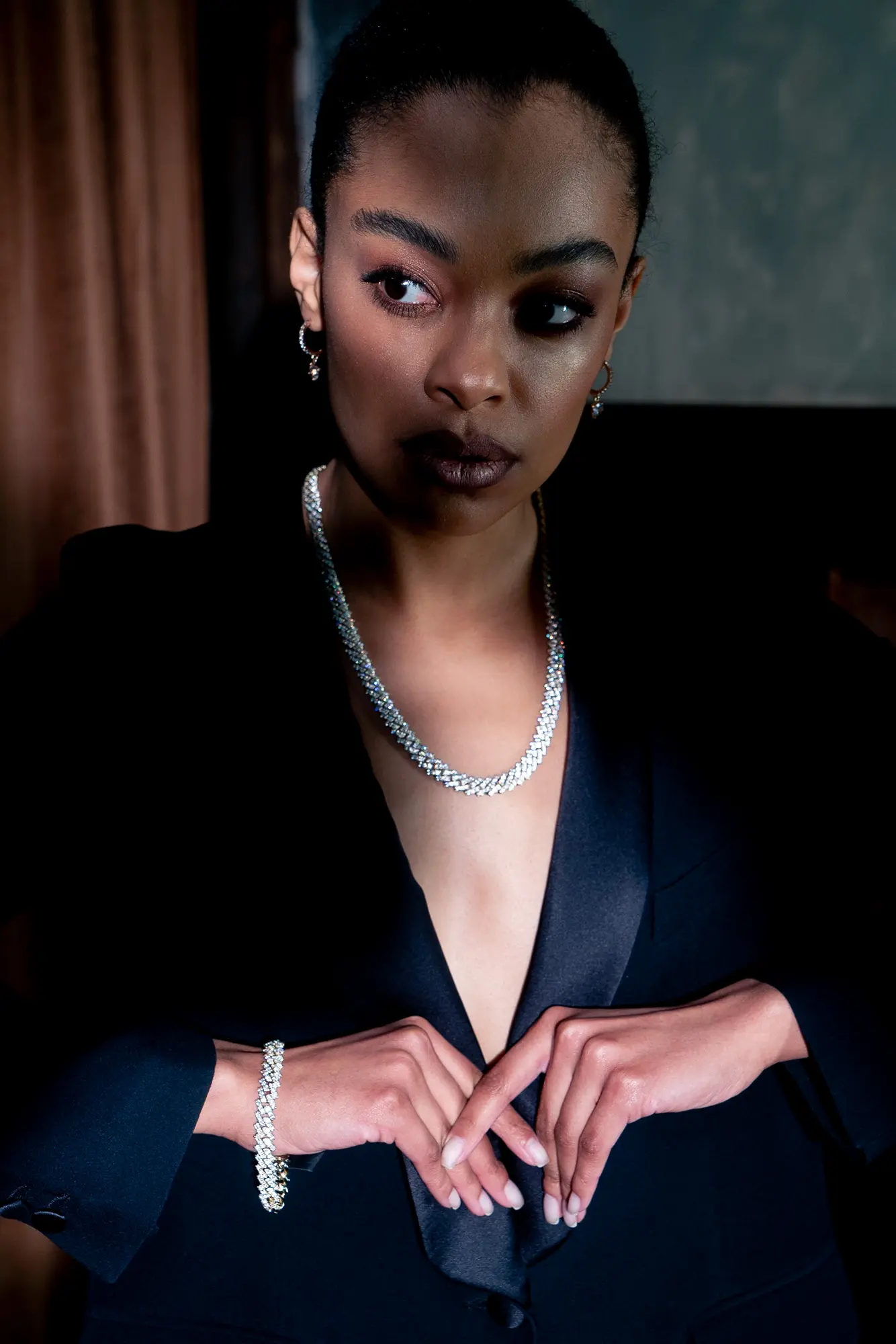
Makeup serves two essential purposes here. First, it supports the concept. Second, it saves time in post-production.
Modern cameras reveal every detail. Uneven skin tone, shine, and texture issues become obvious fast. Good makeup evens everything out, allowing you to focus on color grading instead of cleanup. Artistic makeup pushes the image further, reinforcing mood and identity. Hairstyling does the same, and even subtle adjustments can change the entire feel of a photograph.
This applies to men just as much as women, and it should never be treated as optional.
Many of the same principles apply in beauty photography, where makeup and lighting work together to define mood long before post-production.
Styling & Wardrobe Choices
Random clothing choices can ruin an otherwise strong image. Fit, texture, color, and movement all matter. There is no room for “close enough.”
A stylist helps, but if you don’t have one, you need to think like one. Accessories, coats, and dresses play a bigger role than most people realize. One misplaced detail can pull the viewer out of the image. Styling should always feel deliberate, even when it looks effortless.
Posing, Expression & Body Language
These images live in the details of the body. Small changes in posture, tension, or hand placement can dramatically alter the energy of an image. This is where direction, awareness, and collaboration come together.
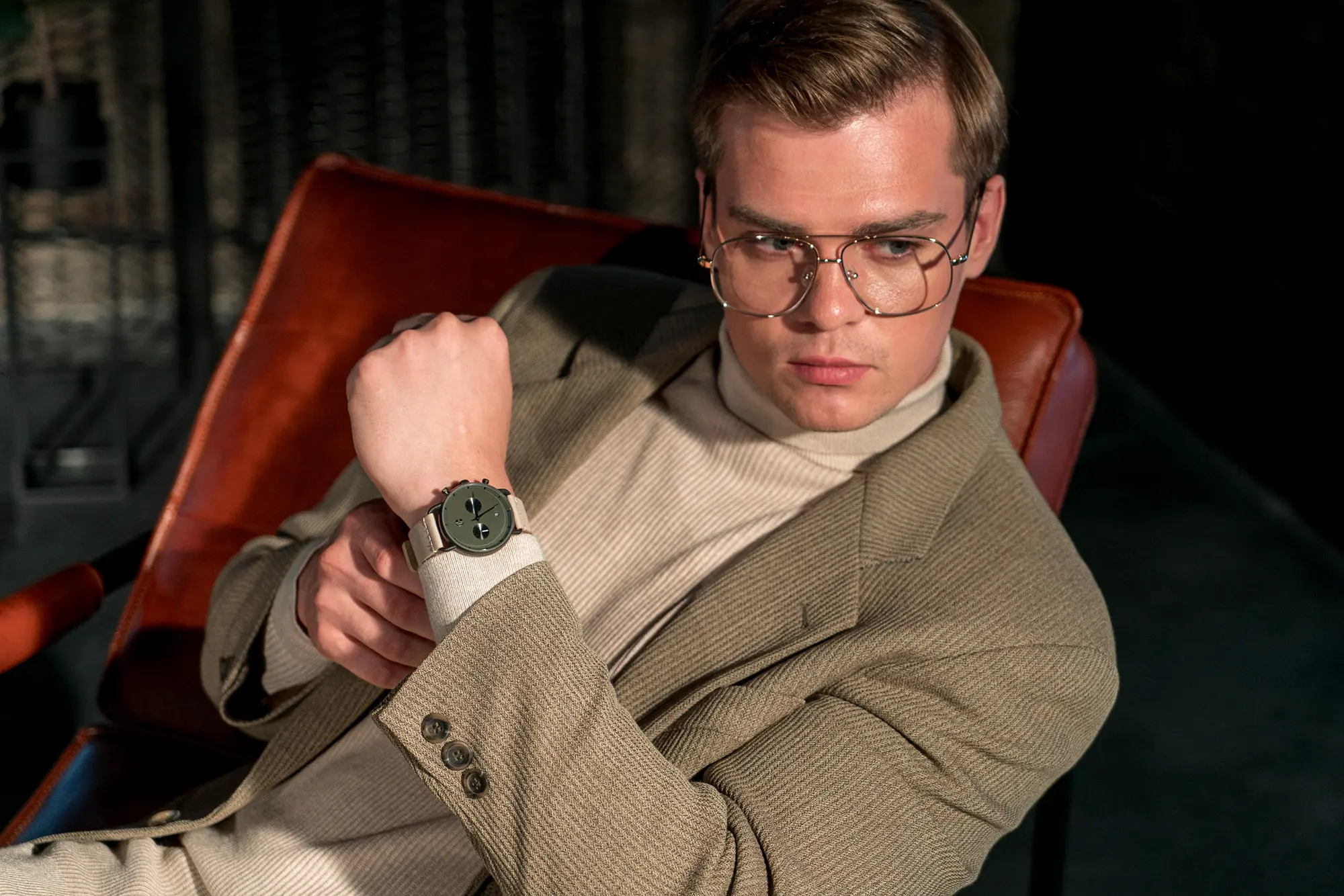
Fashion Posing Principles
Posing is about design: hands creating lines, shoulders communicating confidence, and the spine controlling the body’s overall energy.
Even elements outside the frame matter. High heels, for example, change posture and body tension, even if they are not visible. I encourage movement between poses, small adjustments, and breathing breaks. When the body feels natural, the image feels intentional.
Developing Strong Creative Ideas
Every successful fashion portrait starts with an idea. Without a clear concept, even great light and styling struggle to come together. Ideas give structure to the shoot and clarity to the team.
Concepts, Mood Boards & Visual Planning
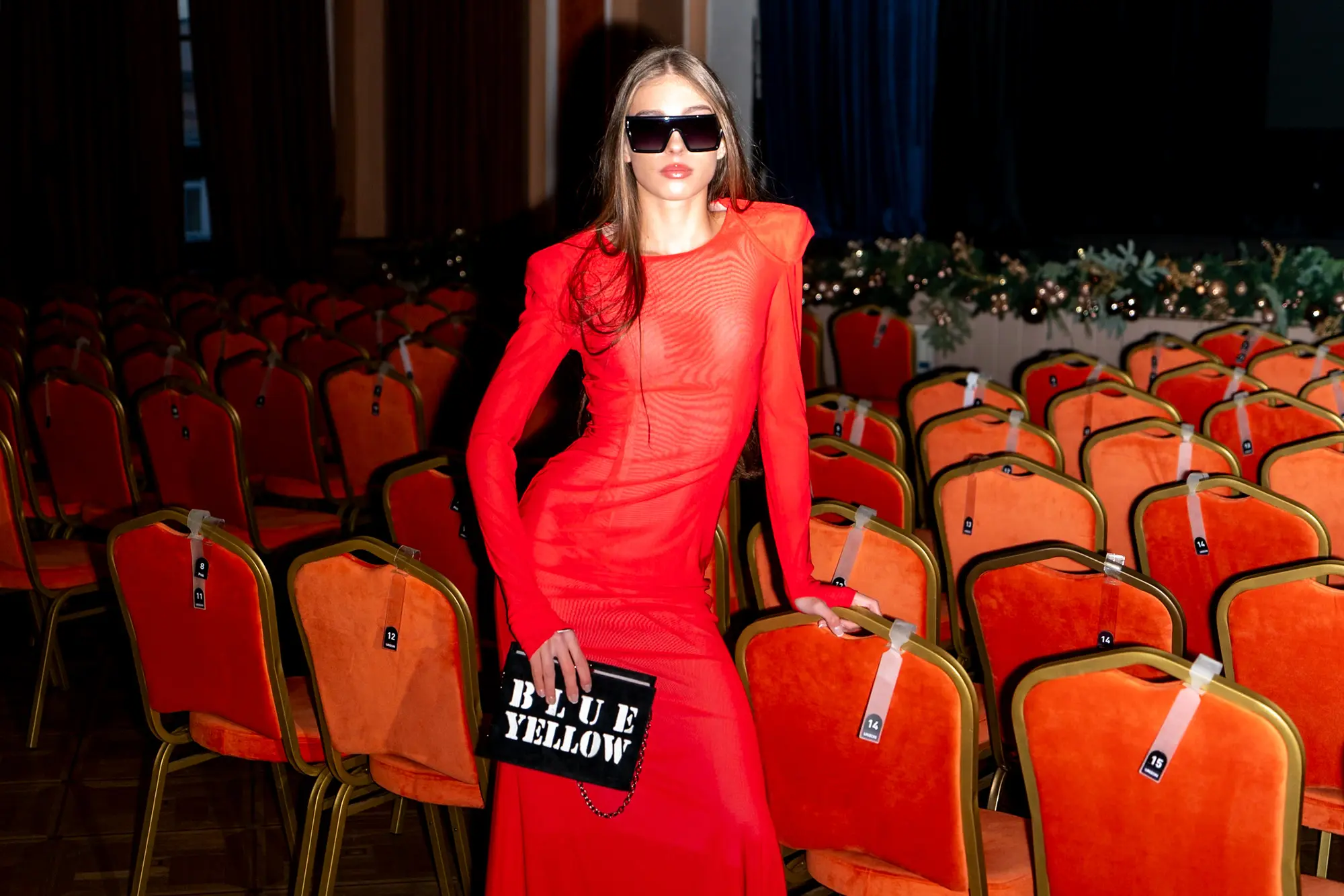
Fashion photography is idea-driven. Mood boards help communicate tone, references, and visual inspiration quickly. They don’t exist to limit creativity, but to give everyone a shared starting point.
I usually plan around 70% of a shoot and leave the rest open. Improvisation often leads to the strongest images, with unexpected light, spontaneous poses, or location details you didn’t notice at first. Preparation creates freedom, not restriction.
Want to go deeper?
If you want to see how I put these ideas into practice, my Prime Class: Fashion Portraits walks you through my full workflow, including concept, styling, direction, light, and the choices that make images feel editorial.
Choosing and Using Locations Creatively
Locations don’t need to be impressive to be effective. What matters is how intentionally you use them. Fashion photography thrives on reinterpretation rather than perfection.
Finding Fashion Locations Anywhere
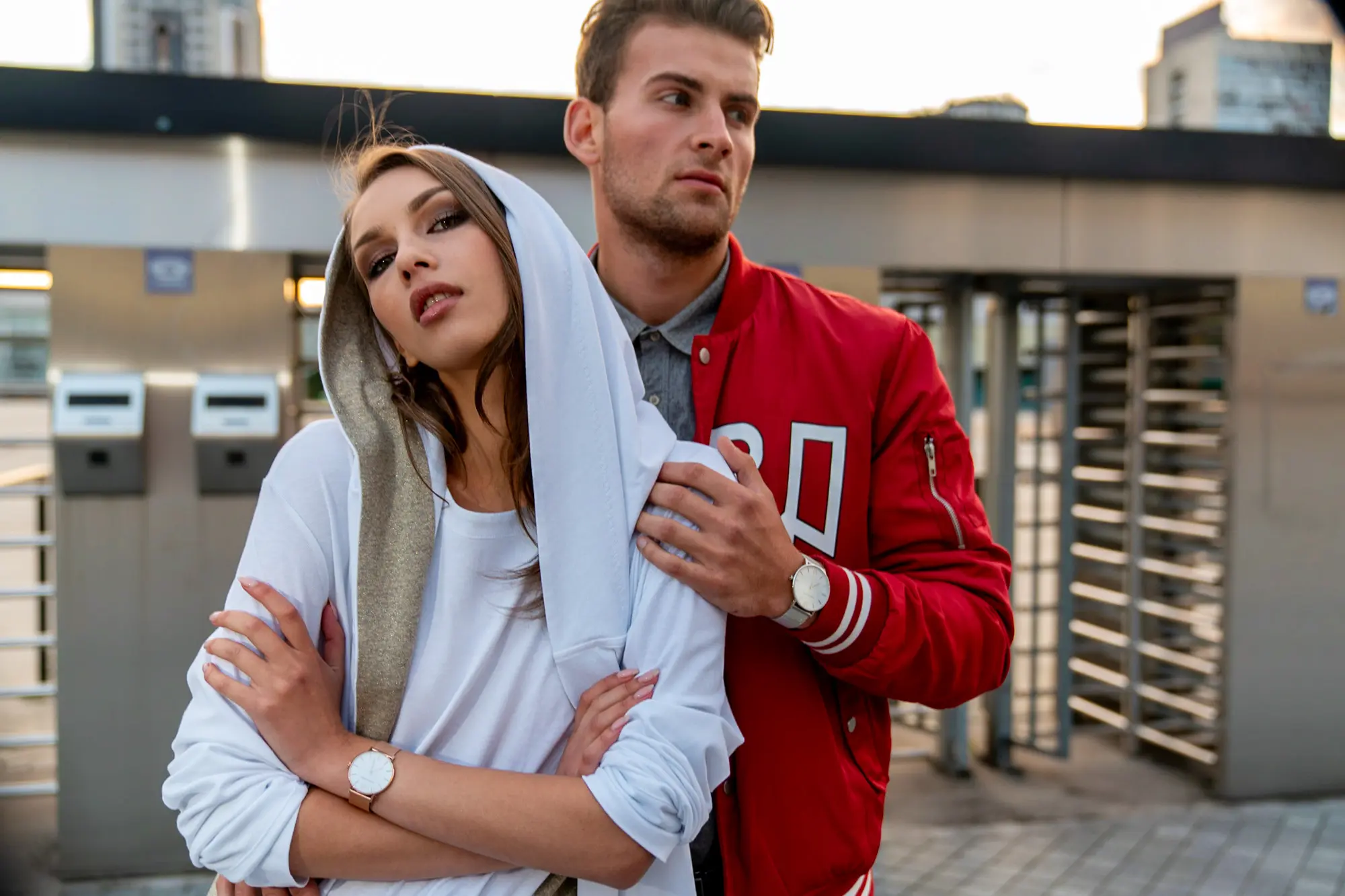
Luxury locations are optional. Concrete walls, metal gates, beaches, forests, alleyways, everything works if you know what to look for.
The key is identifying the strongest visual element of a location. Lines, textures, contrast, or negative space can all become compositional anchors. Once you see a location as a set of shapes rather than a place, creative options multiply.
Natural Light Techniques for Fashion Portraits
Light doesn’t need to be soft or flattering to work well. It just needs to support the concept. Once you stop chasing “perfect light,” you gain control.
Shooting in Any Light Condition
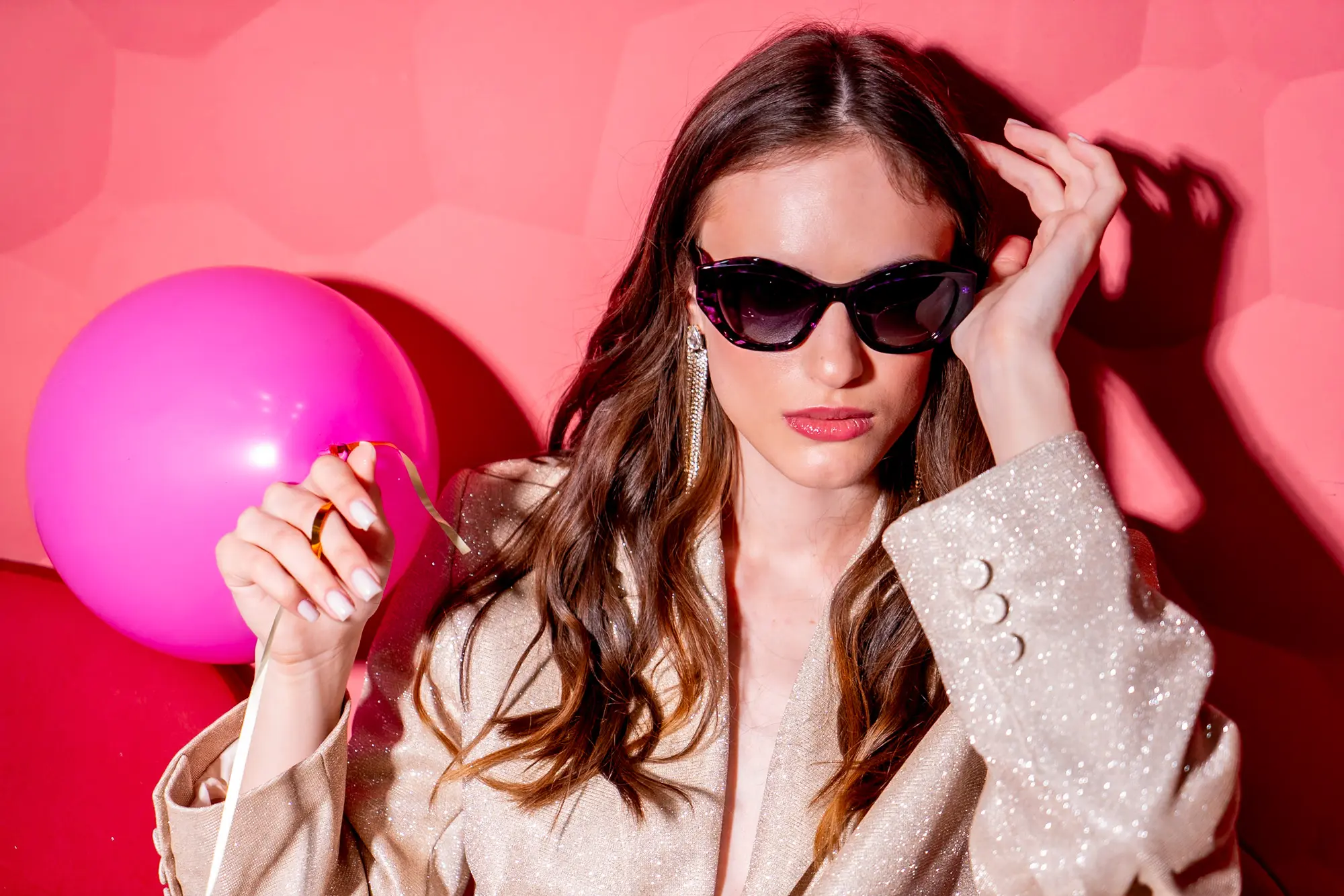
Golden hour is beautiful, but midday sun and nighttime streetlights are just as usable. I have shot directly into harsh sunlight, used buildings to shape shadows, and relied on open sky as a massive softbox.
There’s no such thing as bad light, only light you haven’t learned how to work with yet.
Reflectors, Flash & Minimal Gear
Reflectors are simple and effective, especially smaller ones that add subtle lift without overwhelming the model. Flash provides control. I like being able to underexpose the environment and shape the subject independently.
Radio triggers speed everything up, letting you keep one hand on the camera and the other on the light so you can make fast decisions, get immediate feedback, and stay decisive, because these images reward that kind of control.
Color or Black & White?
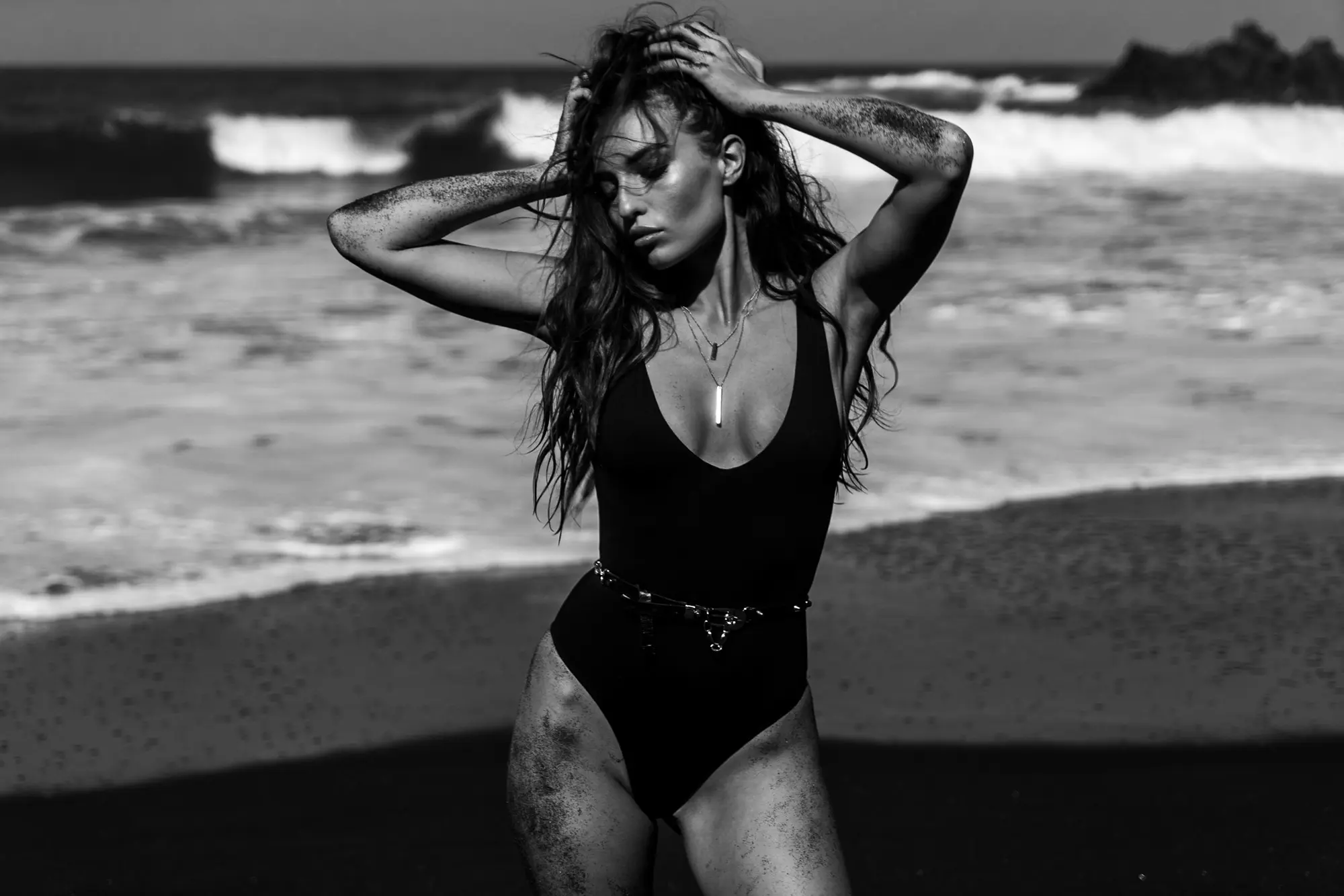
This decision never really goes away, because color can carry emotion, texture, and energy, while black and white can simplify the frame and intensify form in a way that feels more graphic and deliberate.
I usually decide after the shoot based on the concept rather than habit, and I always commit to one version, because posting both often feels like dodging the responsibility of making an artistic choice, and that choice is part of the process.
Focal Length & Aperture Choices
Lens choice is about intention, not tradition. Focal length and aperture directly affect how space, body, and background interact.
Long lenses compress space and flatten features. I prefer focal lengths between 24mm and 70mm for energy and perspective. I often reduce the aperture to keep the background in focus. Images may benefit from context and geometry more than from excessive blur.
Shoot Organization & Workflow
Strong images rarely come from chaotic shoots. The organization creates room for creativity rather than limiting it. When logistics are handled well, everyone can focus on performance and expression.
Planning the Shoot Day
Makeup usually takes longer than expected, models need a comfortable space to change, and using a car should be a last resort rather than the plan.
Discuss boundaries early, especially for unusual concepts or wardrobe choices. Surprises erode trust, and trust shows up clearly in the final photographs.
Always Have a Plan B
At some point, something will go wrong, the weather can change without warning, traffic can slow everything down, a team member might fall ill, or a location that looked perfect online may completely fall apart in reality. Bring water, snacks, time buffers, and backup ideas.
Model Release & Legal Protection
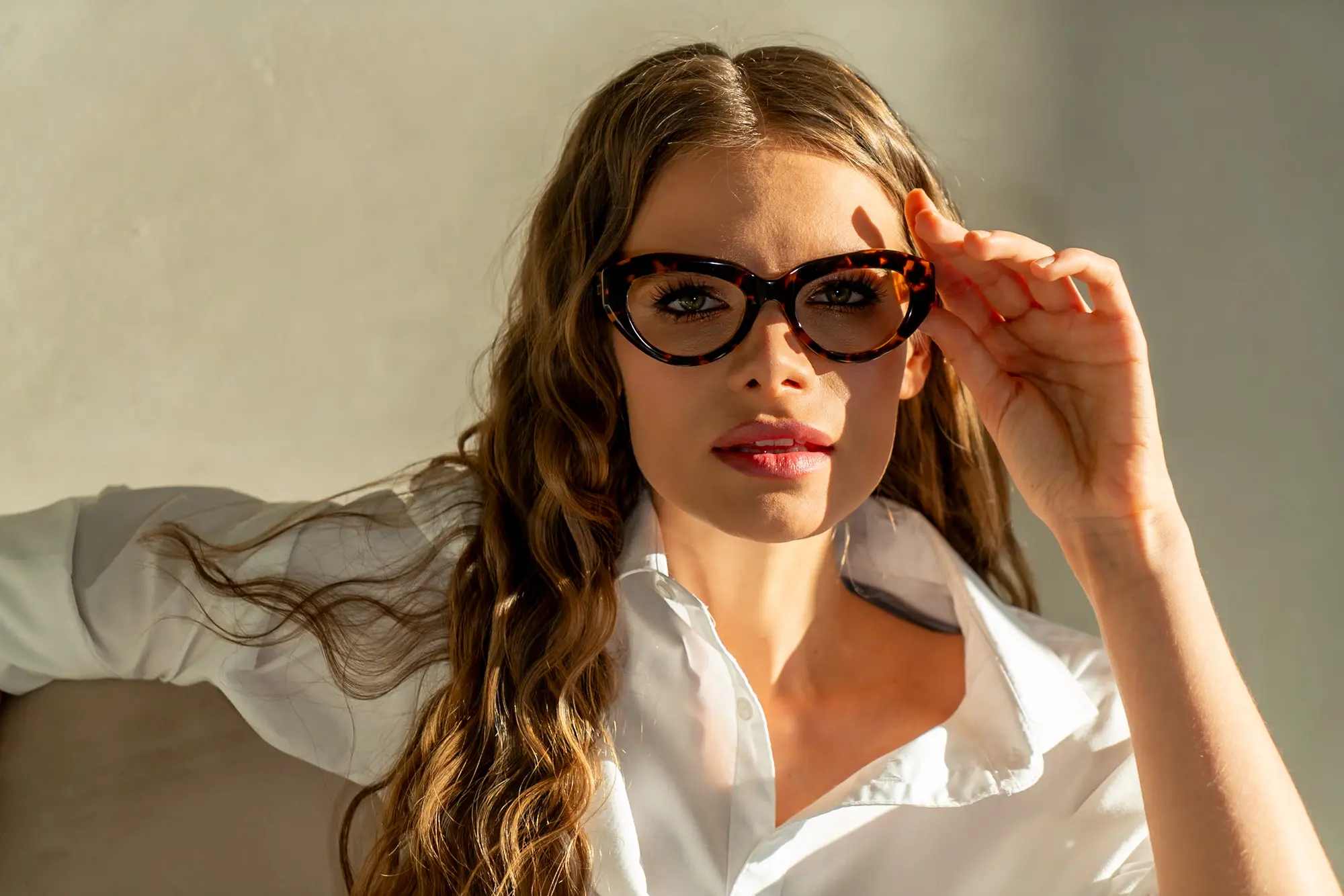
Creative freedom only works when the legal foundation is solid. Model releases protect both photographer and subject, ensuring images can be published, shared across magazines or platforms, and revisited years later.
Without a signed release, the images shouldn’t be used at all, no matter how strong they are.
Post-Production & Editing Workflow
The shoot doesn’t end when you pack up your camera. Editing is where portraits are refined and unified.
I shoot hundreds of frames per session. I adjust on the fly, then select quickly using ratings. Most editing happens in Lightroom: color correction, small skin fixes, and non-destructive changes. Photoshop is there when needed, but rarely essential. Speed and consistency matter!