


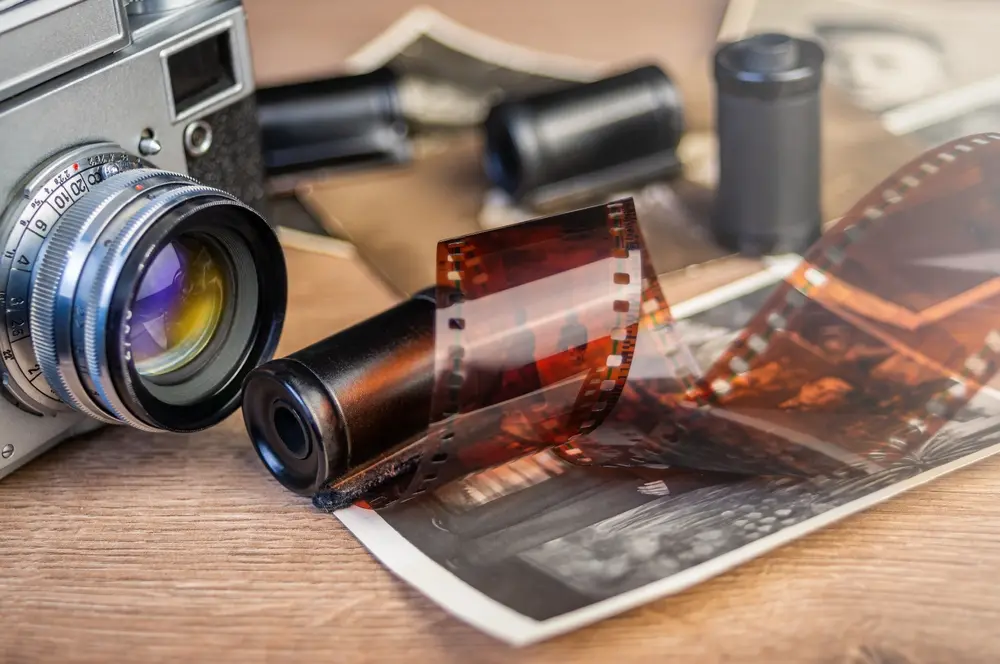
Digital cameras and smartphones have made photography easier than ever. Anyone can take hundreds of photos in a short span of time. Considering this level of convenience, you’d think there was no place for film photography in modern art.
However, contemporary photography is going through a surprising film renaissance. More beginners and professionals are picking up analog cameras again. And while nostalgia is definitely part of the reason why, there’s a lot more to it. So what’s pulling people back to film?
Interest in film photography is clearly rising again, driven by its analog aesthetics, slower creative processes, and a growing shift away from instant digital content.
Contents
- Film Sales and Demand Are Rising Again
- Gen Z and Millennials Are Driving the Comeback
- Labs, Photo Stores, and Film Communities Are Returning
- 7 Reasons Film Photography Still Matters Today
- 1. Film Slows You Down in a Good Way
- 2. The Look of Real Film Is Hard to Imitate
- 3. Shooting Film Sharpens Your Exposure Skills
- 4. Negatives Give You a True Physical Original
- 5. Waiting for Your Photos Changes the Experience
- 6. Film Images Stand Out in a Digital Feed
- 7. Film Is Still Used by Serious Photographers
- Film vs Digital Photography – Which Is Better Today?
- Is Film Photography the Future or Just a Phase?
- Conclusion
- Take Away
Film Sales and Demand Are Rising Again
Kodak brought back Ektachrome in 2018 after discontinuing it six years earlier. At the time, the company assumed the market had fully shifted to digital photography due to the convenience of digital photography and the natural lifespan of camera film. But interest in film never completely disappeared. In fact, companies like Ilford have also reported steady growth in film sales over the past several years.
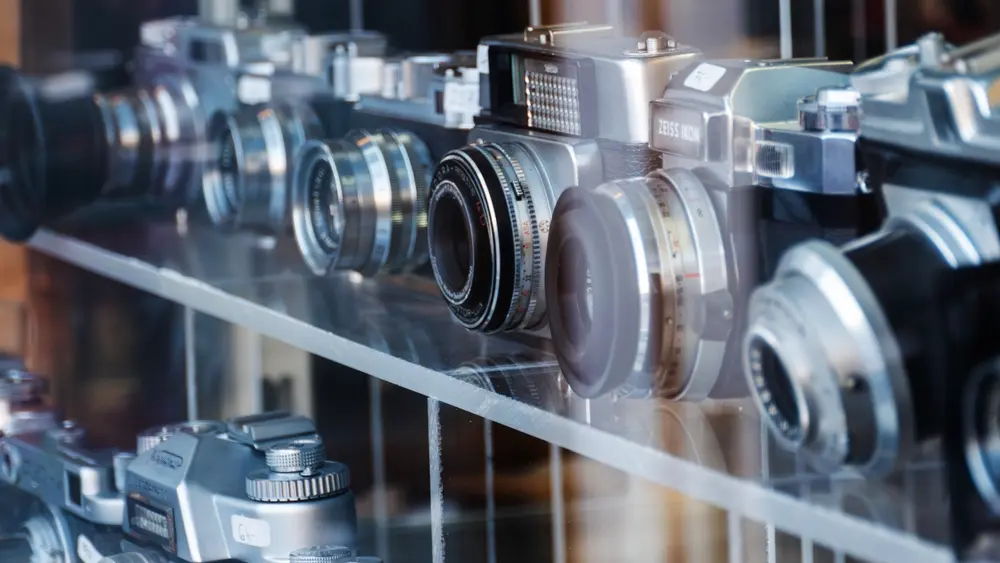
But forget the corporate reports for a second. Walk into a camera shop and try buying Portra 400 off the shelf – it’s often sold out. Stock shortages have been a recurring headache for film shooters since around 2020. Fujifilm actually pulled Pro 400H entirely. They just couldn’t keep production up. That’s not what happens to a dying product.
Used camera prices tell a similar story. Is that Canon AE-1 still collecting dust at a garage sale for $30? Those days are over. The same body now goes for $200+. Contax T2s have crossed the $1,000 mark. It’s gotten to the point where film photographers constantly complain about it on forums and in Discord servers.
Gen Z and Millennials Are Driving the Comeback
Film photography has become a visible niche on social media, particularly among Gen Z creators. Part of the appeal is the look, which includes the grain, the color shifts, and the distinctive palette of different film stocks.
Digital photos on Instagram have started to all look the same. Same presets, same color grading, same skin smoothing. Film brings back some uniqueness to the mix. A photo shot on Portra or Ektar has a sort of patina you can spot immediately. Still, the bigger draw of digital nostalgia culture is often the process itself. You get 36 shots, no LCD screen to review, and no ability to delete the ones you don’t like on the spot. You just shoot and hope.
There’s something about that uncertainty. That gap between pressing the shutter and actually seeing your photos days or weeks later. It’s something that digital has eliminated.
For some photographers, that delay is part of the magic.
Labs, Photo Stores, and Film Communities Are Returning
None of this would matter much if there were no way to get film developed for different types of cameras. That was a real concern ten years ago, and labs were shutting down left and right.
Now? The opposite is happening. New labs have popped up across major cities worldwide. Established ones have added staff and equipment to keep up. Mail-in services have filled the gap for people who don’t live near a lab. These days, film meetups and photo walks sell out in cities like New York, London, and Tokyo. Entire online groups (some with tens of thousands of members) exist just to argue about which Kodak stock handles skin tones best or whether you really need to refrigerate your film. (You probably should, for the record.)
7 Reasons Film Photography Still Matters Today
Mainly, people still use film because:
- Film limits you to 36 frames, forcing deliberate shooting
- The grain and color of real film can’t be fully replicated digitally
- Shooting on film builds better habits
- Negatives are physical originals
- Developing photos makes photography exciting again
- Its images stand out among digital content
- Professionals like film for its unique aesthetics
1. Film Slows You Down in a Good Way
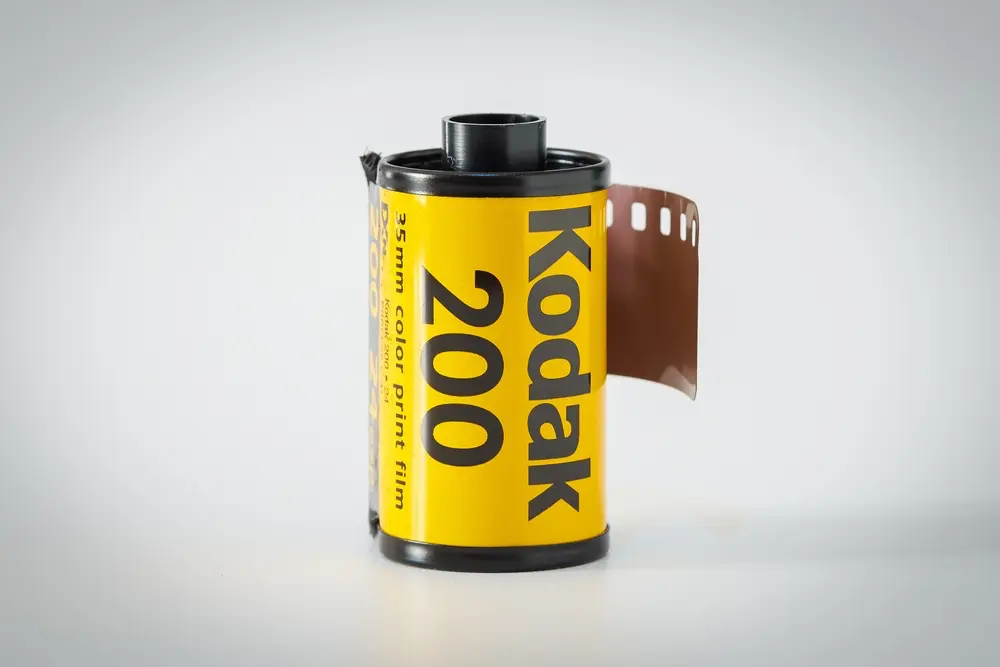
Thirty-six frames. That’s what a roll of 35mm gives you. Not 10,000. Not “basically unlimited.” Thirty-six, and each one costs money to develop and scan. That limitation changes how you shoot. Basically, you stop shooting everything that moves and start making choices. Is this frame worth it? Is the light actually good, or am I just bored? Would I rather save the remaining exposures for later?
For most film shooters, the hit rate per roll is way higher than their hit rate per memory card ever was. Basically, having a limit forced them to actually think. Digital encourages you to shoot endlessly. Film makes you commit.
2. The Look of Real Film Is Hard to Imitate
There’s a whole industry dedicated to making digital camera photos look like film. Preset packs, LUTs, grain overlays, plugins with names like “Portra Emulation Pro” – you’ve seen them. Some get pretty close at a glance, but none of them nail it completely.
The grain is where it first falls apart. Digital noise and film grain are fundamentally different things. Noise is ugly and uniform. Grain has randomness and texture that shifts from stock to stock, frame to frame, and even depending on how the lab processed the roll. HP5 grain doesn’t look like Tri-X grain, and neither one looks like a Lightroom slider set to 40%.
Color is the other giveaway. For example, Portra by Kodak renders skin tones with a warmth that portrait photographers have been chasing for decades. Whereas Velvia by Fujifilm pushes greens and blues into saturation territory that landscape shooters love.
3. Shooting Film Sharpens Your Exposure Skills
Digital cameras also give photographers a lot of room for error. If you underexpose by a couple of stops, you can usually recover it later in Lightroom. Blow the highlights? Shooting in RAW often gives you a chance to pull back some detail. Because of that flexibility, getting exposure perfectly right in the camera can start to feel less critical.
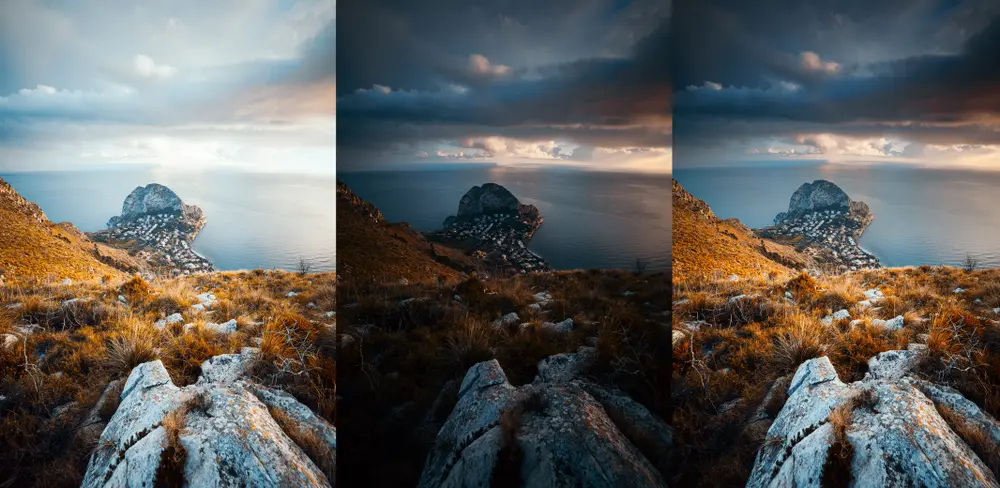
Film will break you of that habit quickly. Overexpose slide film, and those highlights are just gone. You don’t get to recover them. Underexpose a negative, and you’ll get thin, muddy scans with crushed shadows. The margin for error is real, and you feel it immediately when you get your results back.
What really accelerates the learning curve, though, is the cost. Every frame you waste on a bad exposure is a frame you paid for in film, development, and scanning. That adds up.
4. Negatives Give You a True Physical Original
Quick question: can you access the photos you took in 2011 with a DSLR camera? All of them?
Most people can’t. Hard drives die, cloud services change their terms or shut down entirely, memory cards get corrupted, and file formats go obsolete. Digital storage feels permanent, but it’s actually fragile in ways we don’t think about until something goes wrong.
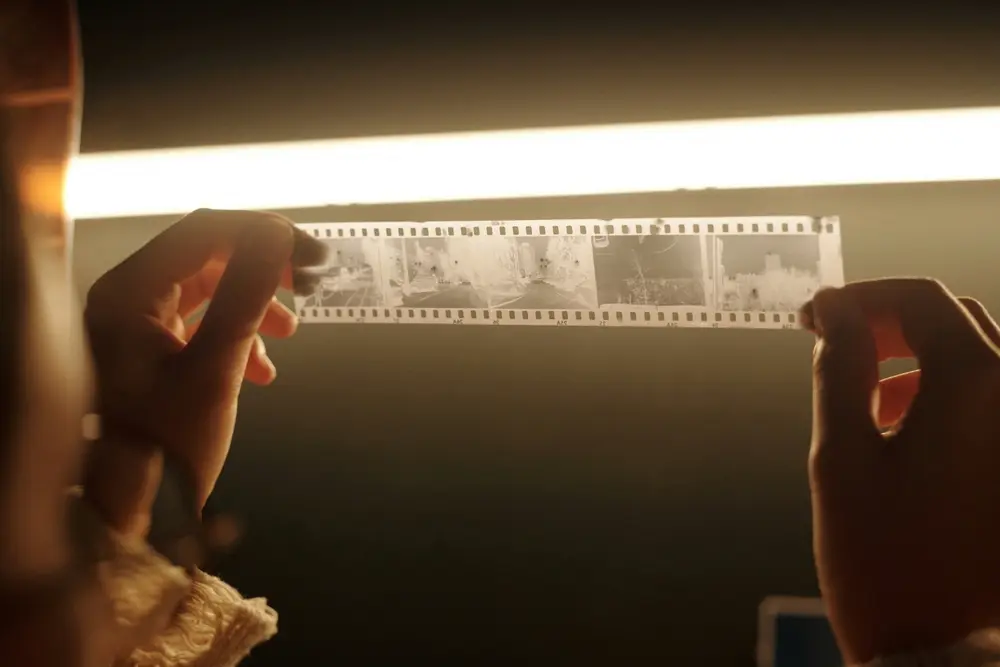
Film negatives don’t have that problem. A properly stored negative is the actual physical master of your image. No software needed to view it, and no file format to worry about. Hold it up to a window, and the image is right there.
And they last! Black-and-white negatives kept in cool, dry storage can survive well over a hundred years. Photographers are still making prints from negatives shot before World War I. Meanwhile, half the photos from 2008 are trapped on a dead MacBook in someone’s closet.
5. Waiting for Your Photos Changes the Experience
Digital photography largely removed the element of surprise. You take a photo, check the screen, and know immediately what you got.
Shooting film changes that dynamic. You finish a roll, drop it off at a lab, and wait. Sometimes a few days, and sometimes a week. By the time the scans arrive in your inbox, you’ve often forgotten half the moments you captured.
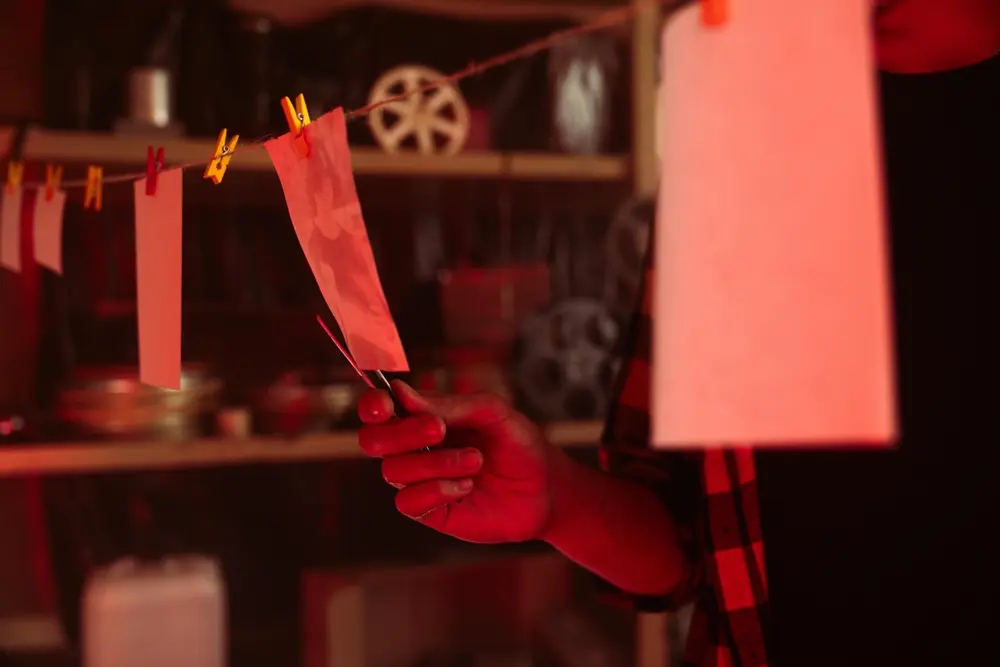
Opening them genuinely feels like unwrapping something. The shooting itself feels different, too. Without a screen to chimp at after every frame, your attention stays forward. When there’s no instant feedback loop pulling you out of the moment, you just stay in it.
6. Film Images Stand Out in a Digital Feed
Millions of photos are posted on Instagram every day. Most of them come from similar phones, get edited with the same trending presets, and end up looking more or less interchangeable. Scroll long enough, and everything blurs together.
Film sticks out. It just does. A portrait shot on Portra has a color quality and skin-tone rendering that people recognize, even if they can’t tell you why. Wedding and editorial photographers figured this out a while ago. Many now offer film work as a premium option because clients associate it with something more timeless and intentional.
7. Film Is Still Used by Serious Photographers
There’s this idea floating around that film is basically for hobbyists. Something for hipsters and nostalgic weekend shooters, but that’s wrong.
Working professionals still choose films on purpose. Fashion editorials shot on medium format Portra, and fine art projects on large-format black-and-white negatives.
Some cinematographers, such as Christopher Nolan, still insist on shooting motion picture film because they believe it produces a look that digital cinema cannot fully replicate.
Nobody’s choosing film out of pity for an old format. They’re choosing it because it does specific things they want. The texture, the way it handles highlight rolloff, and the tonal depth in shadows.
Film vs Digital Photography – Which Is Better Today?
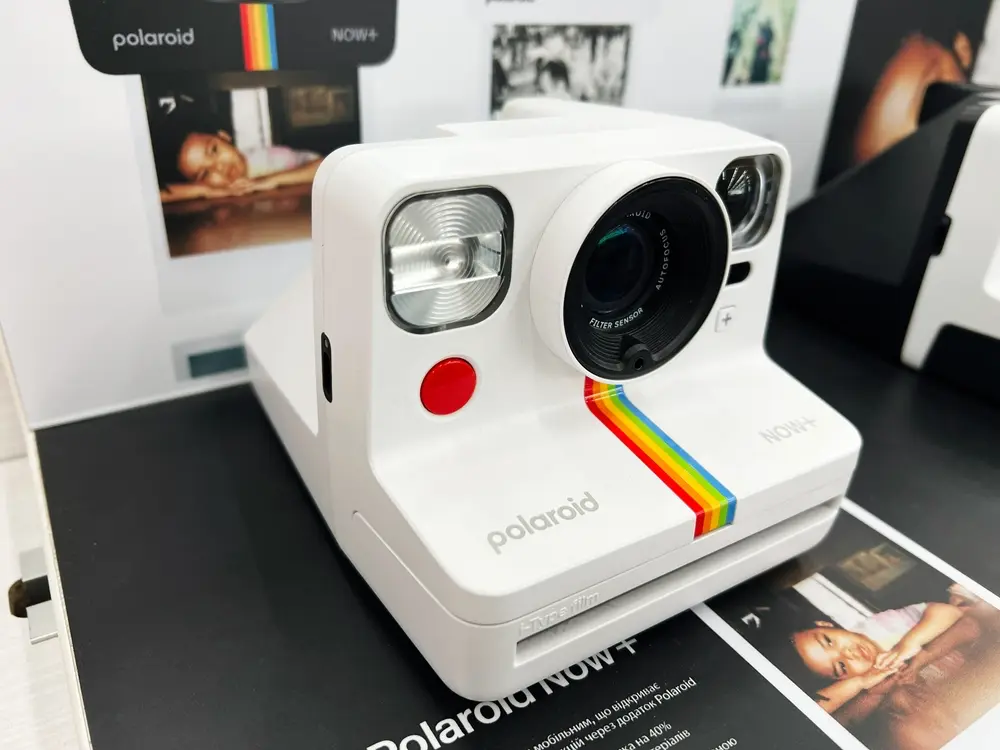
Film offers a different creative experience, but it isn’t replacing digital; it complements it.
| Film Wins For | Digital Wins For |
| Aesthetic character | Convenience |
| Slower process | Cost efficiency |
| Archival physical originals | Speed and flexibility |
| Immersive | Fast |
Is Film Photography the Future or Just a Phase?
Well, film is not going to replace digital. Let’s just get that out of the way immediately. For everyday photography, for most professional applications, for the average person documenting their life, digital won. That happened years ago, and there’s no going back.
So is film just a trend that’ll burn out in a couple of years? Probably not. And the vinyl comparison actually makes a solid case for why.
Vinyl offers a useful comparison. No one expected records to replace streaming, and they never did. But enough listeners valued the format, such as the sound, the artwork, and even the ritual of playing a record. The record stores reopened, pressing plants expanded, and new albums once again began appearing on vinyl as standard releases.
Film photography appears to be following a similar path. If this were just a passing fad, interest would likely have peaked around 2021 or 2022 and started to fade. Instead, demand continues to grow. Kodak and Ilford are expanding production, new labs are opening, and prices for used film cameras keep climbing, which is frustrating for buyers and a clear signal of where the market is headed.
Film isn’t going to dominate photography again, but it doesn’t need to. It has already secured its place as a lasting alternative.
Conclusion
The attraction to nostalgia might get someone to buy their first roll of film, but it doesn’t explain why they keep coming back.
Part of the appeal is the look – that grain, the colors, and the way highlights roll off instead of clipping harshly. And partially because of the process, which includes 36 frames, no screen, and no safety net. But mostly, film sticks because it changes your relationship with photography in a way that’s hard to get any other way. You start paying closer attention to light, and you get pickier about what’s actually worth photographing.




@Perrin I do hope so i loved being in the darkroom watching the magic happen before your eyes also the smell of the chemicals you never forget.
I think you slowed down taking photos as you only had 24 or 36 exposures great times
@Robbie A lot of photographers I talk to on the podcast are wanting to experiment with film. I just watched a Peter McKinnon video where he used a really old Rolleiflex and just had fun experimenting with it. He ended up selling the camera but was still really grateful for the experience.