


After decades of practicing architecture and shooting architectural photography in cities globally in Europe and Asia, to my current home in Hanoi, I have learned that the best photographs are not captured, rather they are read.
We have all stood in the center of a visually arresting space, perhaps a soaring cathedral in London or Paris. Maybe a chaotic urban intersection in Hanoi, or the canyon of verticality in a city like Dubai or New York. So much to see, so much to shoot, and yet we freeze with the overwhelm and sudden paralysis of seeing everything and nothing.
We intuitively recognize the scene is rich, yet the viewfinder feels cluttered, and the intention remains elusive. Often, we fall back on the obvious: a person walking by, a bright sign, or a centered landmark. But these are subjects, not structures.
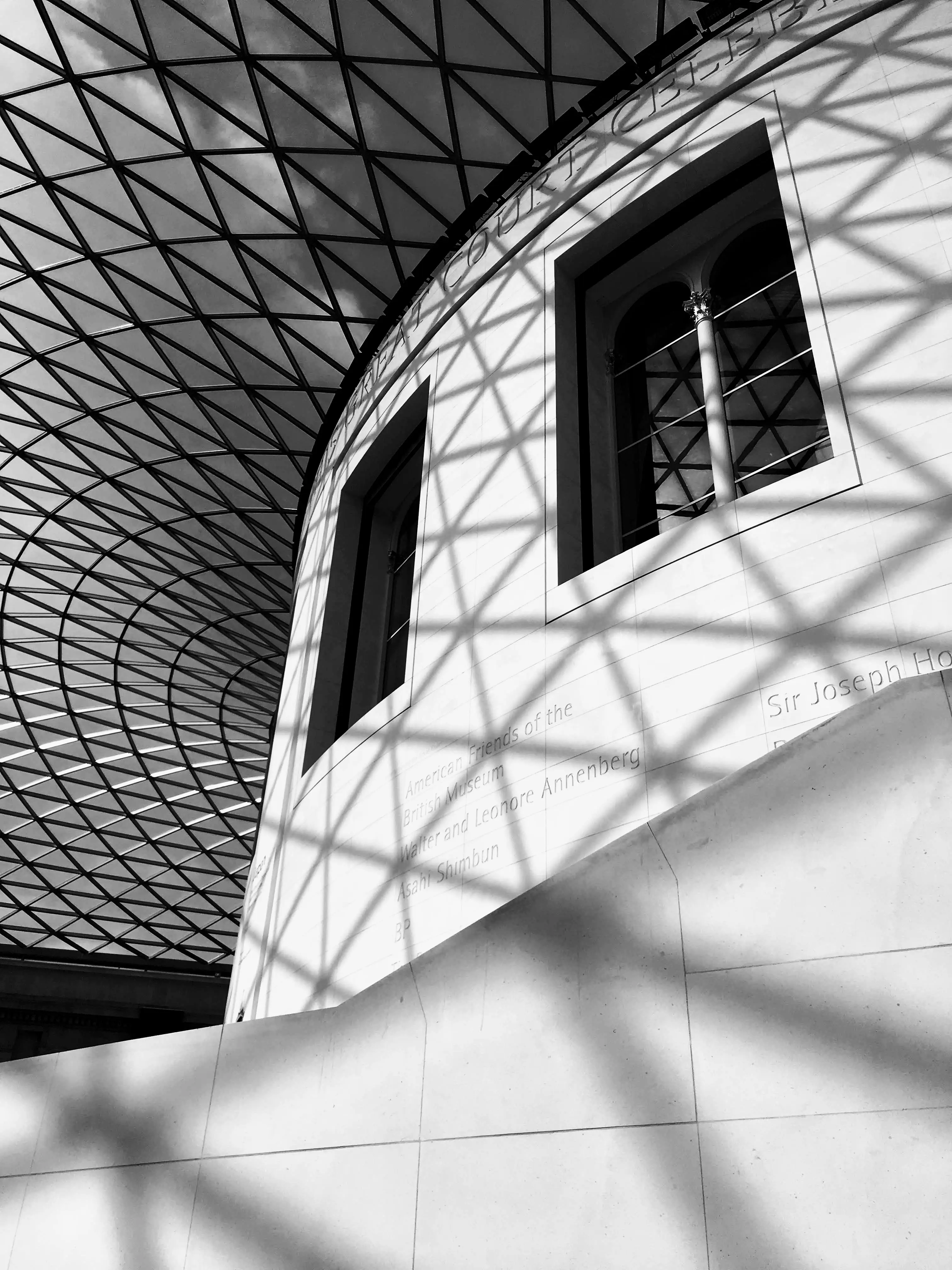
The problem isn’t a lack of interesting things to shoot; in fact, usually the opposite. It is a kind of sensory overwhelm, a visual indecision where the sheer volume of detail leads to a “spray and pray” approach. While this can yield results through the law of averages, the outcome rarely captures the soul of the design.
In the following sections, we will explore how to move from passive looking to active reading. We’ll break down how to identify dominant lines, manage spatial relationships, and make the brutal decisions of what to exclude. By analyzing real-world evolutions of a frame, you will learn to see the skeleton of a scene before you ever press the shutter.
Contents
- Why This Is Harder Than It Looks
- The Difference Between Looking and Reading a Scene
- The Geometry of Silence: Stripping Away the Noise
- The Narrative of Light: Space as a Living Organism
- The Human Scale: Architecture is Built for People
- A Practical Framework for Photographing Architecture
- Behind the Scenes: How the Frame Evolves
- Closing Reflection: Learning to See Before You Shoot
- Take Away
Why This Is Harder Than It Looks
Most photographers are trained to be “hunters.” They look for a person in a red coat, a dramatic sunset, or a famous landmark. But architectural seeing fails when there is no “obvious” hero. When the structure itself is the hero, the untrained eye struggles because it sees the “what” but not the “how.”
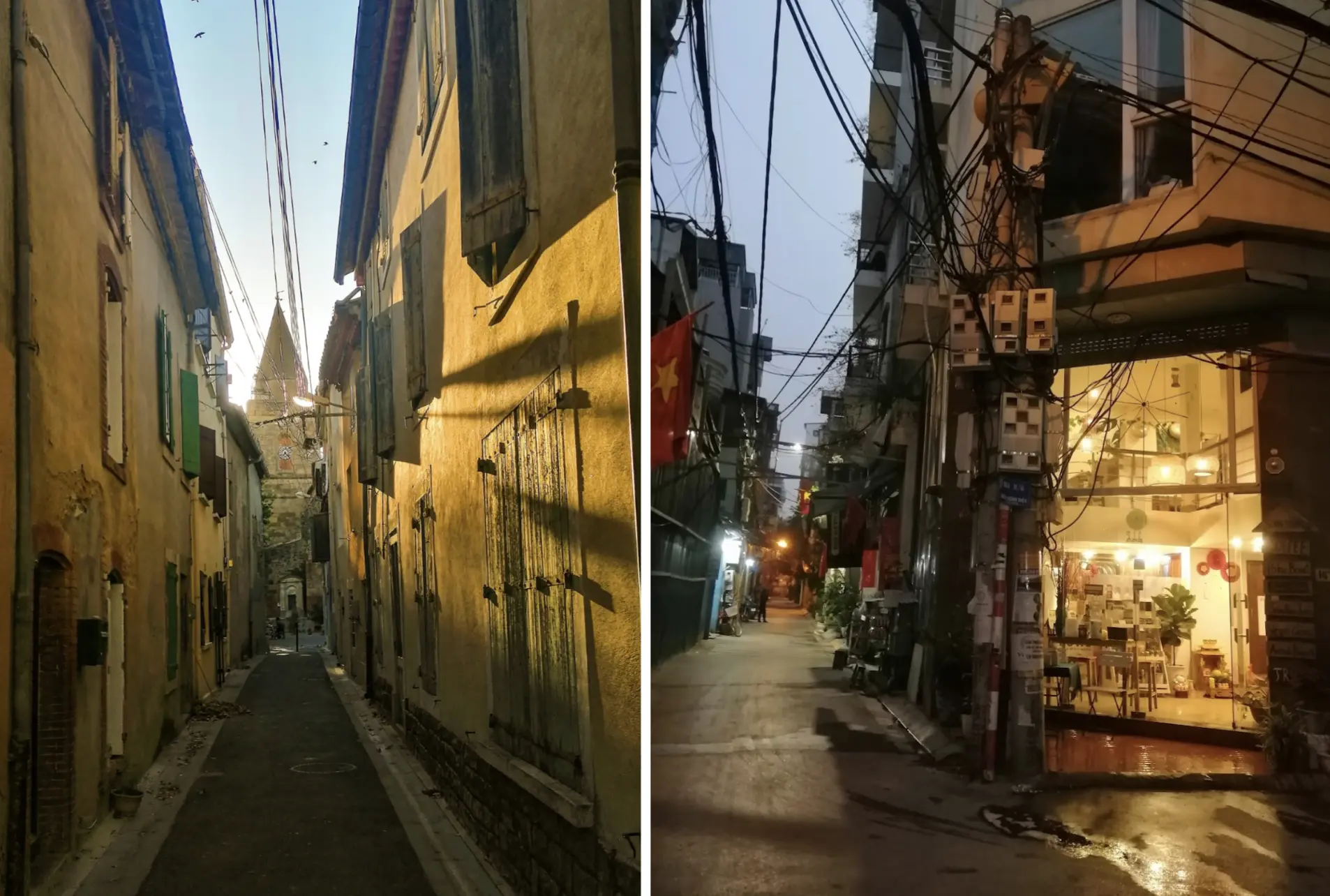
I am currently living in Hanoi, and spent many years before this in London, both cities rich with photographic opportunities. But occasionally, when nothing obvious stands out, e.g., in a quiet alley in France or a chaotic corner of Hanoi, the hunt collapses.
The structure is present, yet invisible to the untrained eye. Recognizing a subject is reactive; reading structure is interpretive. Rules are of little use if you do not first understand the spatial logic they are meant to support.
The Difference Between Looking and Reading a Scene
The distinction may seem slight, but trust me, the outcome is anything but. Most photographers (I’m guilty of this myself in my younger days) tend to arrive at a scene already in “hunting” mode; camera up, eye scanning the horizon, and snap, click, whatever’s in front of us gets the shot. But here’s the thing I’ve come to grasp over all these years of wandering city streets with both an architect’s perspective and a camera slung over my shoulder, that habit may come naturally, but it’s a self-imposed ceiling. It keeps you pegged to the obvious.
Reading a scene, on the other hand, is about tearing that apart, interrogating its very fabric: questioning why the light falls where it does, what’s drawing your eye to those particular lines, and what’s going on in that space, rather than just focusing on what’s ‘in’ it.
What Most Photographers Look For
The ‘untrained’ eye tends to gravitate toward the literal: a beautiful door, a symmetrical facade, or a sharp shadow. These are “ready-made” compositions that require little interpretation, and you simply document what is already there.
- People, landmarks, and “ready-made” compositions.
- Obvious symmetry or literal leading lines.

What It Means to Read a Scene
Reading a scene involves looking past the surface materials. You must identify:
- Dominant Lines: The invisible axes that dictate movement.
- Underlying Shapes: How the shadows and highlights create geometry independent of the objects themselves.
- Spatial Relationships: How the foreground interacts with the background to create depth or compression.
When Space Becomes the Subject
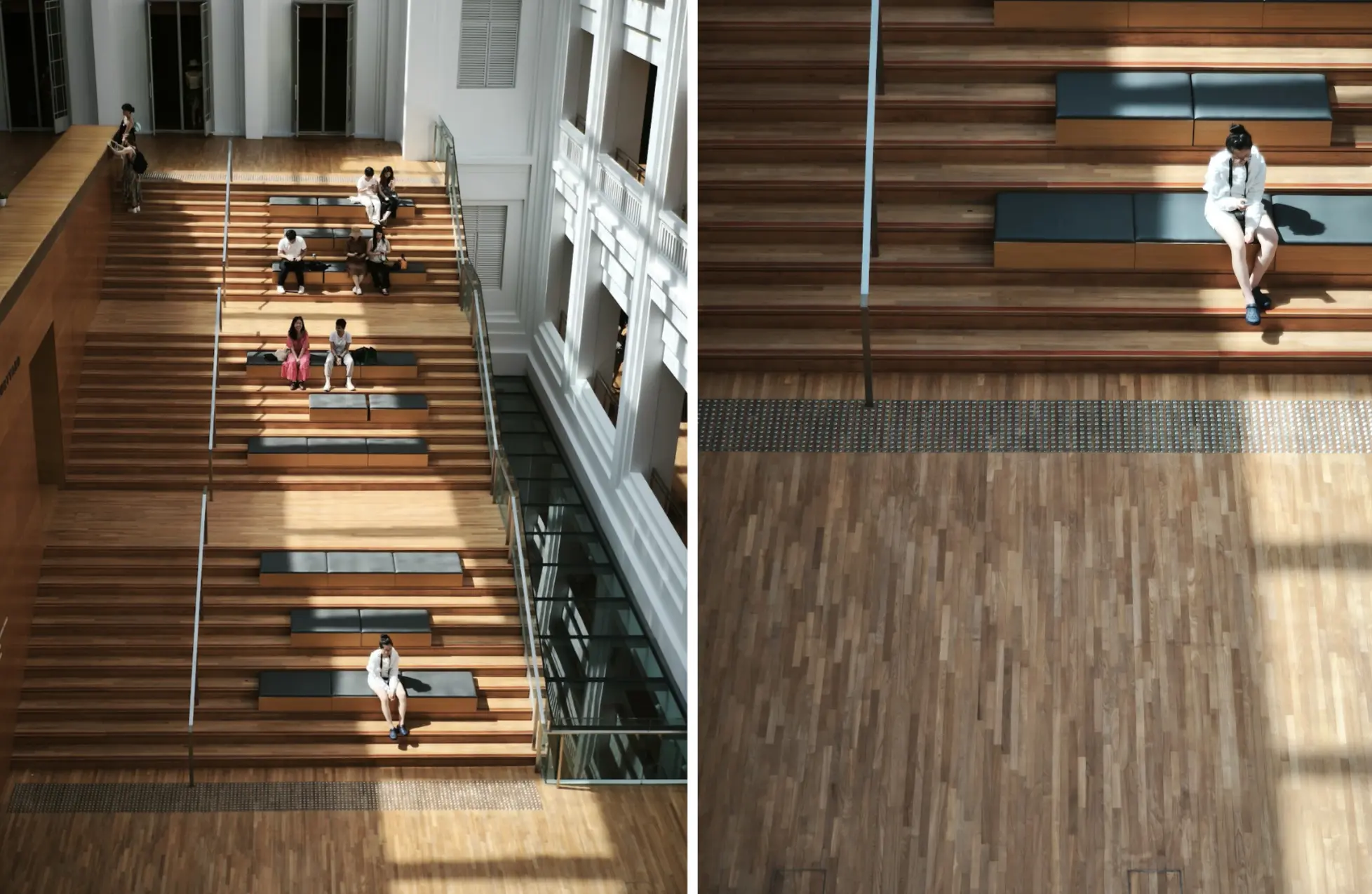
In minimalist or repetitive architecture, the “subject” is often the void. In an empty corridor or a repetitive concrete facade, the rhythm and the negative space carry the entire weight of the image.
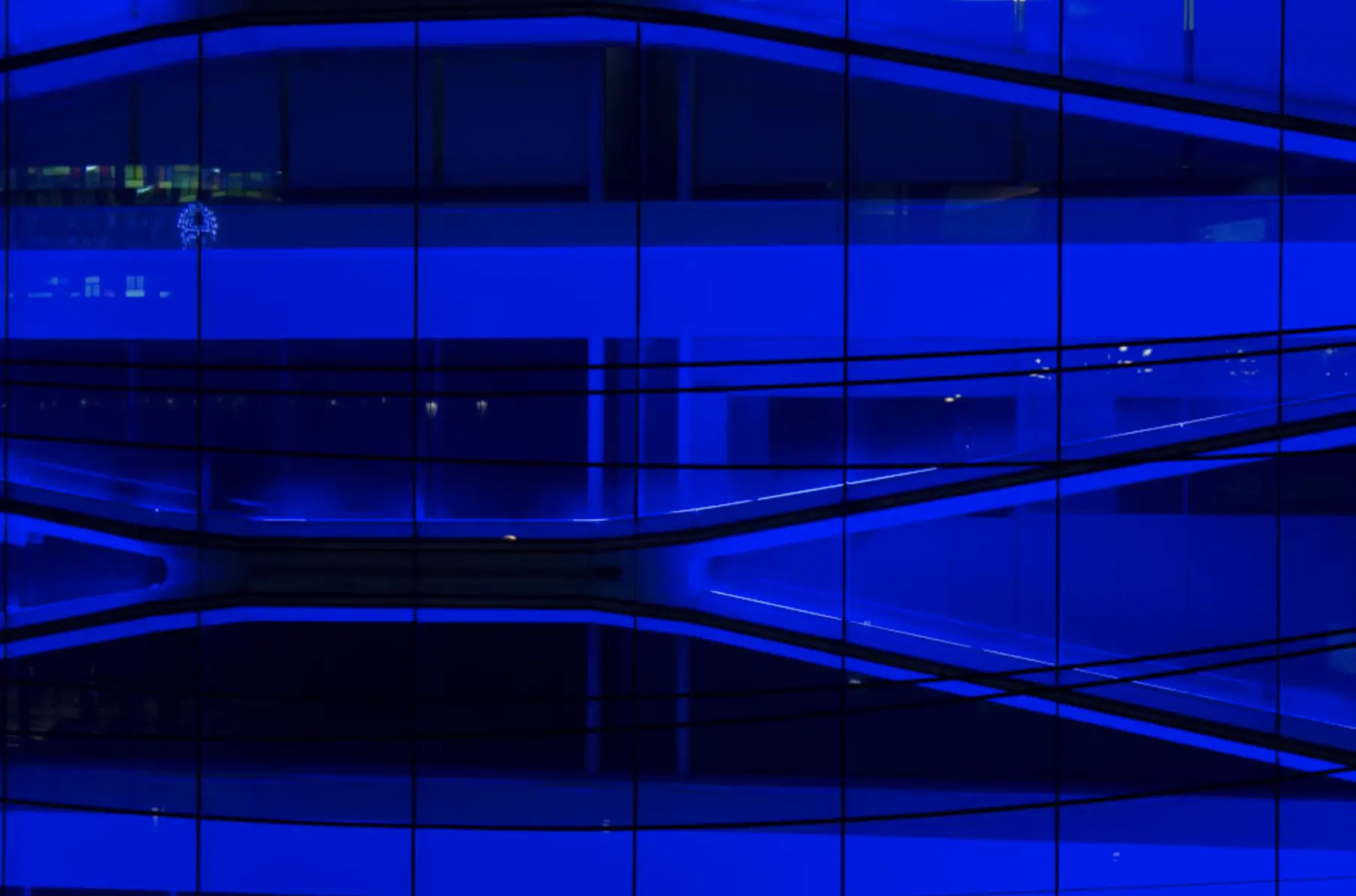
- Empty interiors in modern glass buildings or reflections of the sky and clouds
- Light and shadow spilling from one space into another
- Space defined by the contrast of natural and artificial light
- Layering of different spaces defined by structure, light, and texture
- Focusing on a foreground detail at the same time can give emphasis to the contextual space
- Negative space in Brutalist estates
The Geometry of Silence: Stripping Away the Noise
In a city like Hanoi or London, noise is the default. This is not just auditory noise, but a visual cacophony of power lines, street vendors, and shifting shadows. Seeing like an architect means looking for the Geometry of Silence.
When you strip away the traffic and the clutter, what remains is the skeleton of the scene. It might be the rhythmic repetition of concrete balconies or the way a vertical column reaches for the sky, calm reflections of buildings, or the literal silence of a body of water where it meets with urbanity.
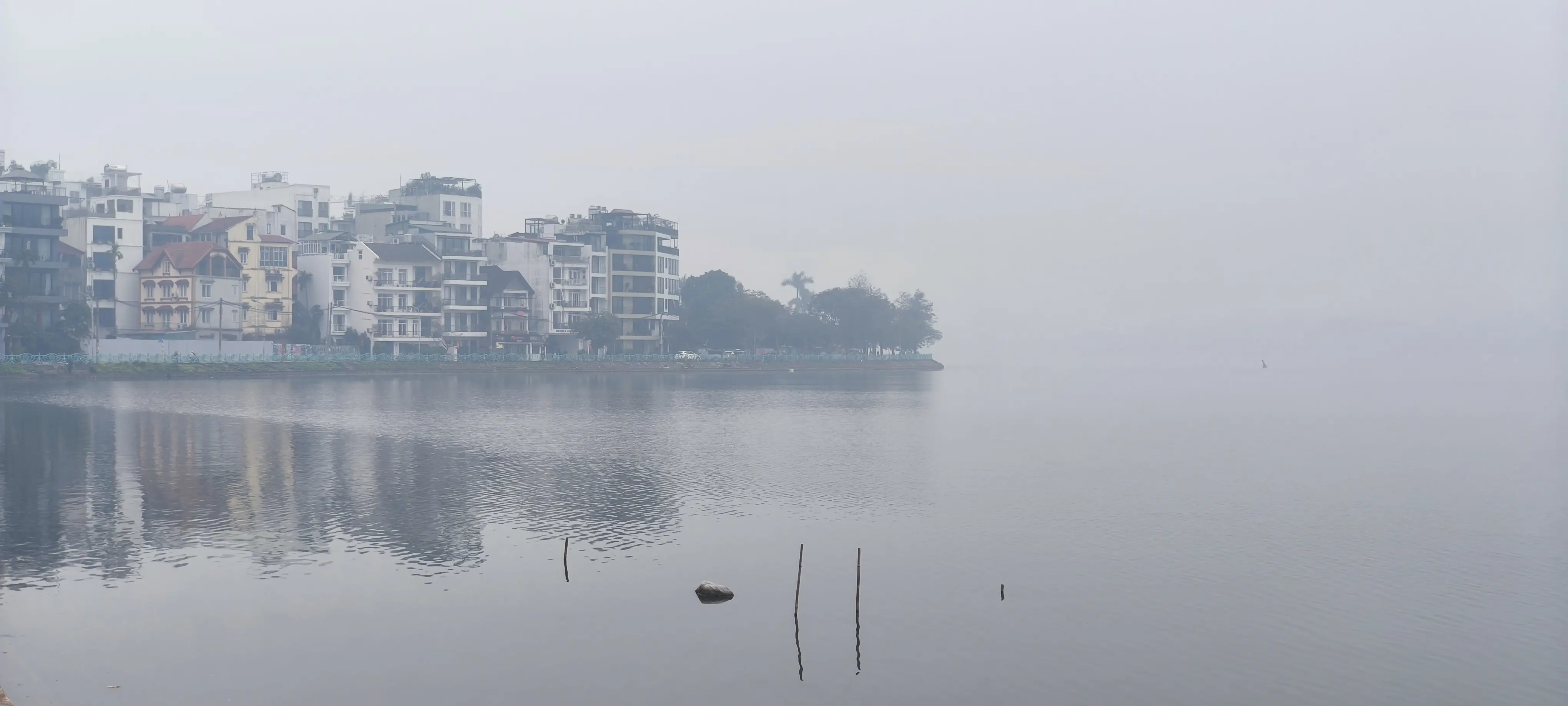
The Goal: Use your frame to isolate the permanent from the transient.
The Result: A photograph that feels “quiet,” even in a loud city, because it focuses on the structural truth of the environment.
The Narrative of Light: Space as a Living Organism
Architects do not just build with brick and mortar; they build with light. As a photographer, light is your narrative tool. It doesn’t just provide exposure; it dictates the function and perception of the space.
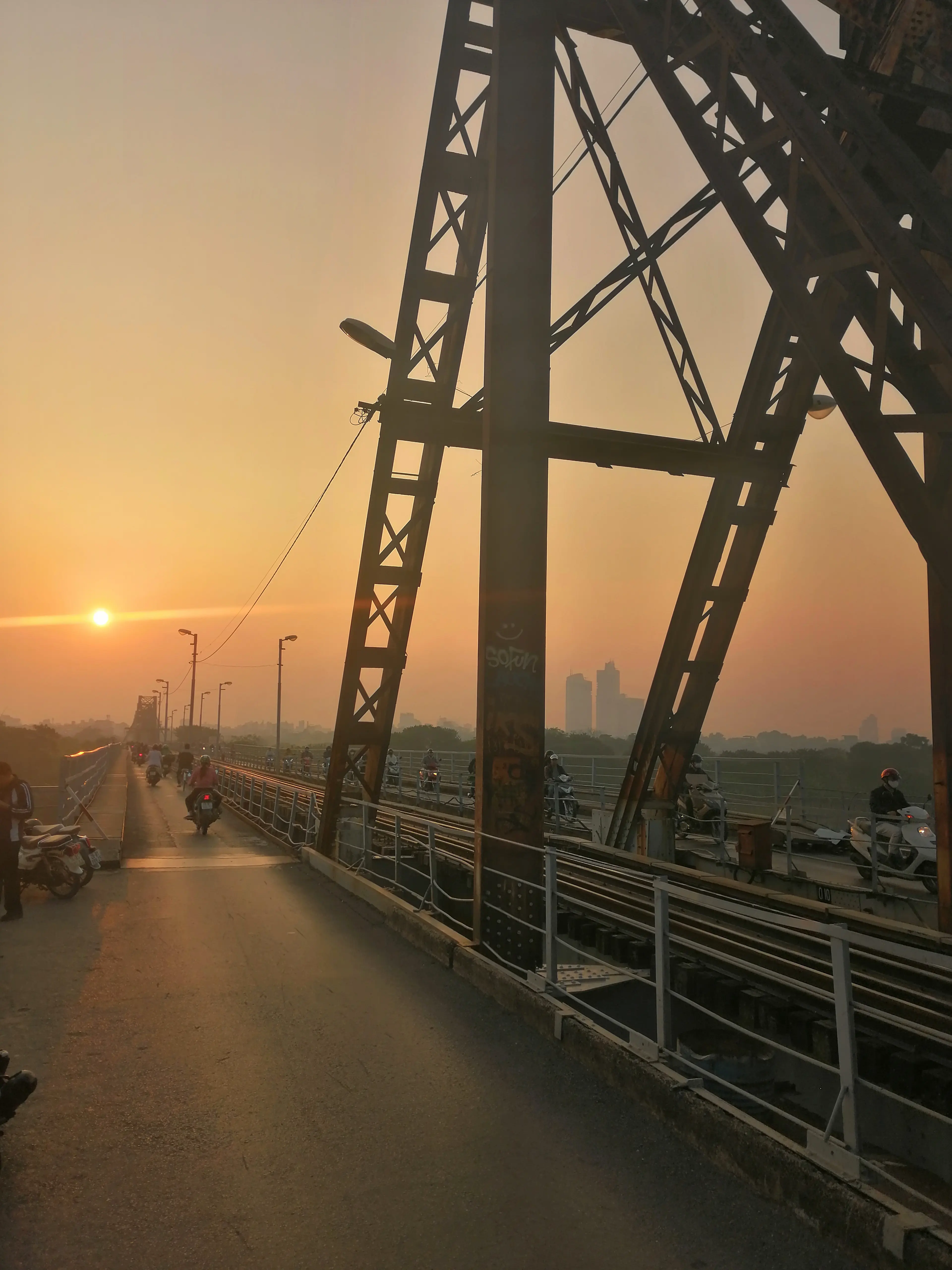
The Harsh Noon: In direct sun, a courtyard becomes a study in high-contrast geometry. The light reveals the hard edges and the “truth” of the materials.
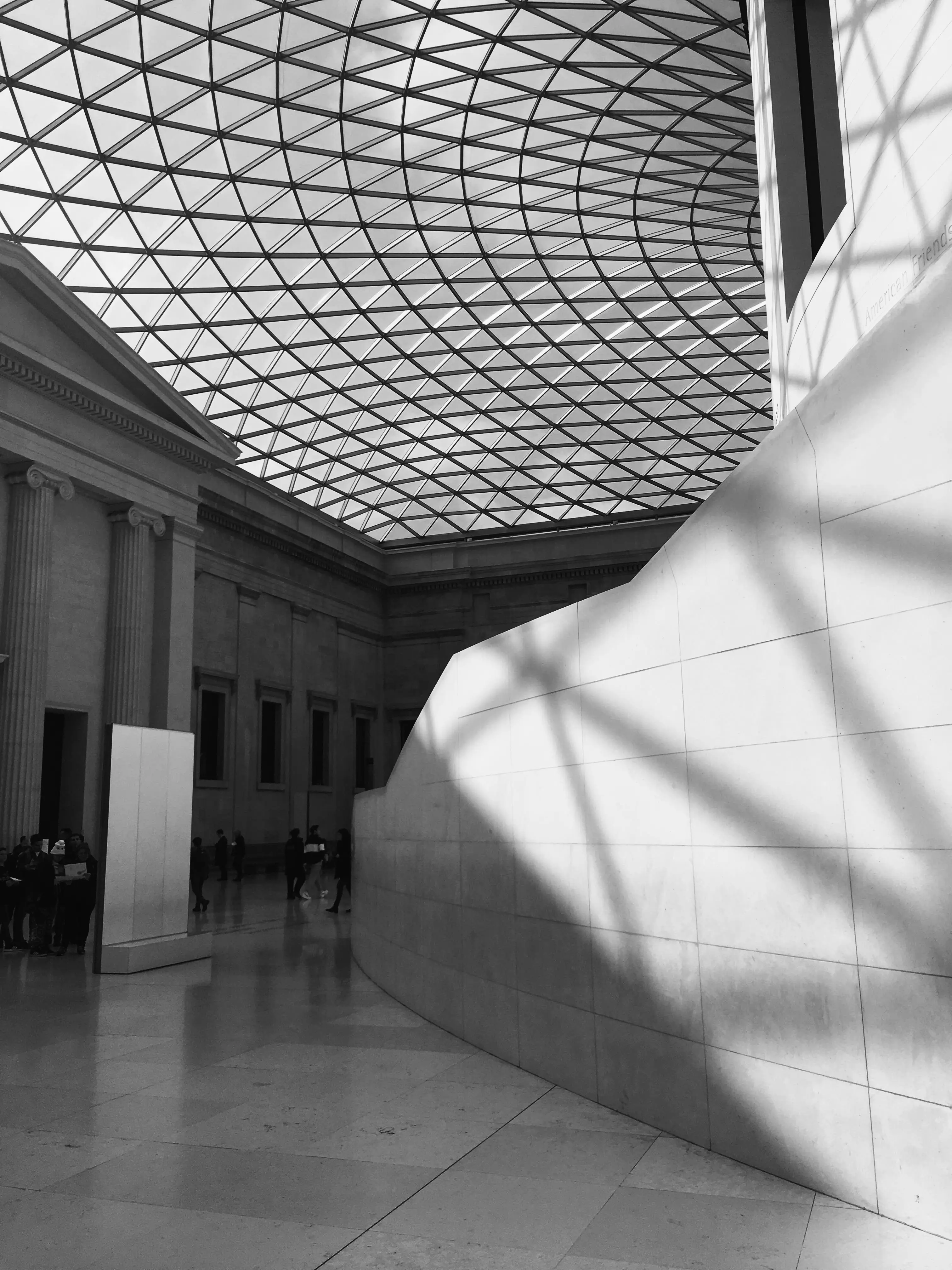
The Blue Hour: At dusk, spaces can transform into a more intimate sanctuary, and with the addition of artificial lighting and/or reflections, the narrative shifts from defining edges to defining atmosphere and volume.

The Lesson: Don’t just wait for “good light.” Ask what the light is saying about the purpose of the space at that exact moment.
The Human Scale: Architecture is Built for People
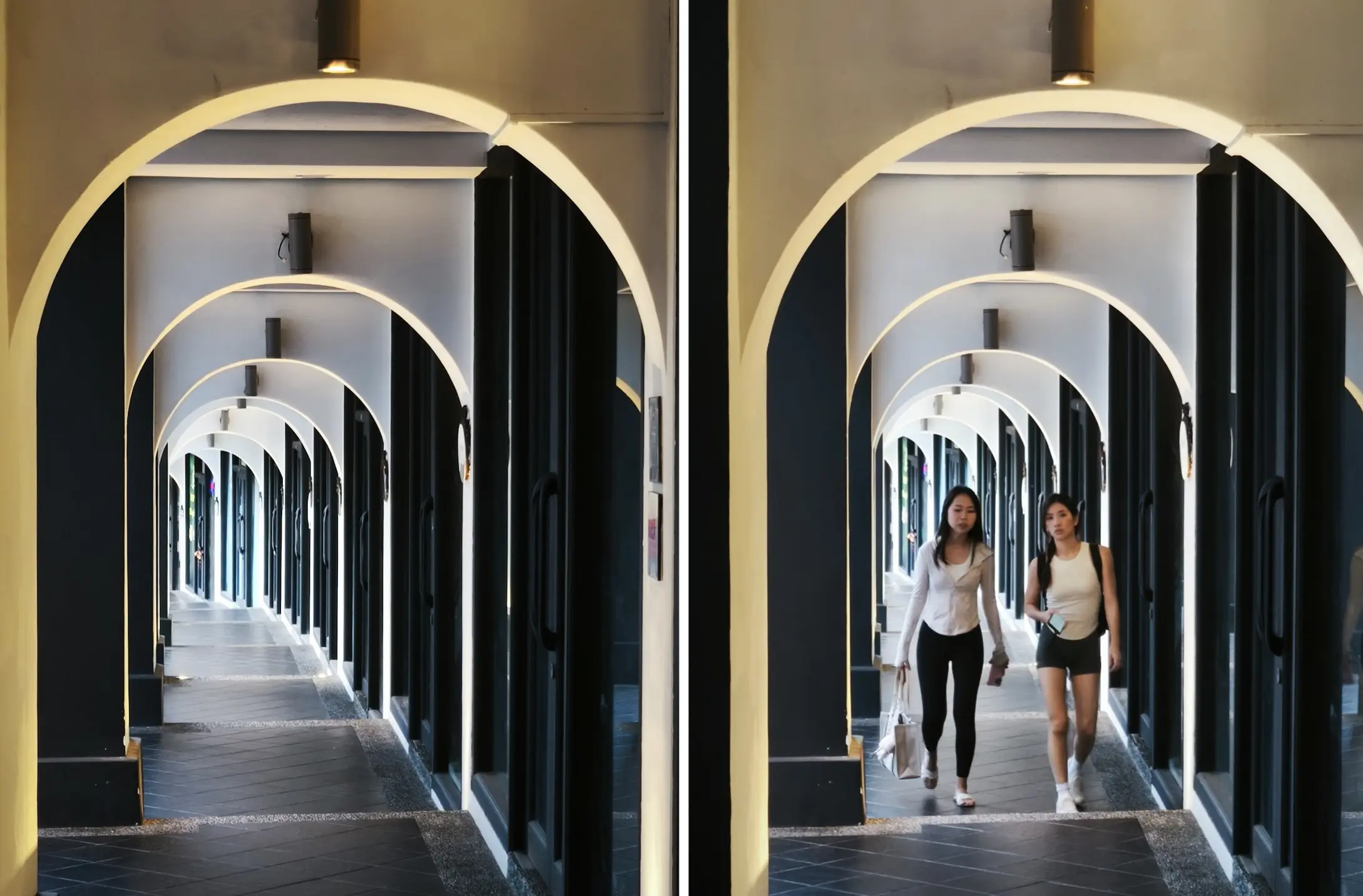
In architecture, the concept of scale is paramount. Traditional spatial concepts like the internal courtyards of ancient tube houses are being re-imagined in modern vertical structures.
Scale and Proportion: By placing a human element within these modern reinterpretations of space, you ground the architecture. It provides a yardstick for the viewer to feel the volume, the height, and the cultural continuity of the design.
A Practical Framework for Photographing Architecture
Theory without practice is architecture without a building. The ideas above, geometry, light, human scale, rhythm, are only useful if you can apply them under pressure, in real time, with a camera in your hand and a busy street in front of you. What follows is the framework I have developed over years of shooting in cities as different as Abu Dhabi and Hanoi: five steps that I run through, sometimes consciously and sometimes instinctively, whenever I enter a new space.
Real-World Constraints
In the real world, architecture is messy. There are trash cans, fire exit signs, uneven lighting, and crowds. The “perfect” symmetrical shot rarely exists in the wild. Reading a scene means understanding that structure is often hidden or fragmented; your job is to extract it from the clutter.
Step 1: Identify the Dominant Structure
Look for the anchor. Is the scene defined by a strong verticality, or is it a series of receding horizontals? Patterns and repetition often provide the most stable anchor for a frame.
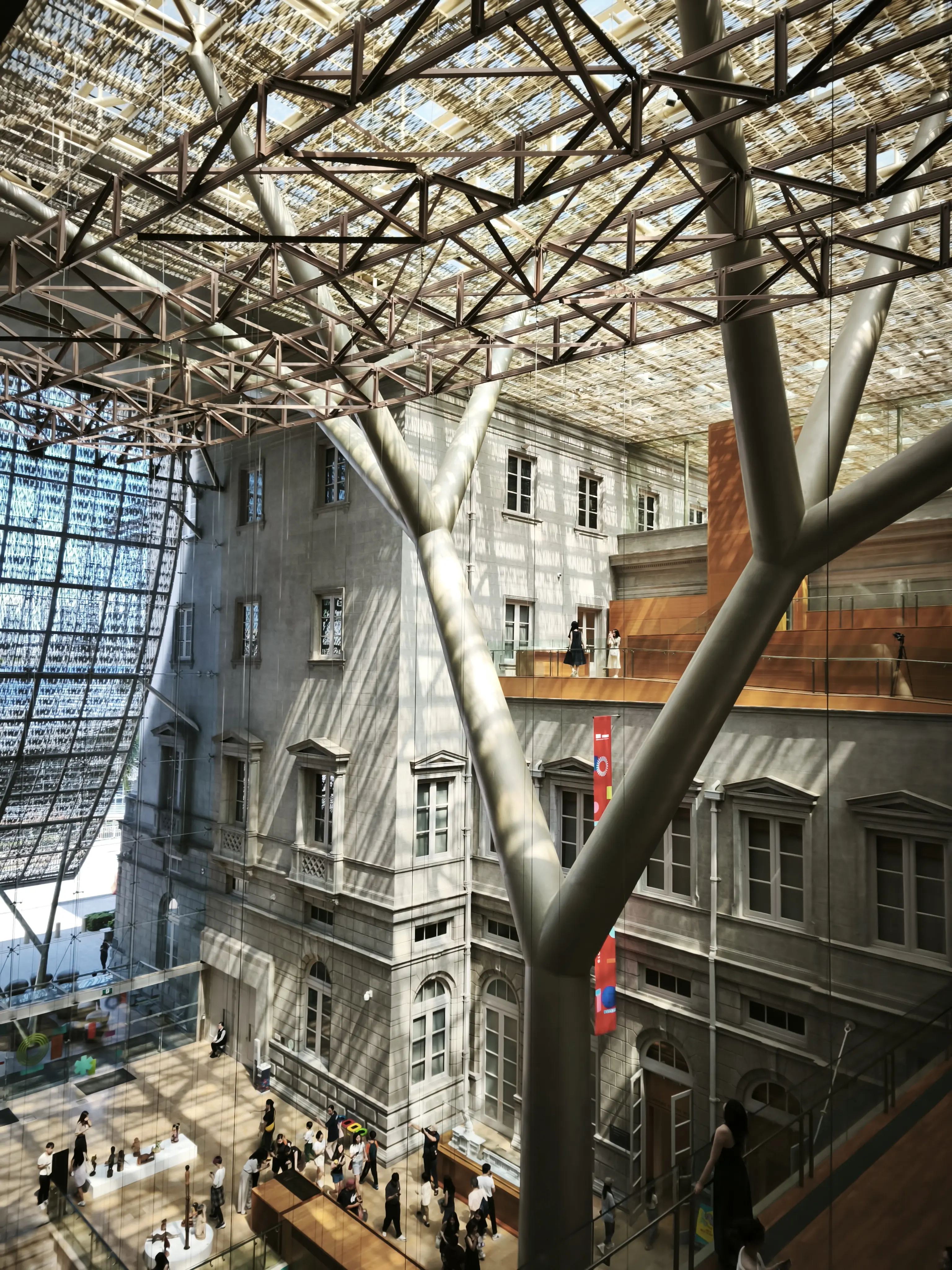
Tip: I often half-close my eyes before looking through the viewfinder. This reduces detail and allows the strongest structural elements to make themselves apparent.
Step 2: Understand Relationships Between Elements
Consider how elements “talk” to each other. Convergence creates energy and direction, while layering creates depth. Pay attention to scale; the relationship between a human element and the vastness of the architecture defines the “mood” of the space.
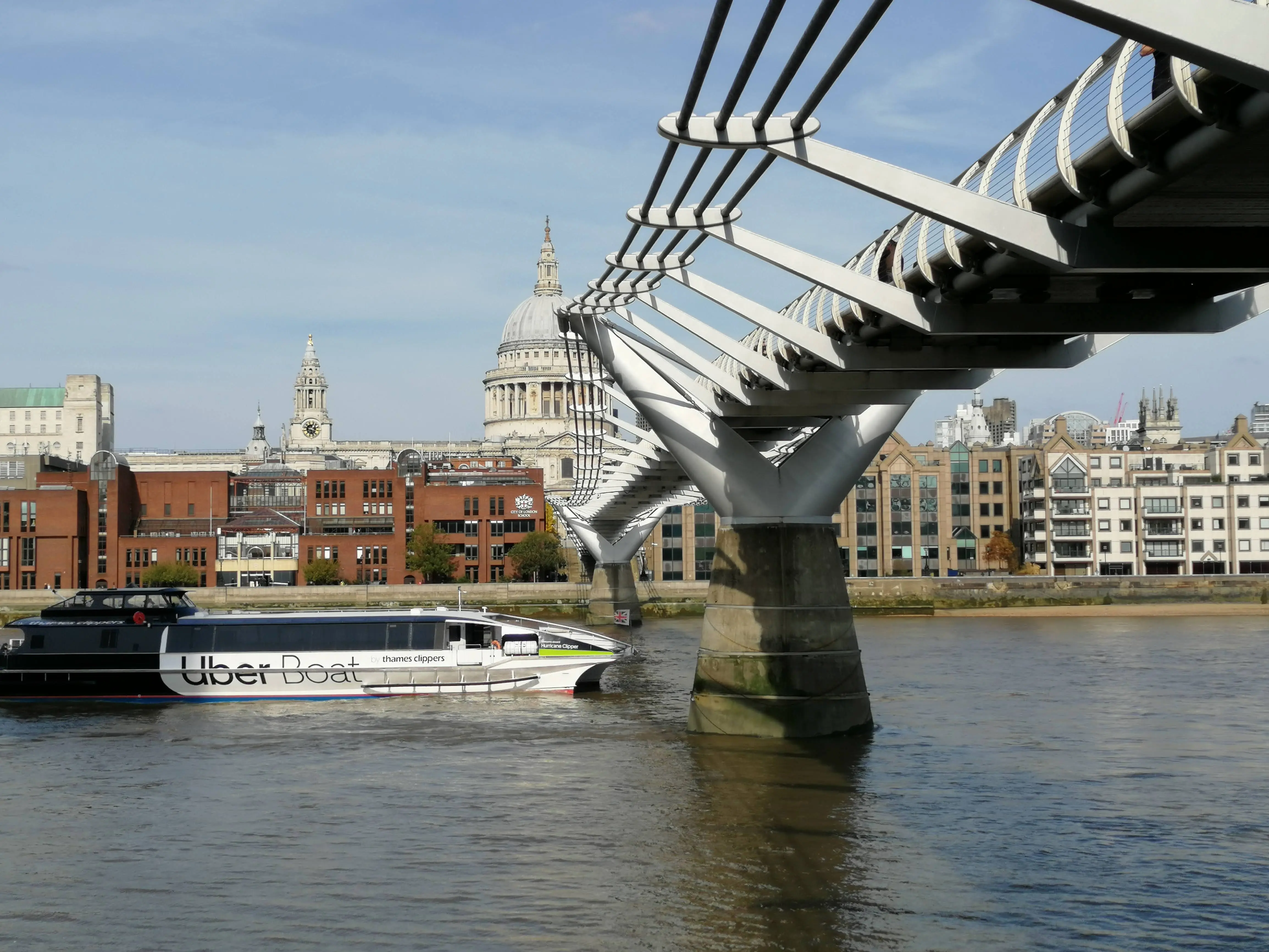
Convergence: Look for where lines meet. A building, street or corridor funneling into a vanishing point.
Layering: Notice the foreground, midground, and background. Shifting your perspective by a single step often reveals these layers.
Spacing: Pay attention to the “breathing room” between objects.
Tension and Balance: Ask if the frame feels stable or precarious. Both are powerful, but the choice should be intentional.
Rhythm: Look for repetition, such as balconies on a facade or lanterns across a street, and decide whether to emphasize or break that pattern.
Step 3: Decide What to Emphasize
You cannot emphasize everything. Decide if you are highlighting the symmetry of the build or the tension of an asymmetrical shadow. This decision dictates where the viewer’s eye will rest.
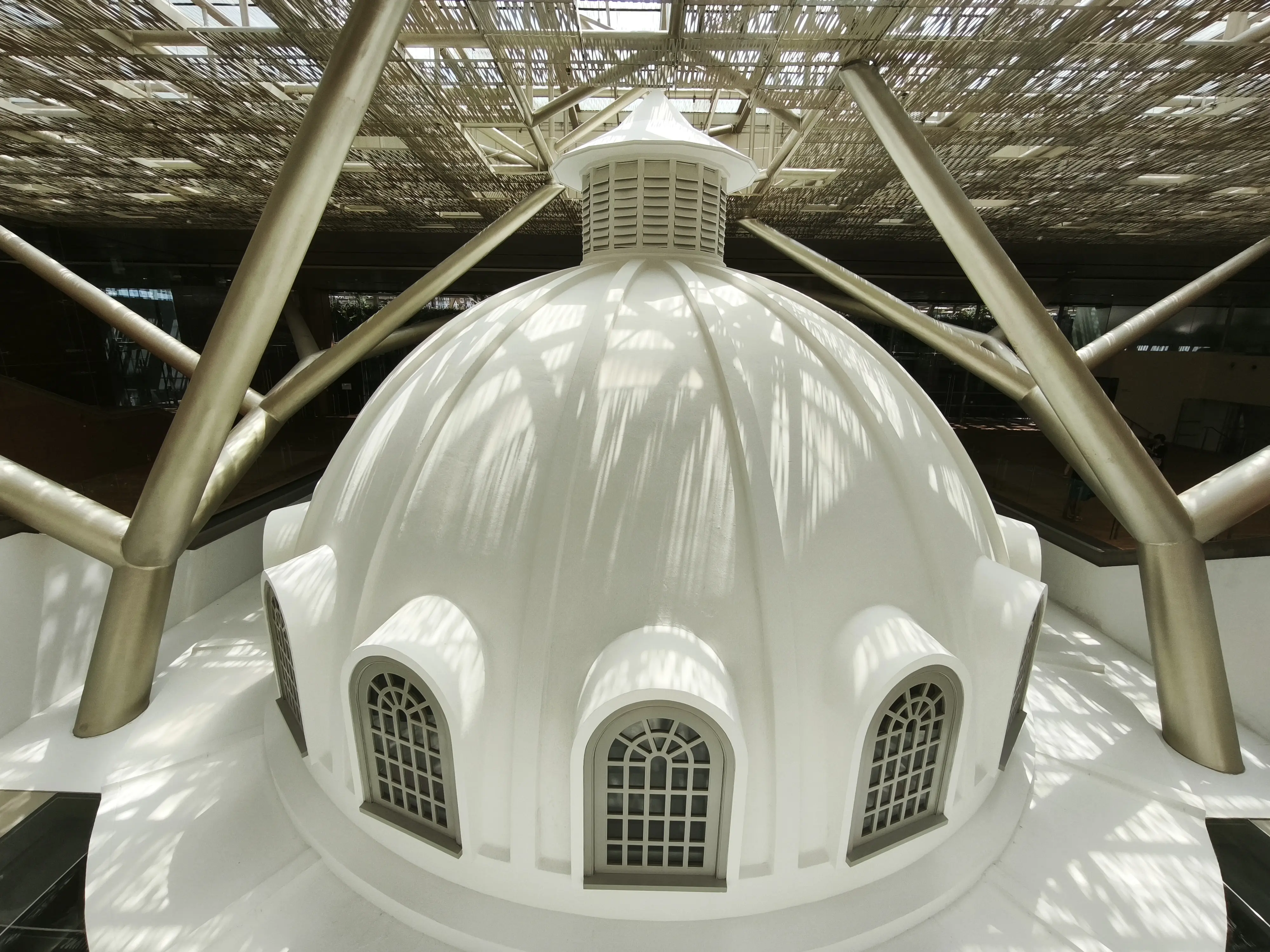
Step 4: Exclude What Breaks the Structure
Subtractive seeing is the architect’s greatest tool. If a stray pipe or a bright exit sign cuts across your dominant line, you must frame it out, block it with another element, or change your position.
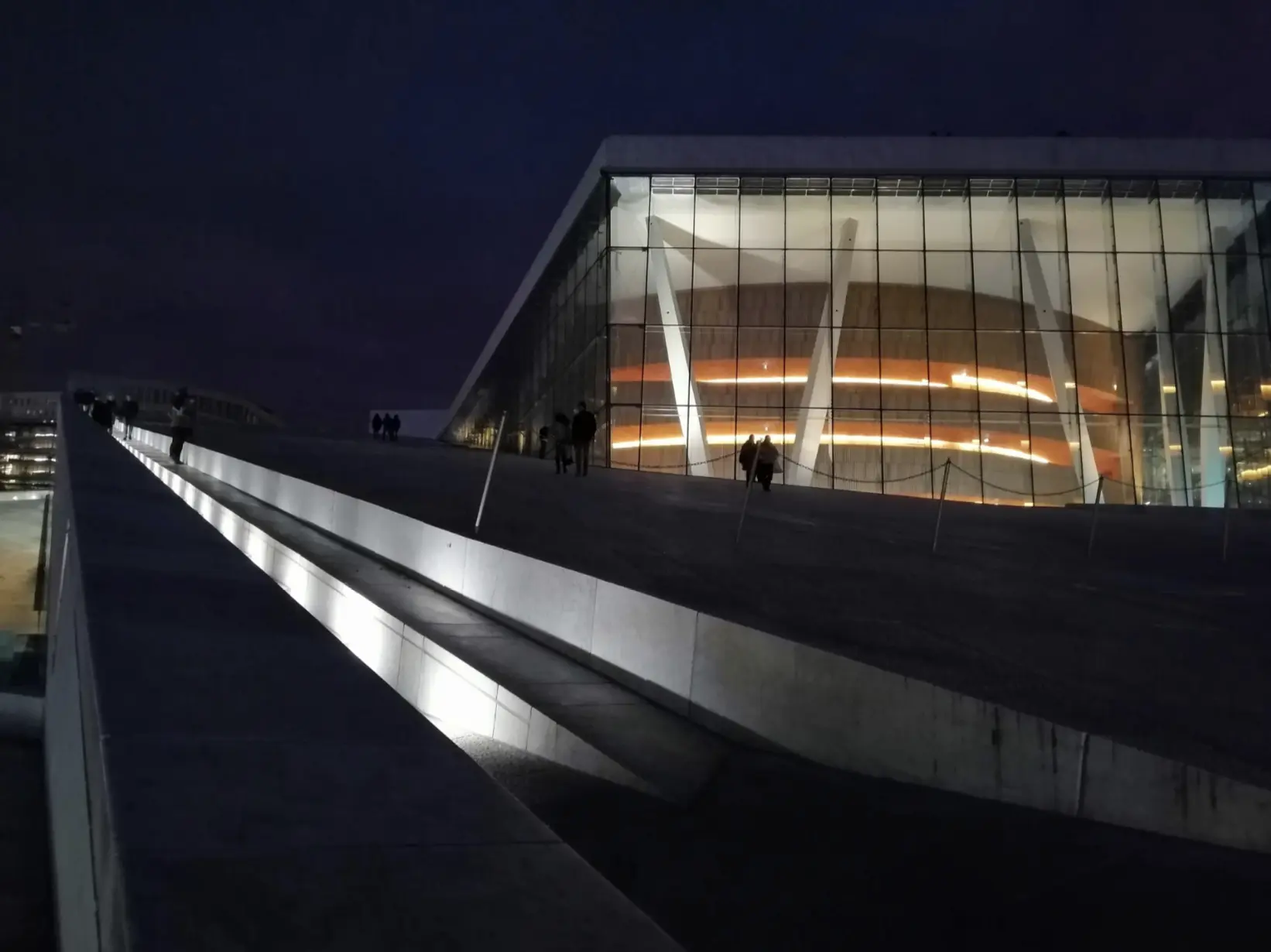
Step 5: Refine Through Position and Perspective
A two-inch shift to the left can align two distant pillars, creating a “closed” shape that stabilizes the entire image. Perspective isn’t just about high or low; it’s about the alignment of edges. Small moves lead to big changes. Align, compress, and reframe until the spatial relationships are precisely defined.
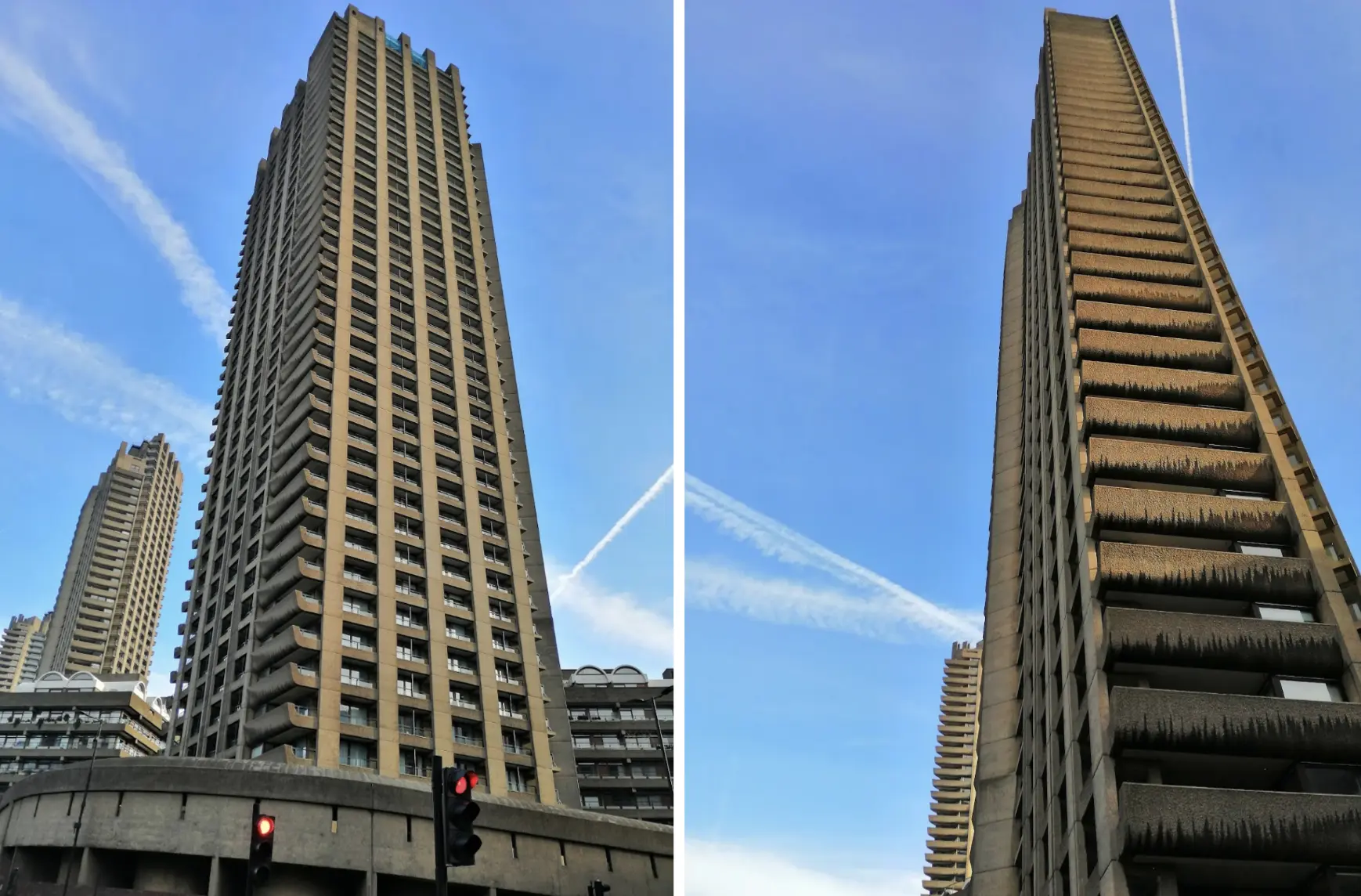
Small moves lead to big changes. Align, compress, and reframe until the spatial relationships are precisely defined.
Behind the Scenes: How the Frame Evolves
The best way to understand this is to watch a frame change in real time. These two examples, both from Hanoi, show the decisions made on the ground: what the scene looked like first, what got subtracted, and the moment the photograph found its own logic.
Example: The Hanoi Old Quarter Shop
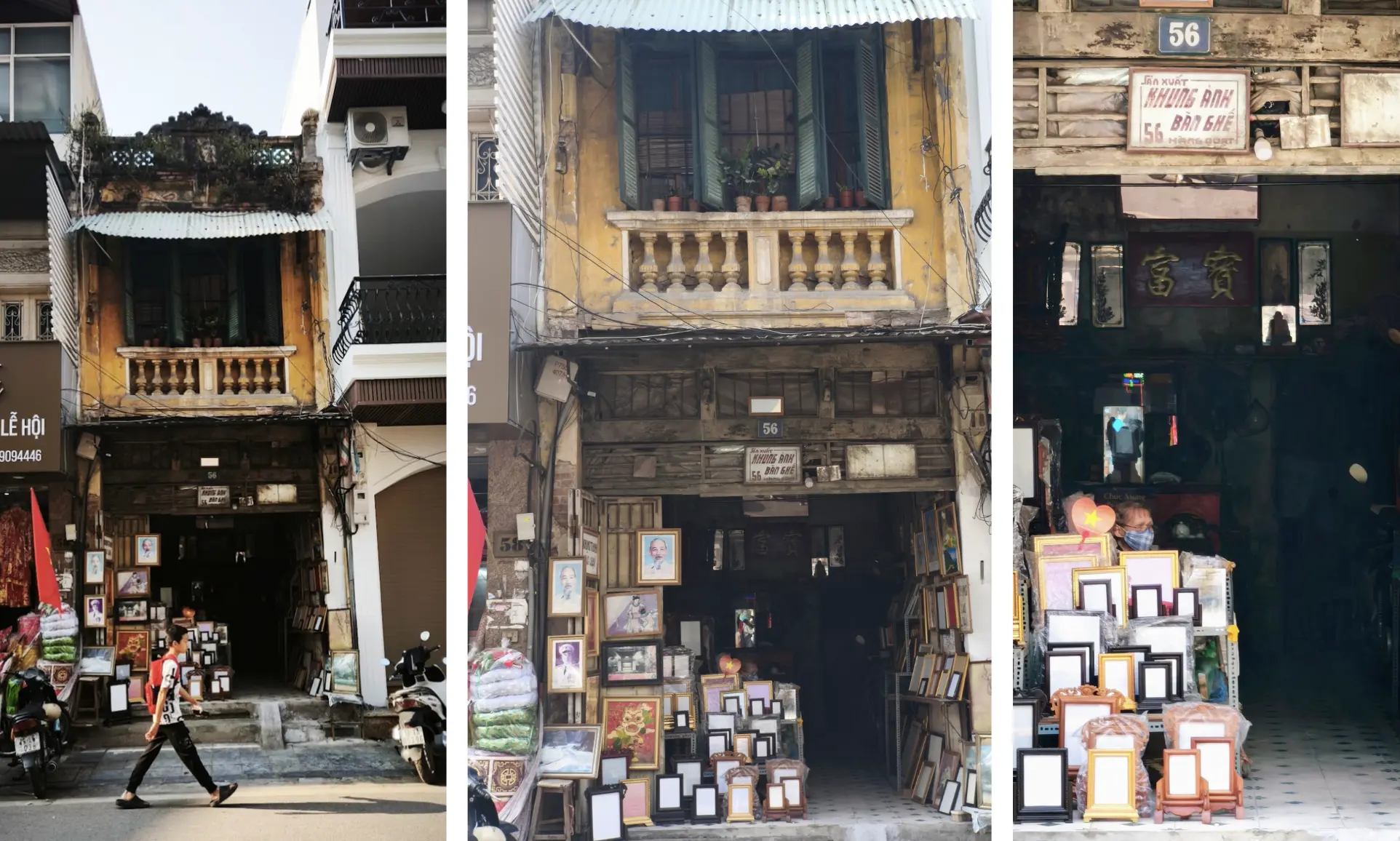
The Initial Scene: A wide shot from the street. A potentially interesting scene, typically charming Hanoian street and architecture, but from this vantage point too many competing /distracting elements and a rather bland resulting photo.
Eliminate Distraction: By moving closer and isolating the shop frontage more, we eliminate much of the distraction, and the photo immediately becomes more about light and dark, texture and details.
The Final Image: If we move in even tighter, the effect is stronger still. The face of the shop owner and the ‘busy’ left side of the frame are in stark contrast to the dark mystery of the interior to the right. With a little tweaking in Photoshop or Lightroom, we can also play with the exposure to reveal a little more of the texture and detail of the interior.
Example: A Frame I Almost Settled For
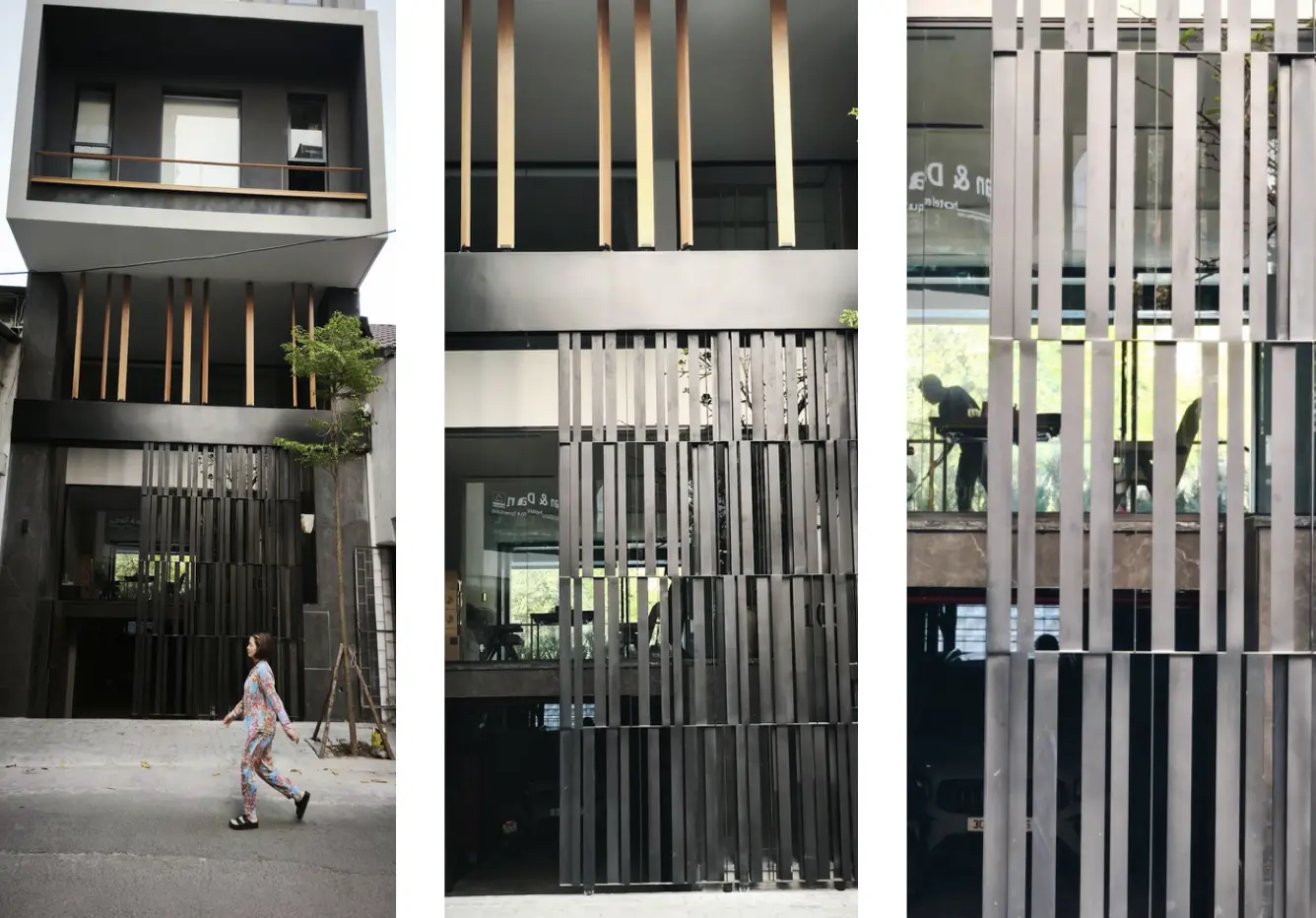
The Initial Scene: So this is an interesting modernist building set in a context of more traditional older Vietnamese buildings. However, the narrow width of the street meant that it was difficult to shoot and capture the full height of the building ( without the perspective distortion parallax that using a wide-angle lens gives).
Subtraction: Embrace the problem (no room to step back, so get closer.) The picture now becomes about the verticality of the composition and the play of light on the vertical shutters. This composition is balanced and broken by the horizontal lines of the floor structure, and then there is a secondary layer hinting at the glazing and interior. But essentially, this photo is now a sort of Mondrian-like composition. An exercise in shapes and lines. Something else was needed to lift it. Overall, not bad, but not great either.
Addition: Fortunately, the answer came along in the form of a cleaner. The figure on the left mopping the floor added both the necessary ingredients of scale and breaking the rigidity of the overall image, with the diagonal of his pose, and literally adding life. This was a happy accident and not something I could set up or control. All I could do was react in the moment and shoot the opportunity.
Closing Reflection: Learning to See Before You Shoot
The most important moment of photography happens before the camera is even turned on. It is the quiet minute spent standing in a space, feeling its weight, and identifying its lines. When you slow down to interpret space, you stop being a tourist of the visual world and start being its architect.
Ready to go further? Explore our complete guide to architectural photography.


