Nature doesn’t judge you – it lets you release and be yourself fully.
Jillian Brown
You can also listen to this episode with Jillian on iTunes, Pocket Casts, Spotify, Castbox, and Google Podcast
Check out our global community platform for photographers and interact with the host, Perrin, gain access to monthly photo contests, discover daily inspiration, and much more!
Interested in contributing? Visit our Supporter page to find out more.
Jillian Brown still remembers the photo that didn’t turn out.
She was ten, holding a yellow Crayola film camera on a family road trip through Canada. The image she tried to capture -a ghostly tall ship breaking through the morning mist- never made it onto film. But it burned itself into her memory. And even now, decades later, she can still see it.
That moment, that missed shot, was the beginning of a promise to herself: never let something like that slip away again.
In this episode, we follow the winding path Jillian has taken from a childhood on Lake of the Woods to the rugged backcountry of British Columbia, where photography became more than a craft, it became a lifeline. From photographing sled dogs to paddling solo across America, Jillian’s work is defined by grit, empathy, and a deep belief in nature’s power to heal.
But her story isn’t just about epic landscapes or first-of-their-kind expeditions. It’s about rebuilding a life from scratch from a tent in the forest. It’s about following a dog through the woods until the noise in your head finally quiets down. And it’s about using photography not just to document adventure, but to honor resilience, in herself, in others, and in the land.
Jillian’s voice is honest and grounded. She speaks as someone who’s lived the stories she tells, with no interest in ego or glamour. And in this conversation, we get to see just how photography has carried her through joy, trauma, growth, and everything in between.
Here’s some of what we get into:
- How shooting dog sled tours taught her to master exposure in seconds
- Why she lived in a tent after leaving an abusive relationship-and how it became the foundation for everything
- The decision to paddle across the United States, and what it really took to document that trip
- Her thoughts on gear, mental health, and why most of her subjects don’t show their faces
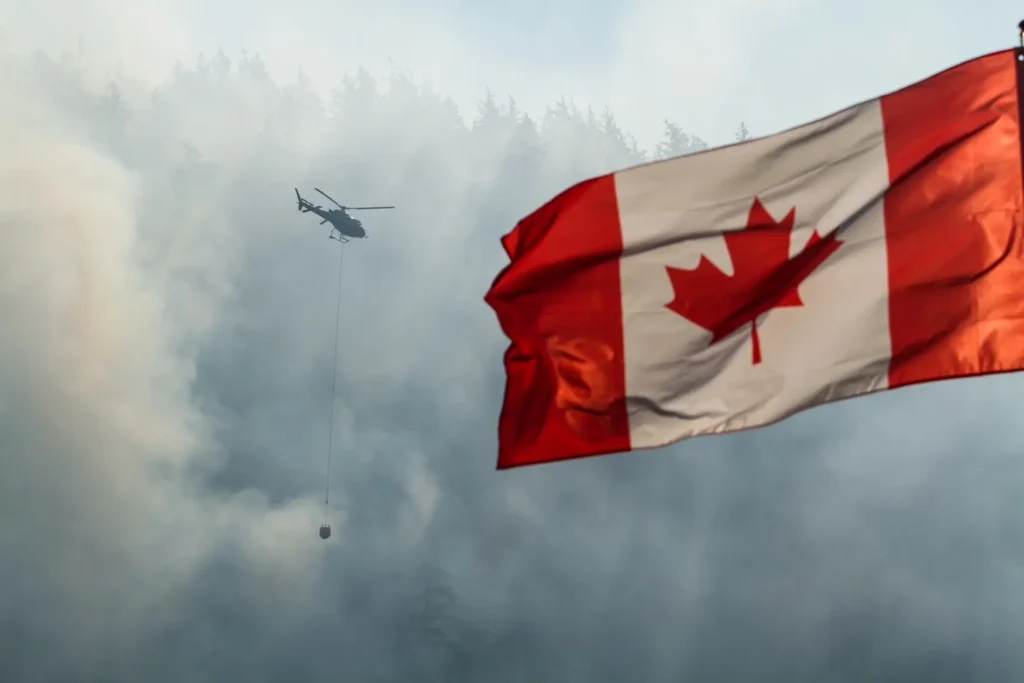
- What it means to photograph community during wildfire season, with ethics and compassion
Whether you’re drawn to nature photography, personal storytelling, or just honest conversations about healing and adventure, this episode is something special.
Enjoy.
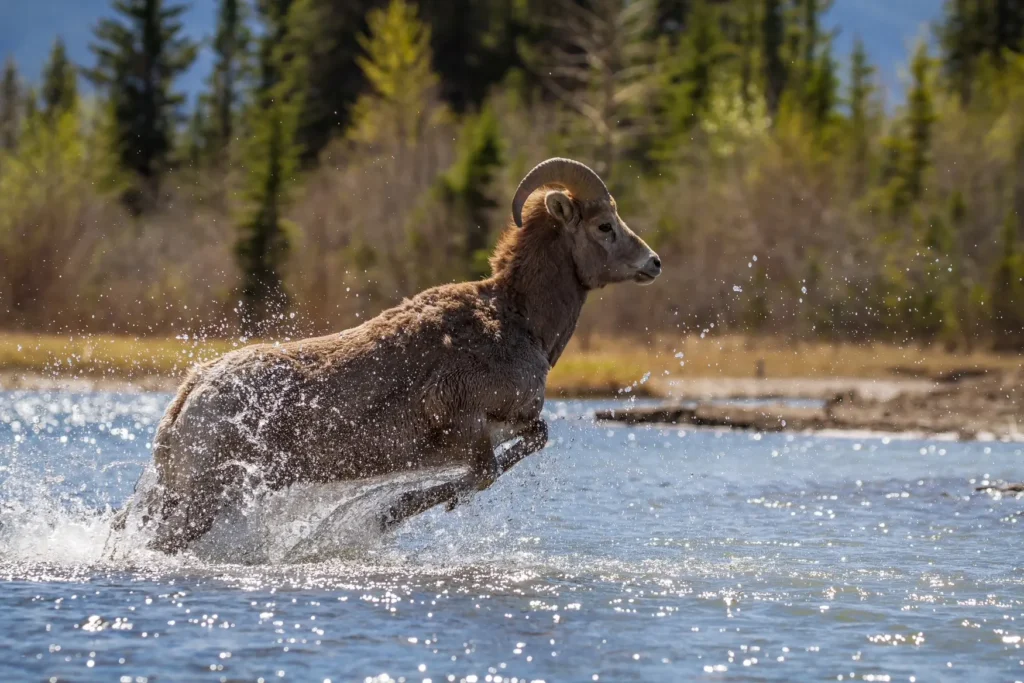
Q: When you think about the person you are in the wilderness, that version of you that only the land, the wilderness, and the elements get to see, who is she?
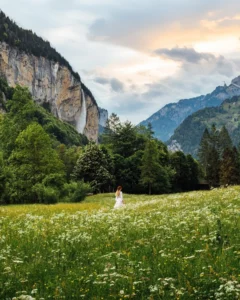
Jillian: I definitely think that I’m truly myself. I think most people are their complete self when fully immersed in the wilderness, especially where there’s no cell service and hopefully no other people. I was raised in a way where being outside and following your passions mattered more than devices. Nature doesn’t judge you – if you’re struggling or emotional, you can just be, and feel safe doing so. For me, it’s the place where I can fully release and just be who I am.
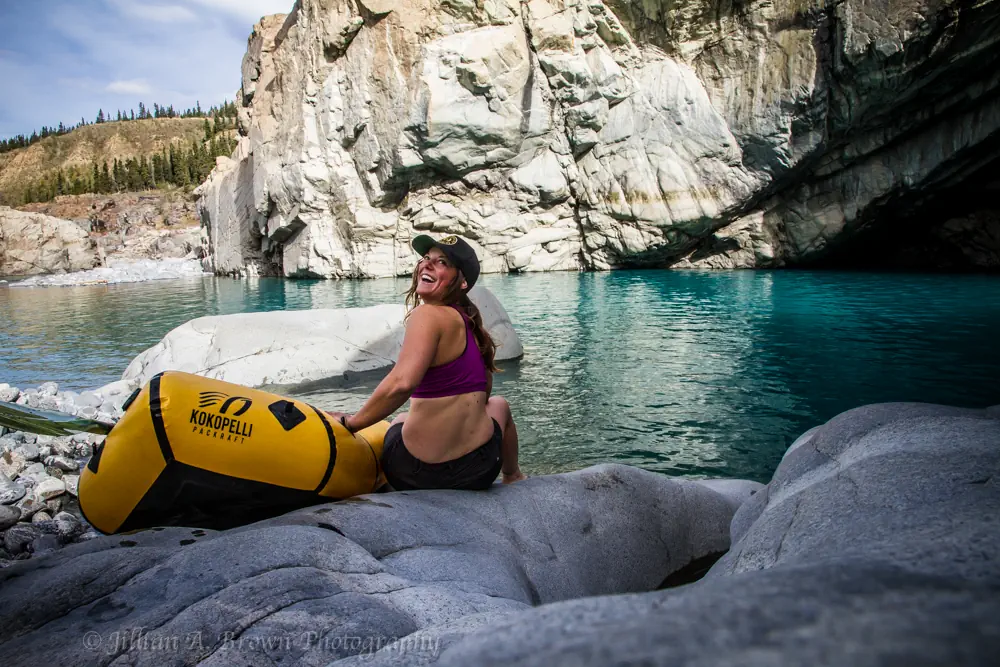
Q: How did photography serve you in that time as an emotional outlet or maybe an anchor during the challenging chapter in your life?
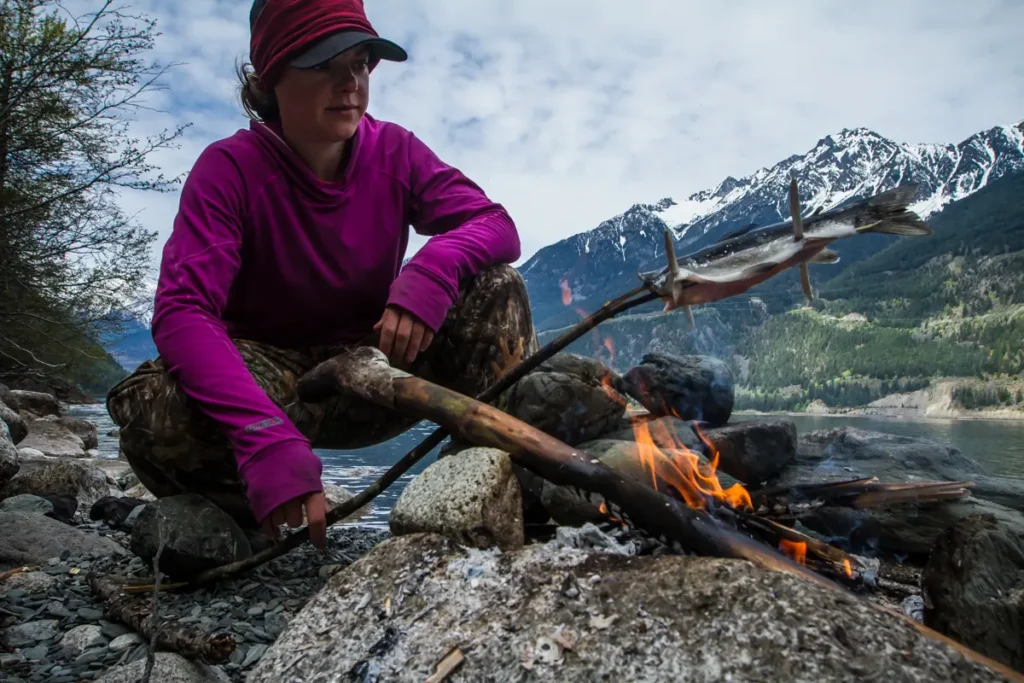
Jillian: At first, living in a tent was terrifying. I had PTSD and felt completely alone. But then I started following my dog into the woods each day, and I wasn’t thinking about my trauma – I was just in the moment, curious about what she was following. That presence helped me sleep again. Eventually, I began documenting my days and even started bathing in the same river I once contemplated suicide in. Photography came back slowly, but it became a way to heal, to reconnect to my passions, and to find consistency.
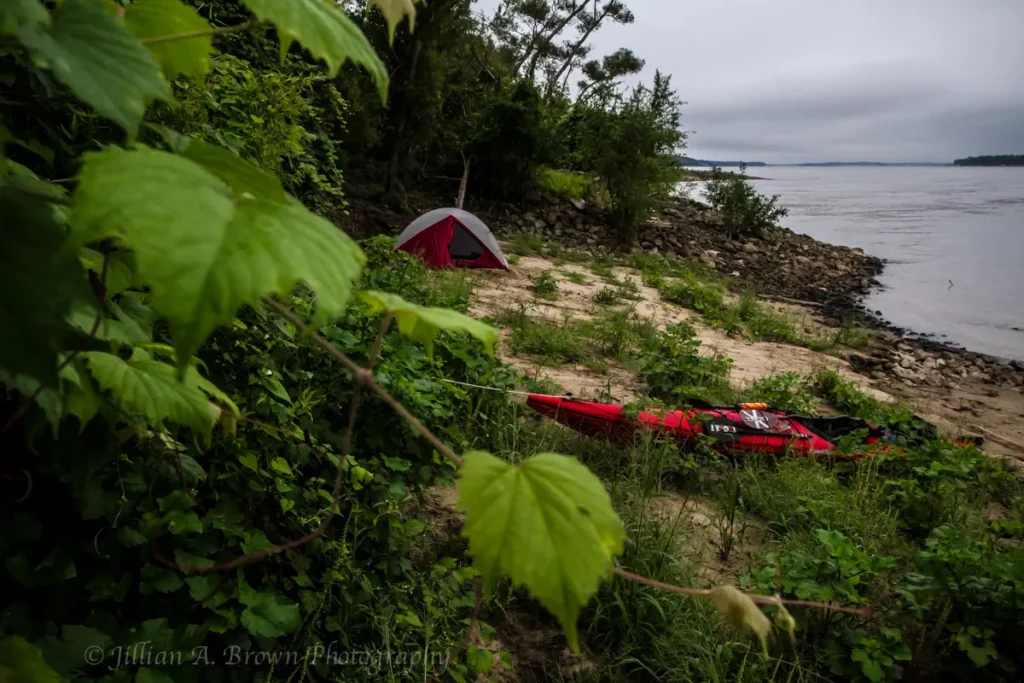
Q: How did you prepare photographically for paddling across the United States?
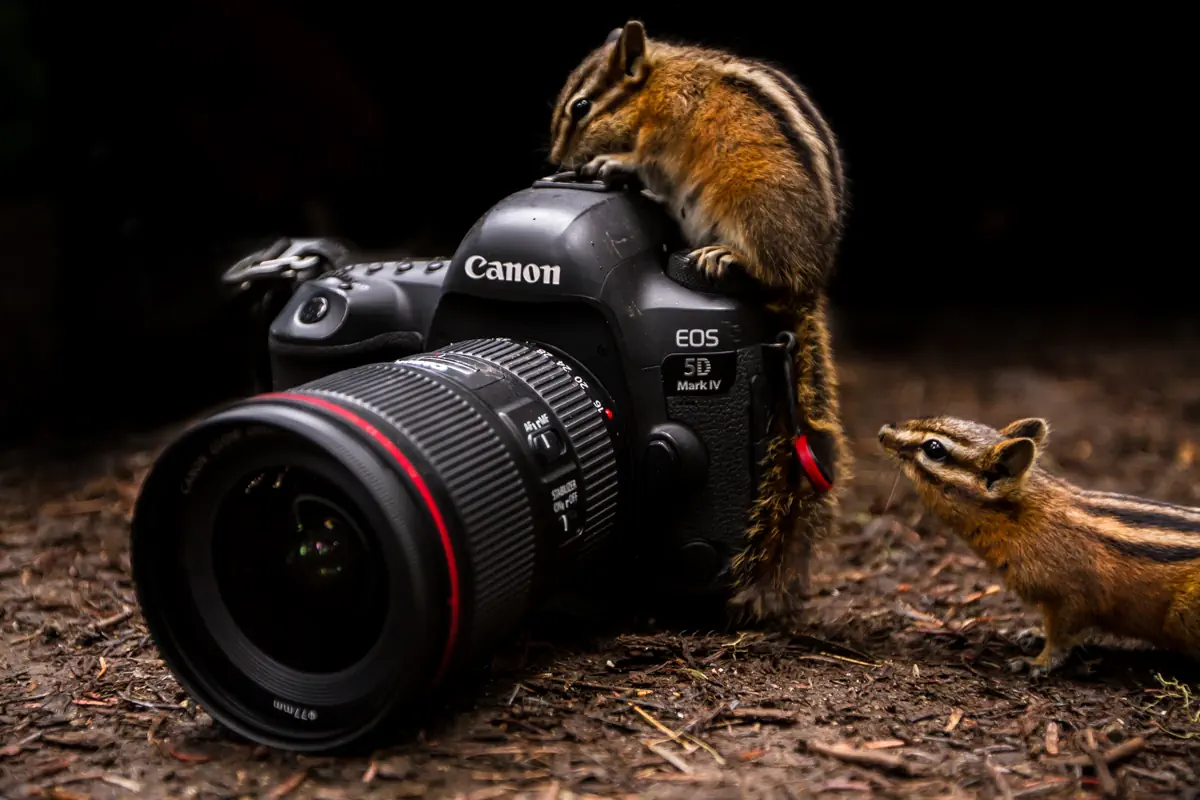
Jillian: I was actually brought in about a month before the trip, so prep time was short. I had old gear and some sponsorships, so I ended up bringing three Canon 7D bodies, knowing one might fail, and one did. I packed my gear in Pelican cases and later switched to dry bags for my kayak. It was all about being ready to grab the camera whenever I could. Sometimes, I couldn’t stop paddling because of currents or safety, so I had to evaluate constantly whether it was worth the risk to get a shot.
🔗 Connect with Jillian Brown
🧭 What We Talked About
🎼 Early Journey / Origins
- Jillian grew up on an island on Lake of the Woods in Northwestern Ontario, surrounded by wildlife and wilderness – a formative place she still considers the origin of her true self.
- A cross-country road trip at age 10, and a Crayola yellow film camera, ignited her passion for photography. One missed shot of a tall ship in the fog still lives vividly in her memory and became the emotional catalyst for her photographic journey.
- By age 12, she was working in a darkroom, and her parents supported her artistic inclinations by enrolling her in top art and design programs, even shifting schools to nurture her creative growth.
📖 Philosophy / Vision / Storytelling
- “Nature doesn’t judge.” Jillian describes the wilderness as a space of truth and emotional safety, a place where her most authentic self emerges.
- She embraces photography not just as visual storytelling but as emotional healing—both for herself and her audience.
- Her work often avoids showing faces in expedition photos, making the viewer the protagonist: “If you can’t see a face, you can more easily put yourself in that image.”
- Jillian reframes the idea that “ordinary people do extraordinary things” into “extraordinary people realize they can do these things.”
📷 Tools, Gear, and Behind the Scenes
- Shoots with Canon 7D bodies – despite their age and low megapixel count – because her focus is on story and emotion, not specs.
- Often works in Aperture Priority to capture fleeting action in fast-paced environments like sled dog races or on the water.
- Uses Pelican cases, NRS dry bags, and GoPros during expeditions, and chooses gear based on reliability over trendiness.
- Shoots JPEG in harsh conditions, particularly in her early career photographing snowmobile and dog sledding tours, which taught her fast, intuitive exposure control.
🔁 Practice, Teaching, Platforms
- Jillian documents everything from major expeditions to local wildfires, often integrating personal writing with her images.
- Hosted family and portrait sessions to sustain herself financially and technically, even when her passion was rooted in nature and adventure.
- She’s been active in education and healing spaces, previously serving as CEO of a camp for first responders, veterans, and at-risk youth.
- Engages in ongoing public speaking and community storytelling initiatives – especially around PTSD, resilience, and creativity as therapy.
💬 Advice, Creative Strategy, or Challenges
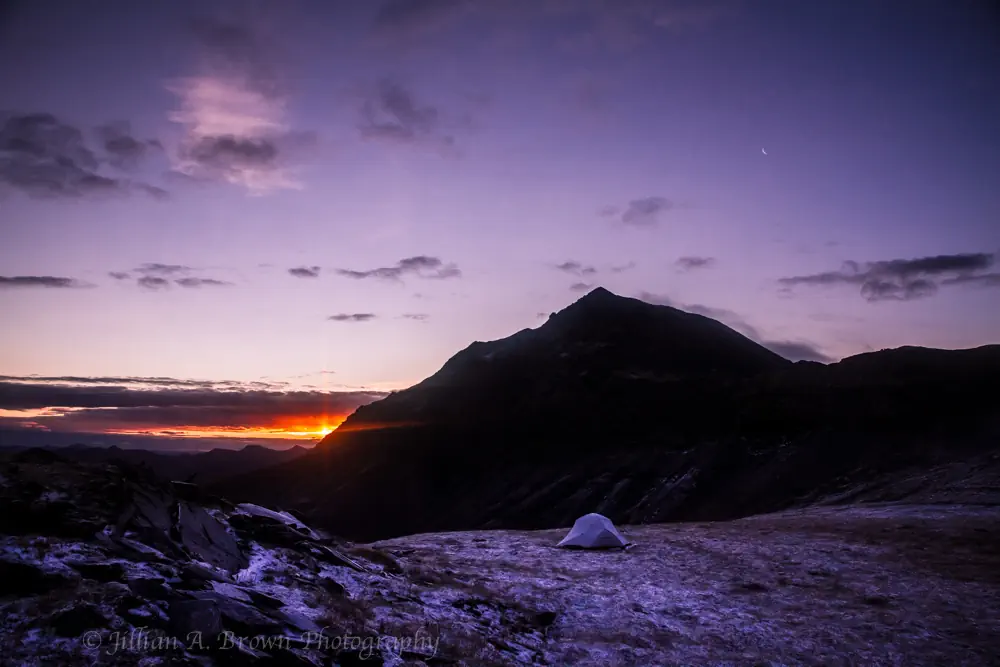
- After leaving an abusive relationship and becoming homeless, Jillian lived in a tent in the forest. Her camera, dog, and connection to nature became anchors for rebuilding her life.
- Developed a healing practice of daily face-washing or bathing in fresh water – often featured in her stories – as a form of self-discipline and mental health ritual.
- Encourages artists to photograph everything and take on all types of work: “Even if you don’t want to do portraits, try it – you’ll learn what you like and what you don’t.”
- Recommends revisiting university photo assignments and small creative prompts to break through ruts.
🌍 Influences, People, Brands, or Places
- Collaborated with brands like NRS, Pelican, Fjällräven, and MEC for her expeditions.
- Co-paddled the Colorado River through the Grand Canyon in a tandem sea kayak with Jamie Sharp, and later became the first Canadian woman to paddle across the United States.
- Her coverage of the Dryden Creek wildfire near Squamish went viral, picked up by BBC and other outlets for its raw documentation of community resilience.
- Partnered with the Deeper Roots Foundation, which brings veterans and first responders on photo safaris in South Africa for PTSD recovery.
🔮 What’s Next for Jillian
- Stepping into more public speaking, conferences, and educational initiatives – using her story to empower others.
- Continuing to shoot wildlife and wilderness in British Columbia while adapting her practice as a full-time caregiver for her husband.
- Dreams of returning to expedition work and exploring new long-form photojournalism projects with deeper human and environmental narratives.