As long as there are places to explore, I’ll keep going.
Paulie Marechal
You can also listen to this episode with Paulie on iTunes, Pocket Casts, Spotify, Castbox, and Google Podcast
Check out our photo community and interact with the host, Perrin, gain access to monthly photo contests, discover daily inspiration, and much more!
Interested in contributing? Visit our Supporter page to find out more
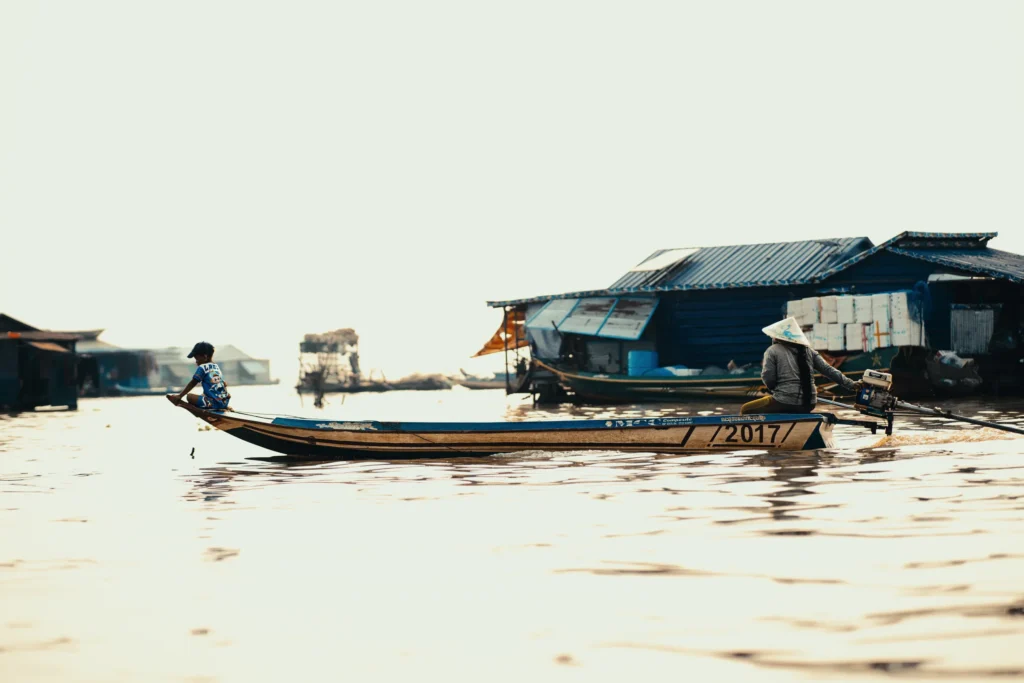
Paulie Marechal was fifteen when he turned his family bathroom into a darkroom.
There were still boxes of free microphones lying around from his brief YouTube “career”-a gaming channel that somehow attracted sponsors-but now the shelves were stacked with developer chemicals instead. The red light glowed behind a locked door. Rolls of film were ruined, again and again. And somewhere in the middle of all that trial and error, Paulie stopped caring about video games entirely.
Photography didn’t arrive in his life as a lightning bolt. It crept in slowly. A camera he bought to make better YouTube videos ended up being used for something else entirely. Within months, he’d abandoned the idea of being on screen and fallen headfirst into making images instead. Portraits first. Then film. Then Soviet lenses ordered online just to see what they would do.
What strikes you about Paulie isn’t just the work, it’s the way he thinks about it. At 24, he talks about Sol Leiter and Kodachrome like someone who’s spent decades studying the craft. He references Impressionist painters (his grandfather was one), film stocks, and the limitations that shaped early color photography. His images feel deliberate but not overworked. He doesn’t polish the life out of them. He lets the environment breathe.
That philosophy has carried him far, sometimes further than expected.
He moved to Ireland at 18 with little more than determination and talked his way into a studio job after being told no. He learned the business side of photography on the fly: client communication, lighting setups, accounting, adapting to whatever walked through the studio door. Later, he packed a bag and headed to Southeast Asia, eventually staying in Cambodia for nearly a year. What was supposed to be two weeks turned into ten months.
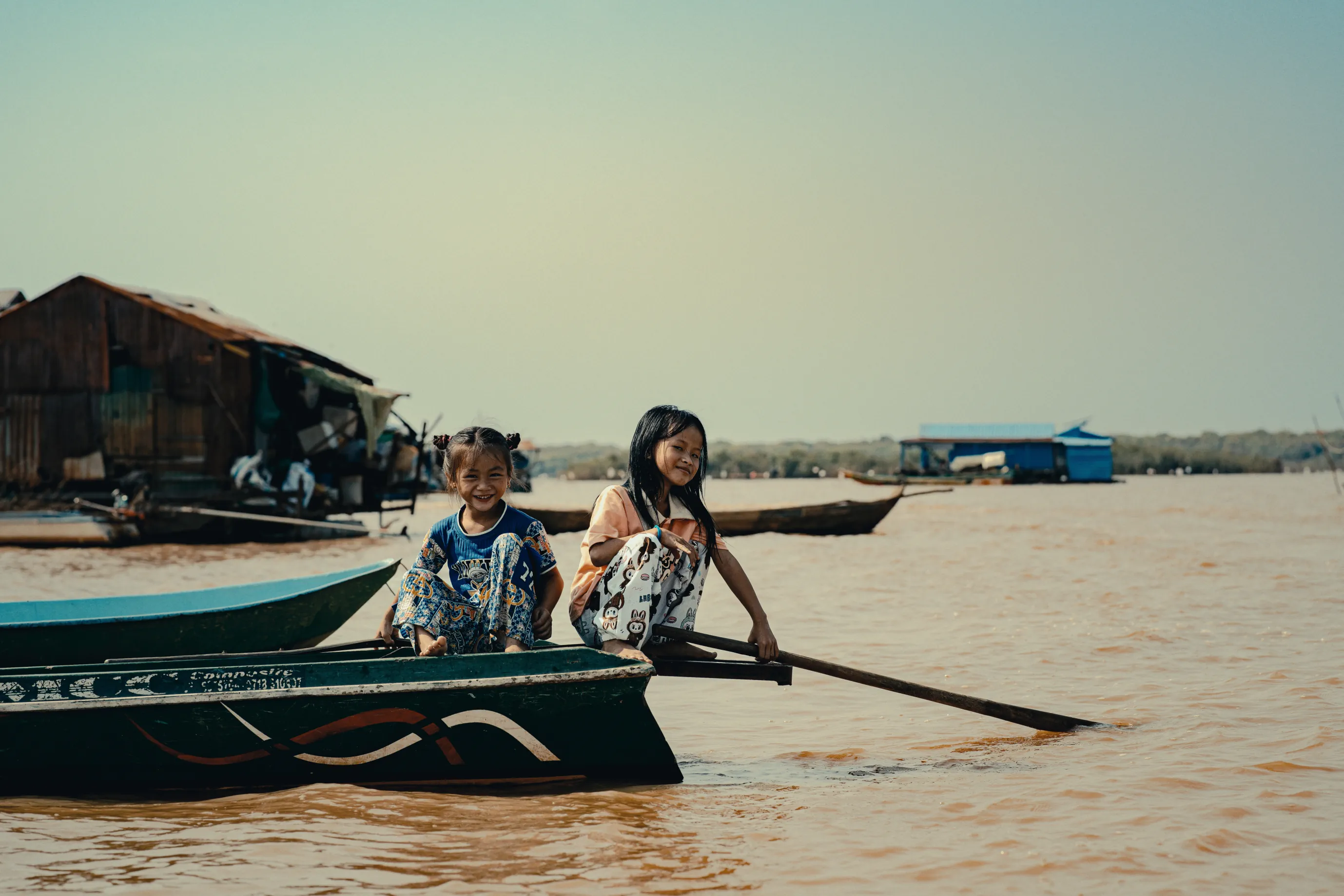
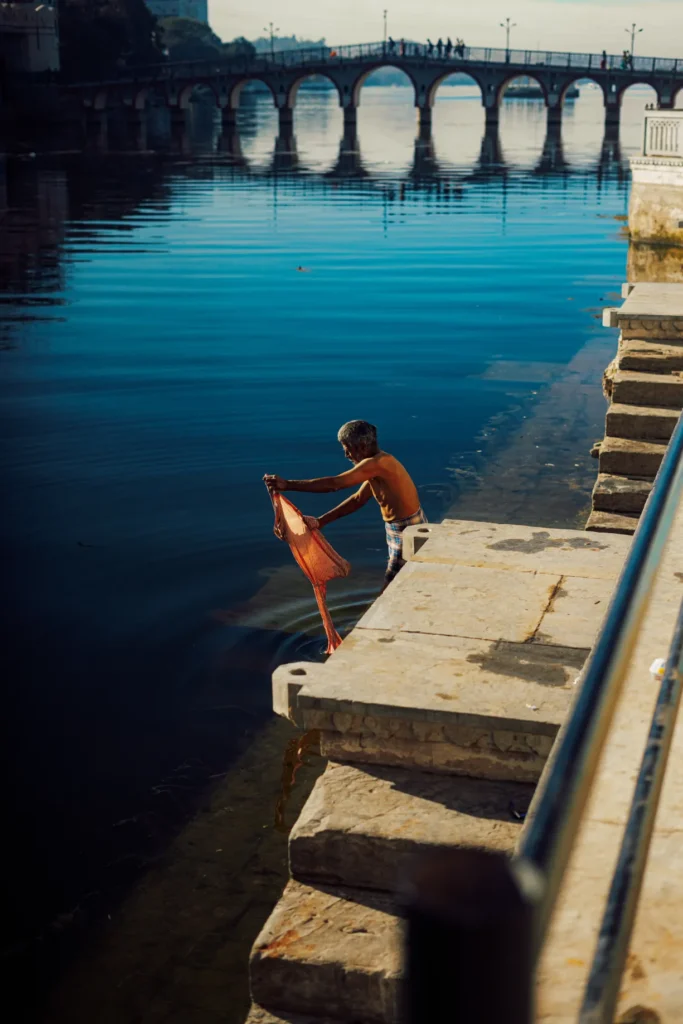
Along the way, he’s photographed floating villages on Tonlé Sap Lake, worked in nightclubs while underage (with permission), been humbled by India after booking a plane ticket on a dare, and found himself navigating situations that would make most of us book the next flight home. Through all of it, one thing remains consistent: he adapts. “Walk or die,” as a friend once told him. Keep moving forward.
In this episode, we talk about how discomfort sharpens creativity, why he prefers one great image over a thousand decent ones, and how trust, not technique, is the real foundation of portrait work. We also dive into books, fantasy novels, dyslexia, rebellion, and why sometimes the best way to reset creatively is to stay within photography, but change the facet of the diamond you’re exploring.
Here’s some of what we get into:
- How a teenage YouTube channel (and a pile of free microphones) accidentally launched a photography career
- Why early color photographers like Sol Leiter still influence his editing today
- The importance of earning trust before raising your camera-especially in travel and portrait work
- What India taught him about ego, overstimulation, and creative growth
- How reading fantasy novels helps reignite his desire to explore and create
- His plans to document Cambodia’s floating communities as a long-term fine art series
Paulie brings a rare mix of curiosity, humility, and quiet intensity to this conversation. He’s still early in his journey, but it already feels like he’s lived several creative lives. Enjoy the episode.
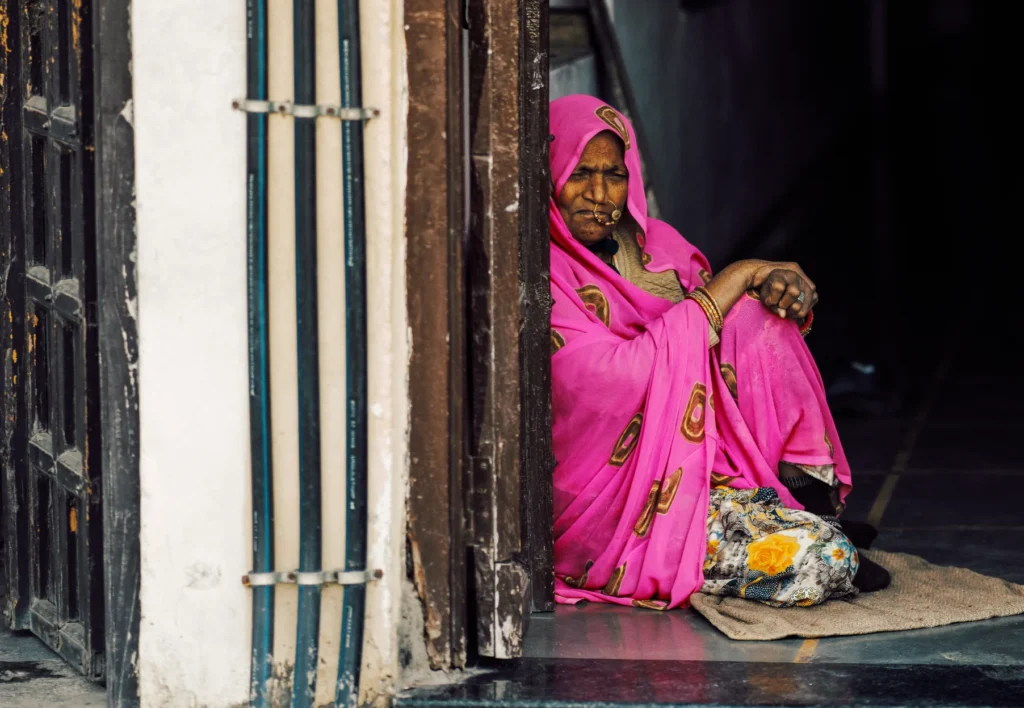
Q: Can you tell me what kind of first drew you into photography and then how that passion kind of shaped who you are now?
Paulie: It’s a funny story – it’s a very Gen Z story. When I was a teenager, all my friends and I had YouTube channels. I had a gaming channel that was actually doing pretty well, and companies started sending me merch to review. I saved up my money and bought my first camera, a Panasonic G6, thinking I’d use it for video. But once I had it, I started experimenting with photography, and within six months I completely abandoned the idea of making gaming videos. I stopped playing video games and became fully obsessed with photography. It was a slow, gradual burn, but it seeped into my life. I even converted my bathroom into a darkroom and started developing film at 15. It wasn’t great for my academics, I skipped classes to take photos, but I don’t regret anything. That’s really how it all started.
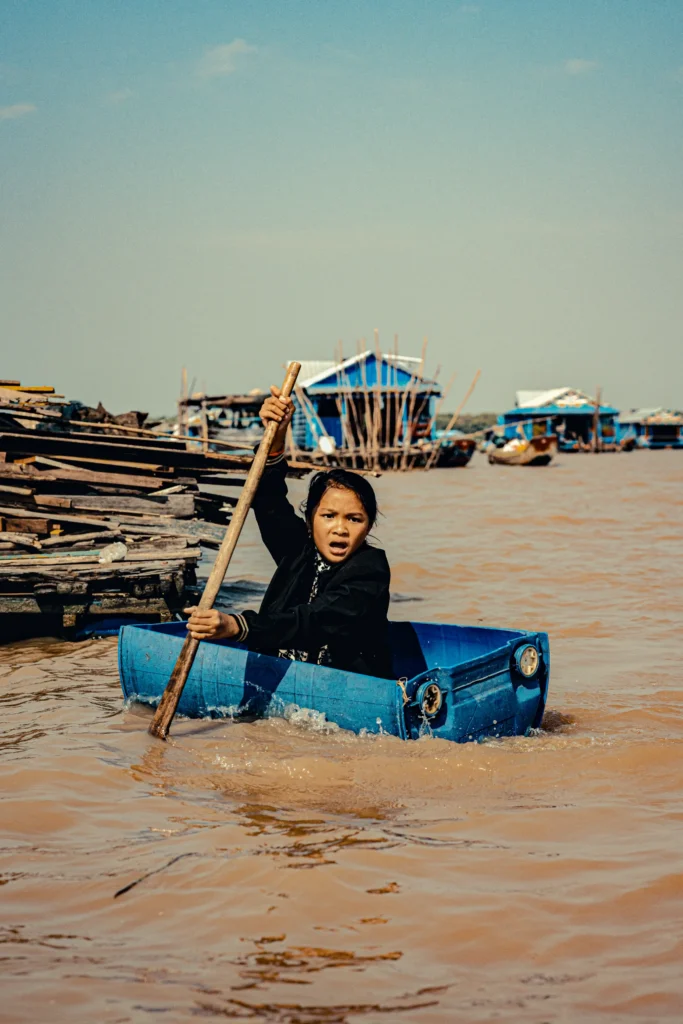
Q: How do you build that trust with the people that you’re photographing during a shoot, especially when you’re aiming to create something that’s not just look good, but very personal and meaningful to that individual?
Paulie: There are multiple ways. For travel photography, one of the best pieces of advice I was given is to not use my camera for an extended period of time, or not even bring it at first. I get to know the people without the camera so they get used to me as a person. Once there’s good communication, then I take the camera out, and it feels much less intrusive. With clients, I try to be myself to an extreme, almost like a caricature of myself. I’m quite goofy, I’ll have snacks on set, and I don’t take myself too seriously. I think when people see that you’re relaxed and authentic, they get comfortable. That comfort is what creates the trust and allows for more personal, meaningful images.
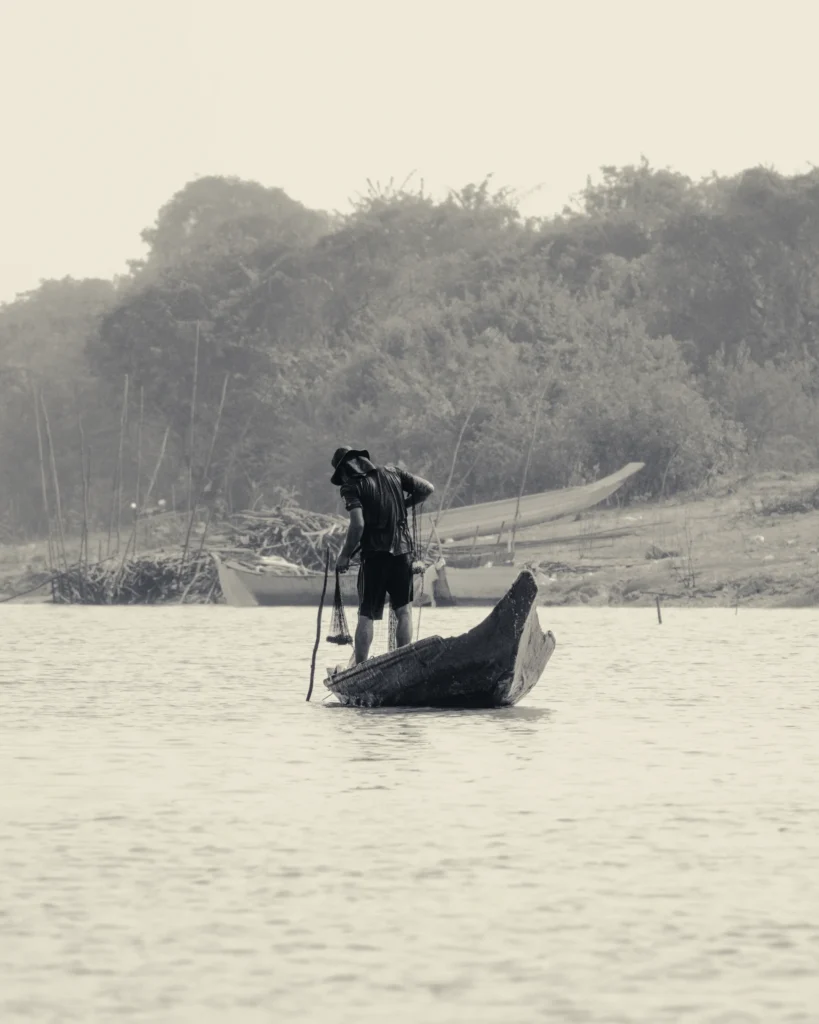
Q: What’s been keeping photography interesting for you lately?
Paulie: So for me, lately, I’m always interested in some element in photography because I see photography kind of like a diamond with multiple facets. The most boring thing for me is editing, I don’t really like editing that much. So if I’m bored with editing, I navigate more toward film. And if film is boring me, then I experiment with vintage lenses I buy on eBay, like Soviet lenses, or even cyanotypes. There’s always something to do, so I never really get bored. Right now, I’m especially inspired by photographers of the ’50s and ’60s, like Sol Leiter and Ernst Haas, and how they experimented with early color photography within the limitations of their time.
🔗 Connect with Paulie
🧭 What We Talked About
🎼 Early Journey / Origins
- Paulie’s photography journey began in the most Gen Z way possible – running a gaming YouTube channel as a teenager.
- After saving for a Panasonic G6, he discovered that what truly captivated him wasn’t video production, it was photography.
- Within six months, he abandoned gaming entirely and became obsessed with taking photos.
- At 15, he converted his family bathroom into a darkroom, teaching himself to develop film (and ruining more than a few rolls in the process).
- His parents were understandably confused – first the piles of microphones from brand deals, then chemical stabilizers and red lights.
- Portraits were his earliest subject. Photographing people made him “cool” in high school – and helped shape his fascination with the human condition.
- Academically, he struggled due to dyslexia, and traditional university wasn’t an option. Instead, he pursued education through experience.
- After moving alone to Ireland at 19, he secured a job as a studio assistant in Cork by sheer persistence, asking for one hour to prove himself.
- He quickly rose to full-time photographer status, learning not just lighting and technique, but the realities of client communication, accounting, and professionalism.
📖 Philosophy / Vision / Storytelling
- Paulie’s visual approach is intentionally minimalistic, inspired by early 20th-century masters and film color palettes.
- He avoids over-editing: “I don’t really add a color that’s not there.”
- Influenced by painters like Claude Monet, Impressionism informs his sensitivity to color harmony and luminance.
- He sees photography as “a diamond with many facets” – when one aspect feels stale, he pivots to another (film, vintage lenses, cyanotypes, landscape, macro).
- Rather than chasing volume, he aims for one powerful image – especially as a print-focused photographer.
- He’s drawn to photographers like Saul Leiter and Ernst Haas, admiring how early color photographers worked within strict limitations (ISO 64, slow shutter speeds) to create painterly results.
- The process matters more than the shot. If he trusts the process, the image will follow.
📷 Tools, Gear, and Behind the Scenes
- First camera: Panasonic G6 (pre-4K era), originally purchased for YouTube.
- Early experimentation included Soviet vintage lenses and self-developed film.
- Continues shooting film alongside digital – especially for personal work.
- Fascinated by historic processes like wet plate collodion, valuing craftsmanship and chemistry behind the medium.
- Uses minimal editing and bases color grading on established film stock palettes.
- Prefers intentional shooting over “spray and pray,” especially in documentary environments.
- Deeply print-oriented – favors large-format, high-impact prints, particularly Fujiflex / Fuji Crystal prints for gallery work.
🔁 Practice, Teaching, Platforms
- Learned photography through hands-on experience, not formal education.
- Studio work in Ireland taught him the importance of:
- Reading emotional cues
- Adapting to different personalities
- Managing sensitive shoots (including photographing individuals with disabilities)
- Builds trust first – especially in travel work – often putting the camera away until a relationship is formed.
- Adjusts direction style depending on personality:
- Shy subjects → more guidance
- Confident subjects → collaborative approach
- Emphasizes intuition – reading posture, energy, eye contact – as essential to portrait work.
- Balances artistic vision with client expectations by asking a million questions upfront.
💬 Advice, Creative Strategy, or Challenges
- “Walk or die” (marche ou crève) – adapt or stagnate.
- Discomfort fuels growth. Some of his most transformative experiences came from unstable, uncertain environments.
- In India, he traveled impulsively on a dare and was humbled by overstimulation and cultural intensity – a formative creative challenge.
- In Cambodia, he dealt with passport confiscation and even proximity to military conflict — yet stayed, documented, and grew through the experience.
- Abandon expectations. They’re often the root of disappointment.
- When uninspired, don’t leave photography – change facets (macro, landscape, new process).
- Creativity also reignites through:
- Painting
- Writing
- Reading high fantasy like The Lord of the Rings
- Travel memoirs like Jack Kerouac’s On the Road
🌍 Influences, People, Brands, or Places
- Painters: Claude Monet
- Photographers: Saul Leiter, Ernst Haas
- Books & Literature:
- The Lord of the Rings
- On the Road
- Countries that shaped his vision:
- Cambodia – especially Tonlé Sap Lake
- Vietnam (Hanoi)
- India
- Indonesia
- Deep fascination with color theory across cultures – noting even regional paint regulations influence vibrancy and atmosphere.
- Drawn to environments where the human story intersects with place.
🔮 What’s Next for Paulie
- Transitioning toward fine art and documentary series work.
- Planning a return to Tonlé Sap Lake in Cambodia to create a cohesive body of work about floating, nomadic communities.
- Interested in creating curated collections rather than standalone images – work designed specifically for galleries.
- Continuing to explore storytelling through both photography and literature.
- Above all, remaining open: new mentors, new cultures, new techniques, new ways of seeing.