Photography at its best is contemplative, quieter, thoughtful, meditative, and slower.
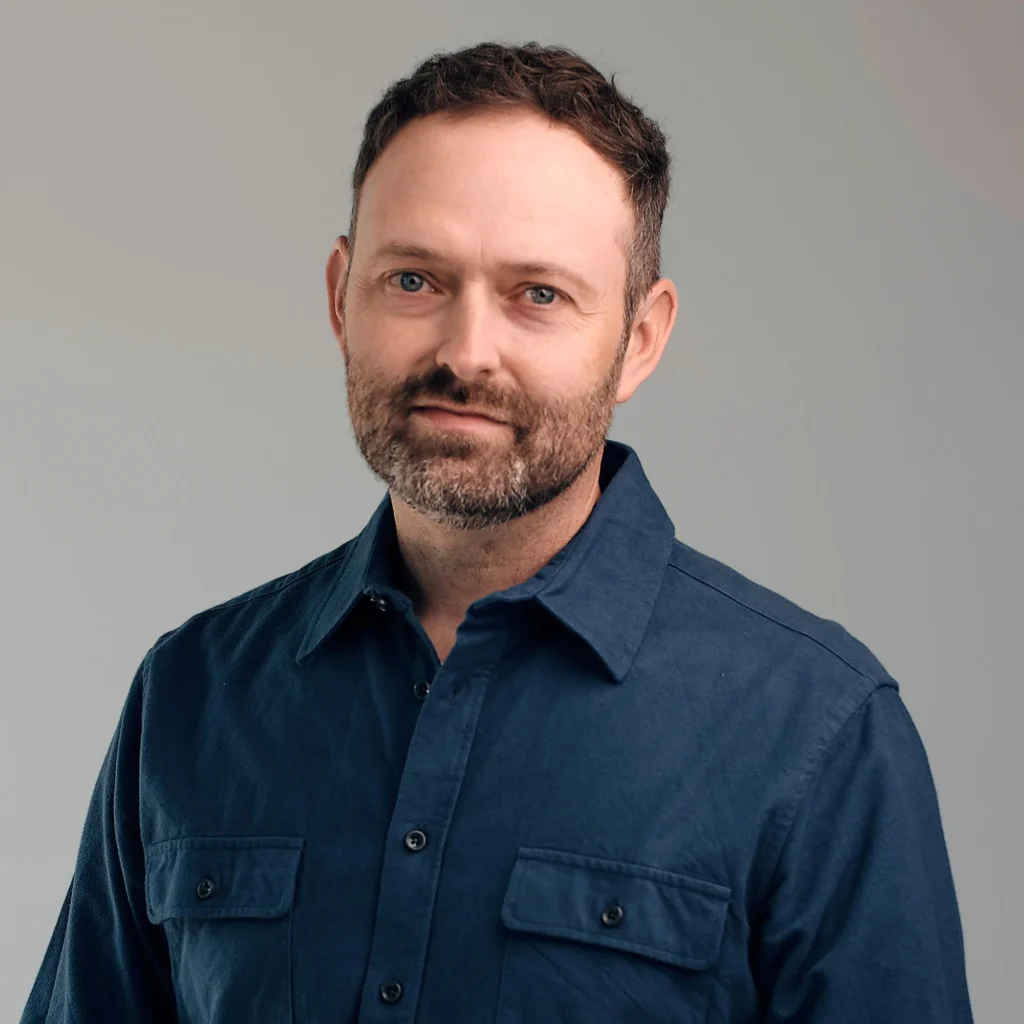
Michael Howard
You can also listen to this episode with Michael on iTunes, Pocket Casts, Spotify, and Castbox.
Connect with fellow photographers and interact with the host, Perrin, gain access to monthly photo contests, discover daily inspiration, and much more!
Built by photographers. Shaped by you.
We are building a new home for photographers, a platform that does not sell your portfolio, bury your shots, or tell you what to shoot next. You do. Community, podcast, Prime Classes, and a pro listing service on the way, all shaped by the photographers who use it.
Joining is completely free until December 2026. After that, a free layer stays for everyone, so you keep access either way.
Become a beta testerInterested in contributing? Visit our Supporter page to find out more
Somewhere around 2018, Michael Howard had a thought that kept nagging at him.
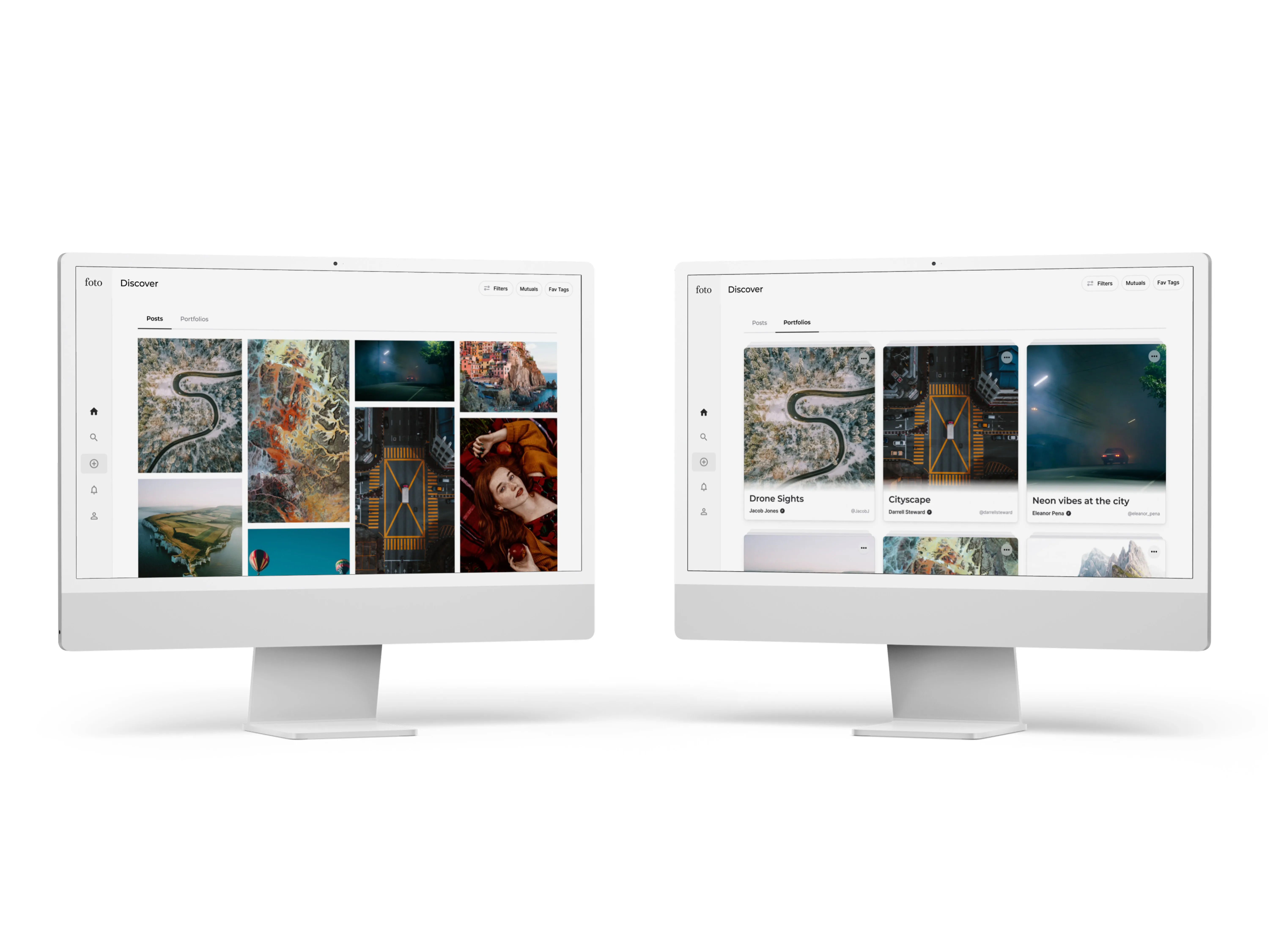
What if someone built Instagram again, but this time, kept photography as the whole point?
It sounds simple. Maybe even a little naive. But Michael had spent enough years inside the photography world to know exactly what had been lost, and exactly why it mattered. He’d shot weddings for fourteen years to pay the bills. He’d built a fine art printing business out of his bonus room that eventually outgrew two houses and landed in a 4,000-square-foot commercial space. He’d watched the platforms that photographers once relied on quietly shift their priorities. First the algorithm, then the ads, then the video push. Until photography went from being the whole point to just another piece of content fighting for half a second of someone’s attention.
So in 2021, he started building Foto.
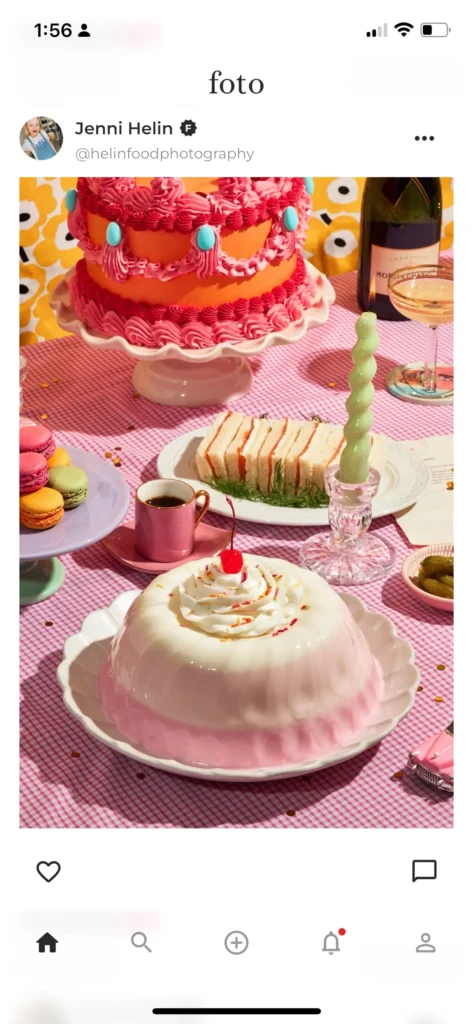
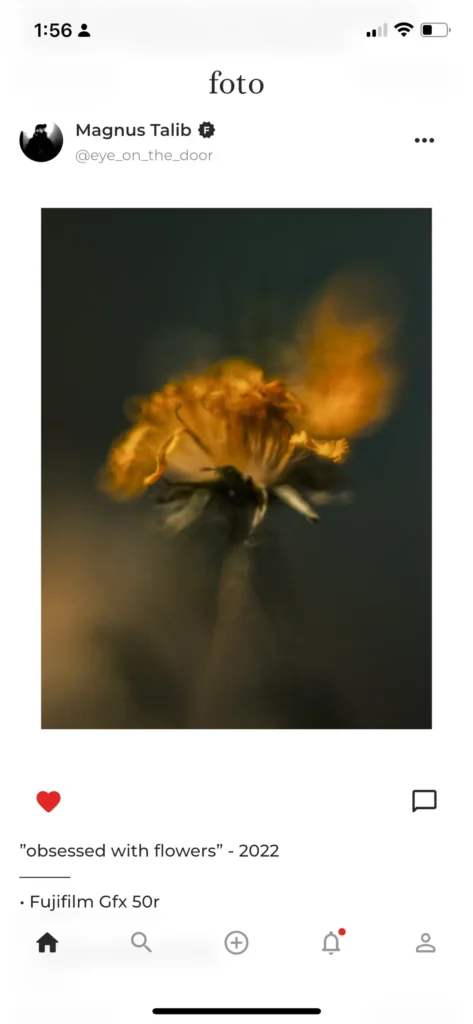
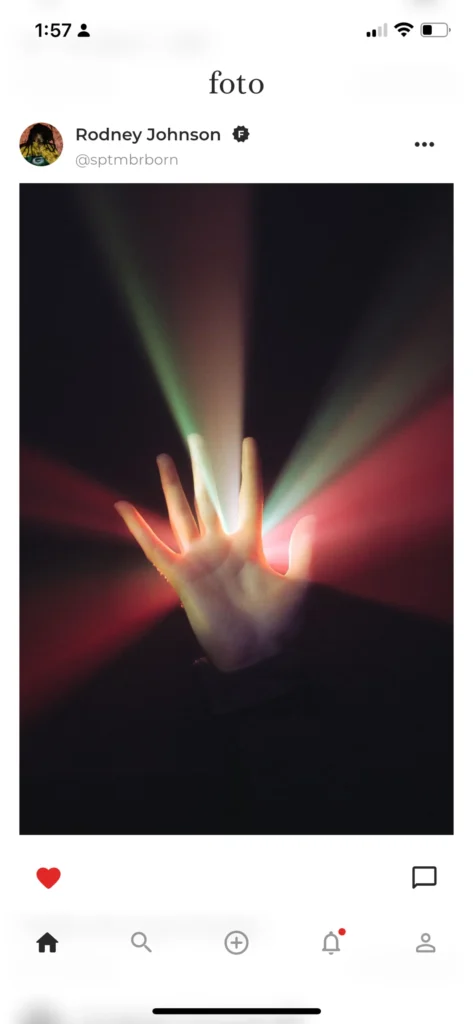
No video. No algorithm deciding what you see. No ads shoved between the work. Just photographs, shown chronologically to the people who chose to follow you. The way a newsletter lands in an inbox. The way it used to feel.
What I find interesting about talking to Michael is that he’s not coming at this as a tech founder who stumbled into photography. He came up in darkrooms in the late nineties, trained in a fine art program that handed you a camera and told you to figure it out, and spent years navigating the gap between loving photography and making it pay. He understands the frustration from the inside. The photographer who just wants to share their work, not perform for an algorithm.
This conversation goes pretty deep into all of that.
Here’s some of what we get into:
- Why Michael believes Instagram never actually respected photography, even in its early days
- How fourteen years of wedding photography eventually led to a software company, a print lab, and then a platform
- What Foto is trying to be, and why “no video, ever” is a feature, not a limitation
- The real economic damage that happened when algorithms replaced chronological feeds for working photographers
- Why building your own audience outside of social media isn’t optional anymore
- What Michael thinks photography is actually for, and the surprisingly moving answer he gives at the end
Michael’s the kind of person who’ll describe building a tech platform and then quietly land on empathy as the whole reason behind it. There’s something refreshing about that.
Hope you enjoy the conversation.
Q: What’s the most fundamental misunderstanding that these platforms or the tech industry has about what photographers actually need?
Michael: I don’t even think they care about photographers. As soon as you put ads on something, it’s just inevitable that your main focus is on your advertisers, that’s who you’re serving, because that’s where you make all your money. If they can use a photographer’s image to generate attention, they’ll use it. But I don’t think they give any care for what a photographer needs at all.
Q: What do photographers lose, practically or emotionally, when the platform they’ve built their audience on deprioritizes them?
Michael: They lose a lot. Economically, I think it’s hurt a ton of people financially. I’ve had so many people tell me that in the early days of Instagram, they were able to build an audience, connect with it reliably, sell prints and books, build some sort of income. And now it’s totally different. A lot of photographers got into it because they love photos, they’re more quiet, more introverted. They don’t want to be dancing on video. They don’t want to have to be funny and create a hook within two seconds. The more you think about all of that, the worse you become as a photographer, because you’re splitting your attention and your skillset just to gain attention anywhere.
Q: How do you design a platform for the image itself being the focus when all the other platforms have basically trained people to scroll past everything?
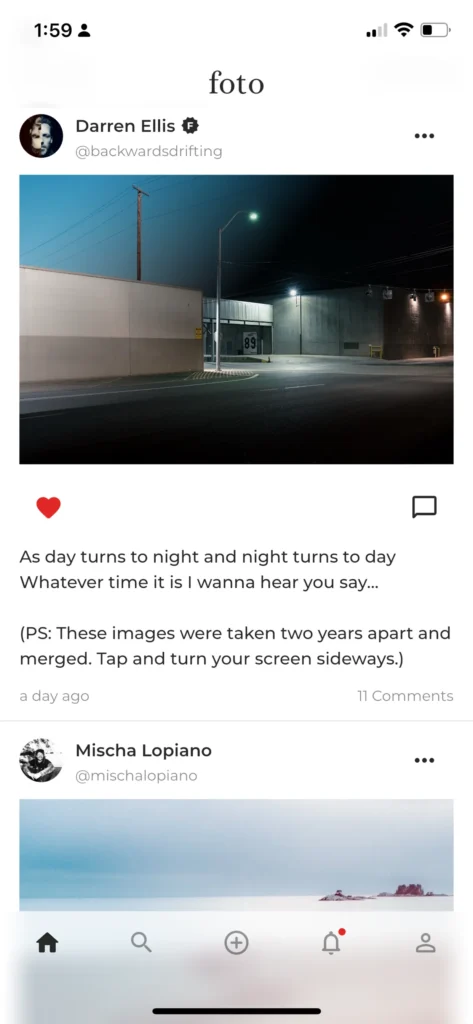
Michael: We removed the like count, so you can like a photo but you don’t see how many likes somebody else’s photos have. You might find a picture you absolutely love that only has two likes on it, and without that data point you just either like it or you don’t. It allows you to appreciate what you’re looking at without influence from the community. Same with accounts, we don’t list follower counts. So you judge someone’s work based on their work, not on how popular they are. It’s subtle, but it’s a little mental health thing, because comparison can be the thief of joy. We try to remove that and focus more on creating real discussion instead.

Connect with Michael Howard
What We Talked About
Early Journey
- Michael grew up in Missouri with no artistic background and discovered photography in college around 1998 through a fine art program that threw students in the deep end from day one.
- He earned a BFA in photography, moved to Nashville in 2004, and spent 14 years shooting weddings before burning out around 2010.
- A failed software venture led to a print lab business in 2014 that is still running today, and the idea for Foto began taking shape around 2018.
The Problem with Social Media and Photography
- Michael never felt Instagram truly respected photography, and once ads arrived, the direction was clear.
- The algorithm introduced in 2016 rewarded eye-catching content over thoughtful craft, which he sees as the opposite of what photography is actually about.
The Philosophy Behind Foto
- Foto is photo-only, no video, no plans for it, and that will never change on this platform.
- It is 100% community financed with no venture backing, meaning the only people it answers to are its users.
- Follower counts and vanity metrics are hidden, making the experience quieter and less stressful than other platforms.
Building Trust After Platform Burnout
- Michael’s approach to rebuilding trust is transparency: being honest about bugs, delays, and limitations rather than over-promising.
- Keeping ads off is a core commitment, because introducing them changes who the platform is ultimately serving.
What’s Coming
- A browser version of Foto is about 75% complete and has been the most requested feature since launch.
- Search and discovery improvements are planned for the second half of 2026, with the goal of putting users in control rather than feeding them algorithmically.
- A collections feature is in the works, letting users save and organize photos they love, with potential collaborative uses for photographers and creative teams.
AI and Where Foto Stands
- Foto will never host AI-generated images. The platform exists for human photography, full stop.
- The only AI applications Michael sees a role for are search accuracy through computer vision and behind-the-scenes content moderation.
The Bigger Picture
- Michael built Foto because photography, at its core, is about empathy and understanding lives different from your own.
- He hopes the platform can play a small role in reducing polarization by helping people see each other’s worlds more clearly.
You are not a user here. You are a co-builder.
The new Great Big Photography World is being built in the open, by the photographers in it. Join the beta, help decide what we ship next, and get in before everyone else. Your feedback shapes the platform, not an algorithm.
Free until December 2026, with a free layer for everyone after, so you keep access either way. No card needed to join.
Become a co-builder