


If they’re succeeding, then there’s a market for it. Their existence doesn’t make my idea unnecessary.
Shelly Waldman
You can also listen to this episode with Shelly on iTunes, Pocket Casts, Spotify, and Castbox.
Connect with fellow photographers and interact with the host, Perrin, gain access to monthly photo contests, discover daily inspiration, and much more!
Built by photographers. Shaped by you.
We are building a new home for photographers, a platform that does not sell your portfolio, bury your shots, or tell you what to shoot next. You do. Community, podcast, Prime Classes, and a pro listing service on the way, all shaped by the photographers who use it.
Joining is completely free until December 2026. After that, a free layer stays for everyone, so you keep access either way.
Become a beta testerInterested in contributing? Visit our Supporter page to find out more
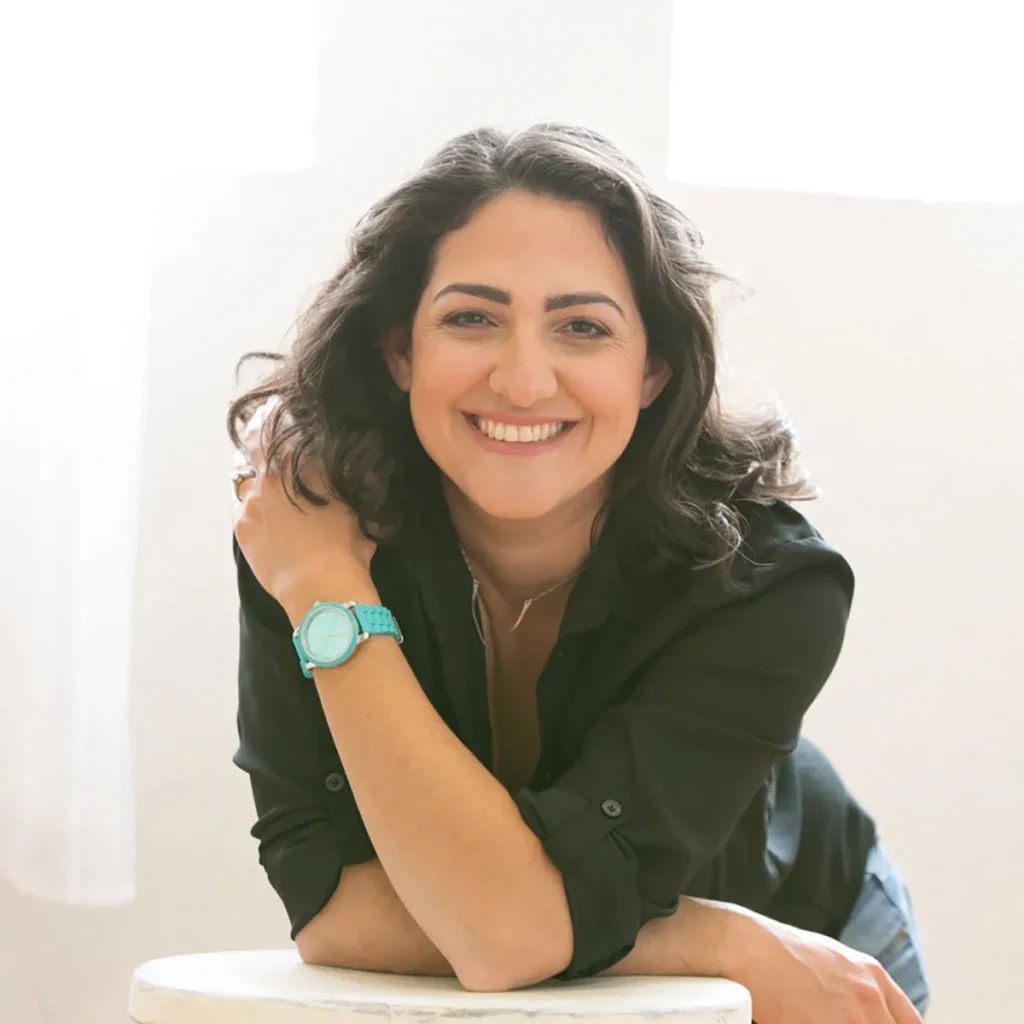
Shelly Waldman didn’t set out to become a food and lifestyle photographer.
Before any of that, she wanted to work in professional sport. She studied economics at UC Santa Barbara, completed a minor in sport management, landed an internship with the Golden State Warriors, and eventually found herself working for the LA Lakers. It was exciting, formative work – and it paid almost nothing.
What followed was a career pivot into finance at Citibank, where she spent over a decade as a financial analyst, helping manage millions of dollars and giving away hundreds of millions more through the Citi Foundation. Then her husband got an opportunity to work on a film in Vancouver, they packed up and moved – and somewhere in the upheaval, Shelly picked up a camera and started taking photography classes, mostly because there wasn’t much else to do.
When the film fell apart and they moved back to the Bay Area, she realized she didn’t want to stop.
That instinct eventually led her to co-open a portrait studio, then into food and lifestyle photography, then into agriculture and brand storytelling, and now into mentoring other photographers as a business strategist and coach. The throughline across all of it, it turns out, is the same skill set she built in finance – understanding numbers, reading a brief, knowing what a client actually needs versus what they think they want.
What I find interesting about Shelly is how honestly she talks about the parts of this career that nobody likes to admit. The shoots where everything looks technically correct but feels completely flat. The intimidation of getting full creative freedom from a client and realizing that no container is sometimes scarier than having one. The strange moment of grabbing an 11-to-14mm super wide on a food shoot just to break the stagnation – and suddenly ice cream sundaes felt alive again.
We also get into the business side of photography in a way that I think will be genuinely useful for a lot of people, whether you’re just starting out or trying to figure out why your career has plateaued. Usage and licensing, how to talk to clients about money, the difference between walking into a solo small business versus an ad agency, how to market yourself without leaning entirely on social media. Shelly has built resources around all of this and she shares a lot of it openly here.
Here’s some of what we get into:
- How a film production in Vancouver accidentally launched her photography career
- The financial analyst background that shaped how she thinks about running a creative business
- Why “carte blanche” from a client can be more creatively paralyzing than a tight brief
- What food photography actually demands from you that other genres don’t
- The zine she created as a way to shoot outside of any brief – and why it stopped people in their tracks at portfolio reviews
- How she helps photographers understand usage and licensing in a way that actually sticks
Shelly is the kind of person who has clearly thought deeply about what she does, why she does it, and how to articulate it in a way that makes sense to someone who’s never considered it before. And she does all of that while being genuinely fun to talk to.
Hope you enjoy the conversation.
Q: What do you think people tend to misunderstand about food and lifestyle photography?
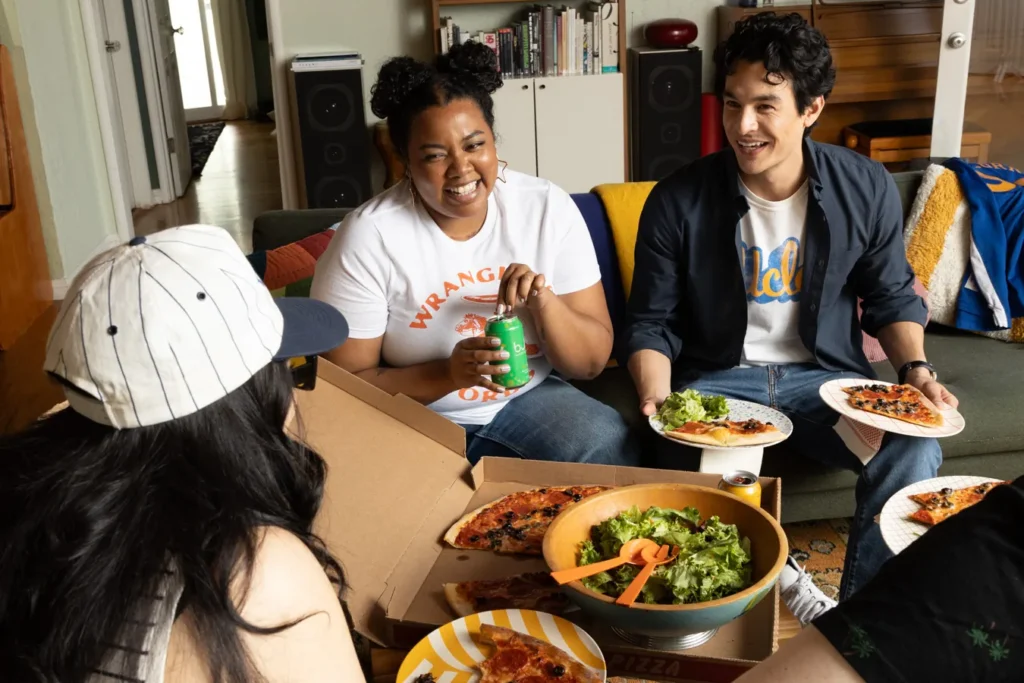
Shelly: Oh, well, I was one of those people that totally misunderstood the niche. I started as a kid’s family photographer back in 2009. That was my entry into photography as a profession. Fast forward a couple years, I met a woman who was a food stylist, and she really wanted to stop being the one-man band and start just being the food stylist. She asked me if I would come in and photograph her makes. And that’s really where I got into the nitty-gritty of what goes into actually shooting food. I learned how ice cream behaves, how meat does not last very long in front of the camera, how to find the hero angle. Even something like pizza – you’re not going to shoot it straight on. You’re going to shoot it from over top. A lot of those nuances came from just building a portfolio for her. And that really helped hone my eye and my understanding of what goes into that genre.
Q: What is the most common mindset that holds people back from succeeding, in your experience?
Shelly: It’s the imposter syndrome. I have it too. That little gremlin likes to come up every so often and I have to remind myself – do not water it, and don’t feed it after midnight. Imposter syndrome or comparison syndrome is a real thing and it can be really damaging. It can hold people back from putting their stuff out there. We get really in our heads. We overthink things. I’m talking from my own personal experience as well as what I’ve seen in my friends, my community, and people I’ve worked with. The overthinking is a real issue. Done is better than perfect. You could spend hours crafting your emails, your outreach list – and what I found is that sometimes that number just seems so big you never even start. I had 53 magazines sitting in my office, and I would look at them and say “I have to send those out” – and I never did. It was because the number felt overwhelming.
Q: What do you think makes a collaboration actually work?
Shelly: Listening. I think really simply, it’s listening. If you want to have a collaboration, you don’t just show up with your agenda. Like when I did that ice cream shoot as a personal project, I reached out to the food stylist and asked: what do you need for your book? Does this fill a gap for you? Because I could use a whole number of things, but it has to work for both people. A collaboration has to benefit everyone involved. And I think when people come into it with that mindset, what can I bring to the table that serves you too – that’s when the magic actually happens.
🔗 Connect with Shelly Waldman
🧭 What We Talked About
🎼 Early Journey / From Finance to Photography
- Shelly began her career in sports management, working with teams like the LA Lakers before transitioning into a financial analyst role at Citibank
- Photography started as a creative outlet during a life transition and eventually became a full-time business
- She built her skills through self-education, workshops, and photography meetups, rather than formal schooling
- Early work focused on families and portraits, before shifting into commercial and editorial photography
- A key turning point was collaborating with food stylist Jessica Boone, which introduced her to the depth of food photography as a craft
📖 Philosophy / Storytelling Through Food
- Shelly sees food as a powerful medium for storytelling, culture, and human connection
- Her work explores the full journey from growers to consumers, emphasizing the people behind the product
- She aims to create imagery that feels both elevated and relatable, not overly polished or unattainable
- Food photography, for her, is about evoking memory, nostalgia, and shared experiences
- The table becomes a place for conversation, connection, and storytelling
📷 Tools, Gear, and Behind the Scenes
- Early challenge was mastering artificial lighting, especially transitioning from natural light work
- Strong focus on understanding food behavior, angles, and composition (e.g. stacked vs flat foods)
- Willingness to break norms, like using a super wide 11–14mm lens for creative distortion
- Embraces experimentation when things feel off, often leading to the best results
- Uses both professional gear and iPhone photography, emphasizing accessibility
🔁 Practice, Teaching, Platforms
- Shelly combines business strategy and creative thinking, making her a strong mentor for photographers
- Host of the Creative Campfire Podcast, featuring conversations across creative industries
- Created a personal zine (“Wild & Wander”) to showcase work outside client briefs
- Values community, collaboration, and continuous learning
- Encourages photographers to explore creativity beyond their niche
💬 Advice, Creative Strategy, and Challenges
- Common challenges include imposter syndrome, comparison, and overthinking
- Believes strongly in taking action over perfection
- Suggests breaking work into small, manageable steps to build momentum
- Reframes competition as validation that there’s demand for your ideas
- Emphasizes that strong collaboration starts with listening and understanding the brief
- Encourages creatives to embrace discomfort and push through fear
🌍 Influences, People, Brands, and Tools
- Influenced by mentor Jessica Boone and communities like PPA, WPPI, and ASMP
- Uses platforms like Pinterest and Cosmos for inspiration
- Draws creative energy from travel, museums, cookbooks, and nature
- Worked on projects with brands like Bialy Wines and editorial outlets like Wine Enthusiast
- Interested in ethical and sustainable brands like UpUp Chocolate
- Advocates for transparency, sustainability, and storytelling in food systems
🔮 What’s Next for Shelly
- Expanding her role as a creative partner and brand strategist
- Developing a book based on creative prompts and everyday photography
- Continuing to grow her podcast and mentorship work
- Producing new editions of her zine
- Exploring more cross-disciplinary creative projects and storytelling approaches
You are not a user here. You are a co-builder.
The new Great Big Photography World is being built in the open, by the photographers in it. Join the beta, help decide what we ship next, and get in before everyone else. Your feedback shapes the platform, not an algorithm.
Free until December 2026, with a free layer for everyone after, so you keep access either way. No card needed to join.
Become a co-builder


this was a interesting story of her beginning into photography
I agree – She is a fascinating woman who came from the business side of things first. I had a lot of fun chatting with her!