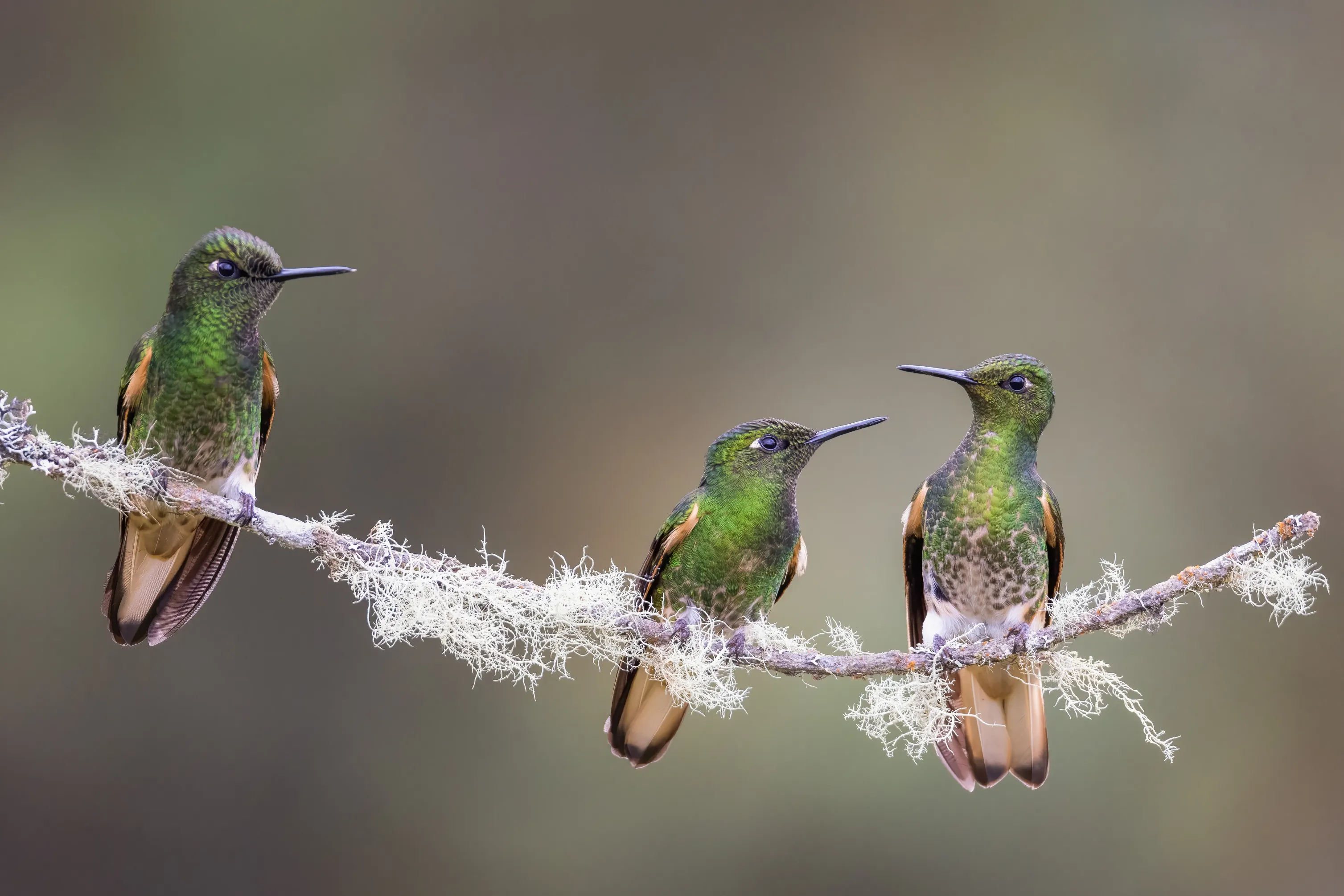
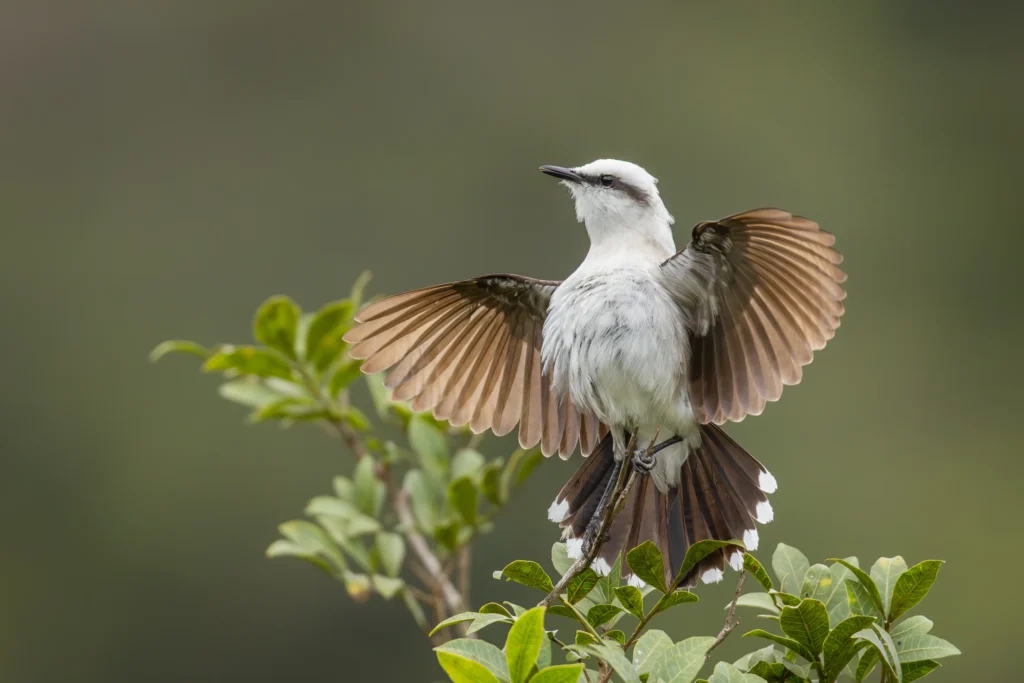
I hope my my legacy will be my growing collection of photographs of birds, butterflies, and all the other animals that cross my path.
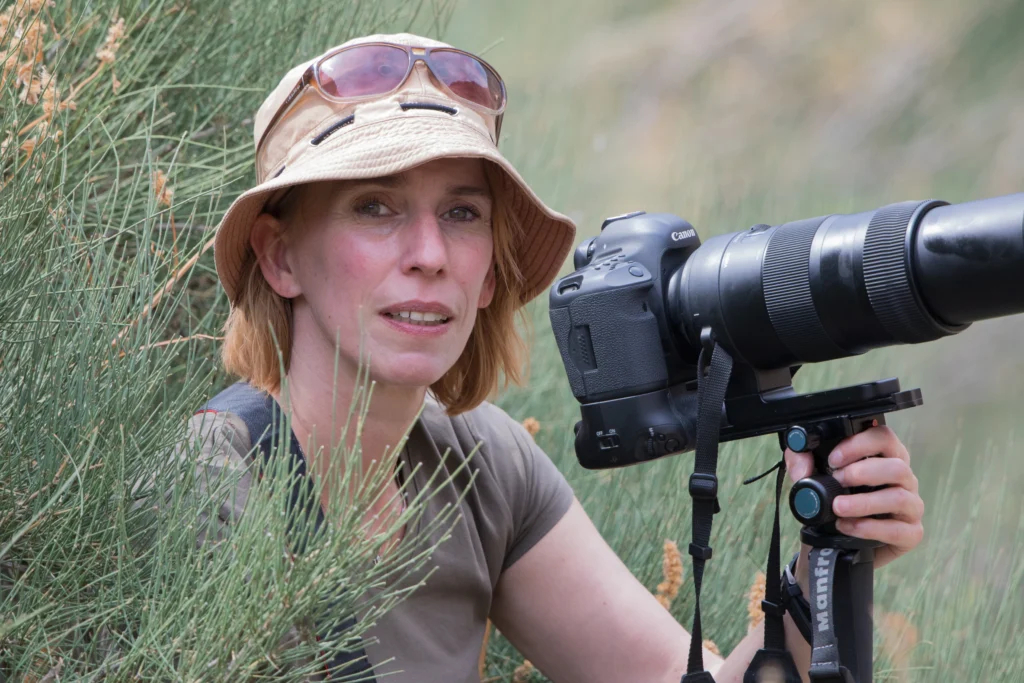
Carolien Hoek
You can also listen to this episode with Carolien on iTunes, Pocket Casts, Spotify, and Castbox.
Connect with fellow photographers and interact with the host, Perrin, gain access to monthly photo contests, discover daily inspiration, and much more!
Built by photographers. Shaped by you.
We are building a new home for photographers, a platform that does not sell your portfolio, bury your shots, or tell you what to shoot next. You do. Community, podcast, Prime Classes, and a pro listing service on the way, all shaped by the photographers who use it.
Joining is completely free until December 2026. After that, a free layer stays for everyone, so you keep access either way.
Become a beta testerInterested in contributing? Visit our Supporter page to find out more
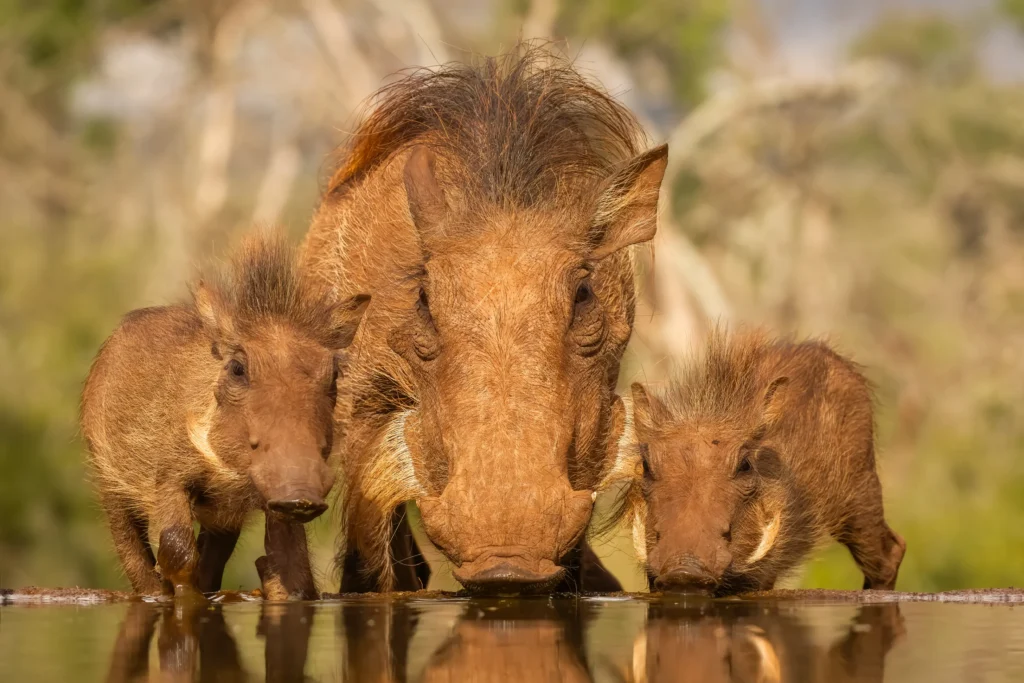
Carolien Hoek was sitting in a photography hide in Belgium, watching squirrels through a pane of mirror glass, when her journey as a photographer began almost by accident.
She’d brought her video camera that day, planning to film whatever showed up in front of the hide while her husband Wim worked his still camera beside her. The plan had a flaw. Mirror glass hides are built so animals can’t see the people inside them, but a video camera has no focal point set ahead of the lens the way a still camera does, so anything shiny on the camera body shows up in the shot. The video camera was useless. Wim had just bought a new camera and brought his old one along as a backup, so with nothing else to do, Carolien picked it up, set everything to auto, and started photographing the squirrels in front of her. As she puts it, the whole thing is the squirrels’ fault.
Back home, with no editing software and a memory card full of photos, Wim sorted through her shots for her. She posted a few on Facebook, got some encouraging responses, and spent the next six months teaching herself ISO, shutter speed, and everything else she says she never wanted to learn. A lens and regular trips to hides around Belgium and the Netherlands followed soon after.
Photography wasn’t actually where Carolien started, though. She’d been keeping travel journals since 1998, beginning with a Trans Siberian Express trip from Moscow to Beijing that was supposed to take six days and ten hours and ended up taking more than seven. It wasn’t until nearly two decades later, with that hide and those squirrels, that the camera took over as her primary way of documenting what she sees. She still keeps a travel blog through an app called Polar Steps, writing a diary entry most evenings of a trip and folding her bird photography in alongside it.
She describes herself as a collector more than anything else. She and Wim keep a combined eBird list, deliberately merged so the two of them don’t end up competing with each other, and she’s currently sitting at 1,899 species photographed. Birds, especially the ones endemic to wherever she’s traveling, are the real target, though squirrels, frogs, and butterflies get photographed along the way too. We also get into the mechanics of hides themselves, from the mirror glass versions common in Belgium and the Netherlands to the simple camouflage canvas setups she’s used abroad, and why she and Wim now seek out private guides who understand photography rather than group tours built around checklists.
Here’s some of what we get into:
- How a bored afternoon photographing squirrels in a Belgian hide turned into a full blown passion for bird photography
- Why Carolien kept travel journals for nearly twenty years before she ever picked up a camera
- The logic behind photography hides, and the difference between the mirror glass and camouflage varieties
- Why she and Wim merged their bird lists into one to keep their marriage intact
- Her preference for private, photography minded guides over group birding tours
- What she hopes her growing collection of nearly 1,900 species will ultimately leave behind
It’s all still very much a hobby. Carolien has a day job, and she’s chasing birds on the other side of the world on her own time and her own budget, with the same seriousness I usually hear from people who do this for a living. This interview is for those who think having a non-photographic career can hold you back from chasing the birds.
Enjoy the episode!
Q: If you were to think of a number, how many species of birds have you photographed to date approximately?
Carolien: I don’t know how many I did, but together, to be very specific, 1,899 species. Yeah, but it’s combined. So Wim has a little, he photographed the penguins in Antarctica and some birds that I was filming, so I didn’t photograph them, but we put them in one list to make it easier. Otherwise, we get competitive and that’s not good for our marriage.
Q: When you’re in a hide or you’re trying to get close to a wild bird, where do you draw the line on getting too close?
Carolien: For me, disturbing a nest in any sort of way is a big no. I always respect it’s their living area, so don’t get too close to nests. When I’m photographing in the wild and I see a bird, I first take a record shot, and then I try to get closer. It’s not like running towards the bird, but just a few steps, stop again, take a few pictures and watch the bird. If it stays there, try some more steps, take a new picture. In the moment it starts to move or it becomes restless, then it’s enough.
Q: What do you do when a huge flock of birds shows up at once in the hide?
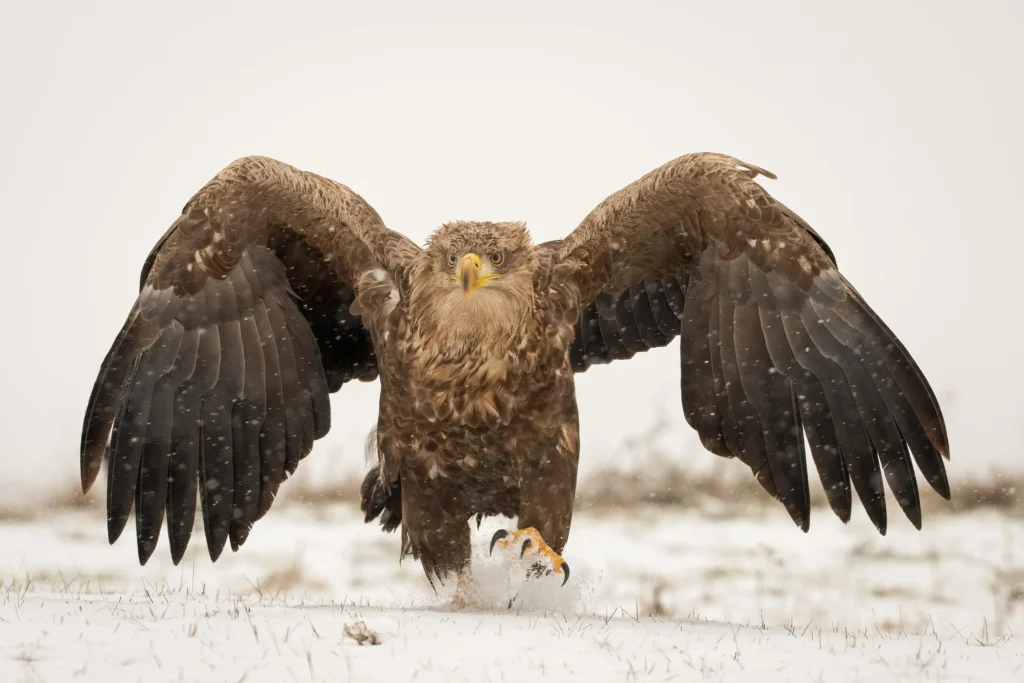
Carolien: Don’t get stressed, just focus on one or two birds. Isolate them, look for one that’s isolated and focus on that one. Because there are moments, especially at the end of the day, sometimes you have 20 birds coming in in five minutes and then you get stressed, and you don’t know where to focus and then you end up with nothing. I can tell you I was in a hide in Hungary once and we were going for the white tailed eagle, and I think we had like 40 white tailed eagles that we could see. Which one do you pick?
🔗 Connect with Carolien
🧭 What We Talked About
🎼 Early Journey / How It Started
- Carolien’s path into photography started with writing, not a camera. She and her husband Wim began keeping travel logs back in 1998, starting with a memorable Trans-Siberian Express journey from Moscow to Beijing.
- Photography entered the picture almost by accident. While waiting in a mirror-glass photography hide in Belgium, she picked up her husband’s spare camera to pass the time and started shooting squirrels on auto settings.
- That casual afternoon turned into a full obsession. Within six months she’d taught herself ISO, shutter speed, and Lightroom, and bought her first lens, a 100 to 300mm.
- Wim, already an experienced photographer, taught her the fundamentals and the two now travel and shoot together as a team.
📖 Philosophy / Approach to Birds
- Carolien describes herself as a collector at heart. She logs every bird she photographs on eBird, and only counts a species once she’s captured it on camera.
- She has over 1,899 species photographed to date, a combined list with Wim, built over roughly ten years of shooting.
- Quality outweighs quantity for her. She’d rather come home with a handful of stunning, unique images than hundreds of record shots.
- She holds firm personal rules: no birds on feeders, no baited food like papayas or bananas, and no birds with visible rings or leg bands unless the species is especially rare.
🪶 Hides Explained
- A hide is a concealed structure, sometimes with mirror glass, sometimes just camouflage netting, used to photograph animals without disturbing them.
- Sessions can run a full day. Carolien described one outing in a hide from 6am to 8pm, waiting out the light and the birds together.
- Mirror-glass hides come with their own hazards. Some birds mistake their own reflection for a rival and end up pecking furiously at the glass.
- She warned that mirror glass is expensive, fragile, and can cost photographers a full stop of light, which is part of why fewer hides use it today.
📷 Gear & Editing
- She currently favors a 100 to 300mm lens for most hide work, noting that longer lenses like an 800mm can actually be a liability when birds are close.
- Her editing process stays light: basic cropping, light adjustment, and occasional use of Lightroom’s AI tools to clean up distracting branches, without altering the animal itself.
- She’s careful never to push edits too far, avoiding the “halo” look she sees on overprocessed flight shots on Instagram and Flickr.
- Natural color and authenticity matter most to her. When she’s unsure about an edit, she calls Wim to get a second opinion on the lighting.
💬 Advice for Aspiring Bird Photographers
- Start small. Carolien recommends learning one simple camera well before investing in expensive gear.
- Borrow or rent equipment first to figure out if hide photography is really for you before committing.
- When a flock arrives all at once, the instinct to photograph everything leads to stress and often nothing worth keeping. Her advice: isolate one bird and commit to it.
- She keeps only about 5 percent of everything she shoots, a reminder that a strong body of work is built on ruthless editing, not just shutter clicks.
🌍 Places, Trips, and Influences
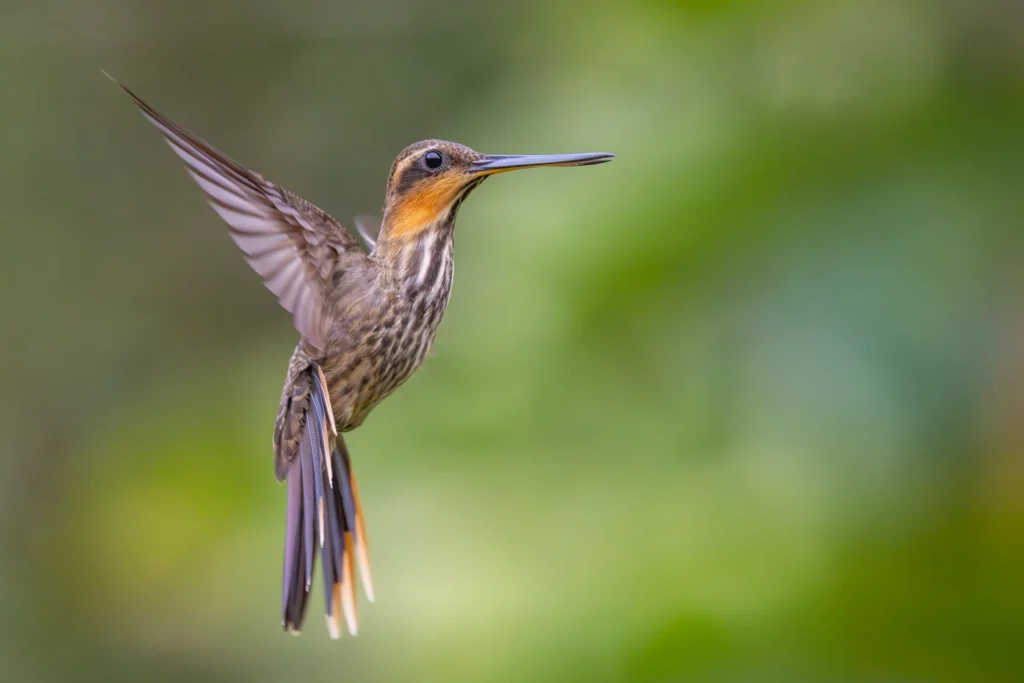
- Carolien and Wim have chased birds across Hungary and Romania for bee-eaters and rollers, and to Colombia and Ecuador for hummingbirds.
- A recent trip to northern India produced over 16,000 photos, still being sorted months later, chasing species like the Himalayan Monal.
- She’s visited Churchill, Manitoba in Canada and was struck by the systems in place there to safely manage polar bears near town.
- The couple prefers private, photography-focused guides over group tours, especially ones who understand composition and light rather than just checklist birding.
- Carolien documents every trip on Polar Steps, a GPS-based travel blogging app, pairing her photos with detailed daily diaries in both Dutch and English.
🔮 What’s Next for Carolien
- She’s currently sorting through thousands of images from her March trip to northern India.
- In August, she and Wim head to the Amazon rainforest in Brazil, working again with a trusted longtime guide.
- Her long-term hope is simple: to leave behind a growing collection of bird, butterfly, and wildlife photographs that shows people just how beautiful nature is, in every form it takes.
You are not a user here. You are a co-builder.
The new Great Big Photography World is being built in the open, by the photographers in it. Join the beta, help decide what we ship next, and get in before everyone else. Your feedback shapes the platform, not an algorithm.
Free until December 2026, with a free layer for everyone after, so you keep access either way. No card needed to join.
Become a co-builder