If you see something, if you’re part of that landscape, if you are in that landscape, you’re going to care about it much more.
Alexandra Nemeth
You can also listen to this episode with Alex on iTunes, Pocket Casts, Spotify, and Castbox.
Connect with fellow photographers and interact with the host, Perrin, gain access to monthly photo contests, discover daily inspiration, and much more!
Interested in contributing? Visit our Supporter page to find out more
Built by photographers. Shaped by you.
We are building a new home for photographers, a platform that does not sell your portfolio, bury your shots, or tell you what to shoot next. You do. Community, podcast, Prime Classes, and a pro listing service on the way, all shaped by the photographers who use it.
Joining is completely free until December 2026. After that, a free layer stays for everyone, so you keep access either way.
Become a beta testerAlex Nemeth is alone on the summit of Gokyo Ri when the sun finally clears Everest. She raced the sunrise to get there, nobody else on the ridge, clear skies overhead. Then the light hits the way she’d imagined it, a blade of gold cutting sideways across the peaks. She gets the shot, sets the camera down on a rock beside her, and starts to cry.
That was 2012, years before Alex had ever thought about climbing the Seven Summits herself. She didn’t know it yet, but that sunrise planted something.
It would be easy to assume the mountains pulled her toward photography. It happened the other way around. Alex picked up a camera long before she roped in for a climb, chasing landscape and nature work she wasn’t even sure suited her. She just wanted higher ground for sunrise and sunset shots, and safer footing to get there. So she signed up for a weekend mountaineering course in Scotland.
A few months later, restless for a project that would push her as a photographer and a person, she landed on an idea: climb the highest peak on every continent and bring those places back to people who’d never get there themselves. She told her flatmate Nick, who ends up featuring throughout the book that eventually came out of it. It took her just under four years, much of it self-funded while she still worked full time in marketing, selling prints out of a London gallery to help pay for the next expedition.
The mountains didn’t make it easy. A double hamstring tear nearly kept her off Aconcagua. Antarctica’s Mount Vinson cost her eight frostbitten fingers. By the time she reached Everest, the last of the seven, she’d sold her entire camera kit down to the last memory card just to afford the trip, and promised herself a new one the moment she made it home in one piece.
She got the mountain, and the story. It took her seven years to finish the book.
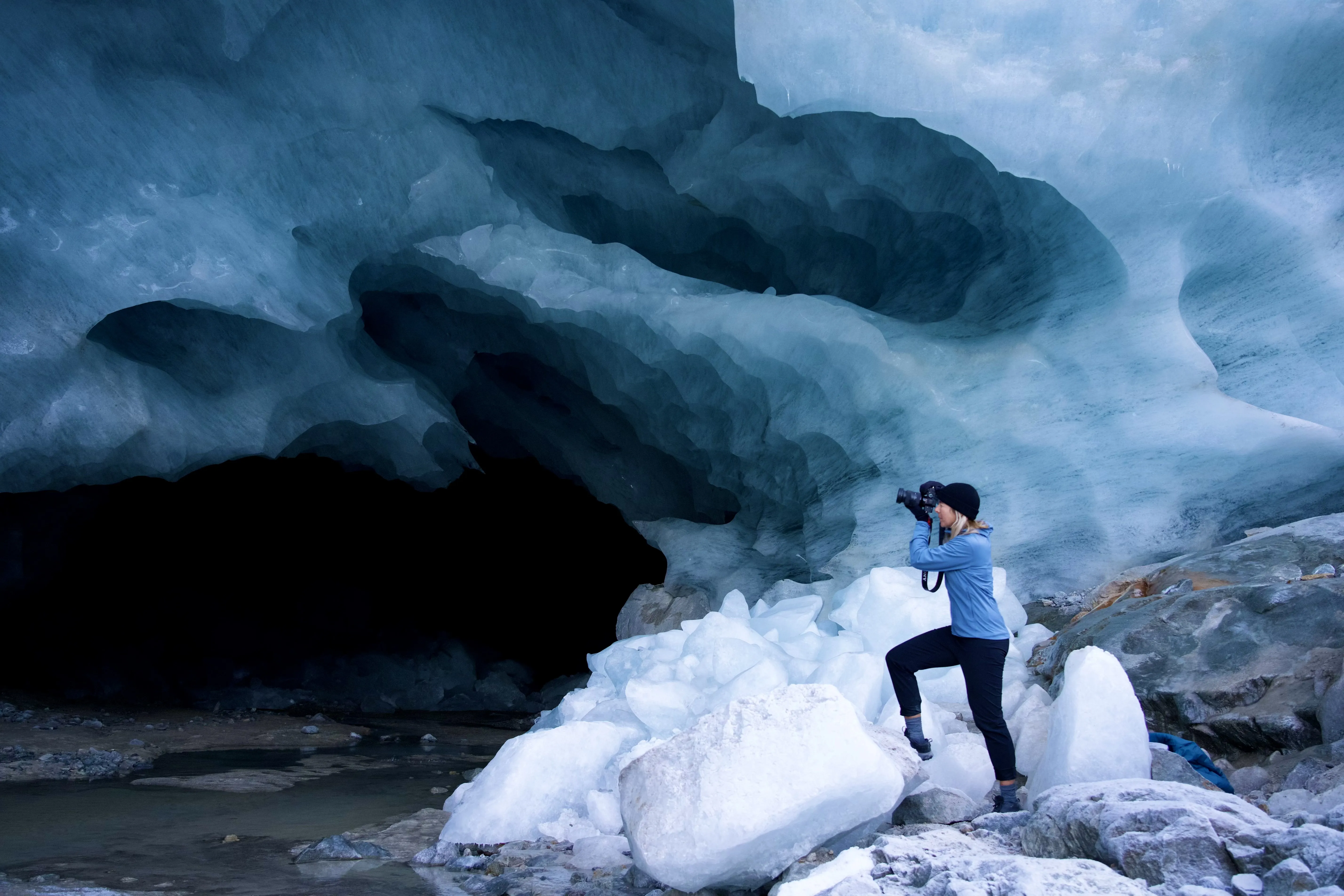
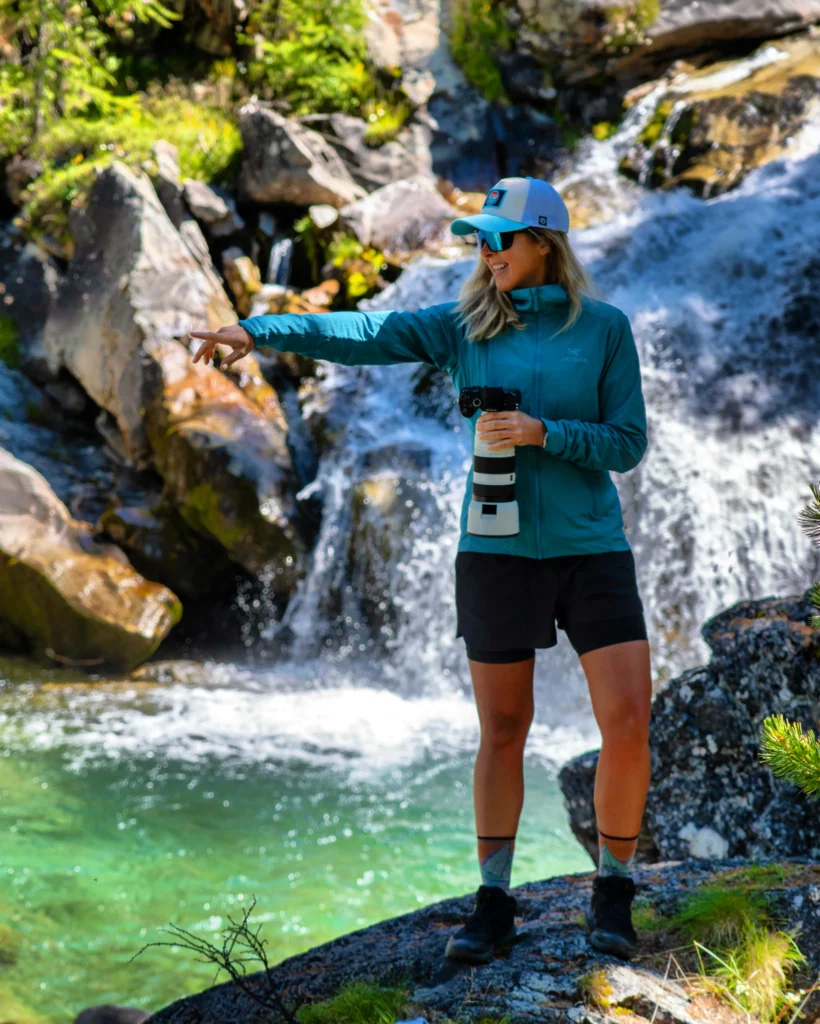
These days Alex works as a mountain and polar guide across the Alps, Peru, the Himalayas, Antarctica, and Svalbard, camera always within reach. She still gets restless if a trip repeats itself, still chases new places over familiar, comfortable ones. On one polar expedition she slept an average of three and a half to four hours a night for a month, knocking on guests’ cabin doors at 2 a.m. whenever the sky turned pink.
In this episode, Alex and I talk about the pull that got her here: what it cost her, what it gave back, and why she still can’t sit still for long. We get into the mountains that broke her a little, the ones that gave something back, and the quiet moment on a ridge in Nepal that started all of it before she even knew it had.
Here’s some of what we get into:
- The solo trek through the Himalayas in 2012, and the sunrise on Gokyo Ri that quietly set everything else in motion.
- Why she sold her entire camera kit, down to the last memory card, to reach the final summit of the Seven Summits.
- What eight frostbitten fingers on Mount Vinson taught her about the physical toll of the climb.
- Why she calls her sponsors partners instead, and what that meant on one of the hardest nights of the whole project.
- Why it took four years to climb the Seven Summits and seven years to write the book about them.
- What it’s like guiding photography guests through polar nights on three and a half to four hours of sleep.
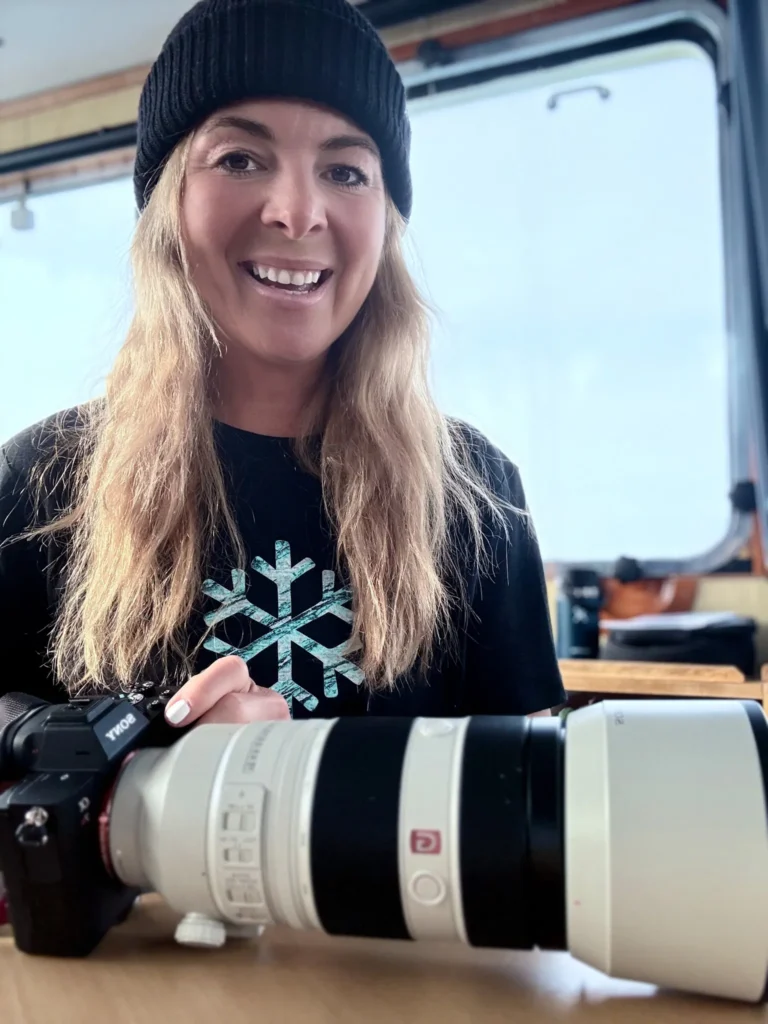
Alex radiates energy instead of fatigue. She’s grinning in nearly every photo she posts, and the expeditions seem to recharge her rather than wear her down. She was an absolute joy to have on the show!
Enjoy the climb.
Q: When you got to Everest, the final summit of your Seven Summits project, you ran into a financial wall. What happened?
Alex: These expeditions are incredibly expensive, and by the time I reached Everest, the only valuable things I had left were my cameras. I had to sell my entire camera gear, down to the last memory card, just to pay for the trip. I promised myself that if I came back with all my fingers and toes and finished the project, I would get back on my feet financially and buy myself another camera. Every time I talk about it I still get goosebumps, because it was never about ego, it was about finishing the story I set out to tell.
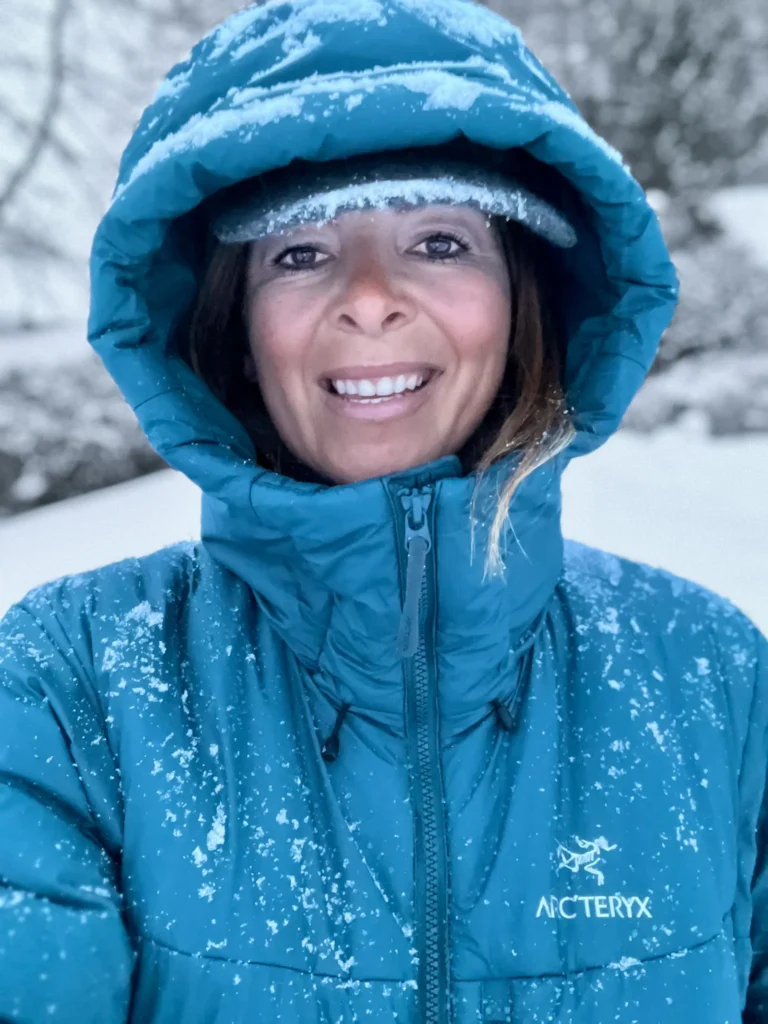
Q: Tell us about the moment during your solo trek through the Himalayas when you finally captured the shot you had been chasing.
Alex: I raced the sunrise up Gokyo Ri because I had one image in my head, the sun coming up behind Everest and Lhotse with the rays cutting across the peaks. I got to the top alone, no one else around, and I started shooting as the sun broke through exactly the way I had imagined it. When I had enough frames I set the camera down next to a rock and just cried. I had a 360 degree Himalayan view all around me, and I remember thinking, this is absolutely incredible. I didn’t realize it at the time, but that moment planted a seed that changed the direction of my whole life.
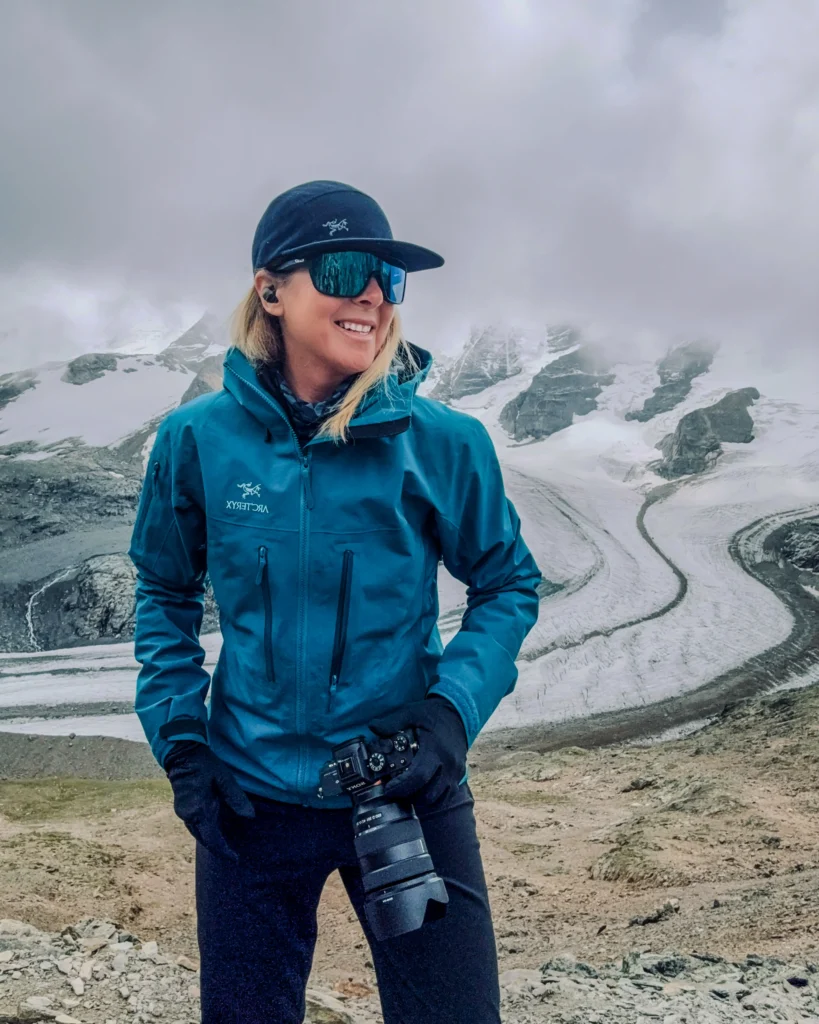
Q: What’s the closest call you’ve had while trying to get a shot in extreme conditions?
Alex: I was on the back of a snowmobile shooting a husky sled race across the Arctic in Norway. The snowmobile hit a jump, flipped, and the driver jumped clear without warning me. I ended up trapped underneath it, with my arm and legs pinned. The first thing that went through my mind wasn’t the shot I was missing, it was that I couldn’t afford to lose an arm or a leg. That’s when I really understood that you have to look after yourself first, because that’s what gives you the chance to keep going back out into these remote, cold places.
🔗 Connect with Alexandra Nemeth
🧭 What We Talked About
🏔️ Origins: From Landscape Photography to the Seven Summits
- Alex fell into landscape and nature photography on solo road trips to Scotland and the European Alps, and it was wanting to safely reach remote spots for sunrise and sunset shots that led her to take a winter mountaineering course, the decision that eventually sparked the idea to climb the Seven Summits as a photography project.
- The project took her from 2014 to 2018 and cost so much that she sold her entire camera kit, down to the last memory card, to fund her final expedition to Mount Everest, becoming the first Hungarian to complete all seven summits.
🌄 The Solo Trek That Planted the Seed
- Years before the Seven Summits existed as an idea, Alex took a three week solo trek through the Nepal Himalayas in 2012 as an escape from a demanding marketing career.
- Racing the sunrise up Gokyo Ri to photograph light cutting across Everest and Lhotse left her in tears at the top, a moment she now believes planted the seed for everything that followed.
📖 Writing “Beyond the Seven Summits”
- It took Alex seven years to turn her climbs into her self-published book, and she leaned on old journal entries and photo albums to relive each expedition in vivid detail while writing.
- She structured the book around a life lesson and a bit of mountain history for each summit, hoping readers walk away motivated to pursue their own goals, whatever their “Everest” looks like.
🧭 Guiding and Photography, Woven Together
- Alex’s business blends Alpine tours, mountain expeditions, and Polar charters, and she says she has never treated guiding and photography as separate professions, adjusting the balance depending on what a trip calls for.
- She has deliberately kept the business small enough that she remains the one leading summits and photographing guests herself, rather than growing to a point where she’d have to step back from the field.
🎒 Protecting Gear in Extreme Environments
- Alex sleeps with her camera batteries inside her sleeping bag and tucks spares into her sports bra during the day to keep them warm and charged in extreme cold.
- She damaged several fingers to frostbite climbing Mount Vinson in Antarctica and now always packs an extra pair of thin gloves, calling cold hands a bigger challenge to getting the shot than any camera setting.
🌍 Conservation Through the Lens
- Alex partners with the NGO Polar Horizon to bring polar region education into schools, and has become increasingly selective about which expedition companies she works with based on their environmental commitments.
- She is currently producing “From Glaciers to Lakes,” a film tracing meltwater from an Alpine glacier down to the lakes below with a local trail runner, aiming to make glacial retreat feel personal to viewers.
💬 Advice for Aspiring Adventure Photographers
- Alex encourages newcomers to start with smaller trips to learn their gear and their own limits before attempting extreme expeditions.
- She’s candid that admin work, not the mountains themselves, is the hardest part of running an expedition business, and encourages people to find an experienced mentor rather than learning everything the hard way.
🔮 What’s Next for Alex
- Alex heads to Greenland this August for a three week expedition ship trip as photographer and drone pilot during a total solar eclipse.
- She’ll then guide the ten day Tour du Mont Blanc in September, finish the “From Glaciers to Lakes” project, and lead an autumn photography trip in the Alps before returning to Antarctica later in the year.