Something needs to resonate with the viewer in order for them to get that connection and it’s the connection that stops the scroll.
Anusha Stewart
You can also listen to this episode with Anusha on iTunes, Pocket Casts, Spotify, and Castbox.
Connect with fellow photographers and interact with the host, Perrin, gain access to monthly photo contests, discover daily inspiration, and much more!
Built by photographers. Shaped by you.
We are building a new home for photographers, a platform that does not sell your portfolio, bury your shots, or tell you what to shoot next. You do. Community, podcast, Prime Classes, and a pro listing service on the way, all shaped by the photographers who use it.
Joining is completely free until December 2026. After that, a free layer stays for everyone, so you keep access either way.
Become a beta testerInterested in contributing? Visit our Supporter page to find out more
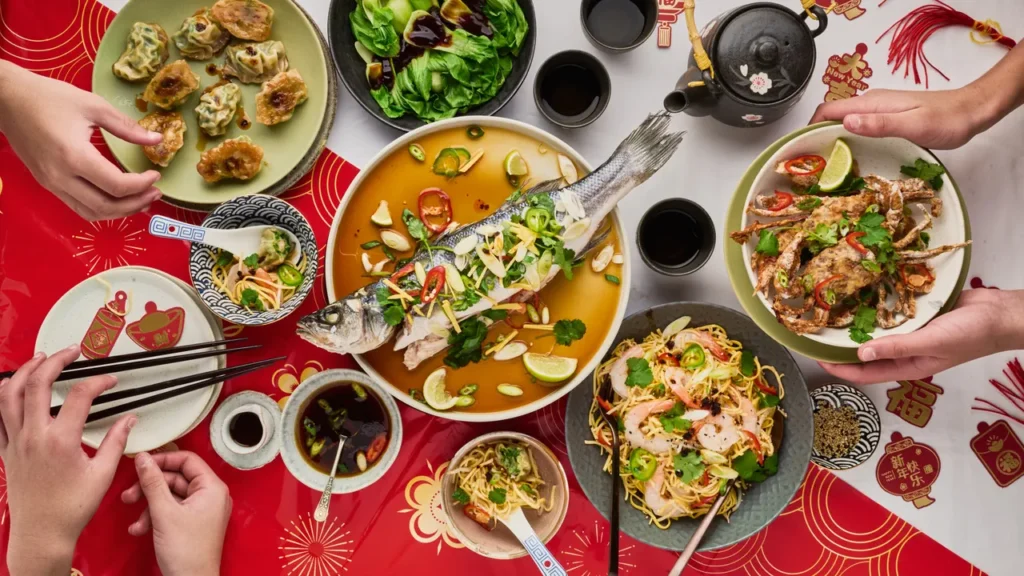
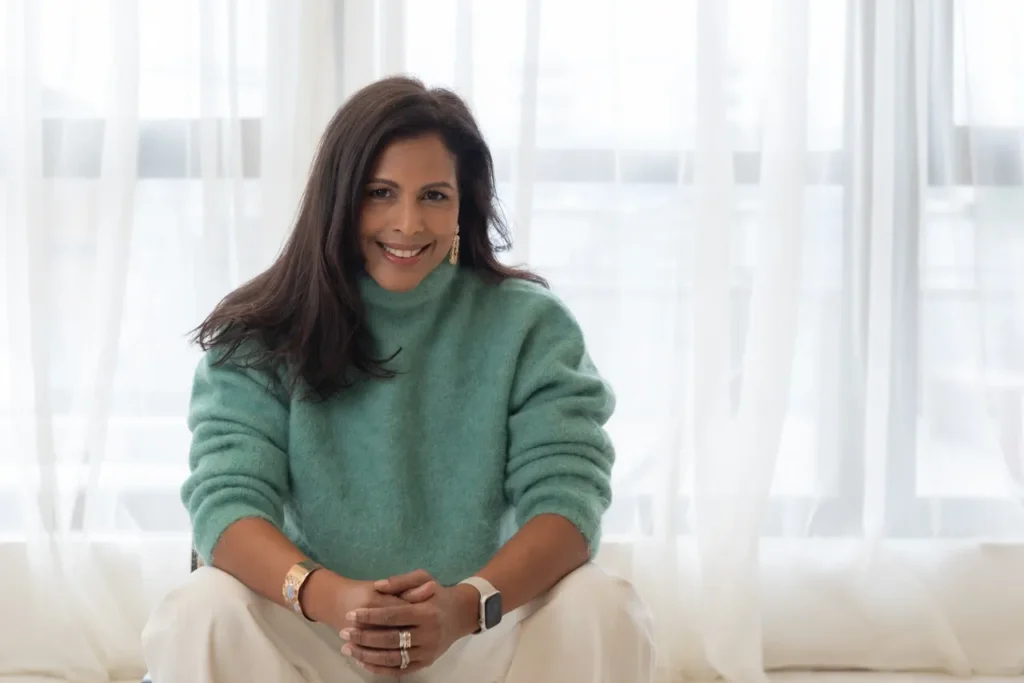
Anusha Stewart has had, by her own count, nearly every career imaginable. Ten years in finance in the City of London. A stint as a math teacher. Running a group of elderly care homes after her mother died suddenly. None of it was food photography. All of it, it turns out, was leading there.
Food itself was the constant. Long before she picked up a camera, Anusha turned to it when she was upset and when she had something to celebrate. She’d try a dish at a restaurant and go home determined to recreate it. What she never had was a plan to build a career around it, and for years, she didn’t even know food photography was a job.
That changed during lockdown. With her kids home and time on her hands, she started cooking and posting pictures on Instagram, just to see what people thought. People started messaging her, asking if she’d shoot their restaurant or their brand. She didn’t own more than an automatic point and shoot at the time. So she bought a camera, worked through a beginner’s guide, signed up for online courses with photographers like Rachel Korinek, and taught herself the rest.
One of the more surprising threads in this conversation is how much her math background shows up in her photography now. She majored in math, chemistry, and physics, not art, and she describes herself as someone who thinks in black and white rather than pure creativity. But that precision turns out to serve her well in composition, and it’s part of why she picked up flash photography and lighting setups faster than she expected. The business side of running a photography practice, on the other hand, is the part she still finds hardest.
We also get into a shoot she built earlier this year, recreating a Sri Lankan colonial home inside a London studio. She sourced bougainvillea from a local garden centre, dressed the set with her late mother’s saris, and built out a full day, morning to night, around a woman she imagined living there. It’s part of a bigger question she’s been sitting with: how to bring her Sri Lankan heritage into her work, and eventually into a much larger project exploring the food and places her mother knew.
Here’s some of what we get into:
- The winding path through finance, teaching, and elder care that eventually led her to food photography
- How a summer of Instagram food posts during lockdown turned into an unexpected new career
- Why her math background influences the way she composes and lights a shot
- The parts of food photography that came naturally to her, and the business side she still wrestles with
- Recreating a Sri Lankan colonial home in a London studio using her mother’s saris and locally sourced bougainvillea
- Her plans to return to Sri Lanka and eventually build a visual food memoir around her heritage
Anusha talks openly about reinvention, about the mother she lost too soon, and about what it means to keep discovering new things in a genre she almost didn’t find at all. It’s a conversation about food, but it’s just as much about paying attention to where your life is actually pointing.
Enjoy the episode.
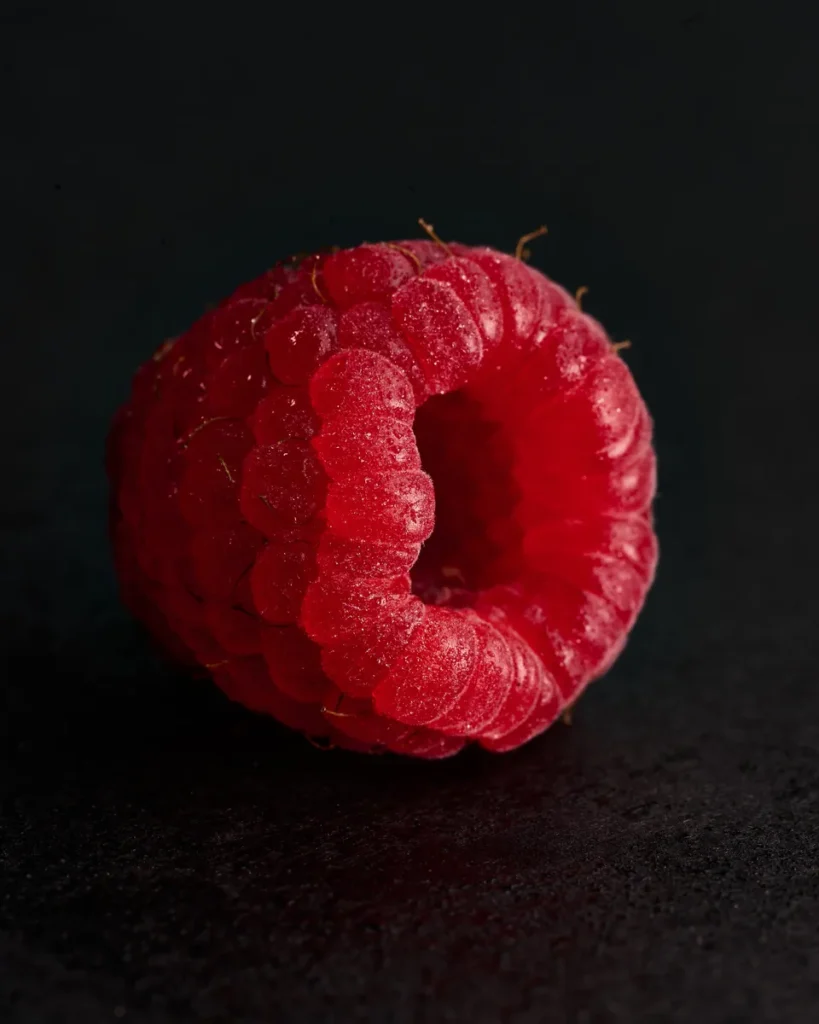
Q: Which of those career backgrounds, in your opinion, kind of shows up unexpectedly in your work?
Anusha: I think it’s actually what I trained in, which is maths. So maybe the education, the maths side of things, because for me, I’m actually quite black and white, which again, as a photographer, you don’t think that because photography is very creative. With especially food photography, there’s a lot of composition involved, and for me that kind of comes maybe more naturally because of the angles and I see things maths related. And also from the technical point of view with cameras and lighting and triggers, for me I was always when I was a kid doing all the gadgets and getting things to connect. So the first time I had to do flash photography, I thought it was going to take years, but I actually clicked quite quickly.
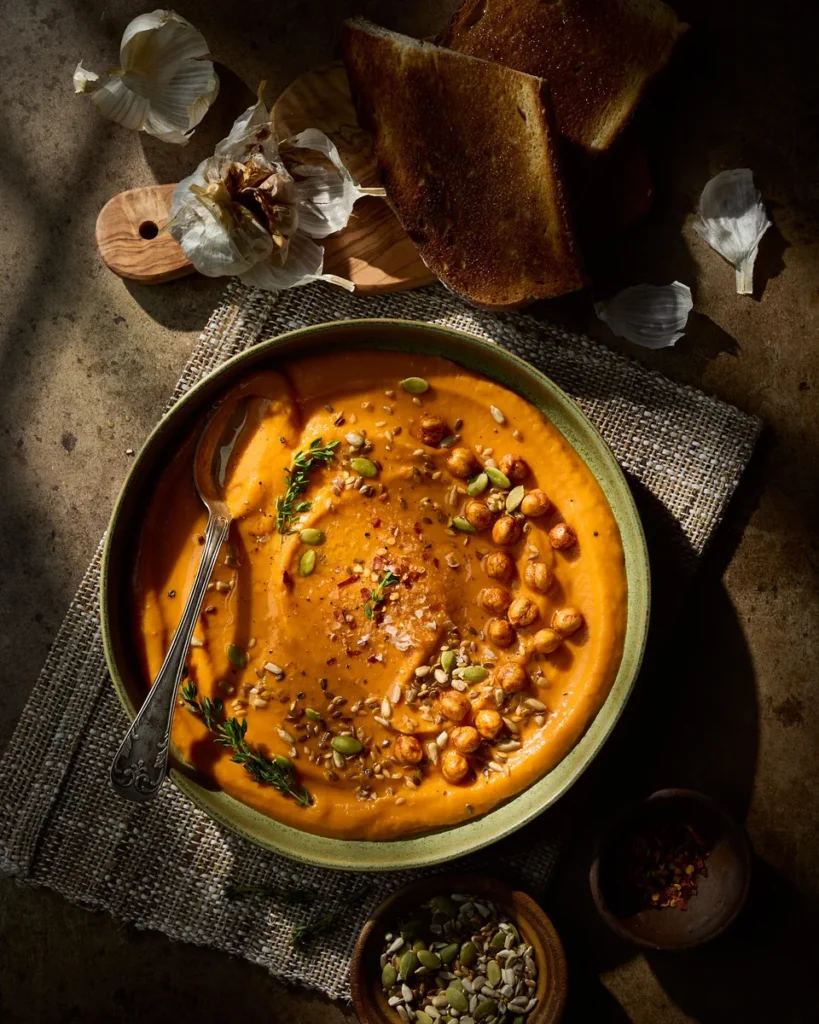
Q: What do you think makes an image stop someone in their tracks today?
Anusha: I think it comes back to emotion. When I have a lot of props in a frame, I would only put them there because I feel that they belong there, because I’m telling the story of a particular scene. Someone would look at the focal point, the hero part of the scene, and then they would start looking around and it’s telling a story, and it’s whether that story resonates with the viewer. Something needs to resonate with the viewer in order for them to get that connection, and it’s the connection that stops the scroll.
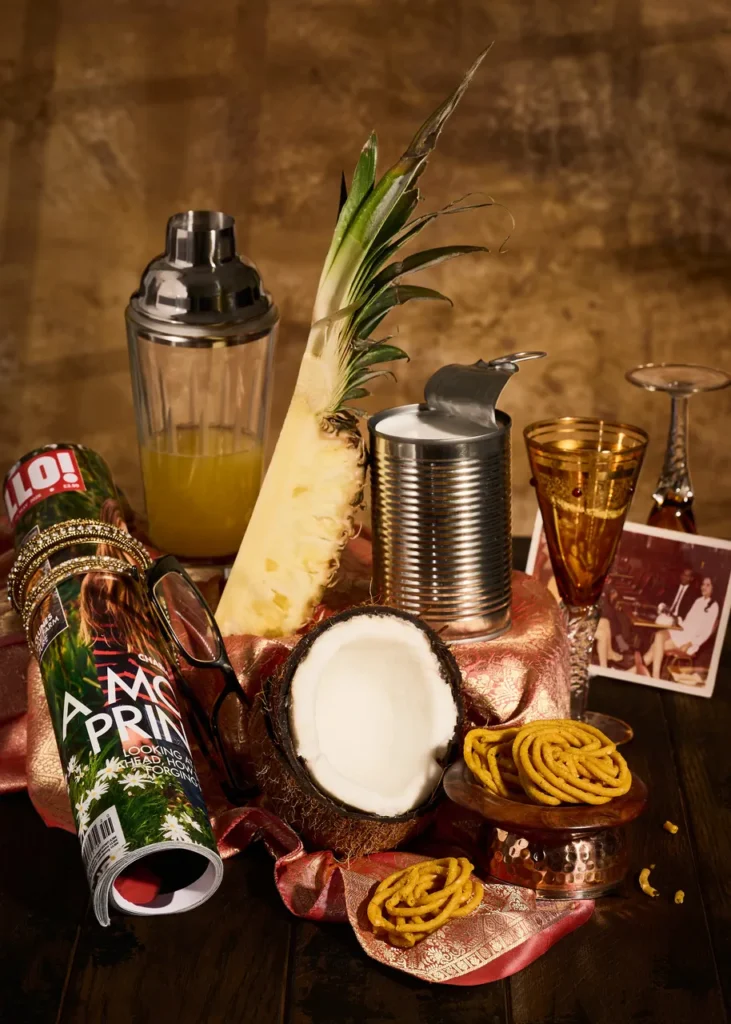
Q: What do you think most food photographers overlook in the planning stages that could cost them the final result?
Anusha: I can’t speak for other photographers, I suspect they’re a lot more disciplined than me. I’ll get into something and I will run with it so much that I will completely forget what’s going on with the shot list, then I’ll come back to it later and go, oh my God, but he wanted this and this too. So for me, I’m almost as bad as the client, always wanting to try just one more thing. I don’t think other photographers are like that. On bigger sets you can’t do that, you have to stick to the plan.
🔗 Connect with Anusha Stewart
🧭 What We Talked About
🎼 Early Journey / Origins
- Anusha spent over a decade in finance in the City of London before retraining as a math teacher, then took over running her late mother’s care homes for the elderly.
- Food photography wasn’t on her radar as a career until lockdown, when she started cooking and posting food photos on Instagram and people began asking to shoot for their brands and restaurants.
- She taught herself photography from scratch with a Nikon camera and a beginner’s guide book, then enrolled in online courses including one from Rachel Korinek.
- Realizing there was a whole industry built around food photography was what she describes as the moment it all clicked into place.
📖 Philosophy / Vision / Storytelling
- Every shoot starts with emotion. Her first question to a client is always what feeling they want their ideal customer to have when they see the image.
- She works backward from that feeling toward light, props, and color story rather than starting with equipment or composition.
- She leans toward including movement or a human element in her images, believing stillness alone struggles to create the same connection a viewer gets from video.
- Her most personal work is now built around weaving her Sri Lankan heritage into her sets, using her mother’s saris, tropical fruit, and colonial-era imagery to tell a story rooted in family memory.
📷 Tools, Craft, and Behind the Scenes
- She names math and the technical, gadget-minded side of her brain as the unexpected throughline from her old career into her photography, especially with composition, flash, and lighting setups.
- Styling is where she loses the most time, sometimes spending a full day perfecting a single shot to get a crumb or a drip exactly right.
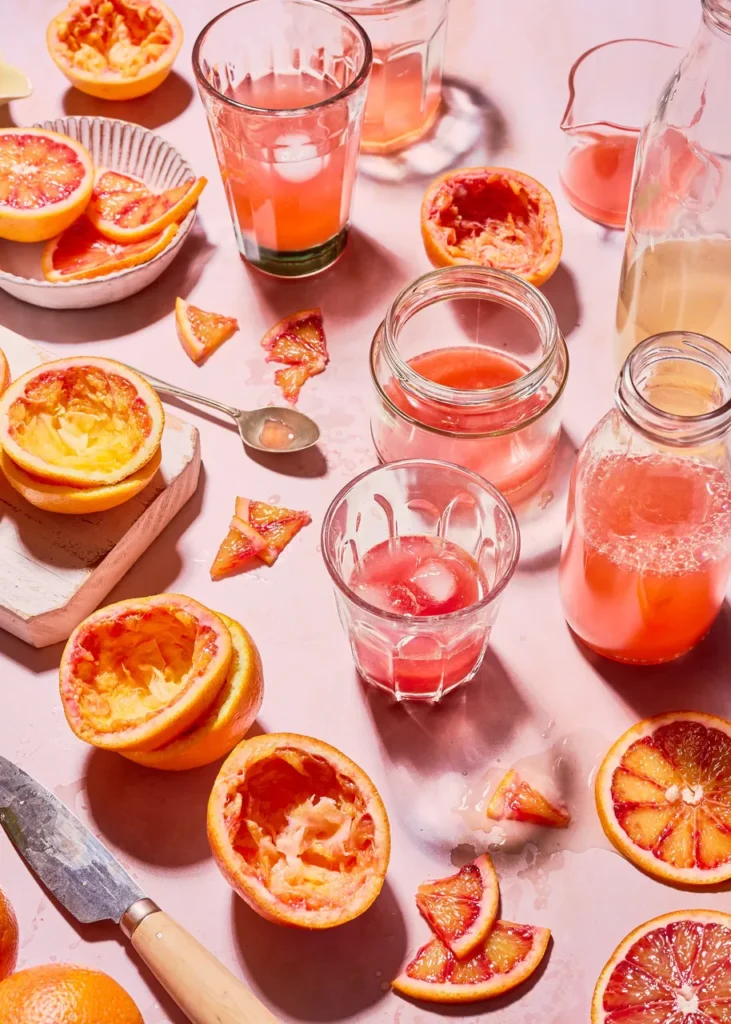
- Drinks are her favorite subject to shoot because of how light behaves moving through liquid, even though they take longer and make more mess than most other food.
- She’s increasingly posting behind-the-scenes content and time-lapses alongside finished shots, a trend she connects to growing skepticism around AI-generated imagery in the industry.
🔁 Business and Community
- Anusha calls the business side of photography her hardest skill to develop and says she still struggles with marketing herself.
- She credits reaching out to other food photographers, including ones with very different styles from her own, for teaching her about color theory and composition she wouldn’t have learned working alone.
- Comparing notes with photographers from fashion and commercial backgrounds helped her develop the layered, prop-heavy style that now sets her work apart.
💬 Advice, Sustainability, and Challenges
- Her advice to newer photographers is to keep investing in courses and mentorship rather than waiting until it feels affordable.
- She encourages entering competitions early, including her own shortlist with the World Food Photography Awards, even before feeling ready, because judge feedback accelerates growth faster than working alone.
- She warns against copying other photographers too closely, arguing that the qualities that make your work different are what make it memorable.
🌍 Influences, People, and Places
- Her parents’ immigration from Sri Lanka and their emphasis on stable, respectable careers shaped the winding path that eventually led her to photography.
- Sri Lanka itself, its food, landscapes, and rising profile as a travel destination, is central to the personal project she’s building around her heritage.
🔮 What’s Next for Anusha
- Her biggest upcoming project is a return to Sri Lanka to document her mother’s home, food, and the places she grew up, framed as a visual food memoir.
- She’s also interested in expanding into recipe development and mentoring photographers early in their food photography journey.
- Longer term, she wants her work to help push food advertising in Britain toward representing its multicultural food culture more accurately.
You are not a user here. You are a co-builder.
The new Great Big Photography World is being built in the open, by the photographers in it. Join the beta, help decide what we ship next, and get in before everyone else. Your feedback shapes the platform, not an algorithm.
Free until December 2026, with a free layer for everyone after, so you keep access either way. No card needed to join.
Become a co-builder