Every person you walk past has an interesting story worth telling.
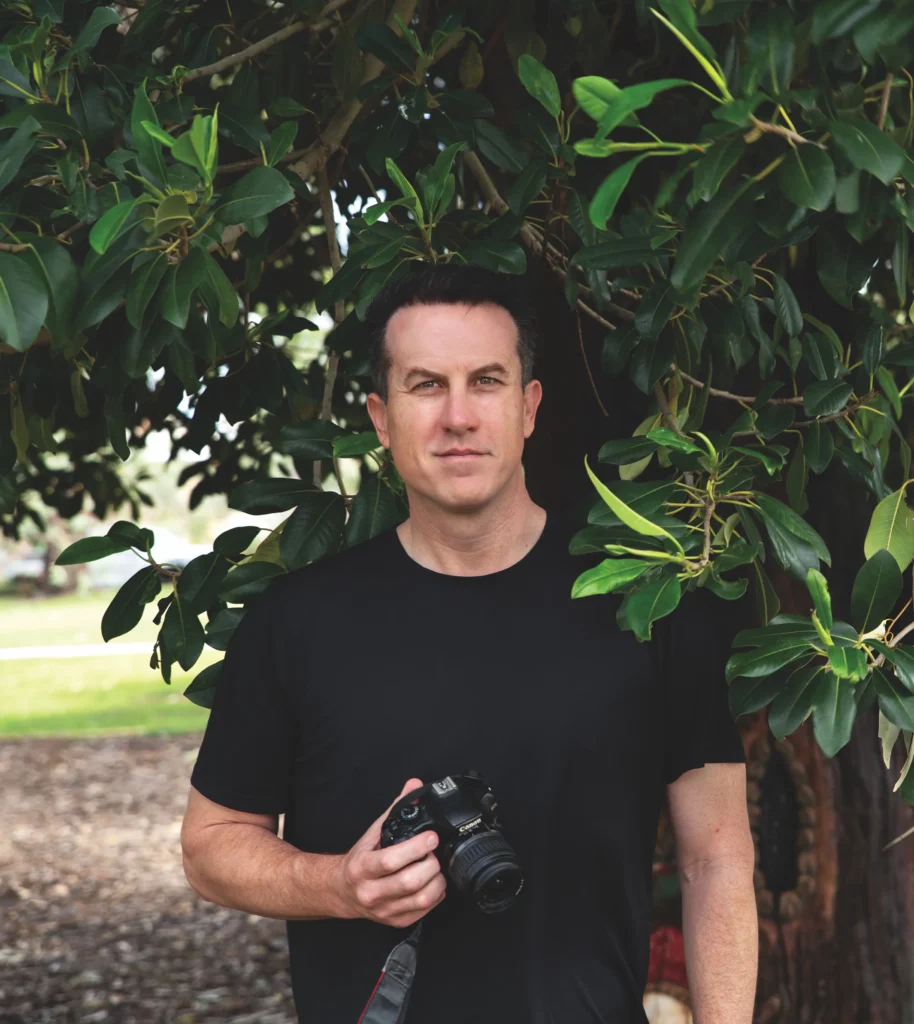
Ronan O’Connell
You can also listen to this episode with Ronan on iTunes, Pocket Casts, Spotify, and Castbox.
Connect with fellow photographers and interact with the host, Perrin, gain access to monthly photo contests, discover daily inspiration, and much more!
Built by photographers. Shaped by you.
We are building a new home for photographers, a platform that does not sell your portfolio, bury your shots, or tell you what to shoot next. You do. Community, podcast, Prime Classes, and a pro listing service on the way, all shaped by the photographers who use it.
Joining is completely free until December 2026. After that, a free layer stays for everyone, so you keep access either way.
Become a beta testerInterested in contributing? Visit our Supporter page to find out more
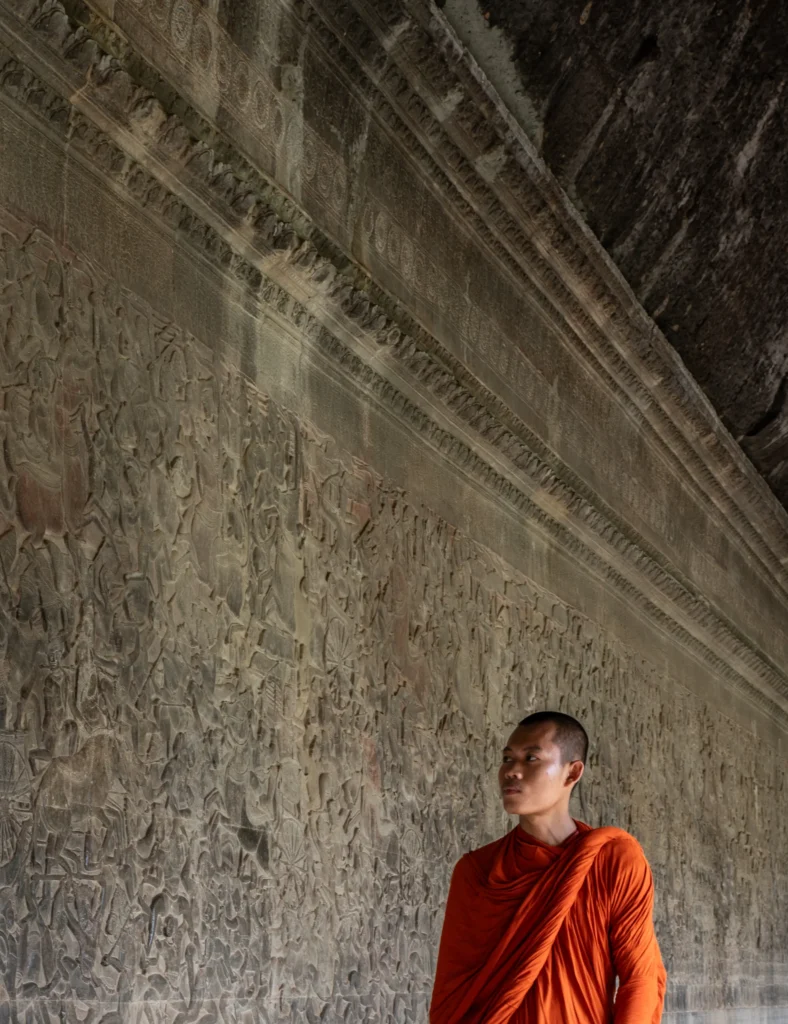
For seven years, Ronan O’Connell spent his days racing to crime scenes and sitting across from families who had just lost someone. He was a crime reporter at one of Australia’s biggest newspapers, and the weight of it was relentless. When he finally decided to leave, his plan was to move to Ireland. He ended up in Thailand instead.
That detour changed the landscape of his life. He met his now-wife while traveling through Southeast Asia, settled in Thailand, and had to figure out how to make a living without the backing of a major newsroom. He turned to the two things he cared most about: travel and photography. The darkroom skills from his high school years came back. The instincts from a decade of journalism turned out to transfer in ways he hadn’t expected.
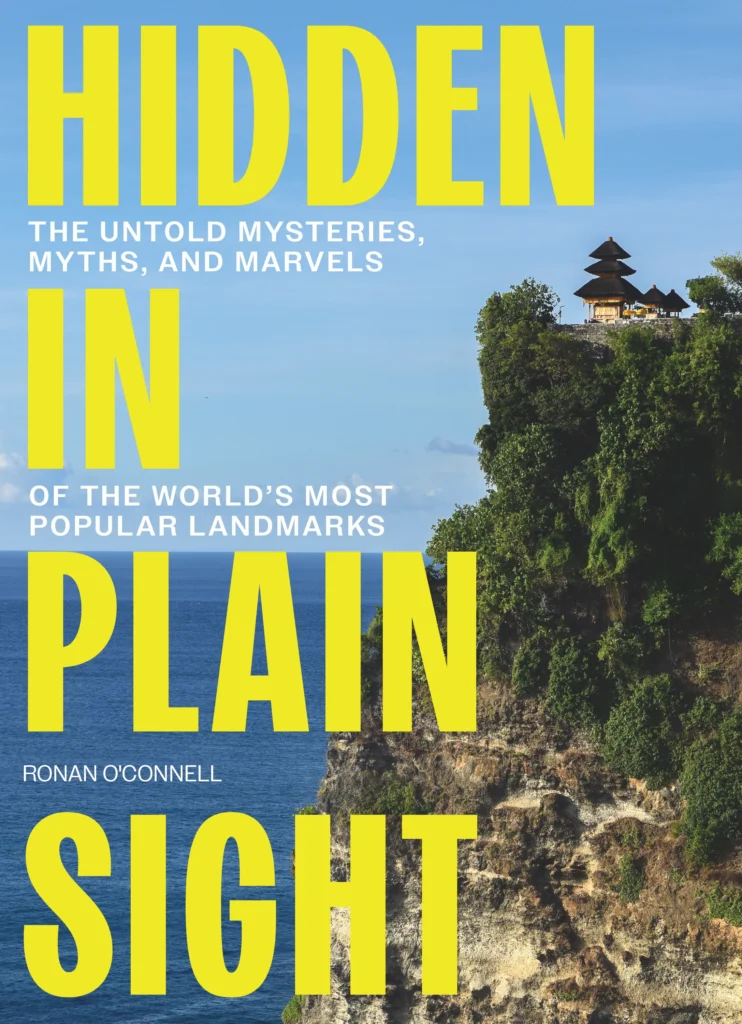
Ronan is now a travel journalist and photographer whose work has appeared in National Geographic, CNN, and the BBC. This year he published his first book, Hidden in Plain Sight, a project that took him to 35 countries across four continents to photograph some of the world’s most famous landmarks and uncover the stories buried inside them. The ones the guidebooks skip.
What makes Ronan’s approach interesting is that the journalism never really left. He still thinks like a reporter at a location: walking the full scene before raising the camera, looking for the moment no one else has spotted, deliberately avoiding other photographers’ images of a place before he visits so nothing clouds his eye. And where a lot of travel photographers have drifted toward stylized, people-free images built for social media, Ronan is moving in the opposite direction. For him, a person in the frame isn’t a compositional choice. It’s the whole point.
In this episode, we get into the weight of those seven years covering crime, how that background shaped the way he sees a scene, and what it actually took to photograph 23 landmarks across 22 countries in under nine months, including getting stranded between Abu Dhabi and Dubai in the worst flooding the UAE had seen in recent memory.
Here’s some of what we cover:
- Why seven years as a crime reporter pushed him out of hard news and eventually halfway around the world
- How a journalism column about classified ads shaped his entire philosophy as a travel photographer
- The idea behind Hidden in Plain Sight and what makes famous landmarks worth photographing again
- Why he funds all his own trips and never looks at other photographers’ work before visiting a location
- His argument for putting people back at the center of travel photography
- What happened when he tried to get from Abu Dhabi to Dubai through historic flooding
- The second book he’s already working on, and the very different territory it covers
Ronan brings a reporter’s eye and a genuine restlessness to everything he does. This one covers a lot of ground.
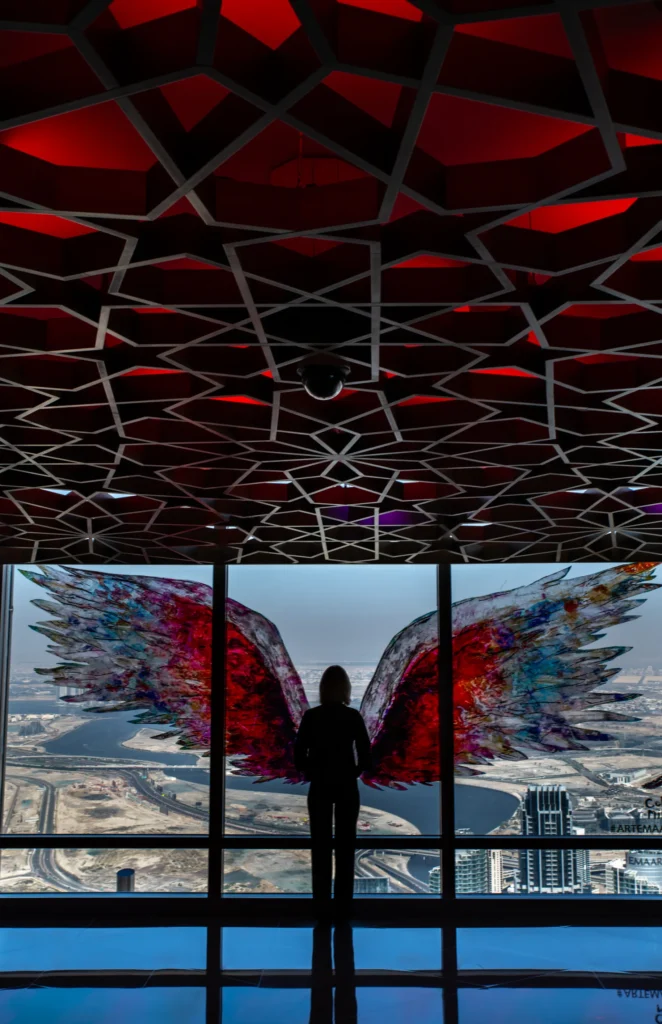
Q: You spent nearly a decade writing about crime, tragedy, and politics before picking up a camera. What did covering the darkest parts of human life teach you about photographing the most beautiful ones?
Ronan: I think for me, just to go back to the idea of people, when I started in journalism, I was taught, don’t just focus on trying to get controversial stories. Not every piece of news needs to be something sensational. I remember an editor gave me an example. They said, every single person that you walk past in the local supermarket has actually got a very interesting story that would make a great news story if written in the right way. And they said the key is knowing how to draw that out of people. So with photography, I felt the same way. I thought if I can capture people within an environment, that adds a completely different depth rather than a fairly flat photo that shows the incredible details and architecture of a location.
If you can have a moment within that, that actually has some humanity, where you capture a particular look on someone’s face, whether they be happy, whether they be pensive, whether they be looking sorrowful, that just elevates a photo enormously. Because it is not replicable by anyone. No one will ever again take that photo.
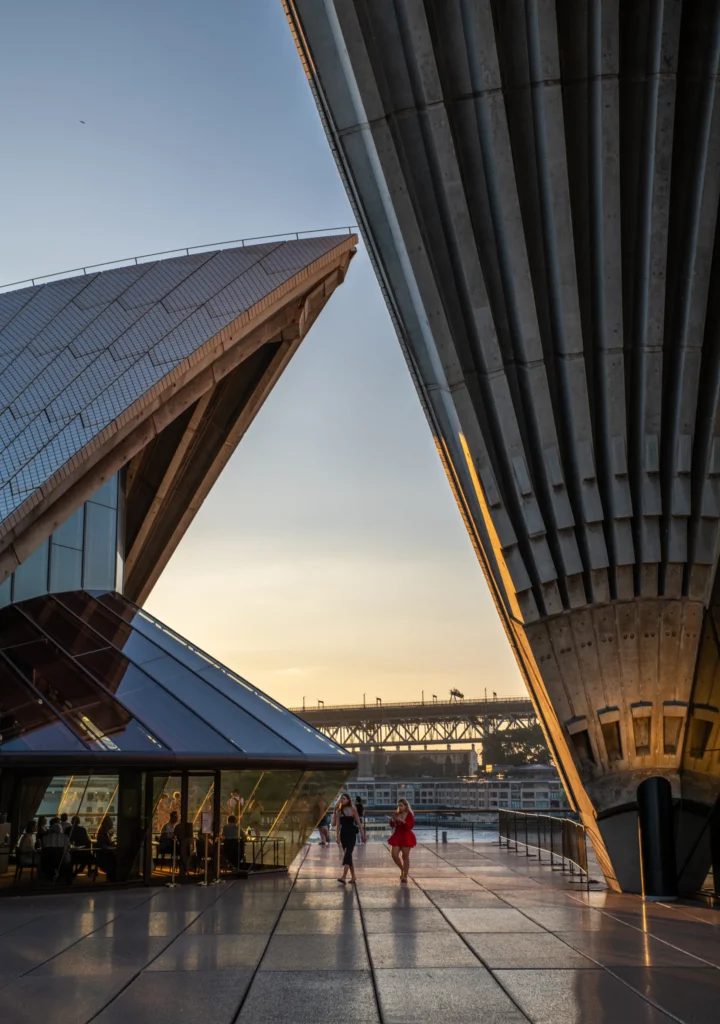
Q: Travel photography is one of the most photographed corners of the world. What does it actually take to come home with something nobody has seen before?
Ronan: Use people in your photos. There’s been a trend in travel photography for a long while now where everything feels very stylized. Washed out colors, people replicating a style. And so often, people aren’t front and center at all. The only time they even try to use people is just for a sense of scale. They put a person on the edge of a cliff to show you how big it is. Whereas the number one way you’re going to make your photography unique is by capturing people in these locations.
One of my favorite photographs I’ve ever gotten is of Gyeongbokgung Palace in South Korea. In and of itself, it would have been a fairly boring wide shot of the main prayer hall. But there was a group of four young South Korean women wearing traditional hanbok clothing, huddled together, and one of them had turned and was looking just back over my shoulder. The look on her face, the fact that she was the only one looking toward the camera, all of them in these costumes, it gives you a sense of the culture, the history, the fashion. That photo goes from a five out of ten that you’ve seen a million times to, in my opinion, a nine out of ten worthy of a magazine cover.
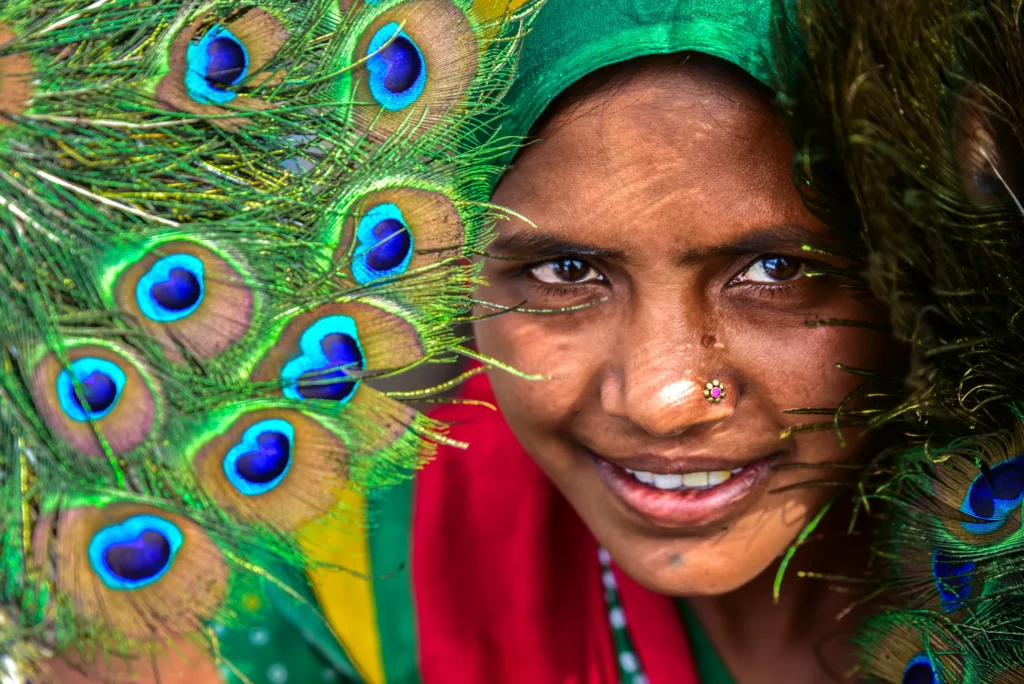
Q: After 13 years, dozens of countries, and thousands of strangers’ faces on your camera roll, what is it you’re actually chasing?
Ronan: I just want to learn people’s stories. A lot of times when I take photos of people, they’ll call me over to see the photo I’ve just taken. And rather than treating that as a task where I’ve got to just show them and move on, I see it as an opportunity to engage with that person and learn a bit more about them.
Photography gives you a reason to actually speak to complete strangers when you’re traveling. If you walk up to an old man sitting inside a mosque and just start trying to talk to him, it may not go that well. Whereas as a photographer, they can see you’re doing a job, and often people are interested. It gives you an in to start talking to strangers.
For me, that’s one lovely thing about a lot of the photos I’ve got of individuals. I then have a memory attached to each one, of the conversation I had with them, that moment where I connected with someone from a completely different background. That is the thing I really, really appreciate.
Connect with Ronan
What We Talked About
Early Career in Hard News
- Ronan spent nine years working for daily newspapers in Australia, seven of them as a crime reporter at the West Australian, the country’s second largest paper at the time.
- His days were spent rushing to crime scenes and interviewing families who had just experienced catastrophic loss, whether through murder, car crashes, bushfires, or shark attacks.
- By the end of that stretch, the weight of the work had affected him deeply and he was ready to leave. A plan to move to Ireland changed when he met his now-wife while traveling through Thailand, and the need to build a life there pushed him toward the two things he loved most: travel and photography.
From Journalism to Travel Photography
- His writing started out clinical and dry, shaped by years of newspaper style, and learning to inject personality and color into it took real effort.
- Photography felt more instinctive. He had studied it in high school darkrooms, and learning the craft while surrounded by image-rich environments like Delhi or Marrakech felt, in his words, almost like a cheat code.
- The discipline he carried from the newsroom, specifically the habit of searching for the story nobody else had noticed, turned out to be exactly the skill that shaped his photographic eye.
Hidden in Plain Sight
- Ronan’s debut book, published this year with HarperCollins US, visits 23 famous landmarks across 22 countries and four continents, uncovering the obscure and overlooked stories embedded in each one that never make it into guidebooks or travel websites.
- He traveled to 35 countries for the project, narrowing the final selection for reasons ranging from photo permit complications to personal safety concerns while traveling alone.
- The entire book was researched, photographed, and written within roughly seven or eight months. He funded all the trips himself to maintain editorial independence, a habit rooted directly in his print journalism training.
His Approach to Photography
- Ronan arrives at a location and puts the camera down first. He walks the space with his eyes, mentally mapping it and letting the scene settle before he starts shooting.
- He waits for light to shift, returns to spots at different times, and builds what he describes as an internal meter that tells him when he has enough.
- His defining principle is people. He believes travel photography has drifted toward stylized, depopulated images optimized for social media, and that putting a human being at the center of a frame is the single most effective way to create a truly unrepeatable photograph.
Journalistic Standards and the State of Travel Photography
- Ronan wants his photos to look exactly as a location appears to the naked eye, and finds the trend toward washed-out, heavily manipulated images misleading and inaccurate.
- Digitally removing crowds from places like the Taj Mahal, or presenting a destination as something it plainly is not, crosses a line for him. Honest photography can be messy, and that messiness is often the point.
- He deliberately avoided looking at any other photography of the landmarks before visiting them, not wanting to arrive with someone else’s angles already in his head.
Staying Creatively Fresh
- After two decades of shooting, Ronan stays engaged largely because people are unpredictable. A subject can shift expression in an instant, and if you’re ready for that moment, you get something no one could have planned for.
- His proudest shoots are often the most difficult ones, locations that offered almost nothing to work with, where the result came entirely from adaptability and instinct.
- He avoids other photographers’ feeds when in active project mode, the same way stand-up comedians avoid watching other comics to protect their own voice.
Advice for New Photographers
- Don’t look at Instagram for inspiration while you’re developing your style. The more time you spend consuming other people’s work, the harder it becomes to find your own visual identity.
- Keep your day job and build your travel photography practice on the side first. Removing financial pressure gives you the freedom to take on the right projects rather than rushing into ones you wouldn’t otherwise choose.
- Treat every spare shoot like a real assignment. Set yourself a deadline, work within it, edit the results afterward, and ask honestly whether the work would hold up in a major publication.
What’s Next
- Ronan is currently working on his second book under the HarperCollins deal, documenting how ancient cultures around the world approach loss, covering everything from the death of a child to the loss of a home, a career, or a pet.
- The project has taken him to more than 20 countries across five continents, and is designed to offer readers philosophies and rituals from cultures they may never have encountered. He describes it as constructive and quietly optimistic.
- The chapters that didn’t make it into the first book are still on his desk. He hopes to find a home for them, whether in a future edition or elsewhere.
You are not a user here. You are a co-builder.
The new Great Big Photography World is being built in the open, by the photographers in it. Join the beta, help decide what we ship next, and get in before everyone else. Your feedback shapes the platform, not an algorithm.
Free until December 2026, with a free layer for everyone after, so you keep access either way. No card needed to join.
Become a co-builder