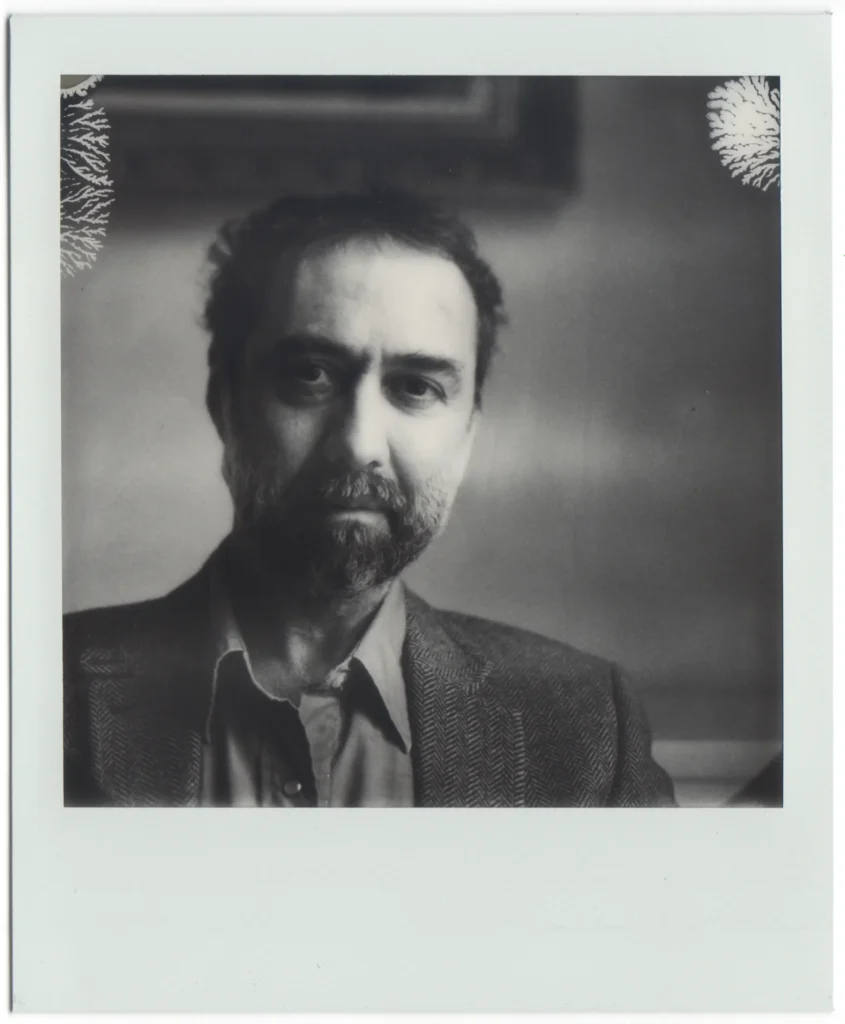
“Everything that I do right now in the world of photography is basically an accident”
Alin Tolea
You can also listen to this episode with Alin on iTunes, Pocket Casts, Spotify, and Castbox.
Connect with fellow photographers and interact with the host, Perrin, gain access to monthly photo contests, discover daily inspiration, and much more!
Built by photographers. Shaped by you.
We are building a new home for photographers, a platform that does not sell your portfolio, bury your shots, or tell you what to shoot next. You do. Community, podcast, Prime Classes, and a pro listing service on the way, all shaped by the photographers who use it.
Joining is completely free until December 2026. After that, a free layer stays for everyone, so you keep access either way.
Become a beta testerInterested in contributing? Visit our Supporter page to find out more
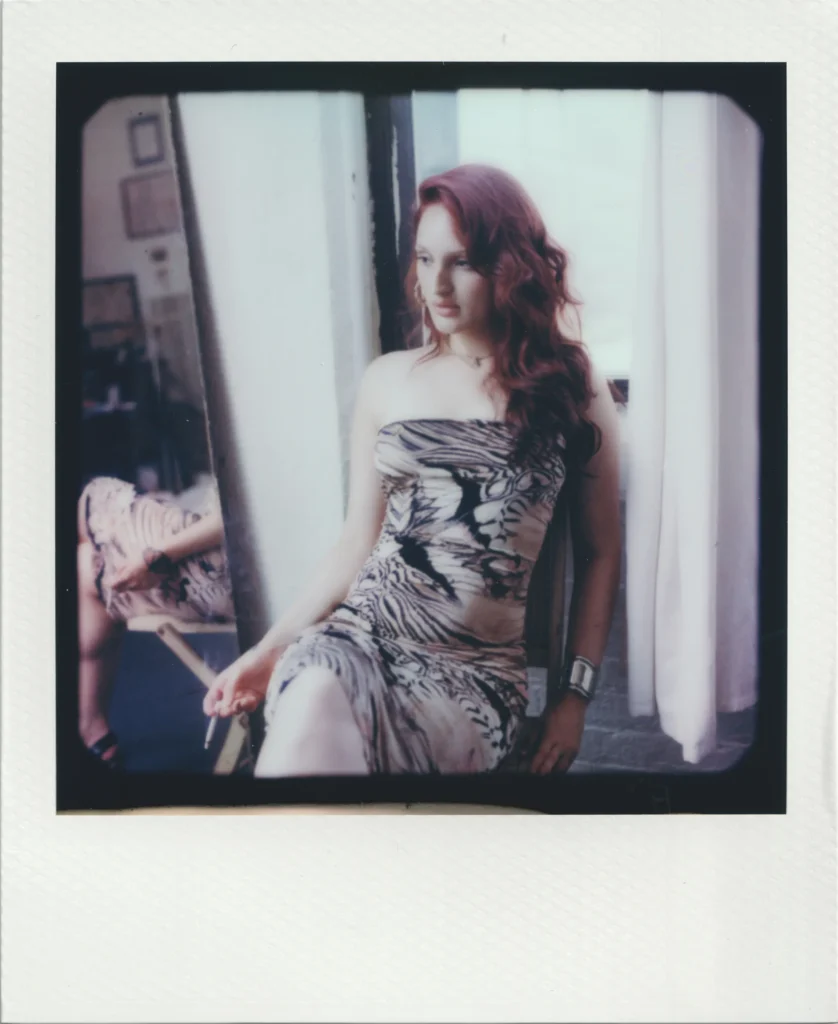
Most people upgrade their cameras. Alin Tolea takes old ones apart and rebuilds them into something they were never meant to be.
He has a PhD in astrophysics. He builds telescopes. He spends his nights thinking about light in ways most photographers never will. And somewhere between all of that, almost entirely by accident, he became a one-man operation dedicated to giving vintage film cameras a second life: modified, rebuilt, and loaded with instant film that nobody thought would work inside them.
The whole thing started the way great detours usually do: with a discontinued film, a camera that couldn’t do what he needed, and the kind of stubbornness that makes a person take things apart instead of giving up on them. When the pack film he loved disappeared from the market, Alin didn’t mourn it and move on. He started reverse engineering everything in sight.
Now he adapts medium format giants like the Mamiya RB67 to shoot Instax film, using 3D printers, hand measurements, and an obsessive attention to detail that his wife would describe more charitably as a problem. Her verdict on the finished products? They don’t look professional enough. His response? They get the job done. And judging by the messages he gets from people who call his cameras their primary shooter, he’s not wrong.
But the gear is really just the entry point.
What Alin is actually chasing is something harder to manufacture. He believes film photography does something a digital file simply can’t: it turns light into an object. Something tactile. Something that survives a hard drive failure, outlasts the platform it was posted on, and doesn’t vanish when you forget to back up. In a world drowning in images that nobody ever prints, that idea feels almost radical.
He also shares something quietly personal in this conversation, a fear rooted in his family’s history with diabetes, that one day he might lose his sight. It’s the thing that haunts him most. Because without seeing, there’s no photography. And without photography, he’s not entirely sure what’s left.
There’s real warmth here, a lot of honesty, and more than a few genuinely funny moments from a man who describes himself as a hobbyist first and an engineer second.
Here’s some of what we get into:
- How a PhD in astrophysics accidentally led to modifying vintage cameras for instant film
- Why he believes film photography is more than nostalgia and what it gives people that digital never can
- The jazz club story: a half-second exposure, a drummer’s blurry hands, and a photo that captured exactly how the musician felt when he played
- The real bottlenecks holding analog photography back and the small, stubborn community keeping it alive
- Why Alin still considers himself a beginner photographer, despite everything he builds
- What he hopes to create next, including the possibility of building a camera entirely from
scratch
Alin calls himself a tinkerer. A hobbyist. Someone still figuring out how to make a great photograph, not just a great camera. And somehow, that’s exactly what makes this conversation worth your time.
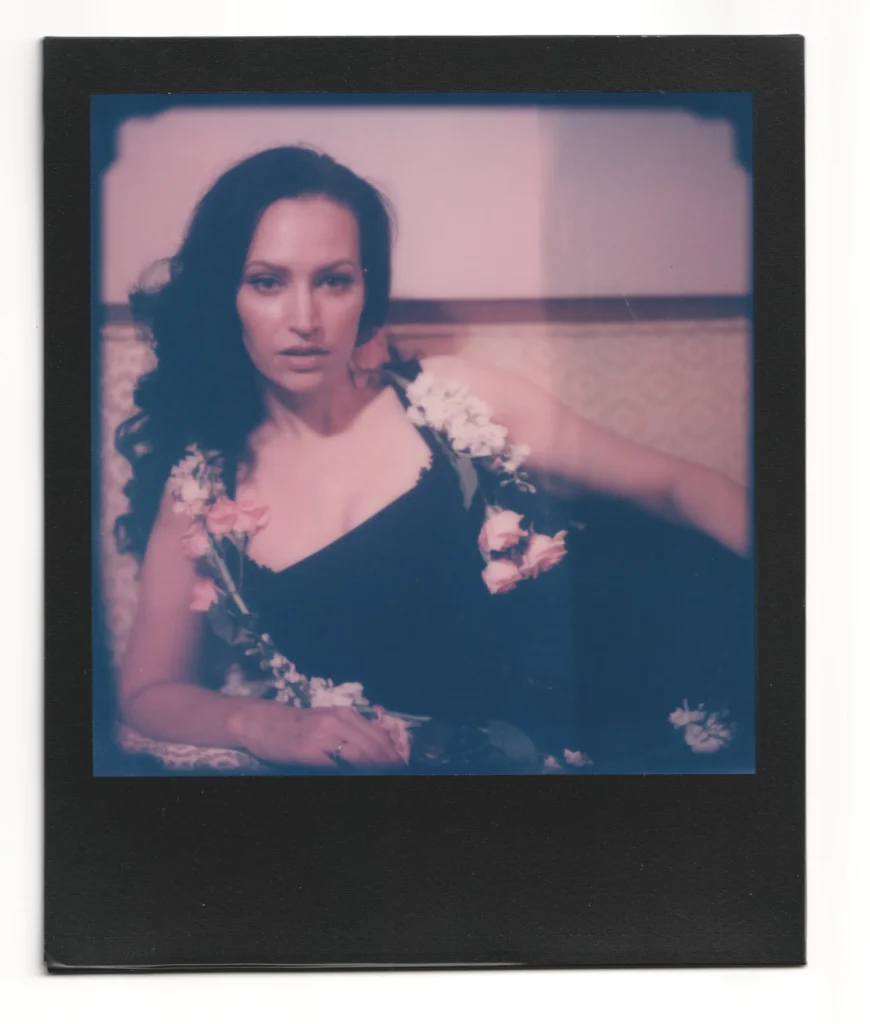
Q: We’re living in the most convenient era of photography in history. So why do you think people are actively choosing the least convenient process possible?
Alin: It’s a desire to be different. When you’re born and raised with a phone in your hand, everything is so fleeting. Some people look at their parents’ photo albums, they’re physical, you can touch them, and then look at themselves drowning in Instagram stories, TikTok, this avalanche of media, and they realize there’s nothing permanent about any of it. A photo doesn’t become real until you do something with it. Once you print it, you hold it in your hand. Going back through a photo album, finding a picture stuck to the fridge, digging through a box years later – that discovery is so much more rewarding than scrolling through ten thousand images on a hard drive. It’s a multisensory connection to a photograph. That’s what this is all about.
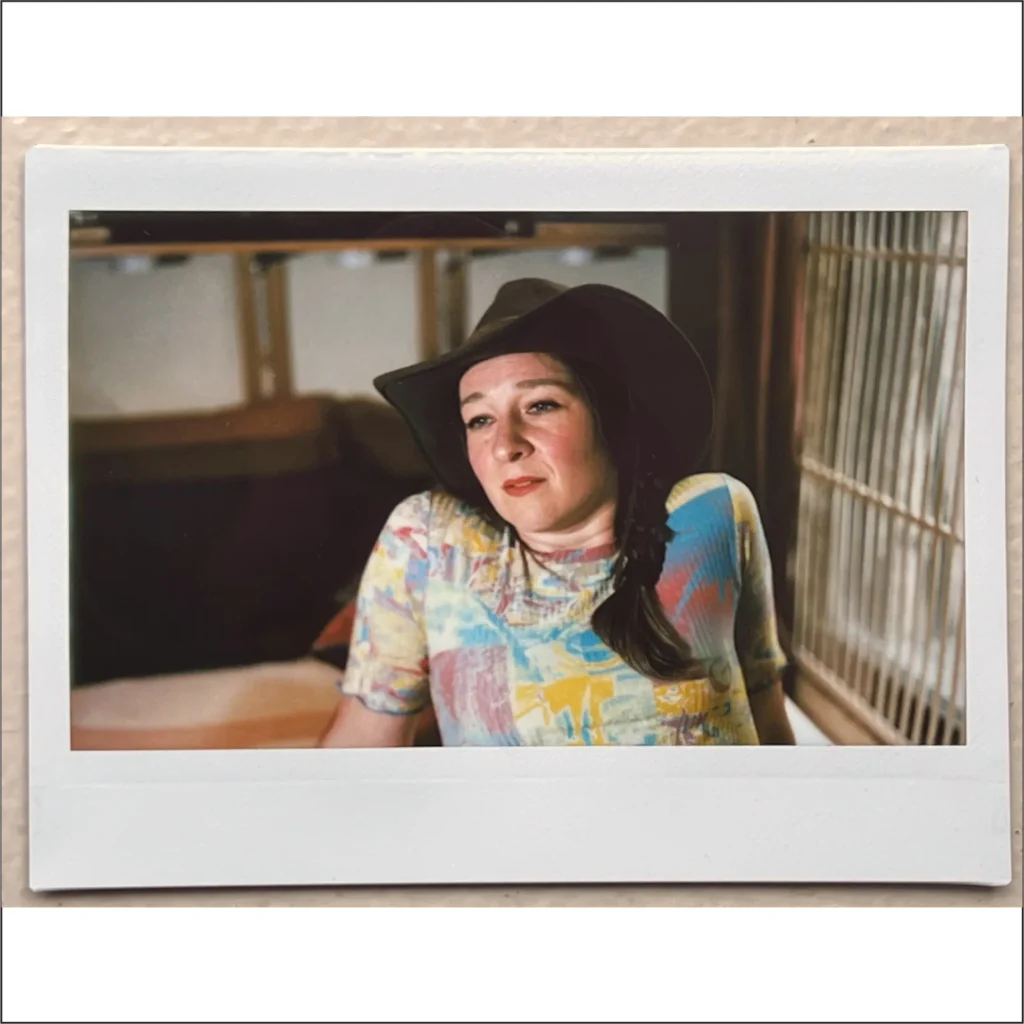
Q: What are the real bottlenecks holding the analog ecosystem back right now?
Alin: Money. That’s it, just money. We’re still a niche. There’s enough renewed interest for Kodak to resurrect film, enough for Ektachrome to come back in large format, thank God, but it’s still not enough. And it’s not just film. Every single product I use is going to die. The cameras are dying. The film formats are being discontinued. Who knows if Polaroid survives as a company? Who knows if Fuji doesn’t just pull the plug on Instax one day – because that’s what Fuji does. I lose money every time I buy materials. My wife asks me why I’m still doing this. And I don’t have a great answer. I just keep going.
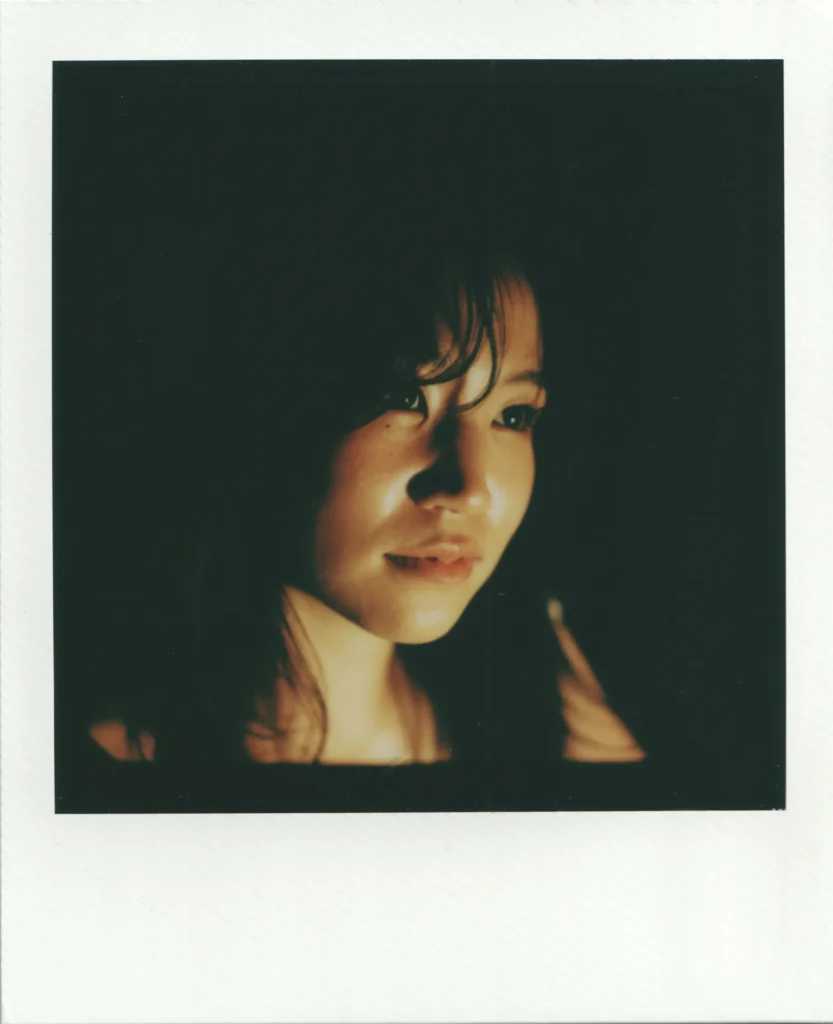
Q: Do you see your role in this space as someone preserving tradition, or pushing toward innovation?
Alin: Honestly? I don’t want anyone else to do it. I want to be the only guy. There are people out there who publish their designs for free, open source everything, and I genuinely admire them. But I can’t do that. I have hundreds of hours and a lot of money poured into these things, and I’m not giving them away. I’m not selling them either. They’re like my babies. Maybe it’s a Romanian thing, we just don’t share. But I spend countless hours giving free advice online, talking to anyone who reaches out. The work itself, the designs, the process? That stays with me. And maybe one day I’ll build a camera completely from scratch. That’s the dream I keep coming back to.
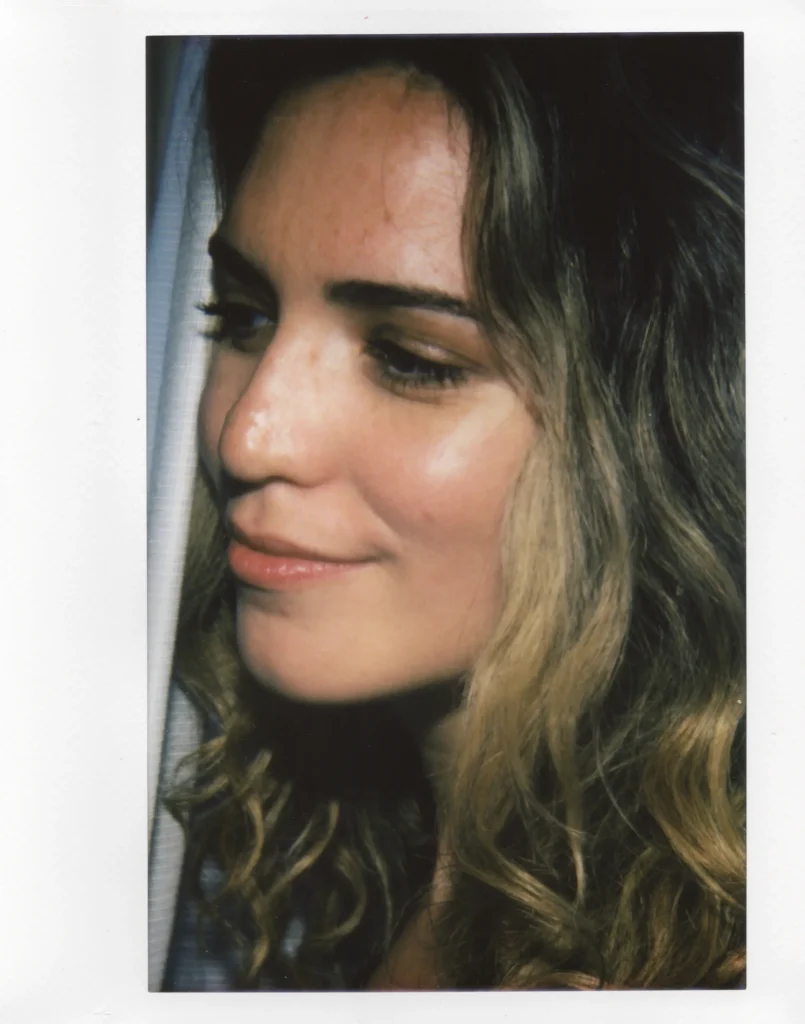
🔗 Connect with Alin Tolea
🧭 What We Talked About
🎼 Early Journey / Origins
- Alin describes himself as a thinker first and says everything he’s doing in photography is basically an accident, prompted by other people and a sense of “why not.”
- He has a PhD in astrophysics and builds telescopes and astronomical cameras, which makes his path into analog photography genuinely unusual.
- He came back to film about 15 years ago after getting a Pentax 645 medium format camera. The size of the negatives compared to 35mm completely blew him away, and that was the turning point.
- A Romanian photographer friend, now based in France and shooting fashion, introduced him to pack film and the Mamiya RB67 with a Polaroid back. Seeing those prints sparked an obsession.
- When Fuji discontinued pack film around 2018, Alin found himself stuck with no film for his camera. That problem eventually became his business.
📖 Philosophy / Vision / Storytelling
- Alin believes the appeal of analog isn’t nostalgia alone. It’s about permanence. Digital images sit on a hard drive and don’t really feel real until you print them or do something with them.
- He described photography as a multisensory experience. The tactile act of opening an album, pulling a print from a box, or discovering photos years later is just fundamentally different from scrolling a camera roll.
- He sees instant film as something special because it takes light and turns it into something you can immediately hold, and that physical thing can outlast a lifetime. He mentioned photographs from the 19th century that are still intact.
- He’s honest that he’s a picture taker, not a photographer with projects. But the cameras connect him with a community of like-minded people, and most of his prints end up as gifts to musicians and people he photographs.
📷 Tools, Gear, and Behind the Scenes
- Alin’s main conversion work centers on adapting instant film backs, originally for Polaroid film and now mostly Instax Wide, for medium format cameras like the Mamiya RB67 and RZ67.
- He started by machining a crude Polaroid back by hand, cutting himself in the process, and sending it to that same French photographer friend. After that, he got a 3D printer during the pandemic and never looked back.
- When the company that made injection-molded adapters discontinued their product, Alin was suddenly the only person making them. His first customer paid $110 for one and he’s been building the business from there.
- He now runs four 3D printers. His wife is his quality standard. If she says it doesn’t look professional enough, it gets revised.
- He shoots concerts with his RB67, including at a jazz club in Miami, where he photographed a drummer at half a second. The motion blur in the hands actually captured how the musician described feeling when he plays. That photograph came back to Alin via Instagram with a genuinely moving message.
🔁 Practice, Teaching, Platforms
- Alin has made backs for a wide range of camera systems, including Mamiya RB67, RZ67, Hasselblad, Fuji GX680, and others, often because specific photographers personally asked him to solve a problem.
- He made Polaroid backs for photographer Graham MacIndoe and videographer Chris Sgroi after meeting them at a concert. Both now use his products.
- A fashion photographer based in Milan, Nicola Delorme, pushed him for a year to build a back for the Fuji GX680. Alin bought the camera just to make it work, made no money on the project, and the two became friends. He later visited him in Milan.
- He spends hours giving free advice to people on Instagram and in online communities. He sees it as part of the ecosystem, even when those conversations don’t lead to sales.
💬 Advice, Creative Strategy, or Challenges
- For anyone wanting to start with film, Alin’s advice is simple: grab an older 35mm like a Canon AE-1, get a light meter, and read a basic photography book. Understand exposure first. The rest is just photography, slightly more expensive and inconvenient.
- For instant film specifically, he’s realistic. Entry into his world costs at least $1,000 if you’re starting from scratch. There’s no way around it.
- He doesn’t sugarcoat the fragility of the ecosystem. Every camera he works with is a finite resource. They’re not making new RB67s. The film companies could pull the plug at any time.
- He’s also clear that he doesn’t share his designs. Hundreds of hours went into each one and he considers them his own in a deeply personal way. He’ll spend hours helping someone understand the process, but the actual files stay with him.
🌍 Influences, People, Brands, or Places
- The Impossible Project (now Polaroid Originals) and Rezivot were key early players in the instant film revival that shaped his work.
- He mentioned several community fixtures worth knowing: a Barcelona-based engineer who reinvented the PCB for the Polaroid SX-70 and released it as public domain; companies like Jollylook and Nons who make Instax backs for high-end camera systems.
- A photographer in Louisville, Kentucky is hand-making four-by-five instant prints, and she’ll be demonstrating the process at a PolaCon event in New York City in late May.
- The Pola Society runs three film-focused community events per year: Texas in September, San Francisco in March, and New York in late May.
- Fuji’s Instax line came up a lot. He shoots Instax Wide himself and has respect for what it offers, while being clear it has a different look and feel from Polaroid chemistry.
🔮 What’s Next for Alin
- He’s actively working toward making a camera entirely from scratch, designed specifically around instant film rather than hacking existing processing units.
- He’s deepening his own photography practice. He wants to eventually have a real body of work, not just tools. That’s the longer-term goal sitting underneath everything else he’s doing.
- He plans to bring product inventory to Pola Society New York this May and has opened pre-orders for that event.
- His mix of astrophysics instincts, machining curiosity, and community obsession keeps pulling him toward a version of this work that’s more intentional. As he put it: he accidentally fell into something that produces beautiful things, and that’s reason enough to keep going.
You are not a user here. You are a co-builder.
The new Great Big Photography World is being built in the open, by the photographers in it. Join the beta, help decide what we ship next, and get in before everyone else. Your feedback shapes the platform, not an algorithm.
Free until December 2026, with a free layer for everyone after, so you keep access either way. No card needed to join.
Become a co-builder