A good photograph comes from intention, mood, atmosphere, and telling a story.
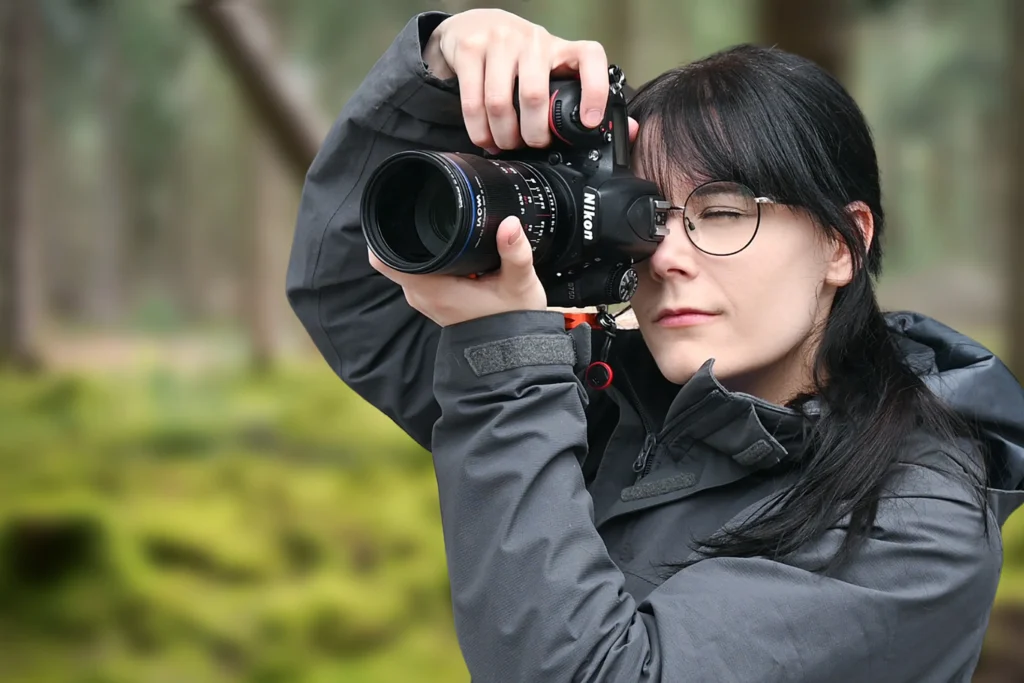
Courtney Victoria
You can also listen to this episode with Courtney on iTunes, Pocket Casts, Spotify, and Castbox.
Connect with fellow photographers and interact with the host, Perrin, gain access to monthly photo contests, discover daily inspiration, and much more!
Built by photographers. Shaped by you.
We are building a new home for photographers, a platform that does not sell your portfolio, bury your shots, or tell you what to shoot next. You do. Community, podcast, Prime Classes, and a pro listing service on the way, all shaped by the photographers who use it.
Joining is completely free until December 2026. After that, a free layer stays for everyone, so you keep access either way.
Become a beta testerInterested in contributing? Visit our Supporter page to find out more
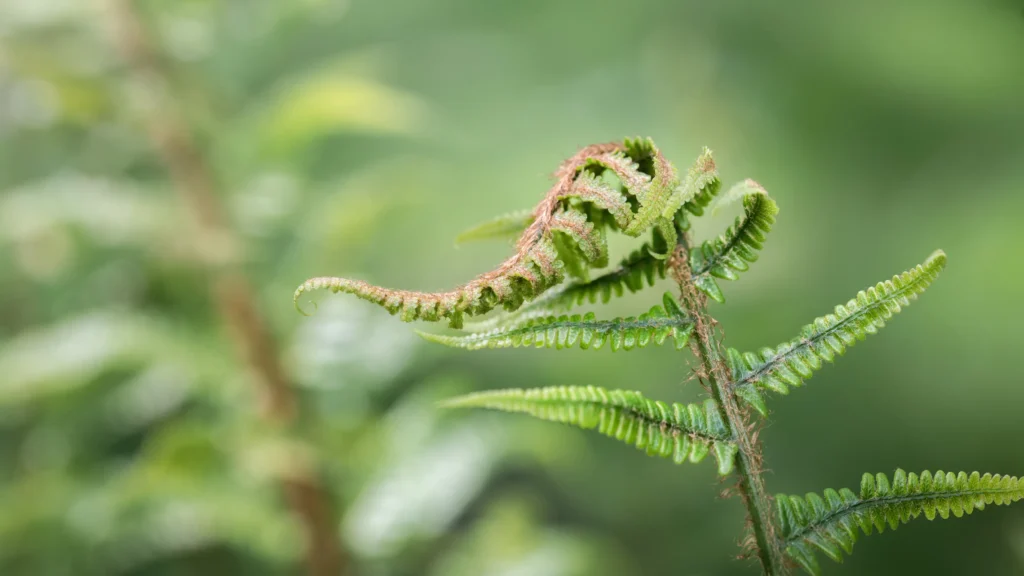
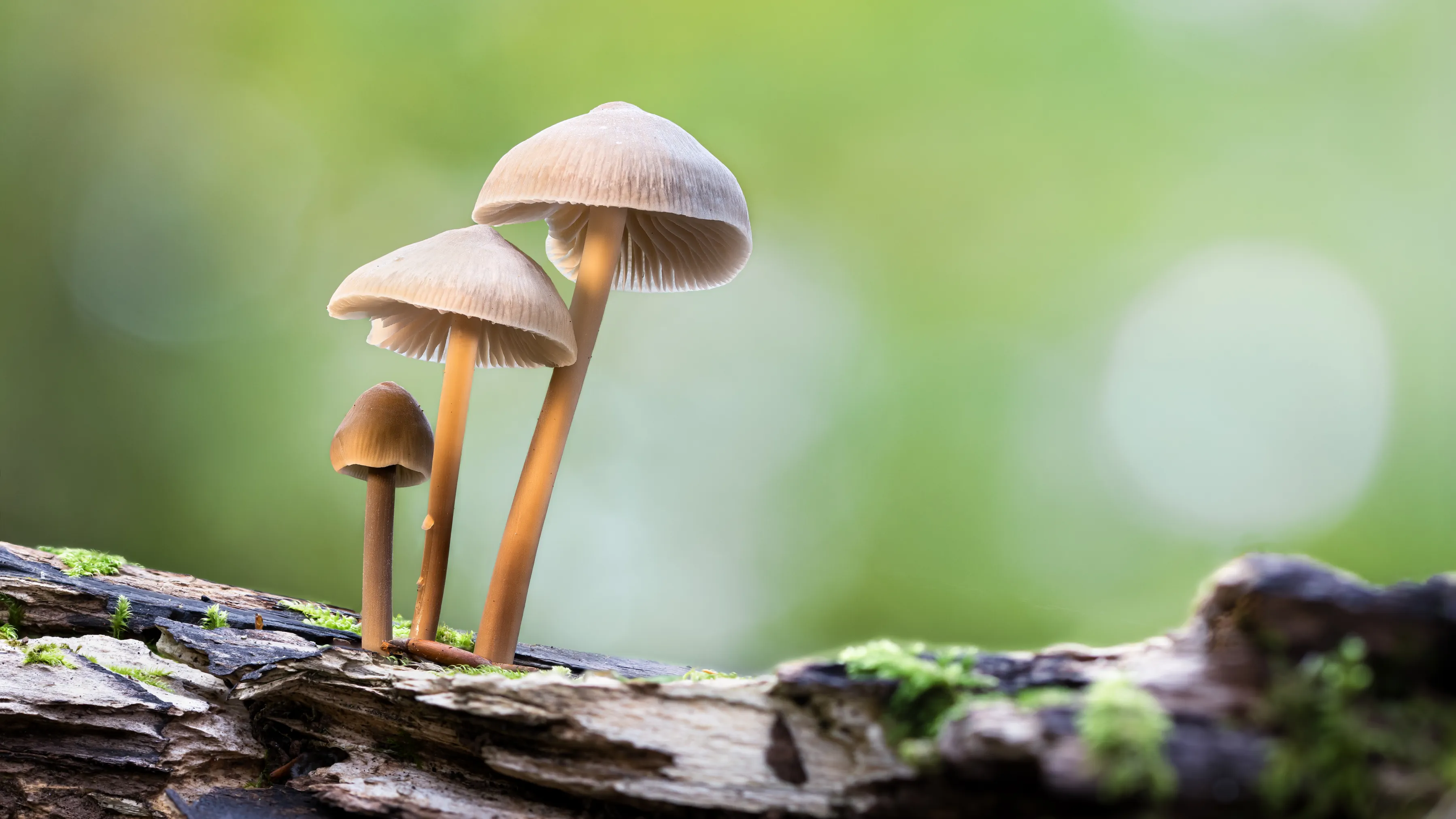
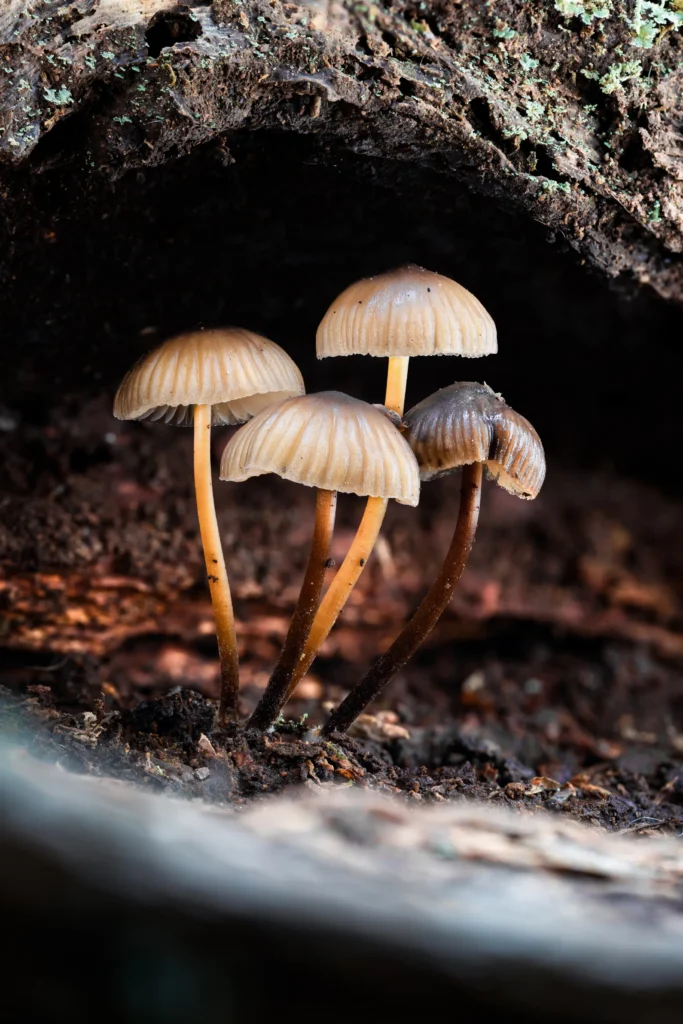
A patch of bark. A single mushroom cap. A few inches of forest floor. Courtney Victoria photographs a world most people step over without noticing, and she’d argue there’s more going on down there than anywhere else you could point a camera.
That conviction didn’t arrive overnight. Courtney studied fine art at university, rotating through printmaking, life drawing, and eventually a darkroom, where a film camera was placed in her hands and she was told to figure it out. Half her shots came out overexposed. Half came out underexposed. But watching that first print come to life in the developer tray was enough. Photography became the medium she’d been searching for, and it hasn’t let go since.
What drew her toward macro work, and specifically toward fungi, was less about the subjects themselves and more about what the scale required of her. Before macro, she walked through the Forest of Dean for years and barely noticed what was growing at her feet. Once she started looking, she couldn’t stop. The woodland, as she puts it, was no longer just trees.
That shift in perception is central to how she works now. She typically leaves her camera in her bag when she first arrives at a location, giving herself time to observe before she starts shooting. The photographs come later, once she’s settled into the kind of quiet attention that makes small things visible. When she does pick up the camera, she’ll often spend an hour with a single subject, working through angles, experimenting with light, looking for what she calls character: the lean of a stem, the shape of a cap, something that looks almost alive in a way you can’t quite explain.
Her YouTube channel documents all of it, including the sessions that don’t go the way she planned. Focus stacks that don’t come together, slime molds that absorb rain and turn to goo before she’s finished, mushrooms that deer step on mid-shoot. That willingness to show the process without tidying it up is, she says, less a teaching strategy than a natural extension of how she actually thinks about photography: as something you’re always in the middle of, never finished with.
Here’s some of what we get into:
- How a first-year university darkroom session sparked a lifelong relationship with photography
- Why leaving the camera in the bag is often the most important part of a shoot
- The way macro work changed how Courtney sees and moves through the forest
- Finding character and mood in subjects measured in centimeters
- The role of artificial light in creating atmosphere when nature doesn’t cooperate
- Why building a YouTube channel around process, not results, has shaped how she thinks about her own growth
Courtney brings a rare combination of technical curiosity and genuine playfulness to this conversation. She’s not trying to have everything figured out, and she’s honest about the fact that she probably never will. That openness is exactly what makes her work worth paying attention to.
Hope you enjoy the conversation.
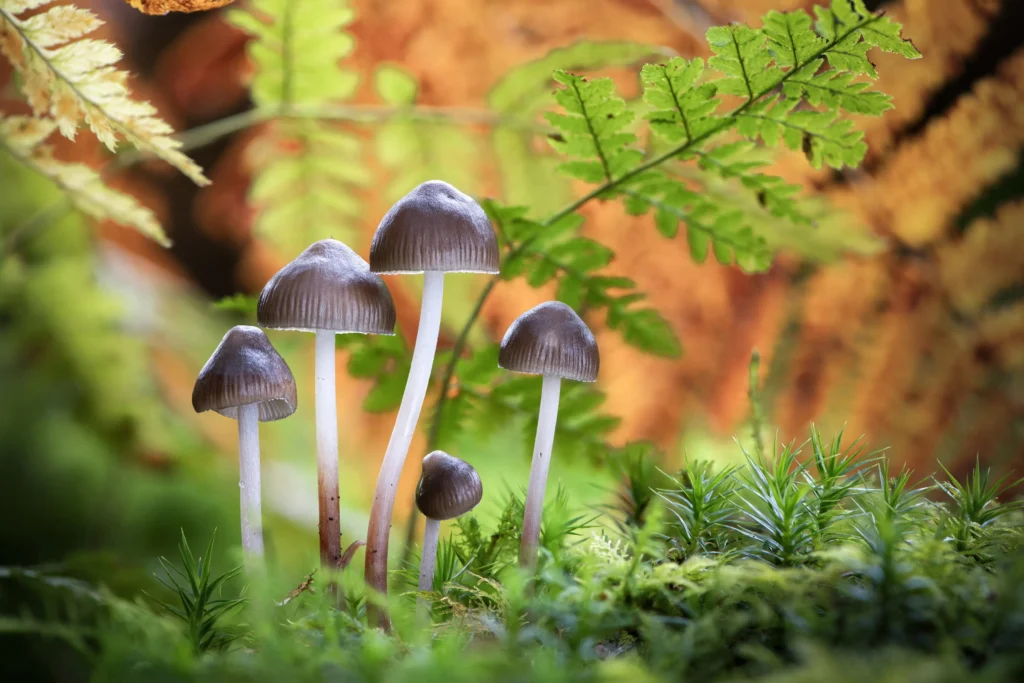
Q: Before macro photography, were you actually missing things right in front of you?
Courtney: I felt as though I was walking around the forest completely blind. I work a lot in the Forest of Dean and I explored it for a couple of years before I noticed my first fungi. I thought, how have I never spotted these before? I must have walked past hundreds of them and just never looked because I wasn’t paying attention. And then all of a sudden, this whole big world just erupted.
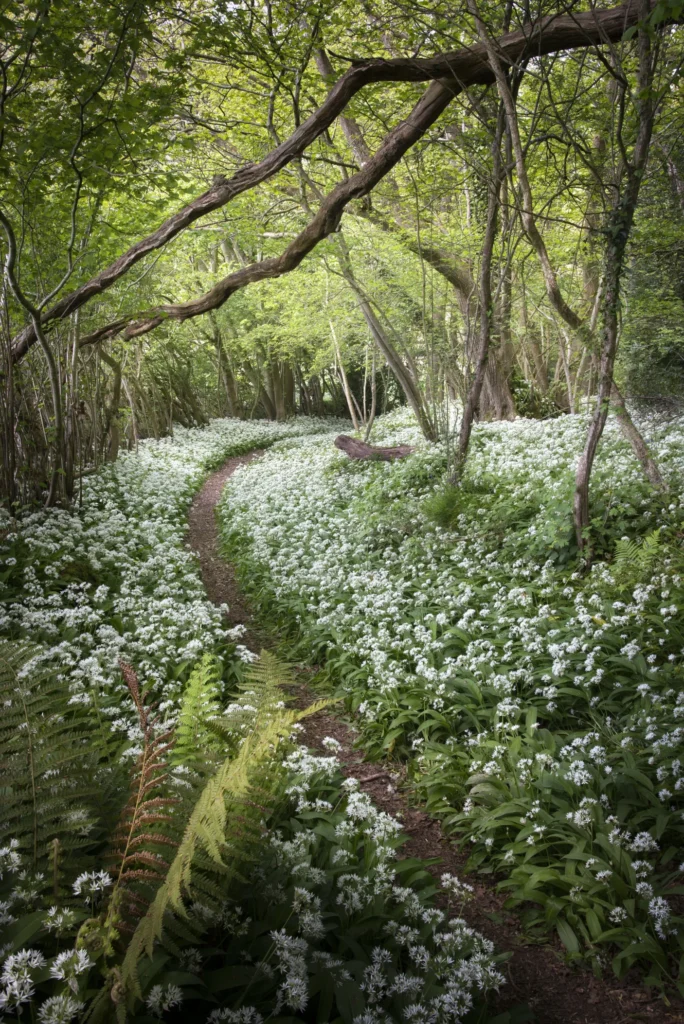
Q: What’s the most technically challenging aspect of macro work that most people don’t realize until they’ve actually tried it?
Courtney: I think focus bracketing is something that many think is going to be the most difficult thing. But once you’ve got the technique down, it’s pretty easy. The most difficult thing is stability. At high magnifications, every movement is magnified. And if you’re working with really high magnifications, three, five times plus, it’s very challenging. It’s almost like driving a familiar route and suddenly realizing you’re there without remembering the journey. You can be so in the zone that you’ve knocked something or missed a distraction in your background without even noticing.
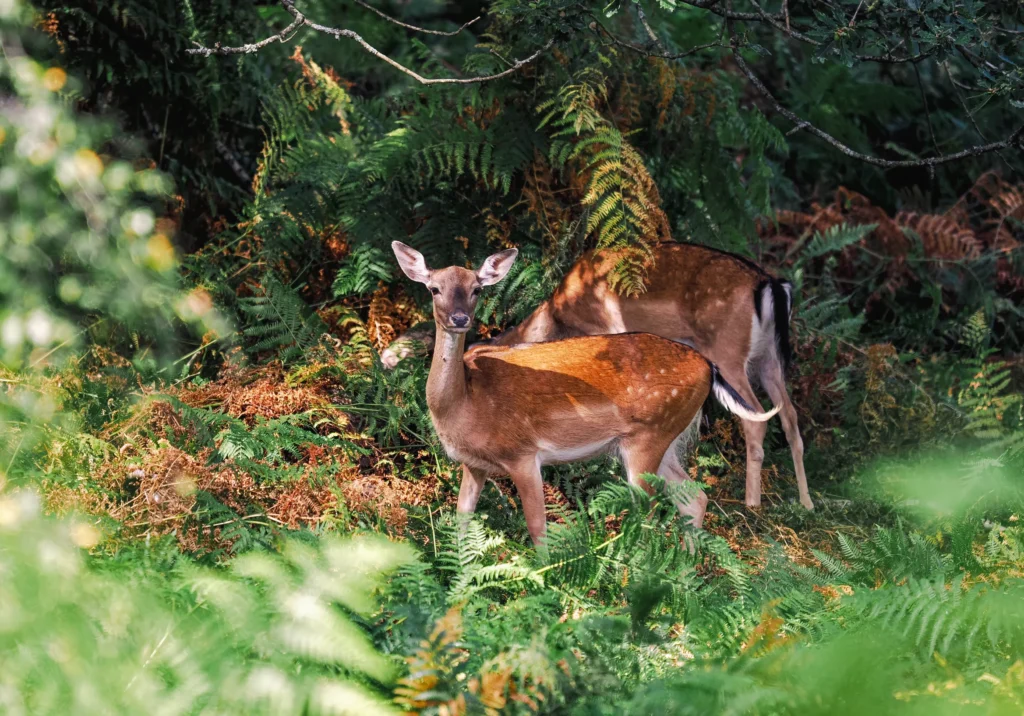
Q: What would you tell a photographer who feels like they need to travel somewhere impressive to take a meaningful image?
Courtney: Honestly, I would tell them to start close to home and go somewhere familiar. There’s a big misconception that you have to go to dramatic or famous locations to take good images. A good photograph doesn’t come from how impressive a place is. It comes from intention and mood and atmosphere and telling a story, and you can do that absolutely anywhere.
Connect with Courtney Victoria
🧭 What We Talked About
🎨 Early Journey / Origins
- Courtney’s path into photography began in her first semester of university when she was handed a film camera and sent into a darkroom with no prior experience.
- Watching her first print develop in the chemical bath, she knew immediately that photography was the medium she had been searching for across years of studying fine art, scenic design, and theatre design.
- She transitioned to digital after university when she no longer had darkroom access, finding that the freedom to experiment and delete mistakes made learning far easier.
- The discipline she gained from shooting on film, specifically being deliberate and intentional with every frame, carried into her digital work and still shapes how she shoots today.
- Her landscape eye developed while living in South Korea, where exploring a visually and culturally unfamiliar country pushed her to look more carefully, think conceptually about her images, and develop a deeper observational awareness.
- When she returned to England during the pandemic lockdowns, she applied that same exploratory mindset to Gloucestershire, a place she had never lived before, treating familiar British woodland as new territory.
📖 Philosophy / Vision / Storytelling
- Courtney’s photography is rooted in the belief that meaningful images come from intention, mood, and storytelling rather than from dramatic or famous locations.
- She draws creative inspiration from fantasy literature and film, particularly the way ordinary places like a forest path or a twisted tree can feel like windows into entirely different worlds.
- Her instinct when shooting is to look for character, gesture, and personality in her subjects, whether that is a mushroom that seems to lean with curiosity or a branch that appears to be mid-dance.
- She believes strongly in embracing imperfection and failure as part of the creative process, and that photographers who only share polished results create a distorted picture of what the craft actually involves.
- For Courtney, the process has always mattered more than the destination, and the goal is no longer mastery but continuous learning, which she sees as the only direction that keeps the work alive.
📷 Tools, Gear, and Craft
- Courtney uses focus bracketing in the field and stacks the resulting frames in post, a distinction she had to work out consciously after the two terms were used interchangeably in the macro community.
- At high magnifications, camera stability becomes the most underestimated technical challenge, every micro-movement is amplified, and she has discovered that tools designed to help, like a remote shutter, can inadvertently introduce vibration if handled carelessly.
- She photographed slime mold at extreme magnification using a macro rail and remote shutter, only to find the subject literally dissolving into a different form once rain caused it to swell and merge together.
- Artificial light entered her practice gradually after she recognized that transplanting landscape photography’s purely natural-light approach to macro work often produces flat or inconsistent results, particularly in the darkness of dense woodland.
- She now uses lighting deliberately to match the emotional character of a subject, reaching for more dramatic lighting when a subject feels dramatic, and diffused or minimal light for quieter, more intimate scenes.
- She uses her phone to quickly scout angles before committing to a camera setup, getting flat on the ground to check what is happening beneath a mushroom cap before deciding on her composition.
🌲 Working Locally / Seeing Deeply
- Courtney works primarily in the Forest of Dean in Gloucestershire, a woodland she has visited repeatedly across seasons and in different sections to keep her perspective fresh.
- She describes the experience of getting into macro photography as being like gaining a completely new kind of vision, suddenly noticing hundreds of fungi she had walked past for years without ever registering.
- Her pre-shoot ritual involves leaving the camera in the bag entirely and walking with no intention other than curiosity, which she describes as a mindfulness exercise that allows the necessary perceptual shift to happen.
- When she finds herself walking too far without noticing anything, she treats it as a signal that her mind is too cluttered or too fixed on finding something specific to actually see what is there.
- Location burnout is real, and she manages it by rotating between sections of the forest or stepping away to shoot landscape in a different part of the country, returning with fresh eyes each time.
💬 Advice for Photographers
- Start close to home and go somewhere familiar rather than chasing impressive locations, a park, a back garden, or a local woodland will provide more than enough material.
- Leave the camera in the bag at first and observe the space with curiosity rather than hunting for photographs.
- Use visual prompts as a creative exercise, asking yourself to find something green, or to find three of something, as a way of shifting perception and noticing things you would otherwise walk past.
- A good photograph does not come from how impressive a location is, it comes from intention, atmosphere, and a story worth telling, and those can be found absolutely anywhere.
🔮 What’s Next for Courtney
- Courtney is pushing herself outside her established habits and comfort zones in 2026, with street photography sitting at the top of her list of discomforts worth confronting.
- She is also continuing to deepen her work with artificial light, driven in part by the influence of macro photographer Daniel Aucoin, whose creative use of lighting she described as a genuine inspiration.
- More than specific technical goals, she says her deepest ambition is simply to stay attentive to the world around her and keep learning how she sees, what she responds to emotionally, and why certain places and moments resonate with her.
You are not a user here. You are a co-builder.
The new Great Big Photography World is being built in the open, by the photographers in it. Join the beta, help decide what we ship next, and get in before everyone else. Your feedback shapes the platform, not an algorithm.
Free until December 2026, with a free layer for everyone after, so you keep access either way. No card needed to join.
Become a co-builder