Purpose, preparation, practice, patience, and passion – that’s what makes a wildlife photographer.
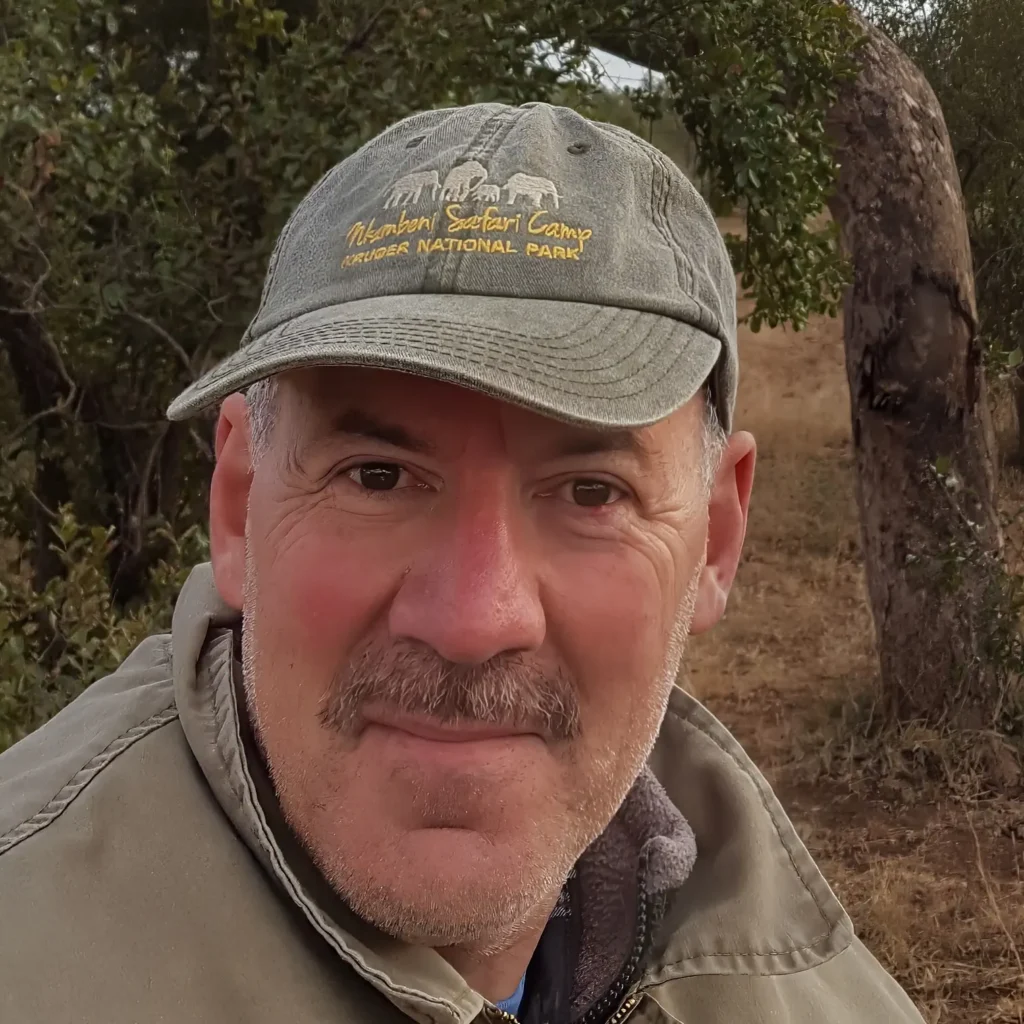
Mario Fazekas
You can also listen to this episode with Mario on iTunes, Pocket Casts, Spotify, Castbox, and Google Podcast
Check out our photo community and interact with the host, Perrin, gain access to monthly photo contests, discover daily inspiration, and much more!
Interested in contributing? Visit our Supporter page to find out more.
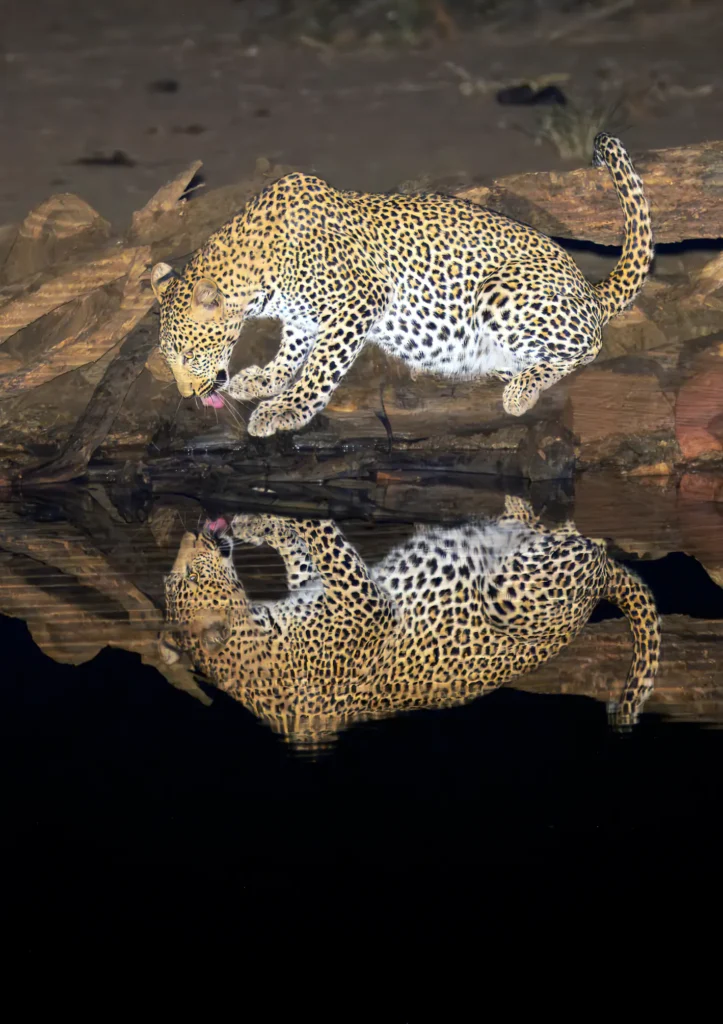
There’s a certain kind of silence you only find in the bush, just before dawn, before the birds start calling and the world wakes up. It’s in that stillness that Mario Fazekas often finds himself, camera balanced on the window frame, eyes scanning the trees for the faint twitch of a leopard’s tail.
You wouldn’t guess it, but Mario’s path into wildlife photography wasn’t born from a childhood love of animals or a lifelong dream to photograph the wild. It began with boredom – pouring rain, a lodge window, and a distant beam of sun shining over Kruger National Park. He didn’t want to go at first. Parks weren’t his thing. But his wife convinced him, slowly. And once he passed through the gate at Kruger, something shifted. He fell in love. He was home.
Since then, Mario has spent over a thousand days in southern Africa’s parks, photographing everything from leopard cubs to constellations, all while balancing a full-time career in fraud training. His love for nature didn’t replace his professional life, it runs alongside it, enriching it. And in many ways, that duality is what makes Mario such a thoughtful photographer and teacher.
In this conversation, we dig into what it really means to photograph wildlife with patience and purpose. Mario talks about the slow learning curve of tracking animals, why the best guides don’t always follow the schedule, and how ethics play a bigger role than most people realize when photographing in the wild.
Here’s some of what we get into:
- How a reluctant trip to Kruger turned into a lifelong love (and over 1,000 days in the park)
- The delicate dance of self-drive vs. guided safaris-and how it changes your photography
- Mario’s hard-earned tips for predicting animal behavior (and how to wait for the right light)
- Ethical photography in high-traffic parks and why silence matters more than you think
- What wildlife taught him that no classroom ever could
- Why being a good observer often means doing… absolutely nothing
Mario brings a rare blend of technical insight, real-world experience, and a deep, contagious love for the natural world. If you’ve ever dreamed of photographing the wild, or just want to hear how passion can find you when you least expect it, this one’s for you.
Q: What did wildlife teach you that photography alone couldn’t?
Mario: I think you’ve got to be patient. You’ve got to fit into the animal’s schedule. A lot of people go to the park and say, “I didn’t see any animals,” but they don’t think about the conditions-windy days, cloudy mornings. I’ve had some of my best landscapes when the sun didn’t show at all but the sky lit up with color. It’s about observation and understanding how nature works.
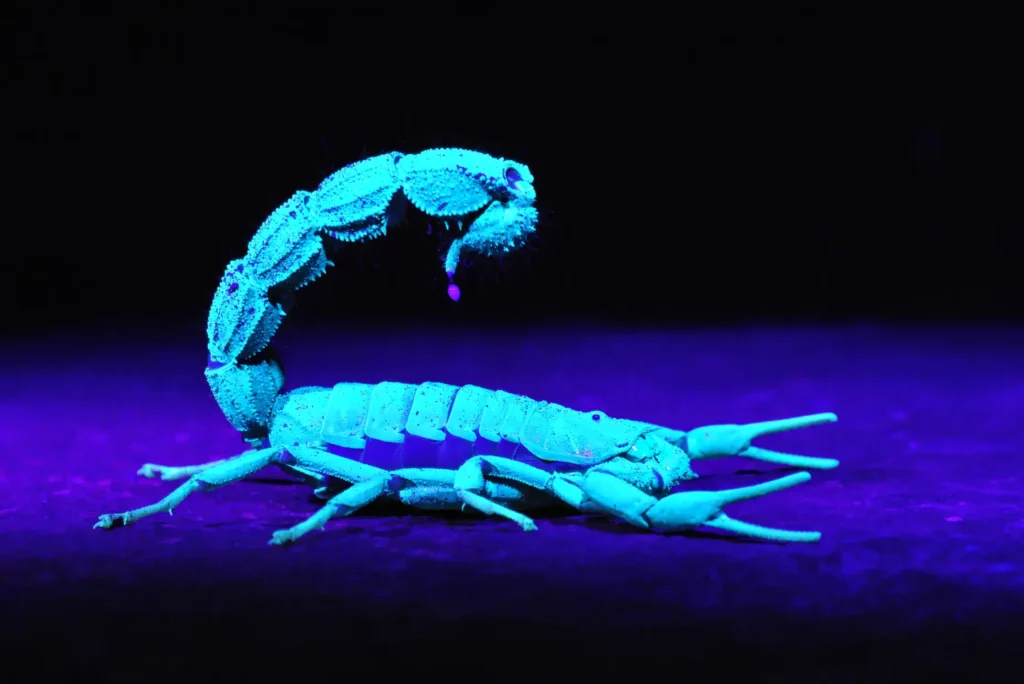
Q: How do you decide when not to take a photo?
Mario: You think of the welfare of the animal. I read about photographers in India who destroyed the habitat of constellation frogs just to get a shot. That’s too far. For me, it’s always animal welfare first, photograph last. The idea is to show them in their natural behavior, not stressed or manipulated.
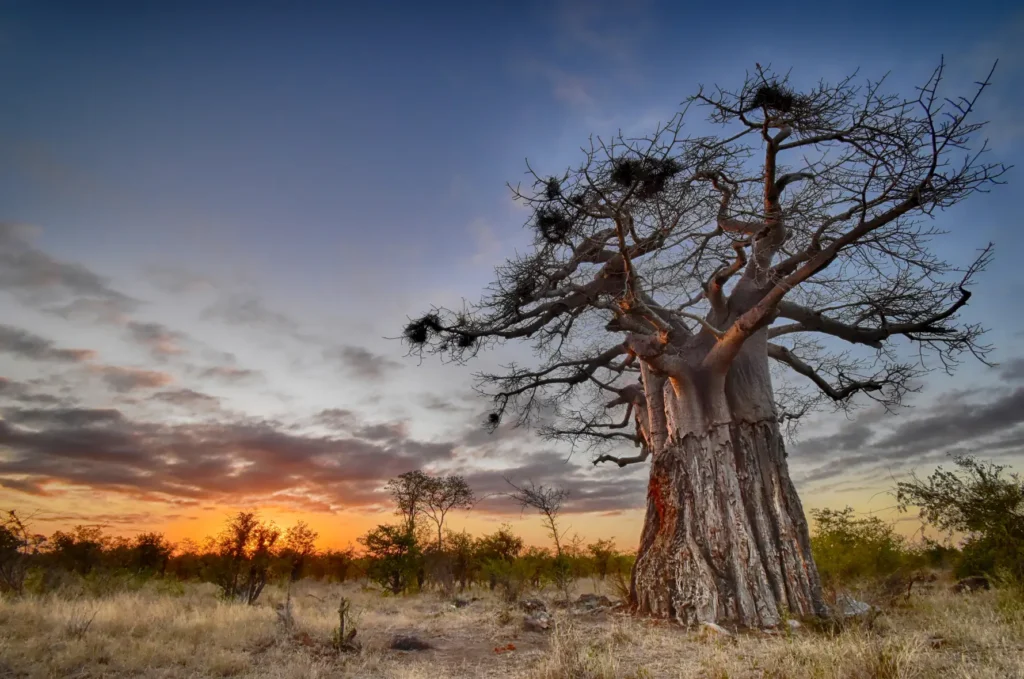
Q: What expectations should aspiring wildlife photographers let go of?
Mario: They come with the mindset that they must go home with something. Yes, you can, but go with the flow and make the most of what you get. Some people pack away their gear too early or miss things right at the park gate. You’ve got to be ready from the moment you arrive and let go of the idea that every day will give you a National Geographic moment.
🔗 Connect with Mario Fazekas
🧭 What We Talked About
🎼 Early Journey / Origins
- Mario’s unexpected entry into photography, thanks to his wife’s love for nature and national parks.
- First visit to Kruger National Park in 1995 sparked a passion that’s lasted over 30 years – with over 1,000 days spent in the park.
- Started with a Kodak point-and-shoot and quickly upgraded through Minolta to a long-standing relationship with Nikon.
📖 Philosophy / Vision / Storytelling
- Mario’s five Ps of wildlife photography: Purpose, Preparation, Practice, Patience, and Passion.
- Deep belief in respecting the animal’s schedule and behavior rather than forcing a shot.
- Uses photography as a form of storytelling, often capturing full sequences – from wide environmental shots to detailed portraits.
📷 Tools, Gear, and Behind the Scenes
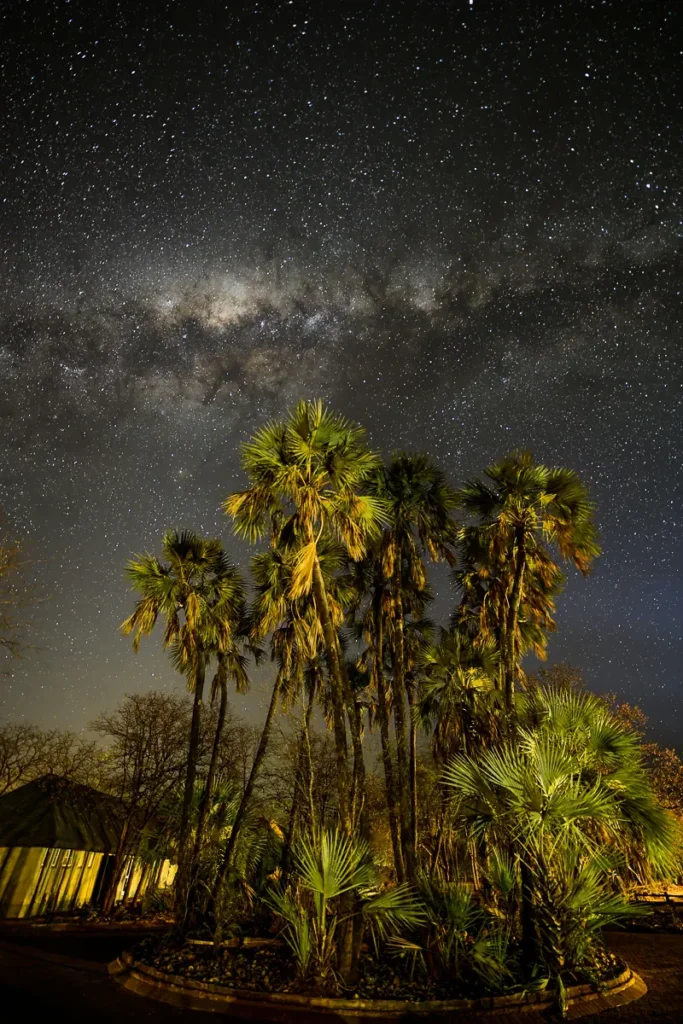
- Primary gear: Sigma 60–600mm, 14mm Sigma f/1.8 for astrophotography.
- Carries three camera bodies to avoid changing lenses in dusty environments.
- Uses Stellarium to plan astrophotography; also employs Topaz Photo AI, DxO, and Luminar Neo for post-processing.
- Emphasizes being light- and situation-driven, not just subject-driven.
🔁 Practice, Teaching, Platforms
- Co-creator of the Kruger to Kalahari website and a prolific e-book author.
- Deeply passionate about mentoring others, from fraud examiners to wildlife photographers.
- Partnering with Great Big Photography World to develop Prime Classes on safari and wildlife photography.
💬 Advice, Creative Strategy, or Challenges
- Recommends self-drive safaris for creative flexibility; guided safaris can be limited by group interests and strict timelines.
- Key advice for beginners: “Be ready from the gate” – always keep your gear accessible.
- Advocates for going out with curiosity, not expectations – the best moments are often unplanned.
🌍 Influences, People, Brands, or Places
- Influenced by photographers like Joe McDonald, Arthur Morris, Moose Peterson, and David Yarrow.
- Shoots in diverse regions including Kruger, Etosha, Madikwe, and Namibia’s Kalahari.
- Photographic ethics: strongly advocates for “leave no trace” principles and discourages baiting or disturbing wildlife.
🔮 What’s Next for Mario
- Developing his fifth e-book, focused on Madikwe Game Reserve.
- Continuing to evolve the Great Big Photography World Prime Class series with new modules on storytelling and photographic technique.
- Eager to keep inspiring others, and being inspired, through teaching, travel, and photography.