


I was twenty years old when I found myself in Sapa, Vietnam. One of the most breathtaking regions in the world, and severely underrated by photographers who have not made the trip into the villages. To know Sapa is to know the mountains that surround it. To feel it, you have to venture into the tiny villages within.
It was here that I did my first real, authentic portrait work, photographing the Hmong people, the market workers, the faces that made the place what it was. On one particular day, the light was brutal. I was walking down a road of white pavement with a yellowish tint, decorated with red stripes, when I saw him. An elderly gentleman, weathered from life, carrying on his back a large, robust bag filled with aluminum cans, he was going to sell to feed himself. The subject was striking. I did not have much time.
The background was the mountains, beautiful and blazing, and the sun was creating a harsh white light. The foreground was the same white pavement. A balanced exposure was impossible. Expose for the background and my subject disappears. Expose for him, and I lose everything around him, the story, the environment, the context that made the image mean something.
I had just started shooting fully manual. I did not know how to react, and I did not have long to decide. So I did what felt right. I overexposed the background, overexposed the foreground, and properly exposed my subject. Not ideal. But in that situation, it was my situation. And sometimes you have to learn to accept that.
Why Portraits Fall Apart When the Light Fails
When I was nineteen, I could not find work as a photographer in France, so I ventured to Ireland, where I was hired as a portrait photographer in a studio. I enjoyed that job enormously. It taught me more than I could have learned anywhere else, and I can say with some pride that I was paid to learn the art of photography. Strobe lights, reflectors, diffusers, and high-end cameras with quality optics. That is how I learned. I do not regret a single day of it.
But I will be honest with you. I learned in the best possible circumstances. Controlled, predictable, repeatable. When I decided I had enough of that education, I took my savings and flew to Southeast Asia. I thought I was confident. I was, if I am being completely transparent, a little bit cocky.
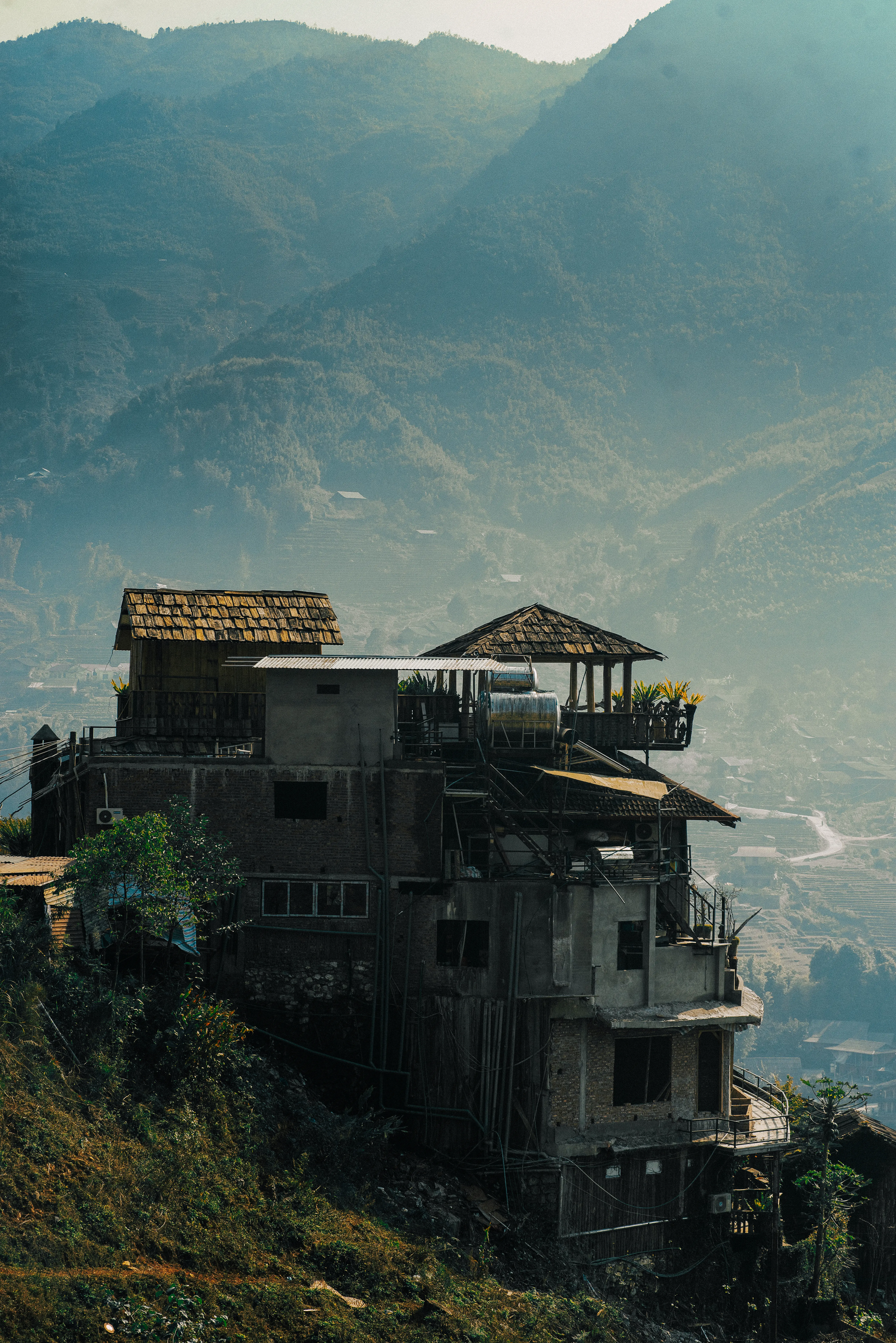
I remember walking through Indonesia with my Sony camera, thinking nothing could get in my way. I was wrong. There is a difference, a significant one, between a clinical studio environment and being out there in the world with ten seconds to react and no assistant handing you a reflector. All the time I had spent on lighting ratios and exposure triangles meant nothing in the moment because in the real world, I did not have thirty minutes to prepare. I had ten seconds.
The biggest change in my photography career was not a better camera. It was not a deeper understanding of flash or diffusion. It was learning to accept the moment for what it was. To understand that an imperfect exposure of the right moment is worth infinitely more than a perfect exposure of nothing.
What Changes in Real Conditions
In a studio, the variables hold still. The light stays where you put it, the subject waits, and nothing in the room is working to break your concentration. Step outside, into a real street in a real country, and every one of those things turns on you at once. The light shifts by the hour. The subject moves on without you. The environment, the heat, the noise, your own tired body, all of it pushes against the photograph you are trying to make. None of this was in the manual I was handed in Ireland. You learn it in the field, or you do not learn it at all.
Light is not consistent
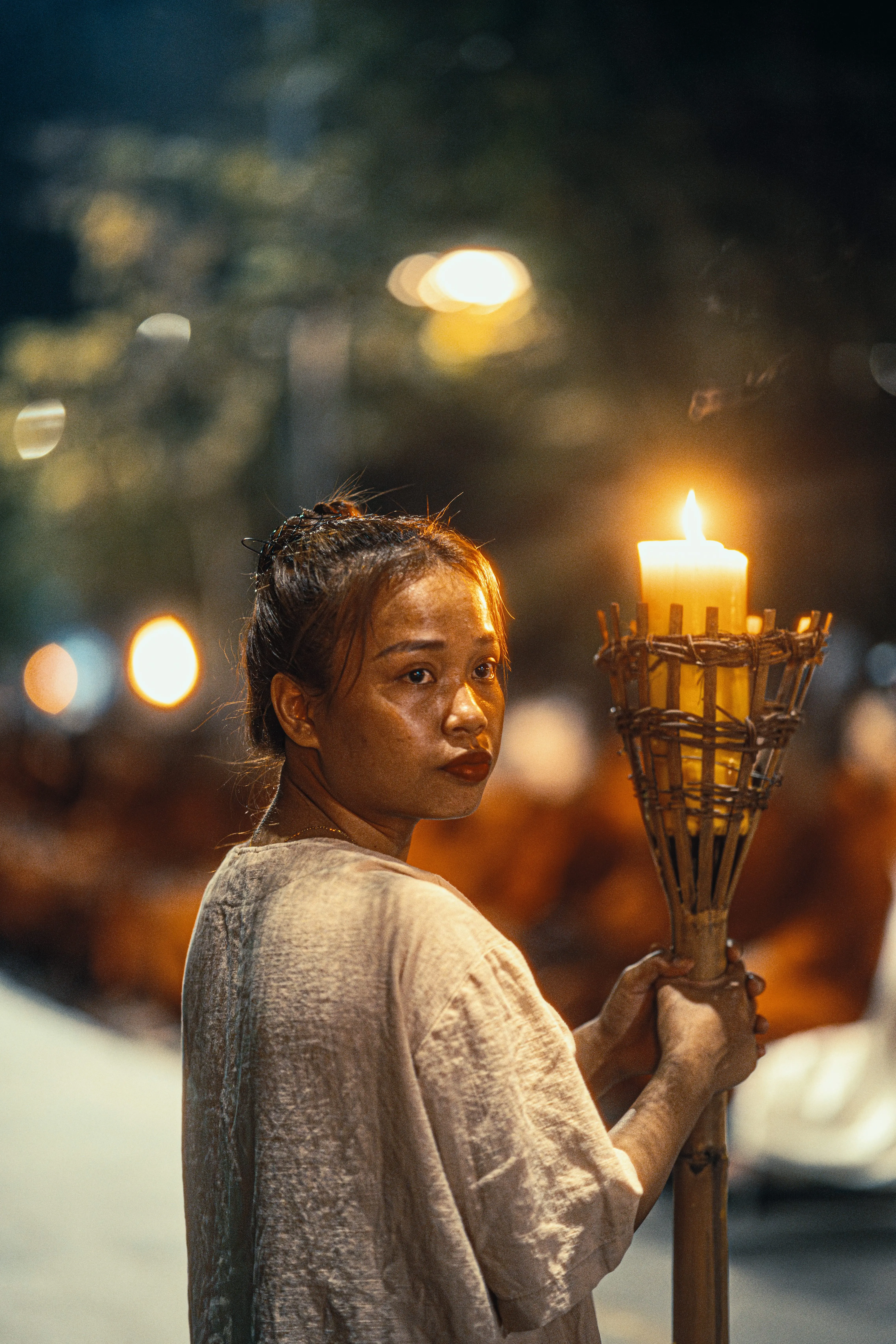
They say the early bird catches the worm. Arrive somewhere in Southeast Asia at seven in the morning, and you will find shop owners setting up, market stalls coming to life, fishermen finishing their night, butchers starting theirs. That energy is entirely different from the rush of lunchtime, where people are moving fast, and the sun is at its most unforgiving. Which is entirely different again to the evening, when people are slower, having a beer, talking about their day. The light shifts with all of it. I have learned to embrace that rather than fight it. Light has a psychological effect on my subject and on me, and understanding that has changed how I plan a day of shooting more than any technical knowledge ever did.
The subject doesn’t wait
You may think to yourself that you have it all figured out because you have mastered the exposure triangle. You know your ISO, your shutter speed, your aperture, and your gear inside and out. And perhaps you are right. But you have to take other things into question.
Have you ever taken portraits on the busy streets of Ho Chi Minh City with the heat on your back, sweat beading down your shirt, sticky, humid hands, the roar of hundreds of engines surrounding you, the smell of gasoline, and people yelling left, right, and centre? In that environment, are you able to remember the exposure triangle? Are you even able to muster the courage to try? In conditions like these, I rely almost purely on instinct. So I will ask you again: do you know the exposure triangle for real, or are you just cocky like I once was?
The environment works against you
All of these things are working against you at once. The fatigue. The culture shock. Maybe a stomachache from a bowl of pho you should not have eaten in a sketchy back alley. These things play against your physical state and your mental state simultaneously, and your camera does not care.
Time pressure and fatigue
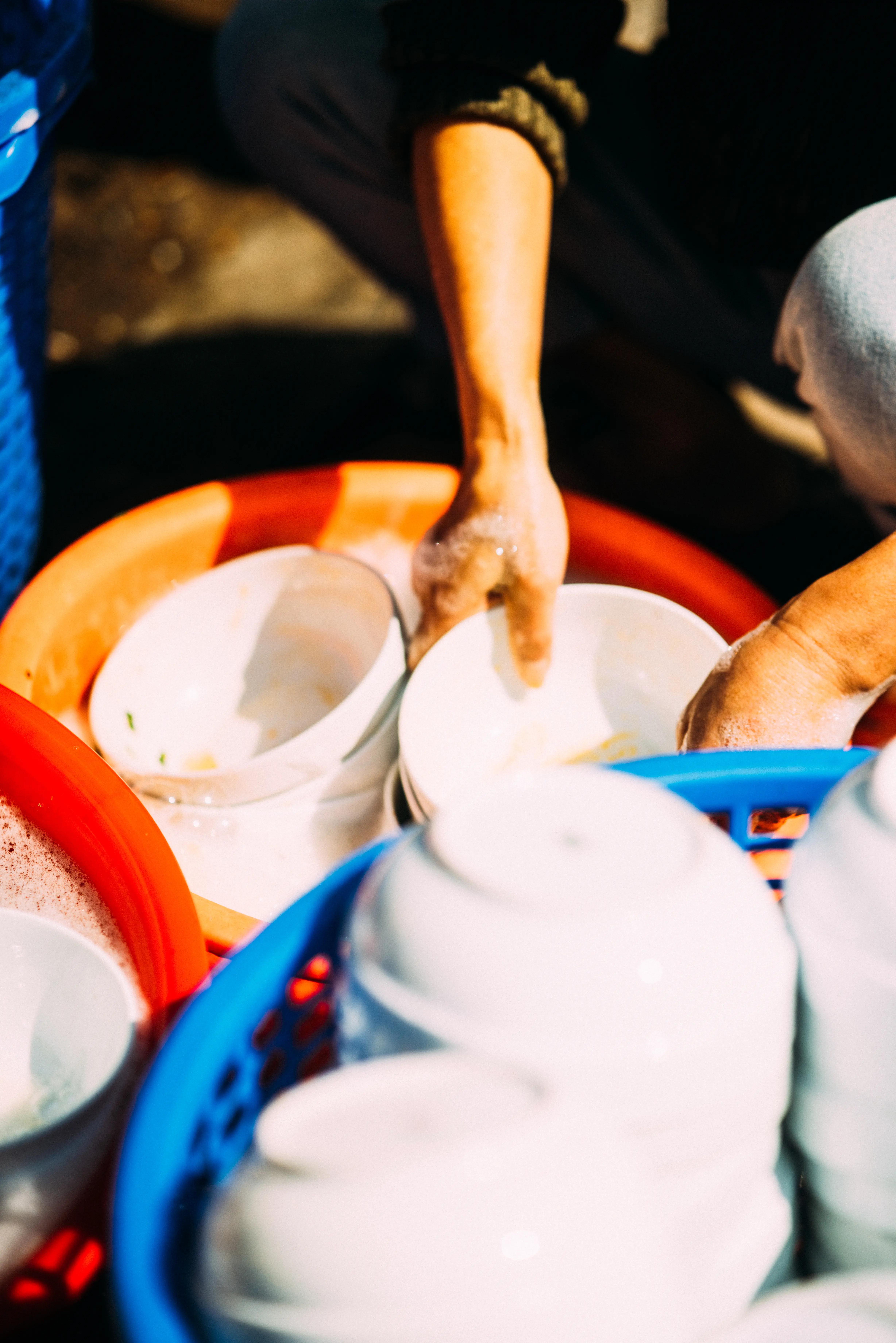
The subject does not wait. You cannot ask someone who does not speak your language, nor you theirs, to hold on a little longer while you sort yourself out. You have to be in that moment, right then, and take the image. There is no retry. In Southeast Asia, in particular, in my experience, there are a million tiny moments happening all at once. Once one is gone, it is replaced by another. Do not look back. It is finite. Move on to the next one.
The Real Problem: Not Light, But Decision Paralysis
I am going to be vulnerable with you for a moment, because I believe we learn more from our failures than we do from our successes.
I was on the island of Lombok in Indonesia. I had spent the day riding around with a photography friend on a tiny 125cc moped with no real clear aim in sight. It was more of a fun day than a work day. We stopped at a petrol station to fill up the tank, and as my friend sorted the moped, I looked up and saw her.
A rice terrace. Nobody there to interrupt the moment except one woman in a traditional rice farmer hat, wearing, coincidentally and rarely enough, a bright red dress. Surrounded by greenery and culture. The contrast was striking. The image was right there in front of me.
But the sun had already set. We were in blue hour. This was at a time when golden hour was the biggest buzzword on Instagram, and I had convinced myself I had arrived too late. I stood there thinking: this image would have been so much better in golden light. I did not want the blue cast of the background. The light was wrong.
By the time my friend finished filling the tank and told me we had better get moving, I left. I obliged. I did not take the image.
It is one of the most beautiful moments I have ever witnessed in all my travels. And I have no photograph of it. Not because the light was wrong. Because I was paralysed by other people’s ideas of what good light was supposed to look like. By the time I understood that there is no wrong light, only the decision to take the picture or not take it, that woman and that red dress and those rice terraces were already gone.
I would not let that happen again.
A Decision Framework for When Light Fails
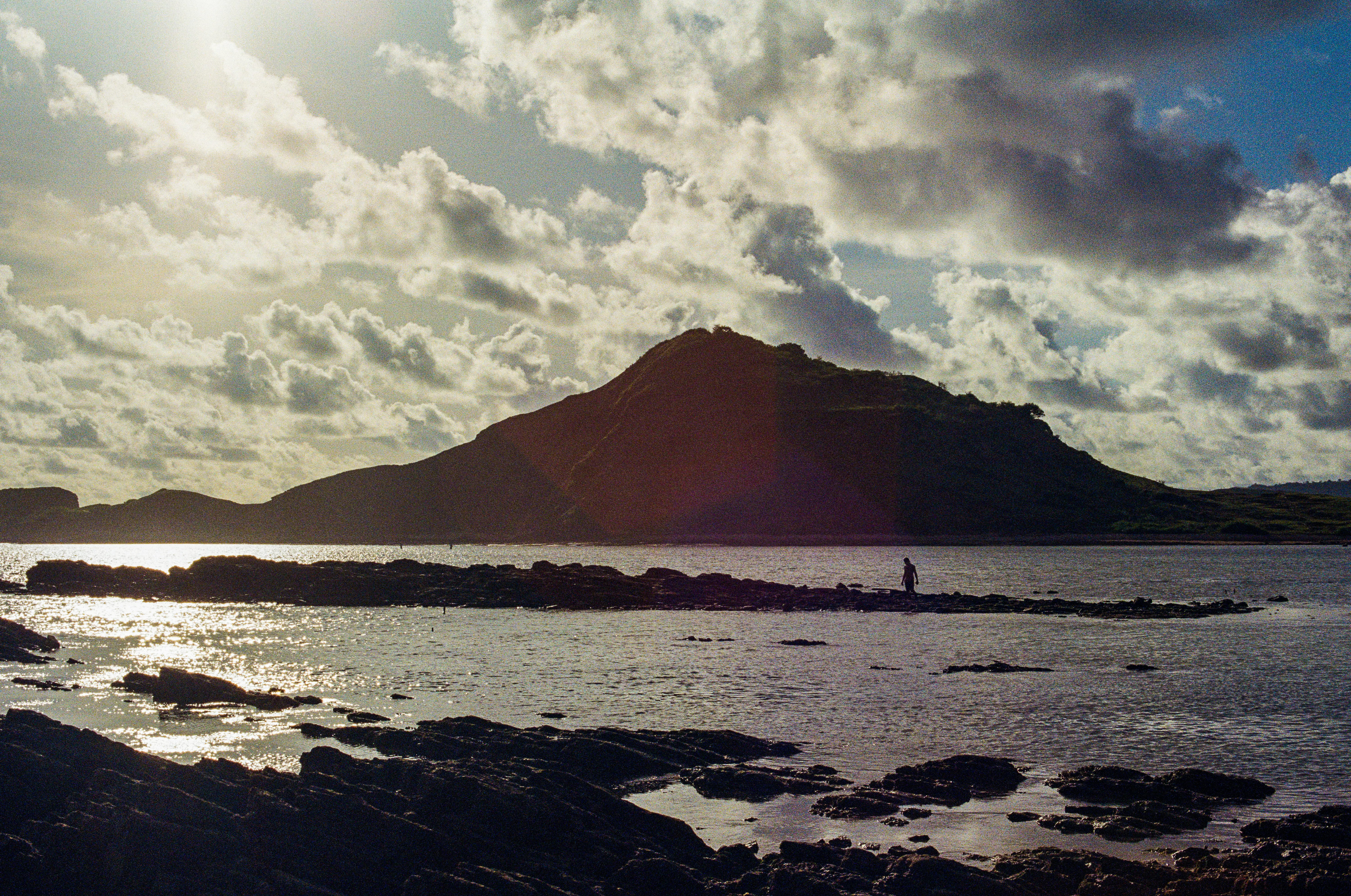
I am not going to give you a perfectly optimised checklist of the ten best tips for getting a perfect image, because that is not realistic, and that is not how it works in the field. What I can give you is my honest breakdown of what goes through my head when everything is going wrong.
I have taken so many portraits throughout my travels now that it has become rather difficult to explain my mental state while I am actually shooting. I have arrived at a point where I do not think much of anything in the moment. I look for my subject. I find my subject. I press the shutter. That might sound deceptively simple, but that is the honest truth of how some of my best images happen.
What I have accepted, somewhere along the way, is that the perfect shot almost certainly is not today. And yet here I am, still out taking pictures. I am not a hunter looking for prey. I am a gardener tending to a garden. And if you have ever grown strawberries, you will know that the juiciest and sweetest ones are always the oddly shaped ones. The imperfect ones on the outside tend to have the most within. I have found that to be true in photography as well.
Moments I did not particularly care about at the time, frames I captured purely on instinct without much thought, have ended up being some of the most significant work of my career. Years later, I look back at images I barely remember taking and realise they matter. Not because the light was right. Not because I had time to think. Because I pressed the shutter anyway.
The conversation I have with myself now, as I raise the camera, is not: ” This is going to be a great shot. It is closer to a quiet acceptance that this may or may not be the image I remember. And that is enough to press the shutter. The decision to shoot is the framework. Everything else is instinct built from years of accepting that travel photography, by its nature, will almost never look exactly as you envisioned it in your mind.
Step 1: Reassess What Matters Most
The first thing I look at is the light. Where it is coming from, what it is doing, and whether I can use it or work around it. That is always the starting point.
Step 2: Let Go of What No Longer Works
The first thing I let go of is a perfect background exposure. I have made my peace with this. My subject is what matters. If the background blows or goes dark in the process of exposing correctly for the face in front of me, that is a trade I will make every single time without hesitation.
Step 3: Adapt Your Position, Not the Situation
I move fast. Not frantically, but without overthinking. A change of position costs nothing, and it changes everything. Lower, higher, left, right, closer. Move first and ask questions after.
Step 4: Accept Imperfection as Part of the Image
I accept early that this will not be a perfect image. The sooner I make that agreement with myself, the sooner I stop chasing something that was never available and start seeing what actually is.
Step 5: Decide – Continue, Reset, or Walk Away
And I have learned to stop when the image I am trying to make will no longer serve my subject or myself. There is no shame in that. Some sessions end early. Some moments pass before you are ready. Knowing when to put the camera down is as important as knowing when to raise it.
Behind the Scenes: When Things Didn’t Go as Planned
These images do not show my work in the best light, pun intended. They show my ability to adapt when the light refuses to cooperate.
Recovering the Frame
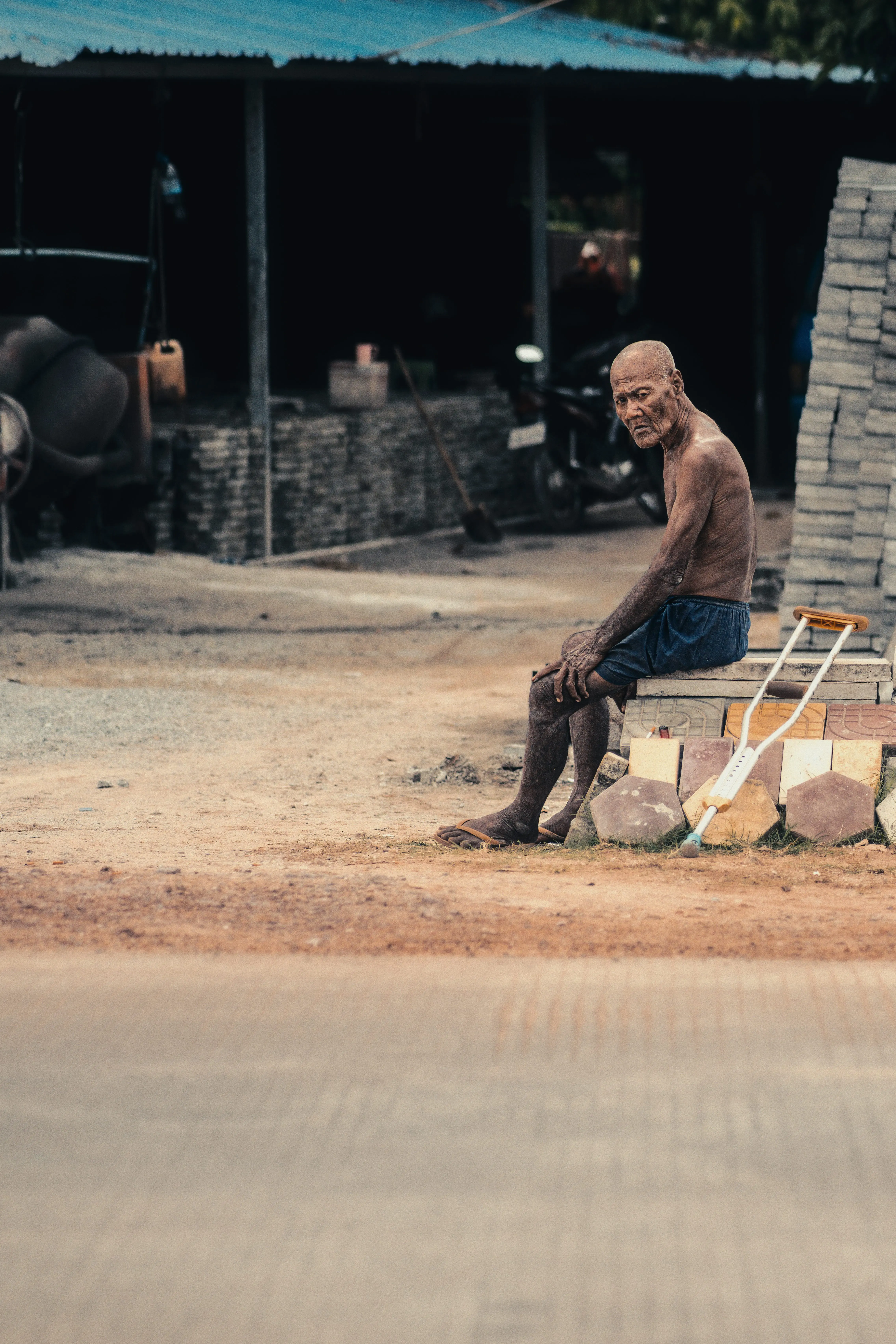
Somewhere north of Siem Reap, I stumbled upon a fairly busy construction site. What were they building? Who knows. I was not too bothered about the concrete, but I knew each tirelessly working labourer had a face worth photographing. It was late in the afternoon, and the Cambodian sun had absolutely no intention of making my life easy. The light was harsh, flat, and hitting everything from above with the kind of force that makes most photographers pack up and wait for golden hour.
My first instinct was the instinct most photographers have in that situation. Find some shade. Move the subject somewhere softer, somewhere more forgiving. But this man was exactly where he was supposed to be. He was part of that site, part of that dust and heat and noise. Moving him out of it would have been moving him out of the truth.
This was a hard labourer working in unforgiving conditions, and as shown clearly in the portrait, he was working with a disability. Pretty and aesthetic was not going to be achieved once I understood who was sitting in front of me. That crutch beside him said everything the light could not. The shadows the sun carved into his face were not a technical problem. They were the document.
I exposed for the face and accepted the loss of detail and exposure anywhere else in the frame. The harsh light and strong contrast became part of the image rather than a problem within it. The dark shelter behind him created a natural separation I had not arranged for. I did not fight the light. I let it work.
Adapting Under Pressure
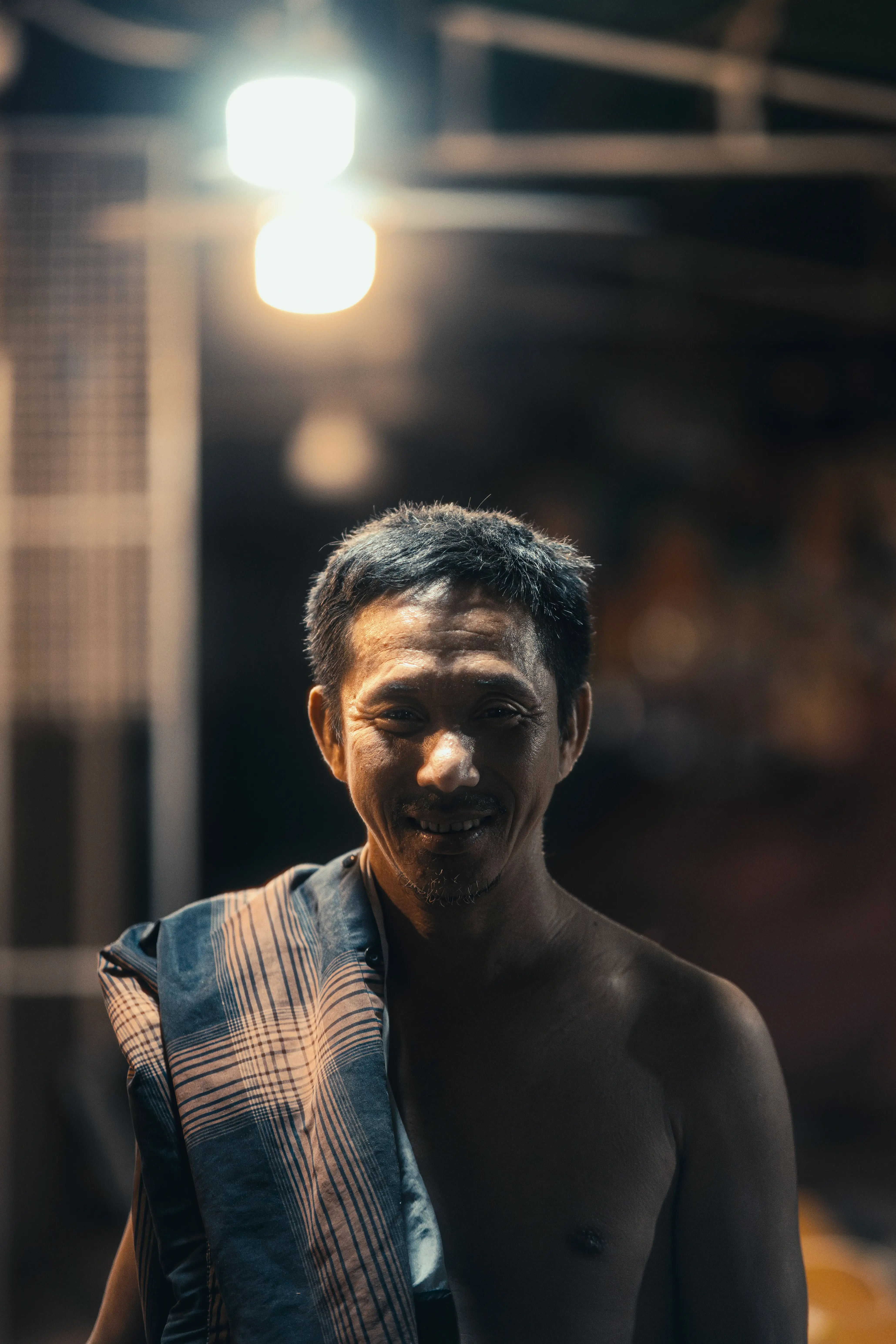
Early in the night, as all the stores began to close and the bars started happy hour, I decided to go on a stroll to cool off. As the blazing Cambodian sun decided to take a break, I blissfully appreciated the evening air and wandered toward the old market with a camera and no particular plan.
I stumbled upon a few nice gentlemen starting their night shifts maintaining the old market. As the market is packed and open during the day, I can only assume they do the maintenance at night. They were curious about the camera, and we got talking, or as much talking as you can do across a language barrier with a lot of goodwill on both sides.
In situations like these, you have to adapt to what you have. I did not have a flash on me, nor did I really want to use one for this situation. Flash in a moment like that would have killed everything real about it. So I gravitated toward the only light source available: those typical Southeast Asian LED lights hanging from the market ceiling, the kind that hang everywhere and do what they can, which on paper is not much.
I asked him to stand just beneath one of the lanterns, and I raised my ISO as high as I could muster the courage to do, and held my hands as steady as a rock. I knew the bulbs would blow, and I exposed for his face and let the rest go. His smile did the rest. This was not the portrait I walked in looking for. It was the one the space offered.
Letting Go of the Shot
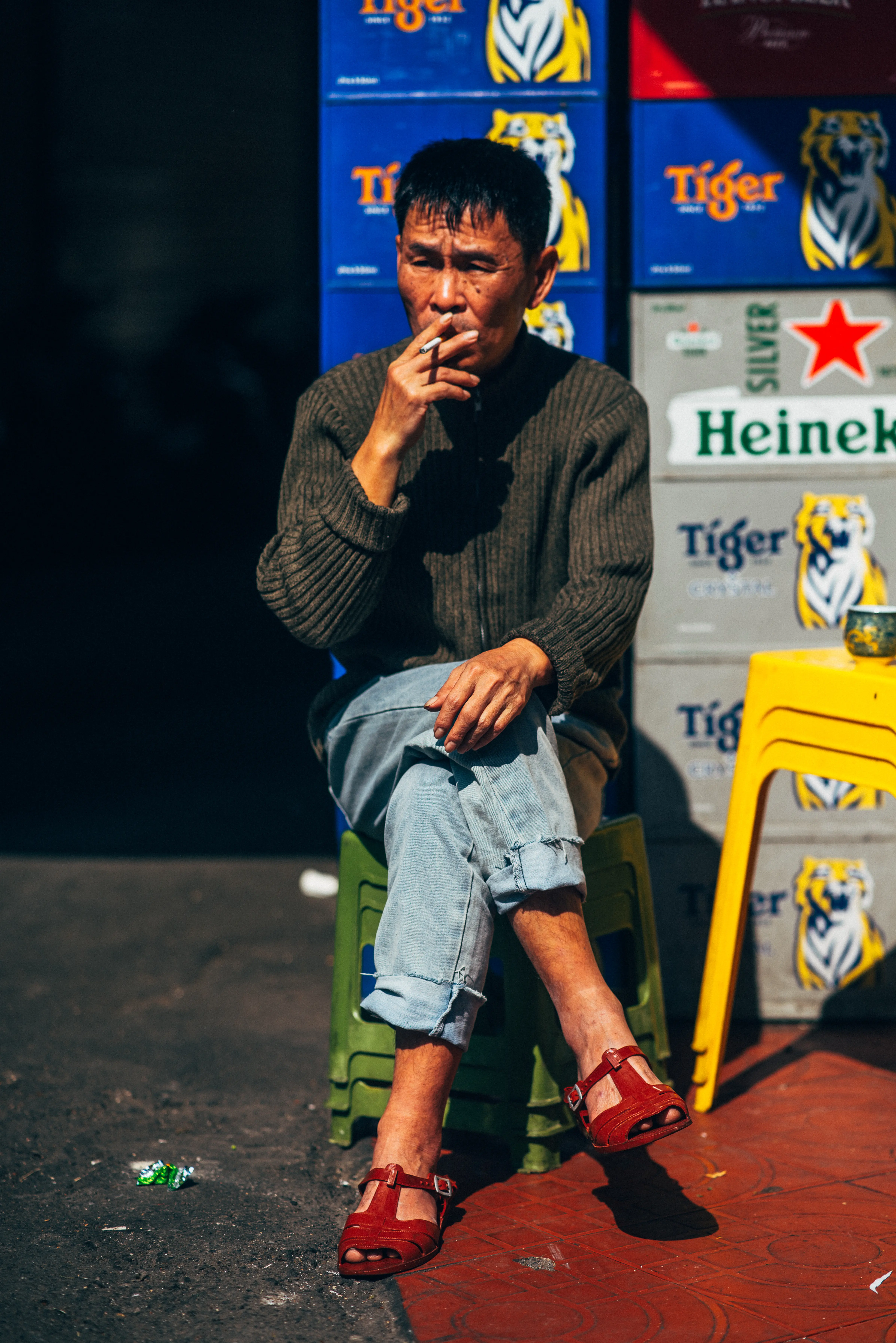
I am not going to beat around the bush. The lighting? Well, it was rough. As a matter of fact, it was as rough as it gets. Taken around noon with the midday light just full on in his face, it almost looked like a crime scene photo at times. Not ideal.
That cigarette was going down fast, and I had no real time to hesitate. He was there in that moment, sitting on those colourful beer crates, smoking away. He would not be there much longer. Sometimes you have a window, and sometimes you have a crack in the wall. This was somewhere in between. He had clocked me without minding, and that was enough.
Being a perfectionist is not on my skills list, and I’m rather glad that it is not, because I would have wasted so many opportunities had I waited for the perfect moment. Not taking the shot because the light was not right would have been a mistake I could not go back and correct. The moment was there, and then it would not be.
This portrait will never be on the cover of National Geographic, or any magazine for that matter. But it does show a glimpse into the life of a working man at a particular time and a particular place. The shadow side of his face went dark, and I let it. The lit side told enough of the story. The image is honest about the conditions it was made in, and that is enough.
Tools That Support Decisions (But Don’t Lead Them)
When the light is failing me in the field, my mind goes to two photographers who could not be more different from each other. Steve McCurry and Henri Cartier-Bresson. Both have made extraordinary travel images. Both solved the light problem without ever really talking about the light.
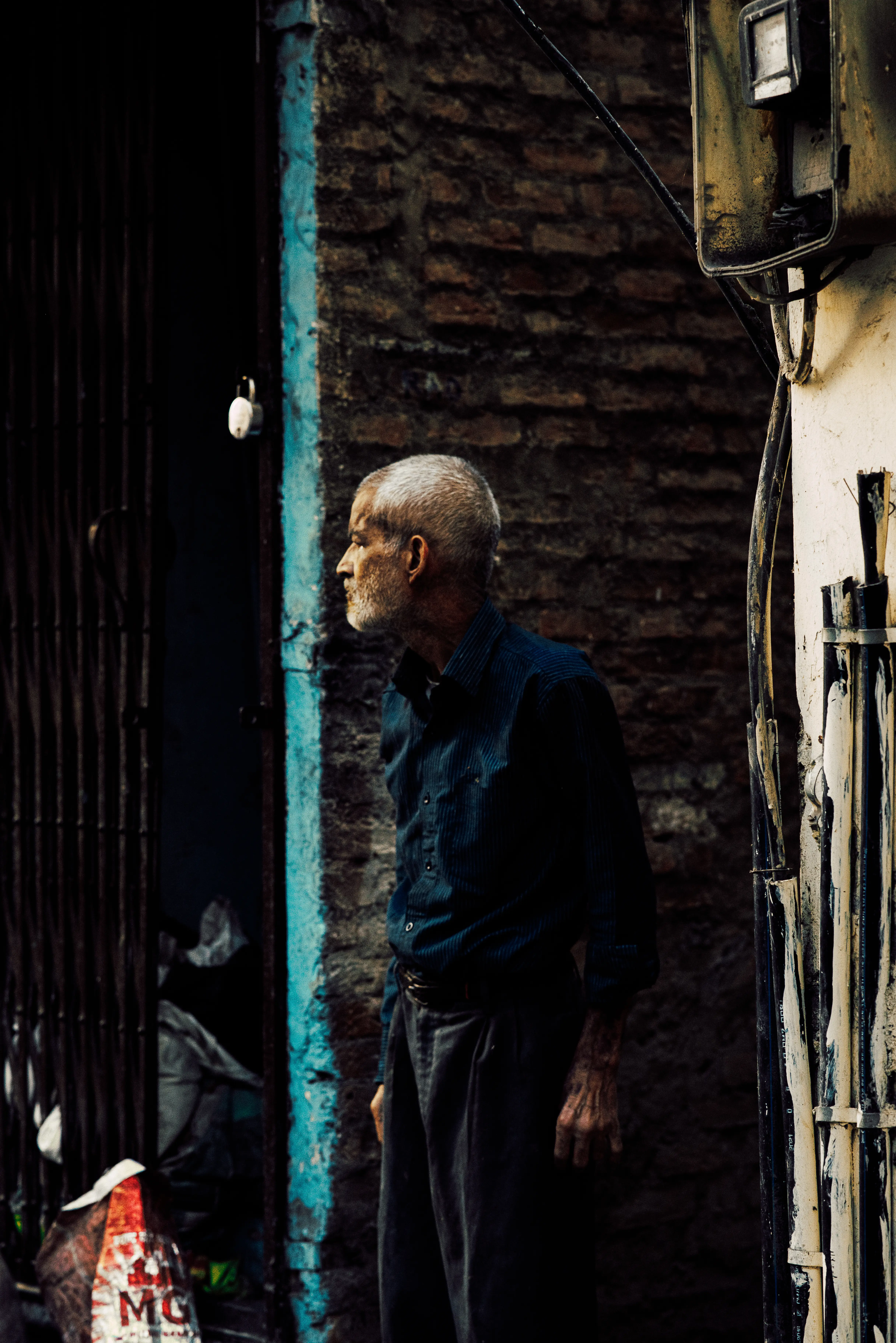
From Cartier-Bresson, I learned that when light fails you, composition can save you. Leading lines, geometry, symmetry. These are things my eye now gravitates toward instinctively, wherever I am, studio or street, it does not matter. A leading line does not just save an image. Sometimes it makes the image. Placing your subject at the end of a road, beneath a wooden beam, between parallel fences that converge toward them. These are not workarounds. They are compositional decisions that turn a difficult environment into a deliberate one.
From McCurry, I learned that architecture is one of the greatest light diffusers available to any photographer. Midday sun is not the enemy that a new generation of photographers, raised on golden hour Instagram content, seems to believe it is. If controlled and diffused, it can be rather beautiful. McCurry understood this instinctively. He placed his subjects within architecture. An alleyway is a perfect example. Light enters from one end and exits the other, bouncing off both walls, diffusing itself along the way. The result is soft, directional, and costs nothing.
If you have the architecture, use it. If you have a white wall nearby, use it. If you have open shade, use it. And if none of those are available to you, strip it back entirely. Go to the lines and the shapes. Let the composition carry what the light cannot.
What This Teaches Beyond Portrait Photography
I will try my best not to sound like a spiritual hippie, but when you have spent years working with light and documenting the human condition, one does become rather sensitive about the topic.
Yes, there are physical constraints to working with light. There are technical things one must learn. But it goes beyond the lens and into life as a whole. You cannot spend that much time in the field without having it change you as a person. I have become far more resilient when it comes to the kind of stress that this work produces. And I have become more accepting of imperfection, not just in photography but in everything. More than accepting it, I have learned to see imperfection as a beautiful accident. Something that was not planned and is more honest because of it.
Adaptation, decision-making under pressure, and trusting yourself over the rules you were taught. These things do not only apply to photography. Learning that I am not the master of light, but that light is the master of me, has made me a better man in more ways than one.





Really enjoyed this article. I admire the way you turn simple experiences into meaningful lessons. Your writing is thoughtful engagin, and made me see the subject from a different perspective. Looking forward to reading more of your work.
I agree, this man has a way with words!
The way that Paulie weaves his tales is magical. Another very well written article chock-full of raw experience. Great work!