If you don’t learn something today, it’s because you don’t want to.
Gabriel Ramirez Junco
You can also listen to this episode with Gabriel on iTunes, Pocket Casts, Spotify, Castbox, and Google Podcast
Join our photography community and interact with the host, Perrin, gain access to monthly photo contests, discover daily inspiration, and much more!
Interested in contributing? Visit our Supporter page to find out more.
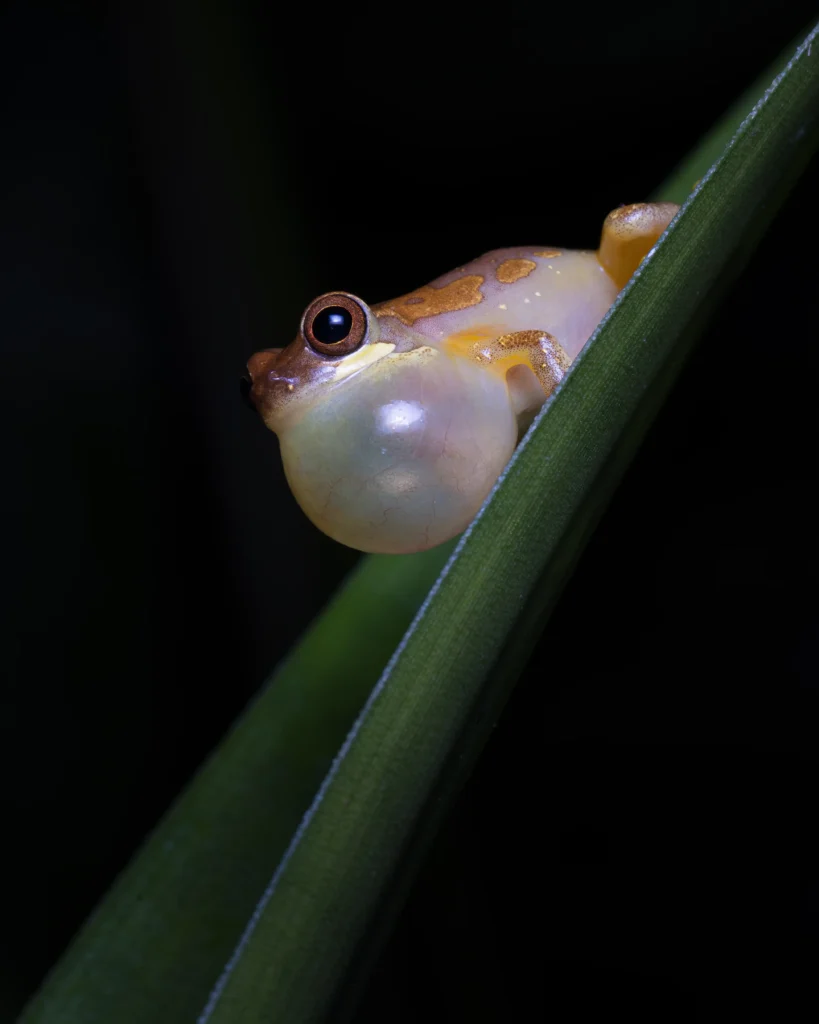
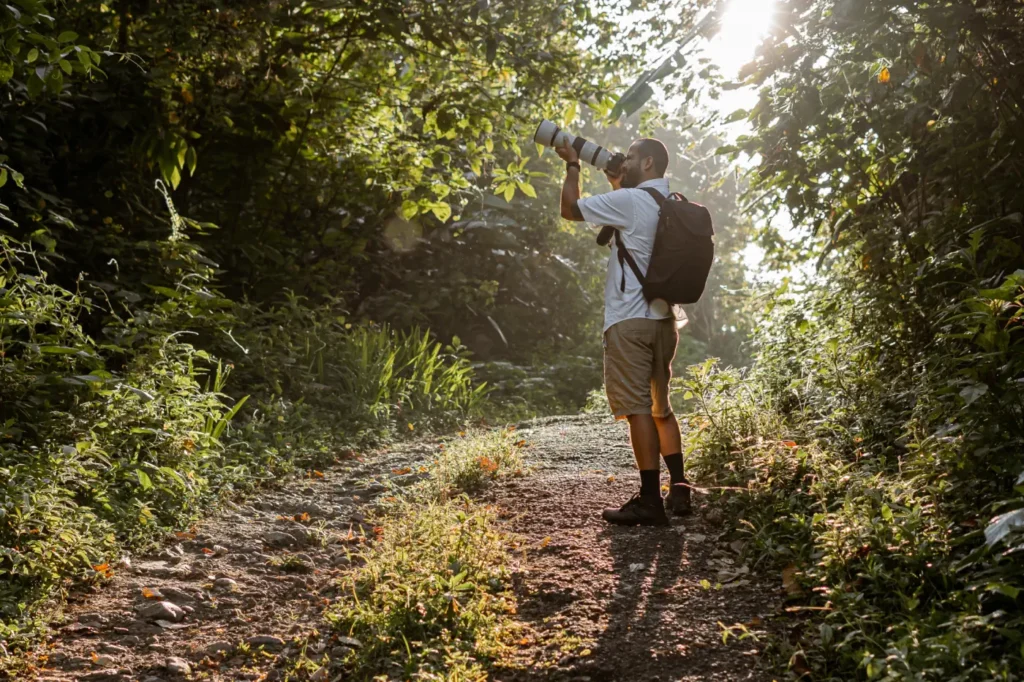
Gabriel once described birdwatching as “like collecting Pokémon” for him. He didn’t mean that lightly. Back when he was still working long hours as a criminal lawyer in Costa Rica, a biologist friend invited him on a pre-dawn birding trip. He didn’t own a camera then, just a notebook and a rising obsession with ticking off species from a list. One bird became twenty. Then fifty. Then hundreds. And just like that, weekends of spreadsheets and case files turned into mornings waist-deep in wetlands, watching wings cut through the fog.
That early curiosity grew into something much deeper. it became a form of therapy, a creative outlet, and eventually, a tool for wildlife conservation. These days, Gabriel’s photographs don’t just capture beautiful creatures; they tell stories. A frog’s belly pattern might help identify a new species. A single bird photo might spark enough interest to sustain a whole community through eco-tourism. And in his backyard in San José, he’s become (his words) the “crazy guy with a flash and a camera, chasing bugs before breakfast.”
In this episode, Gabriel opens up about that transformation. How he went from checklist-chasing hobbyist to one of Costa Rica’s most passionate wildlife educators. He talks about the joy of macro photography, the tension between artistic drive and commercial work, and why patience, more than any piece of gear, might be a nature photographer’s greatest tool.
Here’s some of what we get into:
- How birdwatching helped Gabriel cope with the emotional weight of his day job
- Why he fell headfirst into macro photography-and how bugs became his new obsession
- The parallels between practicing law and photographing wildlife (it’s really all in the details)
- How teaching photography became a way to fuel conservation, not just creativity
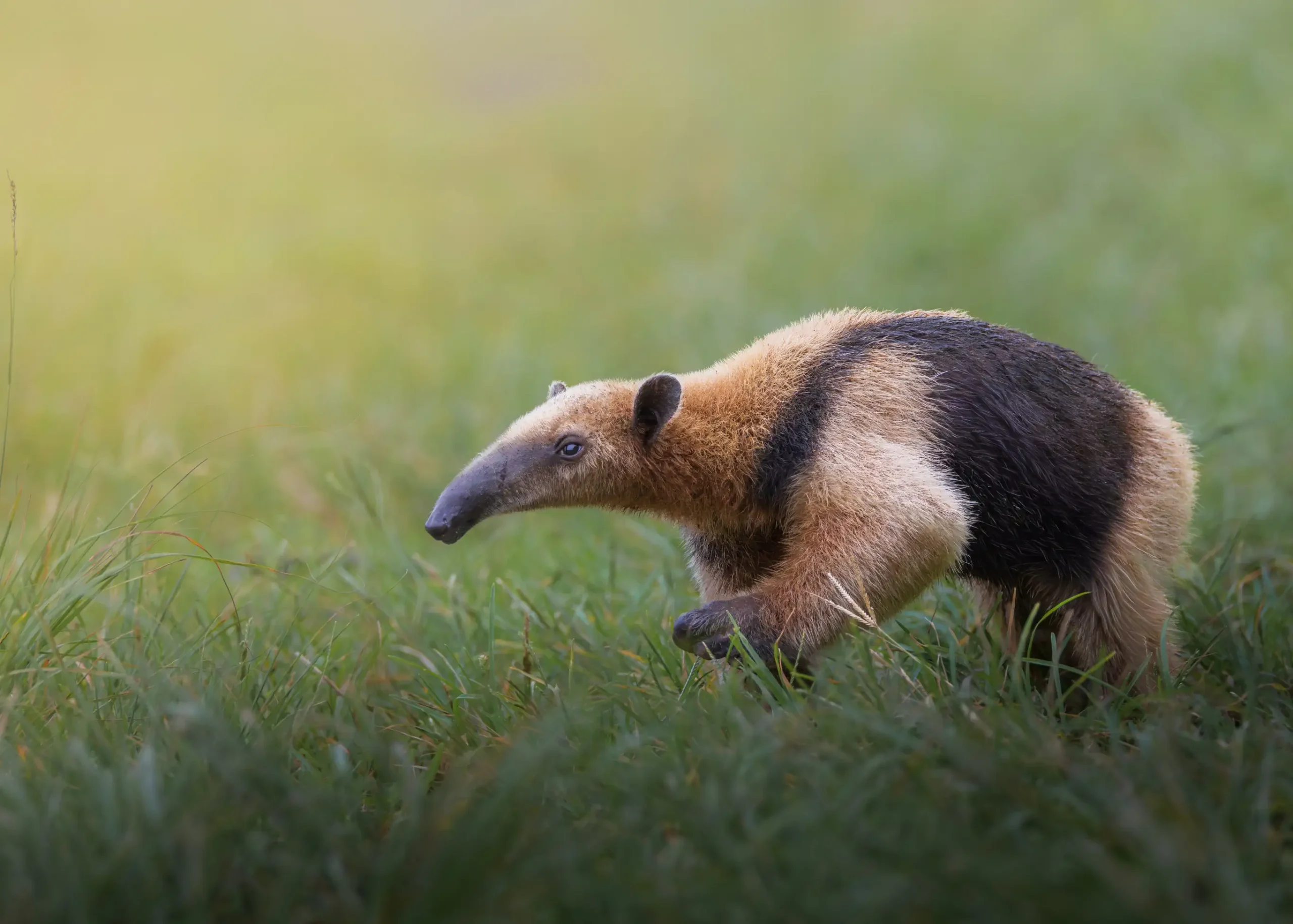
- What it’s like working with scientists to document tapirs, frogs, and possibly even a new species
- The challenges of guiding tours, the importance of surprise, and why he quit before photography lost its spark
Speaking with Gabriel is like talking to an old friend. He’s humble, understanding, and ready to protect the animals. If you enjoy talking about wildlife photography from an exotic place, this episode’s for you. Enjoy!
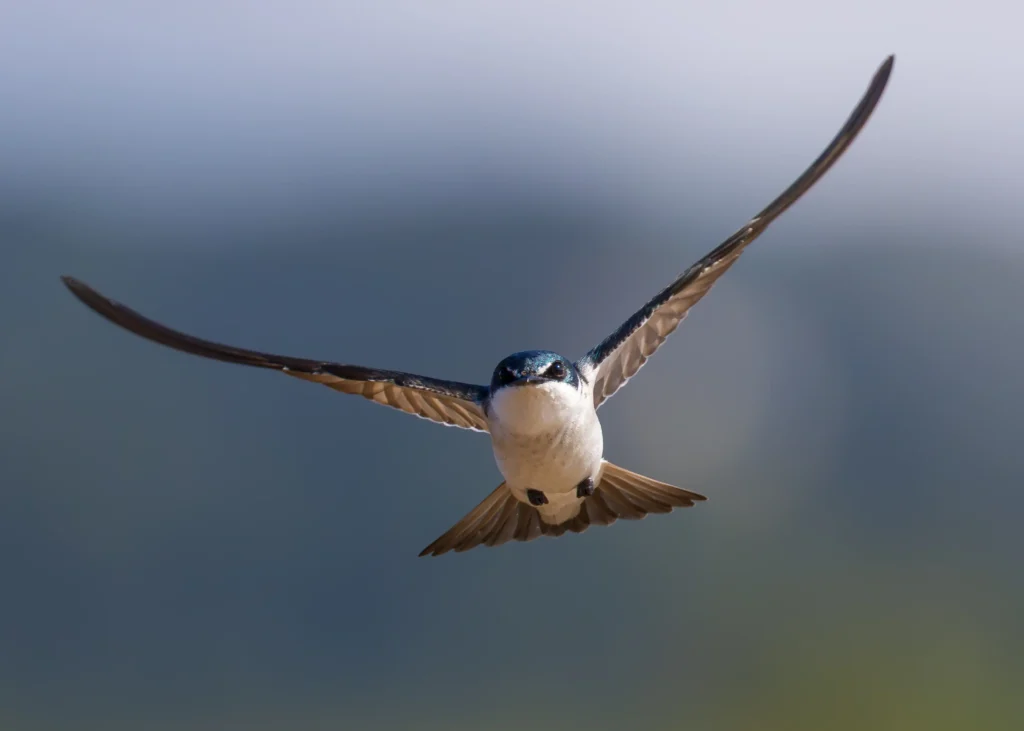
Q: What excites you the most in these moments? Is it the challenge of finding a subject? Is it the thrill of maybe seeing something that someone else hasn’t? Or is it just the matter of slowing down and observing nature?
Gabriel: Right now I’m trying to find moments in nature, not just a nice portrait. I want photographs that tell a story, like a bird feeding its chicks or hunting, pictures that teach people about that species. It’s not about just a technically perfect shot anymore, but about capturing interactions that say something deeper.
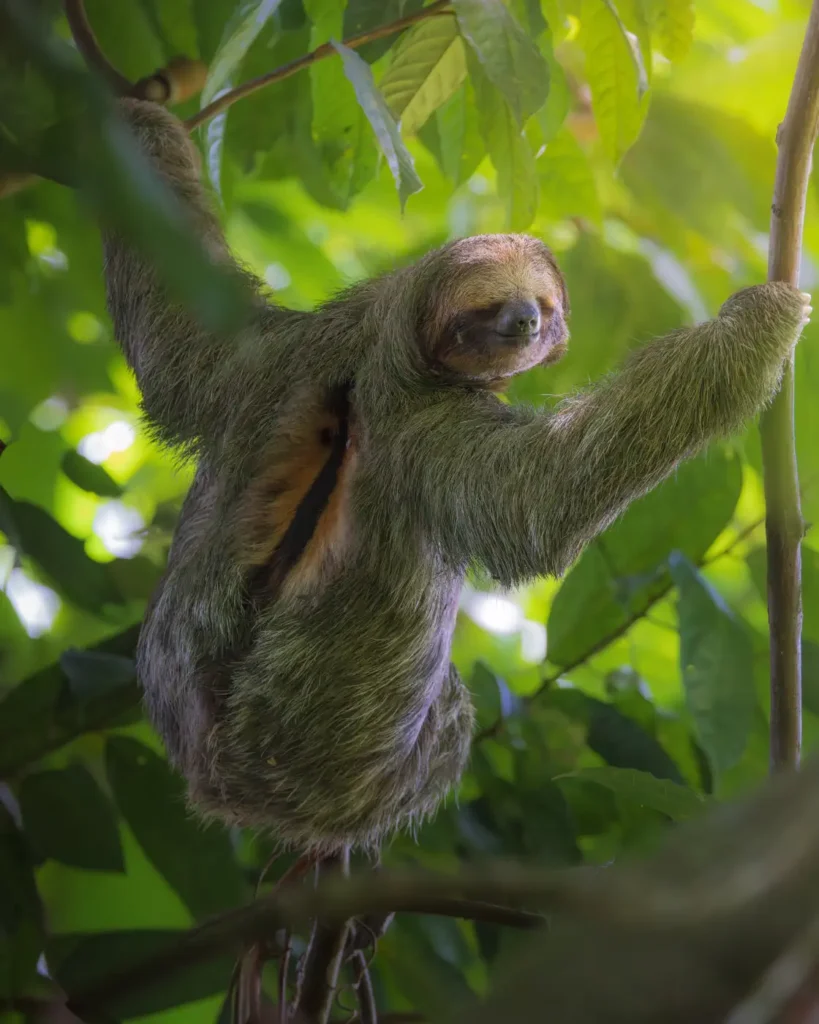
Q: What made you want to kind of go smaller? Was macro kind of a natural next step for you?
Gabriel: Since I was a kid, I’ve had a fixation with bugs, I used to collect them. Now that I can afford the gear, macro photography lets me create images that are different. I can just go to my backyard and find beautiful, strange insects no one pays attention to. It gives me the chance to take unique photos, try new compositions, and explore subjects people often overlook.
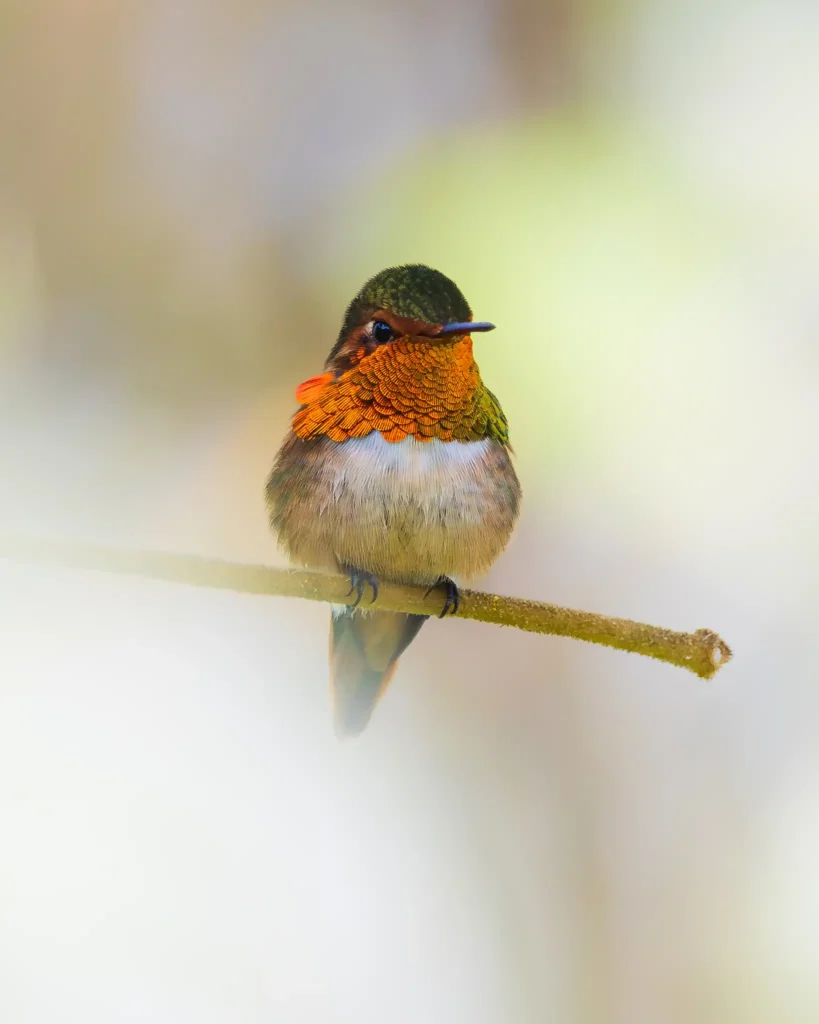
Q: Are there any skills from being a lawyer that can be applied to wildlife photography?
Gabriel: One of the most important is patience. Legal processes here can take years, so I’ve learned to wait, and that helps with wildlife photography too. Sometimes I wait hours for a bird that never shows up. Also, as a lawyer, I have to pay attention to small details and read between the lines. That sharp observation translates well to nature, especially in dense tropical forests where spotting animals can be challenging.

🔗 Connect with Gabriel
🌜 What We Talked About
🎼 Early Journey / Origins
- Gabriel’s creative journey began unexpectedly when his biologist friend invited him bird watching. Initially reluctant, he quickly became fascinated, describing the experience as similar to collecting Pokémon.
- Based in Costa Rica, Gabriel started off simply, using a Nikon P900 with its incredible zoom capabilities.
- His career as a criminal lawyer introduced him to a stressful environment, making nature photography his therapeutic outlet.
- Inspired by the country’s biodiversity (over 950 bird species), he started documenting wildlife more seriously, gradually transitioning from point-and-shoot to more refined techniques and gear.
📖 Philosophy / Vision / Storytelling
- Gabriel’s approach has shifted from creating beautiful portraits to capturing moments and interactions in nature.
- He emphasizes storytelling: a bird feeding its chicks, a predator-prey scene, or unique insect behaviors.
- “Photography must be shared,” he says, aligning it with conservation efforts. His philosophy centers on being a witness to nature rather than chasing novelty.
- His diagnosis of autism has given him a deep, lifelong fixation on bugs, now fueling a deep passion for macro photography.
📷 Tools, Gear, and Behind the Scenes
- Gabriel currently shoots macro using a mirrorless camera and extension tubes. He prefers ethical practices, avoiding sugar water or multi-flash setups for hummingbird shots.
- Software like Lightroom supports his post-processing, which he taught himself after starting with YouTube tutorials.
- He conducts photography with a small setup in his own backyard in San José, finding plenty of subjects without needing to travel far.
- Formerly a photography guide, he now prefers local macro workshops that allow for spontaneous and ethical wildlife encounters.
🔀 Practice, Teaching, Platform
- Gabriel offers virtual photography lessons, including beginner tutorials and post-processing classes.
- He uses social media to respond to DMs and engage with a growing audience curious about gear, editing, and wildlife techniques.
- His new workshop model combines virtual theory classes with field-based practice in an insect-rich private reserve.
💬 Advice, Creative Strategy, or Challenge
- Three core photography tips:
- Think about backgrounds to keep images clean and distraction-free.
- Get to eye level with your subject for more emotional impact.
- Shoot in burst mode to capture natural behaviors and micro-interactions.
- Early frustrations included gear limitations and comparing his work to others on bird feeders, but he now embraces a slower, more personal creative rhythm.
- Encourages beginners to start with any gear they can afford and let their equipment evolve with their skill level.
🌍 Influences, People, Brands, or Places
- Regularly visits places like Cerro de la Muerte, Caño Negro, and Chirripó National Park
- Collaborated on conservation projects photographing tapirs, Ismoila frogs, and Costa Rican pygmy owls.
- Uses apps like Merlin and Audubon to identify birds by their songs.
🔮 What’s Next for Gabriel
- Expanding his field-based macro workshops in Costa Rica, combining ethical insect photography with conservation awareness.
- Plans to showcase more of Costa Rica’s biodiversity to an international audience.
- Hopes to inspire eco-tourism that benefits local communities and spreads awareness of wildlife preservation.
- Dreams of his work gaining recognition in international photography competitions – not for ego, but to amplify Costa Rican wildlife globally.