


You can’t rush things in photography – you have to take your time and observe.
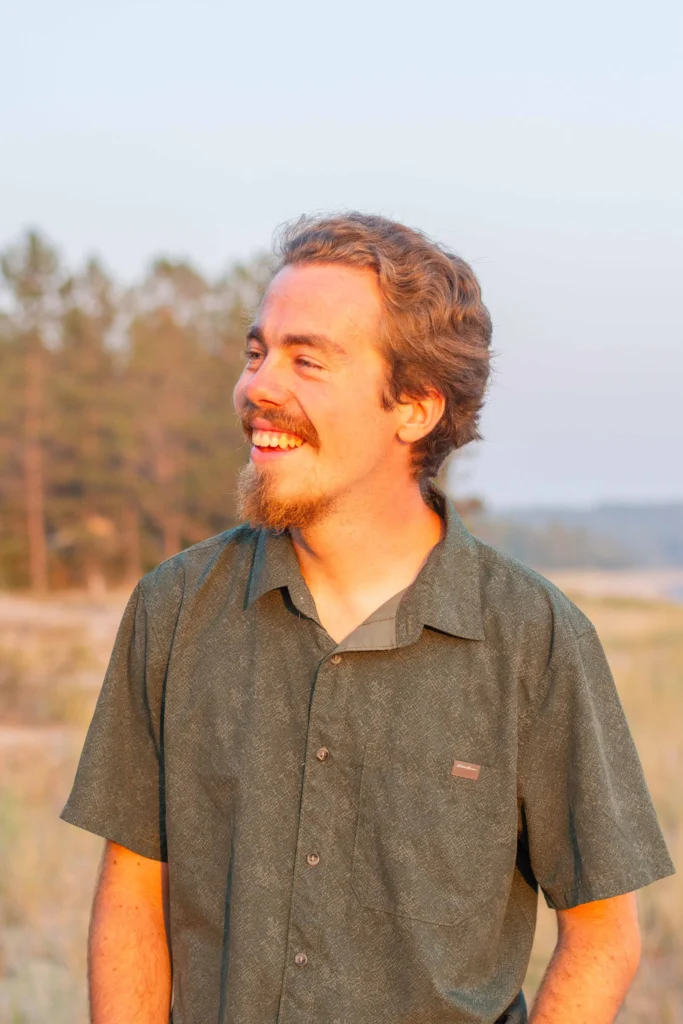
Caleb Holdsworth
You can also listen to this episode with Caleb on iTunes, Pocket Casts, Spotify, Castbox, and Google Podcast
Discover our photography community and interact with the host, Perrin, gain access to monthly photo contests, discover daily inspiration, and much more!
Interested in contributing? Visit our Supporter page to find out more
When Caleb Holdsworth was a kid, both of his older brothers got cameras for Christmas.
Watching them unwrap theirs was all the inspiration he needed. So he started saving his allowance, $133 in total, until he could buy his own point-and-shoot. No big plan. Just curiosity, and a desire to head outside and see what he could find.
From there, he wandered. Around the neighborhood. Around ponds. Into the quiet corners where frogs sat still and birds flicked between branches. What started as a simple fascination slowly became something steadier, a deep connection to the natural world.
Years later, that connection would become an anchor.
After moving from Turkey to Canada in 2018, Caleb found himself navigating a new country, a new school, and the kind of social growing pains that can make anyone retreat inward. Photography became his way through it. While others escaped into video games or noise, he went outside. He waited. He observed. He learned how to be still.
Then came the moment that changed everything: a high school teacher who saw something in his work and encouraged him to submit a photo to a national competition. He didn’t think he had a chance. He submitted it anyway.
He won first place in all of Canada.
That quiet win snowballed into newspaper features, school board recognition, and something even more important-confidence. Not just in his images, but in himself.
But what stands out most about Caleb isn’t the awards. It’s the way he talks about patience. About missing shots and choosing to breathe instead of getting frustrated. About being patient with yourself before you try to be patient with others. About sitting in the woods long enough that boredom turns into clarity.
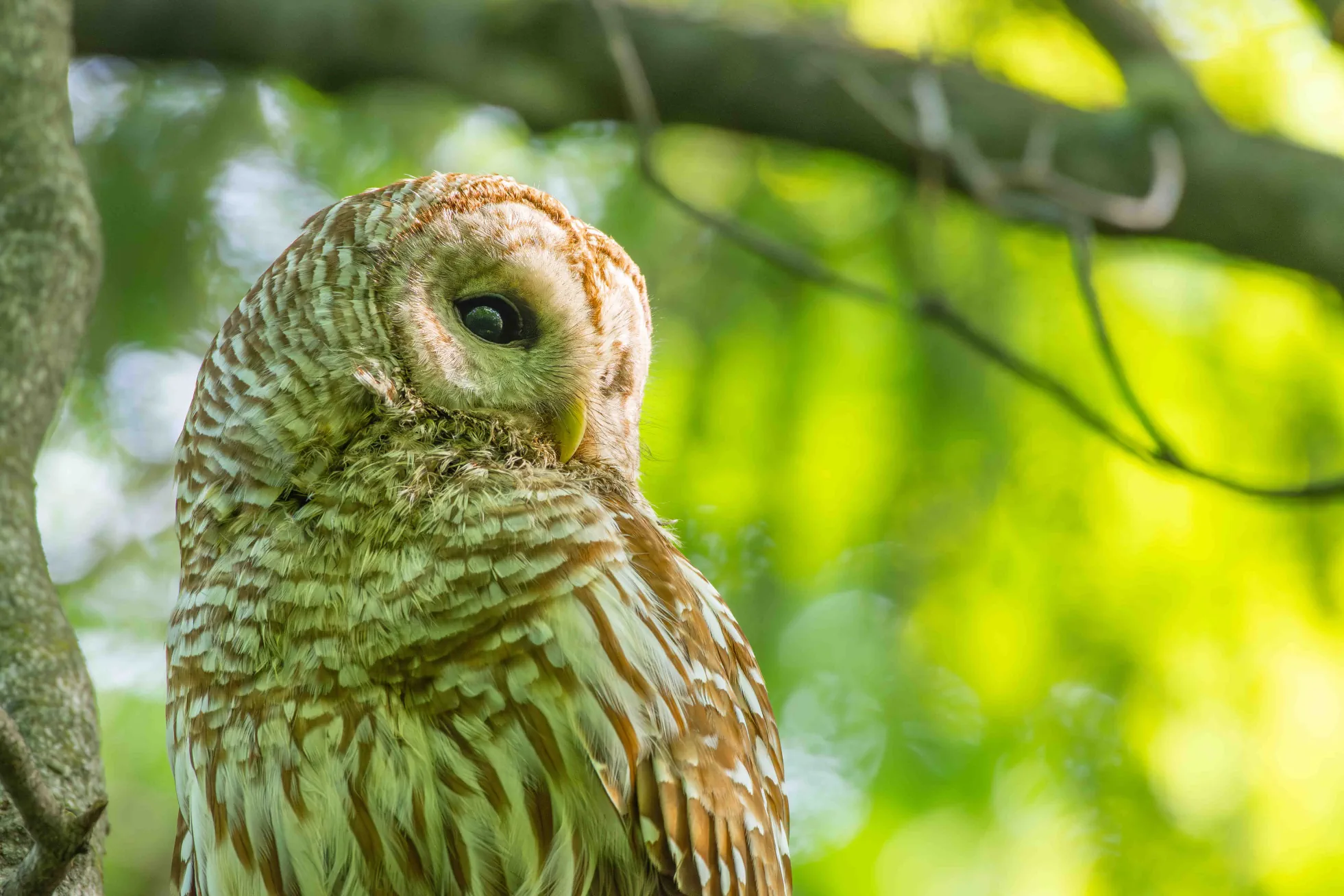
He’s only 22, but when he describes waiting for a barred owl after hours of mosquito torture you realize this isn’t just about wildlife photography. It’s about learning how to stay still.
In this episode, Caleb shares how birds taught him to slow down, how his editing evolved from heavy Instagram filters to a refined, natural approach, and why you don’t need the best gear-just the patience to grow into it.
Here’s some of what we get into:
- How a point-and-shoot camera sparked a lifelong love for wildlife
- The teacher who pushed him to enter a competition he didn’t think he could win
- Why patience matters more than expensive gear (and when gear actually does matter)
- The subtle body language birds give before they take off
- What waiting in silence has taught him about life beyond photography
- How comparing your current work to your past self beats chasing social media validation
Caleb brings a rare mix of humility, curiosity, and quiet wisdom to the conversation. He’s not chasing clout or perfection, he’s chasing connection. To nature. To people. To the process.
Enjoy the episode.
Q: I’d love to start by learning what your favorite part about photographing wildlife is. What keeps you going back out there with a camera?
Caleb: Honestly, I just really love spending time outside. When I was a kid, both my brothers got cameras for Christmas and I didn’t, so I saved up my allowance and bought my first point-and-shoot. I’d wander around the neighborhood finding cool things I’d never seen before. Over time, that curiosity and my love for animals just naturally blended into wildlife photography, and that’s what keeps pulling me back.
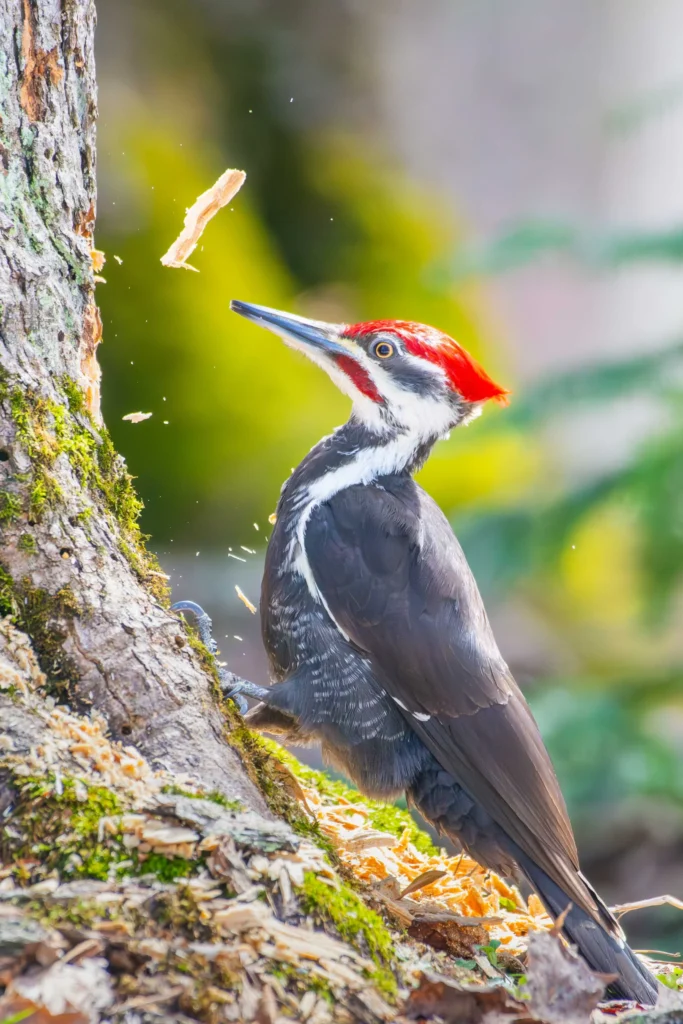
Q: Did being younger really affect how seriously people took your work?
Caleb: In a way, yes. When you’re young, you’re naturally around people your own age, and a lot of them weren’t really interested in nature photography. They were more into video games or other things, so it wasn’t always taken seriously. As I’ve gotten older, I’ve found more people who appreciate my work, part of that is probably me improving, too. So I’d say yes and no.
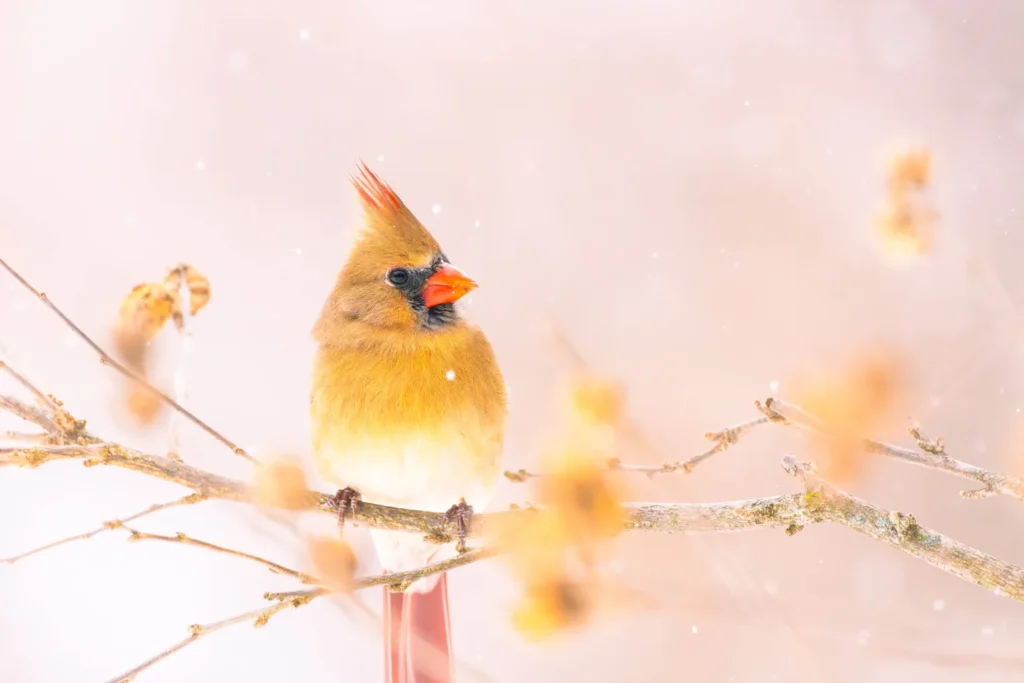
Q: What kind of cues that you’ve learned over the years that birds give you that something might be about to happen? What do you look for before you’re like, oh, this is going to be a good shot?
Caleb: Their body movement is really important. Even lifting your camera too fast can scare them off. I watch for when they’re calm and still, because if they start moving more quickly or their heads twitch, that usually means they’re about to take off. I’ve learned not to make sudden movements and to really observe their behavior, photography with birds is about patience and timing more than anything.
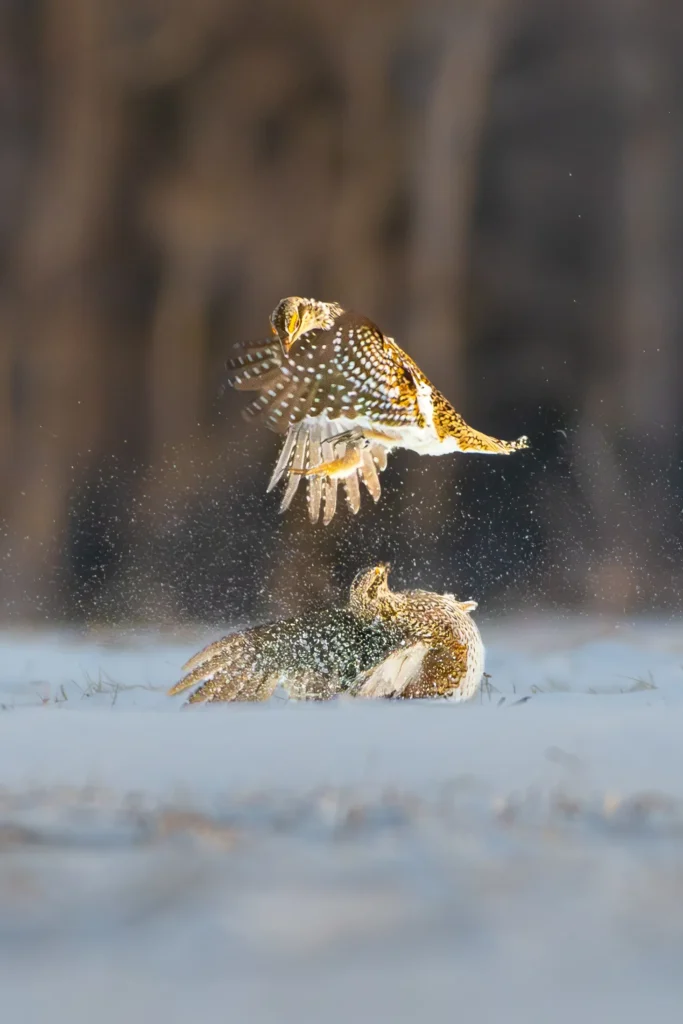
🔗 Connect with Caleb Holdsworth
🧭 What We Talked About
🎼 Early Journey / Origins
- Caleb’s photography journey began with curiosity – and a little sibling rivalry. When his brothers received cameras for Christmas and he didn’t, he saved up to buy his first point-and-shoot.
- Growing up in Turkey, he wandered outdoors photographing anything that caught his attention long before wildlife became his focus.
- In 2018, his family moved to Ontario, Canada, a transition that proved emotionally challenging as his brothers moved away and high school felt isolating.
- Photography became his refuge – a way to process emotions, spend time outdoors, and reconnect with himself.
- During COVID lockdowns, he spent long days outside refining his craft, marking a major turning point in his creative development.
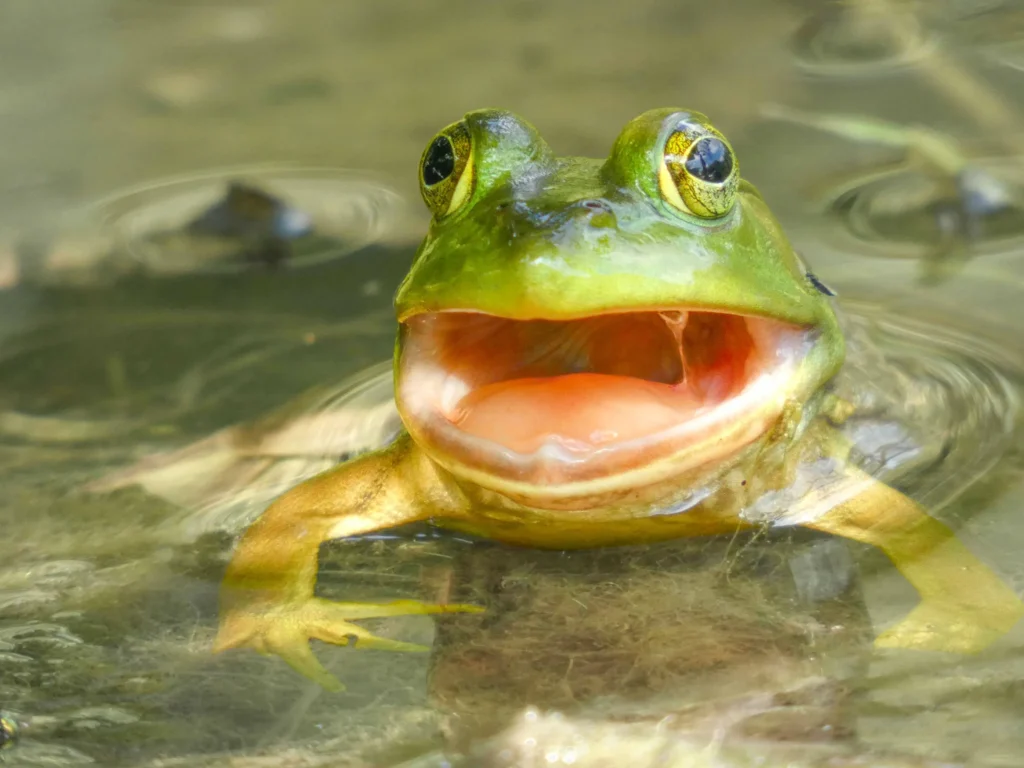
- Encouraged by his media arts teacher, he submitted a photo of an American bullfrog to a national competition and won first place in Canada (U18 category).
- That recognition led to newspaper features, the Grand Erie Learn, Lead, Inspire Award, and a personalized letter from the Mayor of Norfolk County.
- More than accolades, the experience gave him confidence and a sense of belonging.
📖 Philosophy / Vision / Storytelling
- Caleb’s philosophy is simple: enjoy being outside, stay curious, and be patient.
- Wildlife photography isn’t about collecting trophies – it’s about presence and connection.
- He emphasizes patience with wildlife and patience with himself.
- Missing a shot used to frustrate him, but now he sees those moments as opportunities to reset and grow.
- Time in the field becomes reflection time, allowing him to process life without distractions.
- He measures growth by comparing his current work to older images rather than relying on social media validation.
- If his photographs inspire someone else to spend time outdoors, that’s success.
📷 Tools, Gear, and Behind the Scenes
- Began with a point-and-shoot camera, learning fundamentals before upgrading.
- Currently uses a DSLR released in 2015, proving that strong images aren’t dependent on the newest gear.
- Transitioned from JPEG to RAW for greater flexibility in post-processing.
- Uses Adobe Lightroom, treating presets as inspiration tools rather than shortcuts.
- His editing style evolved from oversaturated and high-contrast images to a more natural, restrained aesthetic.
- He consciously moved away from overcropping and now incorporates environmental context into his wildlife compositions.
🔁 Practice, Place, and Creative Rhythm
- Photographs primarily in Norfolk County, including Waterford Ponds, and previously in Sault Ste. Marie during his Forestry and Fish & Wildlife studies.
- Has access to neighboring countryside properties, allowing extended exploration close to home.
- Studies bird behavior carefully, watching for subtle tension before takeoff and avoiding sudden movements.
- Often lets birds come to him rather than aggressively pursuing them.
- Relies heavily on trial-and-error learning supported by research when needed.
- Revisits locations seasonally to observe behavioral changes and shifting environmental conditions.
- Uses quiet waiting time in the field as space for reflection and mental clarity.
💬 Advice, Creative Strategy, and Growth
- Don’t buy expensive gear expecting instant mastery.
- Learn fundamentals on a capable camera before upgrading.
- Upgrade equipment only when it genuinely limits your creative potential.
- Use presets as educational tools to understand editing adjustments.
🌍 Influences, People, Brands, or Places
- Deeply inspired by Canadian photographer and marine biologist Paul Nicklen
- Studied Forestry and Fish & Wildlife at Sault College in Sault Ste. Marie.
- Photographed extensively in Norfolk County, Waterford Ponds, Sault Ste. Marie, and parts of Michigan.
- Blends formal wildlife education with hands-on field observation.
🔮 What’s Next for Caleb
- Recently purchased his first car, opening new travel possibilities.
- Plans to expand into mammal photography.
- Plans to grow his landscape work after purchasing a dedicated landscape lens.
- Interested in camping-based immersion projects.



Thank you so much for hosting me, Perrin! This was an amazing experience!
Always a pleasure having you on the show Caleb! Keep in touch my friend 🙂
nice story Perrin, Caleb has the touch.
Caleb is an incredibly inspiring photographer and I see nothing but great things coming from him in his long photography career ahead! Glad you enjoyed it!