A strong voice comes from intention, not the genre behind the lens.
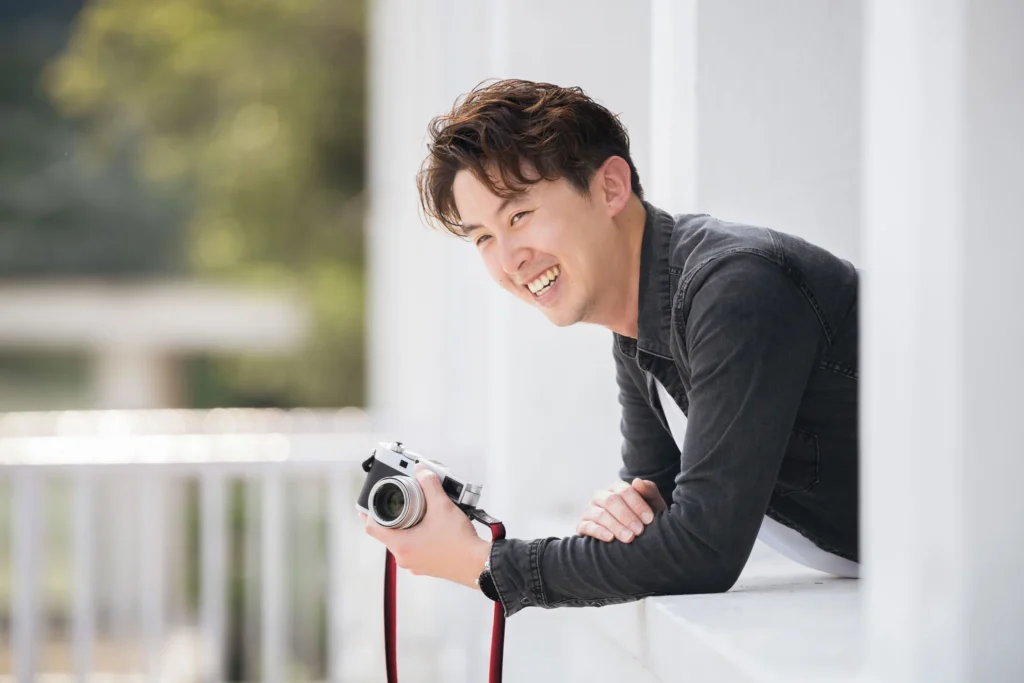
Ian Poh Jin Tze
You can also listen to this episode with Ian on iTunes, Pocket Casts, Spotify, and Castbox.
Connect with fellow photographers and interact with the host, Perrin, gain access to monthly photo contests, discover daily inspiration, and much more!
Built by photographers. Shaped by you.
We are building a new home for photographers, a platform that does not sell your portfolio, bury your shots, or tell you what to shoot next. You do. Community, podcast, Prime Classes, and a pro listing service on the way, all shaped by the photographers who use it.
Joining is completely free until December 2026. After that, a free layer stays for everyone, so you keep access either way.
Become a beta testerInterested in contributing? Visit our Supporter page to find out more
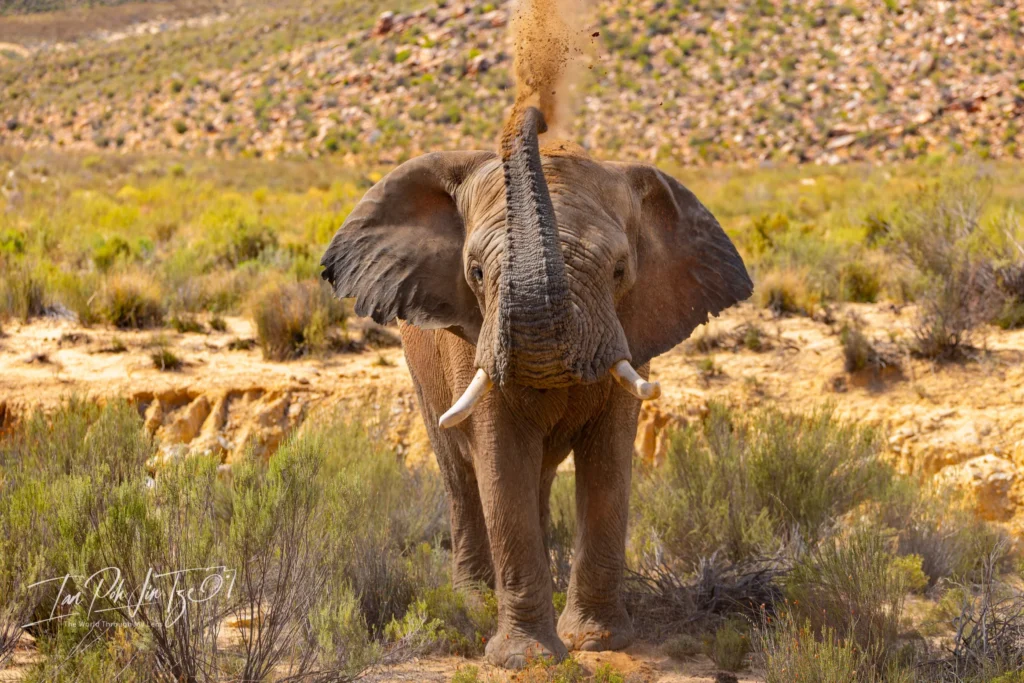
Long before the coffee table books or the safari jeeps or the five years he spent embedded in Malaysia during a pandemic, Ian Poh Jin Tze was just a kid in Singapore with a quiet pull toward storytelling that he couldn’t really explain.
It lived in the background for years. School, sports, a bit of time on stage. Photography was there too, somewhere underneath all of it – a private ritual, a way of capturing fragments of the world in between everything else, without really knowing what he was building toward.
Then one Christmas, his mom dropped a Leica in his hands. And something shifted.
It wasn’t just about taking pictures anymore. For Ian, that moment reframed the whole thing. A photograph wasn’t about preserving what was in front of the lens, it was about evoking something in whoever stood in front of it later. Less about what’s seen. More about what’s felt.
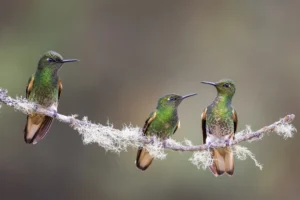
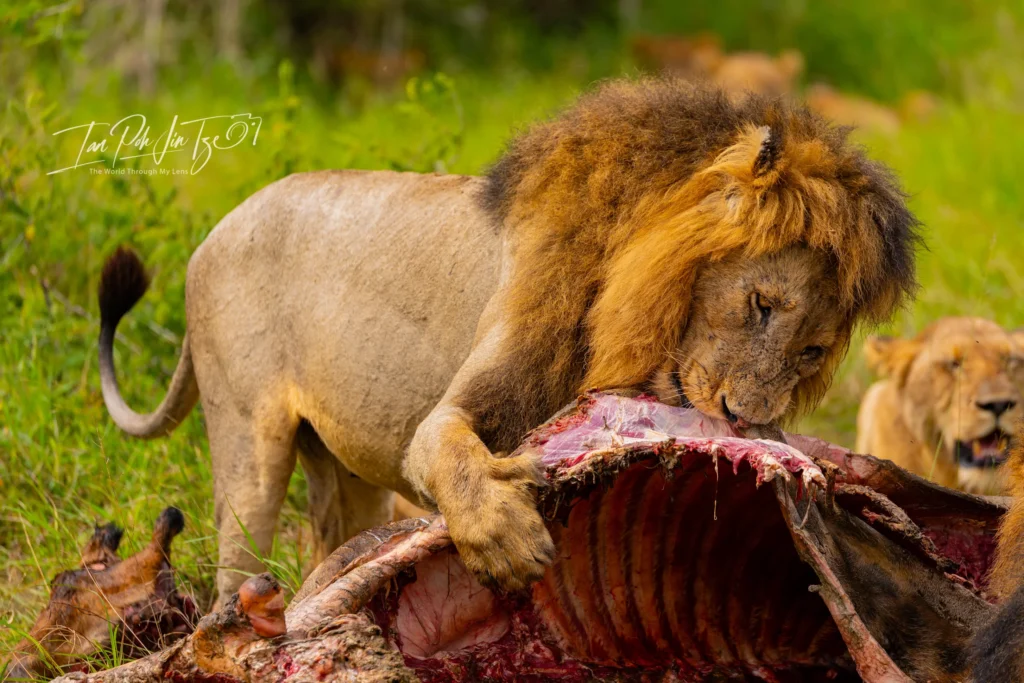
What I find genuinely interesting about Ian is that his work is almost impossible to categorize. Wildlife, portraits, food, travel, agriculture – he moves between all of it without losing himself. And yet you can pick up any two of his books and immediately know they came from the same person. The thread isn’t the subject. It’s the intention. The question he seems to ask before every frame: is this moment actually worth telling?
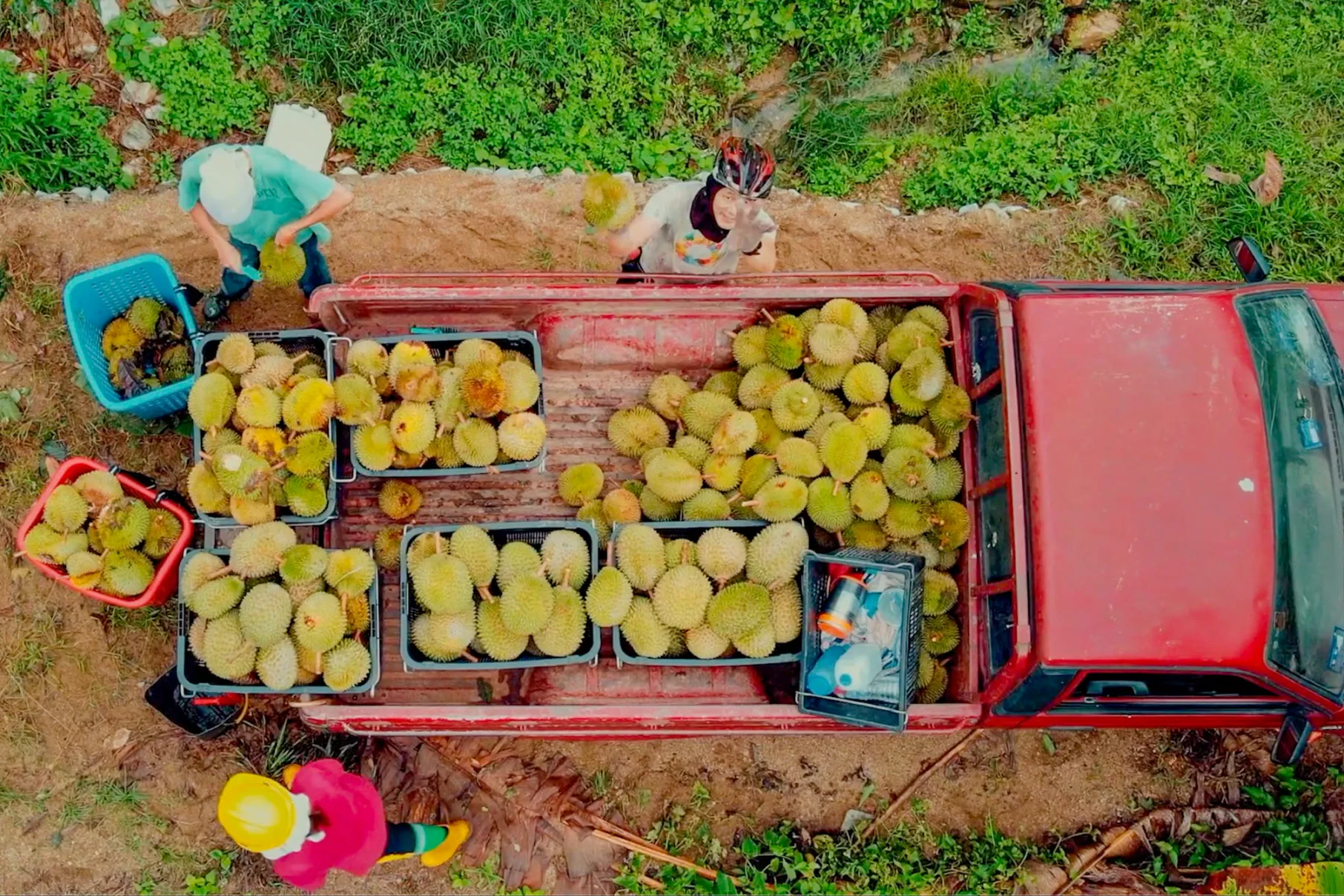
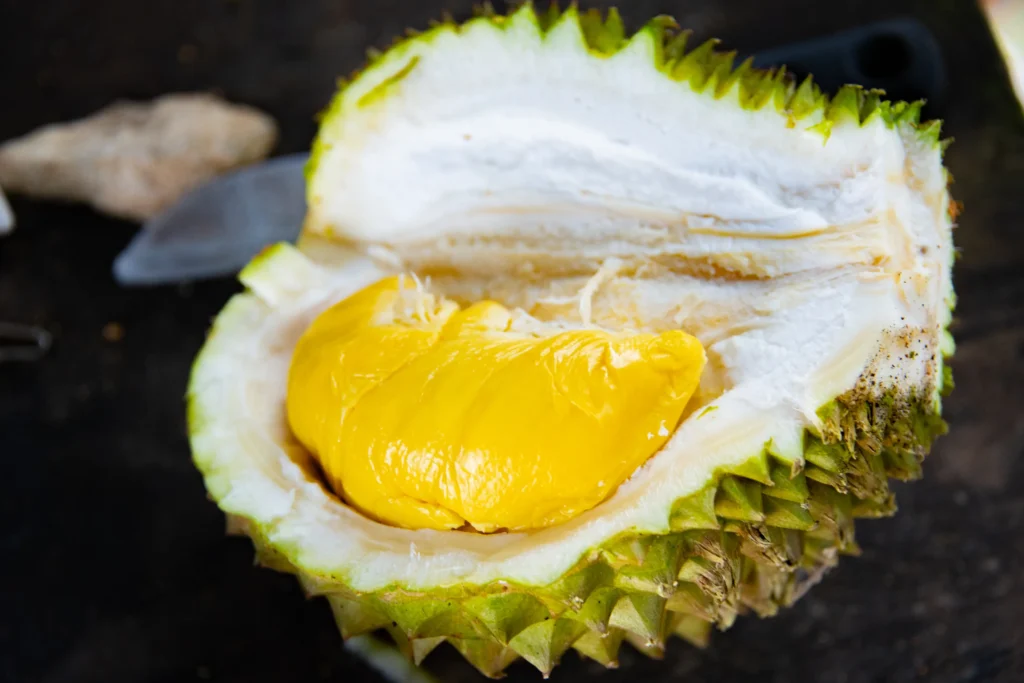
We also get into some of the stranger, funnier moments – like the doorless safari jeep with a ranger whose only protection was, and I quote, a “magic stick”. Or the durian farm where a spiked fruit the size of a bowling ball dropped between him and his colleague about two seconds after the farmer promised everything was fine.
But underneath the adventure stories, there’s something more considered going on. Ian doesn’t just show up and start shooting. He waits. He soaks it in. He becomes part of whatever he’s photographing – sometimes literally getting his hands in the soil alongside the farmers he’s documenting. There’s a real philosophy to how he works, and this conversation pulls a lot of it out into the open.
Here’s some of what we get into:
- Why he refuses to niche down – and what he thinks photographers actually lose when they specialize too early
- The difference between a portrait that’s taken and one that’s earned
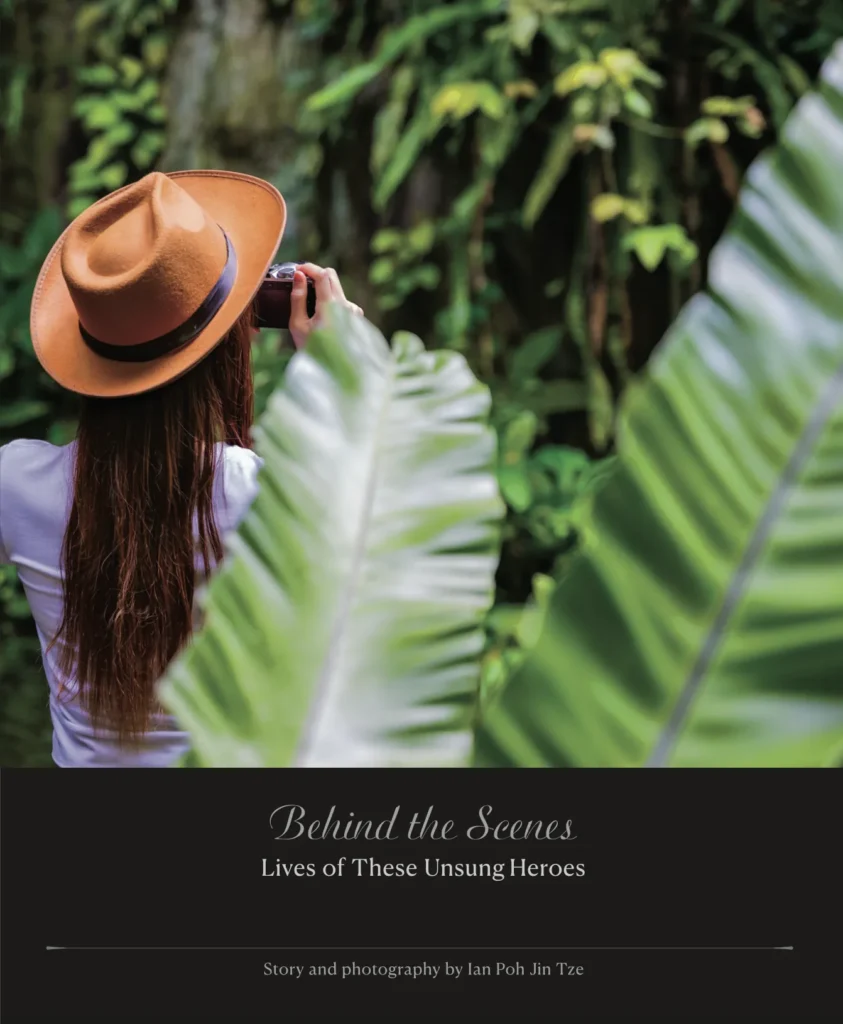
- How five years in Malaysia during COVID led to Behind the Scenes: Lives of the Unsung Heroes – and why that book was never really about agriculture
- The surprising day job that connects everything
- What a strong photographic voice is actually built on (hint: it’s not the genre)
- And a pretty cryptic teaser for what’s coming next – an ancient civilization, a Hasselblad, and a gallery in Paris
Ian’s the kind of person who can describe the smell of satay and jasmine drifting through a Kuala Lumpur street and make you feel like you’re standing there – and then pivot to a story about nearly being crushed by a durian. He’s poetic and grounded and genuinely funny, and this ended up being one of those conversations I could have kept going for another hour easily.
Q: Tell me a little bit about how photography first entered your life.
Ian: I’d say there’s always been this quiet pull towards storytelling in my life through both writing and photography. When you’re young, it kind of lives in the background behind school and other things, but it never really leaves you. Over time, especially with changes in technology, photography became like a private ritual for me; a quiet rebellion where I captured fragments of the world without realizing what I was building toward. Then about six or seven years ago, when my mom gave me a Leica, something just clicked, and I understood that photography wasn’t just about preserving a moment, but about evoking one – creating a feeling and an unspoken dialogue with the viewer.
Q: What changed in your behavior once you decided photography became something more serious?
Ian: When it was in the background, I was like everyone else, looking for the perfect selfie or the most Instagrammable shot. But once I took it seriously, my perspective shifted. For example, if I’m photographing the Eiffel Tower, it’s no longer about the tower itself, but the shadow it casts, the light at dusk or dawn, or the dramatic clouds behind it. It became less about being in the frame and more about capturing the essence of the scene. That shift, from subject to feeling, was probably the biggest change in how I approached photography.
Q: What do you gain from working across these various genres that you think you would lose by maybe specializing or niching down?
Ian: I’d say I gain experience and, more importantly, I keep my passion alive. I’ve seen photographers who specialize in one genre lose that excitement they had when they first started. For me, moving between different genres keeps things interesting and prevents that burnout. If I feel like I’m losing that spark, I can shift to something else and then come back refreshed. It’s that constant movement that helps me stay curious and engaged with photography.
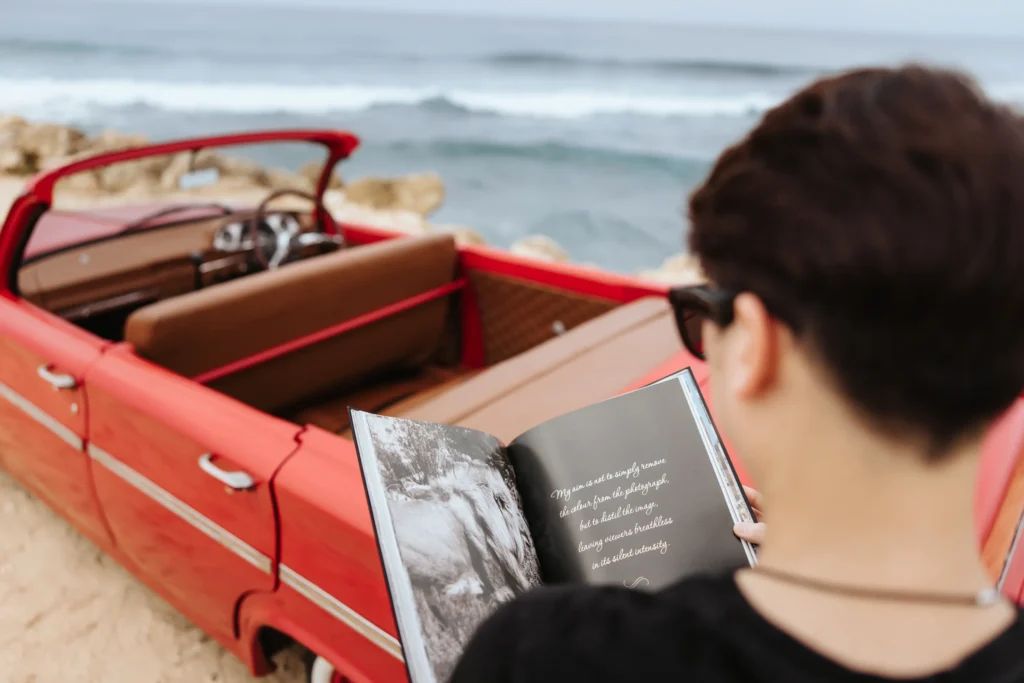
🔗 Connect with Ian Poh Jin Tze
- Website / Portfolio
- Published books: Behind the Scenes: Lives of These Unsung Heroes and The Silent Song of the African Savannah
🧭 What We Talked About
🎼 Early Journey / Origins
- Ian described photography as something that lived quietly in the background for years before it took center stage.
- Long before it became serious, he was already drawn to storytelling, both through writing and images.
- A major turning point came when his mother gifted him a Leica, which helped crystallize his understanding that photography wasn’t just about preserving a moment, but about evoking one.
- He talked about spending years photographing instinctively before realizing he was building toward a deeper visual language.
- His path then expanded into writing for publications, creating coffee table books, and eventually moving toward a more cinematic, immersive style of storytelling.
- Travel has also shaped him deeply. What began as excitement gradually became a life rhythm, with Ian describing stretches of traveling roughly 300 days a year as both exhilarating and exhausting. That same travel-heavy lifestyle also appears on his website.
📖 Philosophy / Vision / Storytelling
- Ian’s biggest throughline is emotion. He repeatedly returns to the idea that a strong photograph is less about what is seen and more about what is felt.
- Rather than chasing a technically perfect frame, he wants to create an unspoken dialogue between image and viewer.
- He doesn’t see storytelling as limited to photography alone. For him, combining photographs with written language creates a more complete, holistic narrative.
- He spoke about moving away from simply photographing landmarks or obvious subjects and instead becoming interested in things like light, shadow, atmosphere, and the emotional charge of a place.
- Monochrome is especially important to him because it strips things back and helps him lean into introspection, mood, and resonance.
- Across wildlife, food, portraiture, agriculture, and travel, the connective tissue is the same: Ian wants viewers not just to look, but to pause, reflect, and feel.
📷 Tools, Gear, and Behind the Scenes
- Ian has long been closely associated with Leica, and in the episode he describes that first Leica as a meaningful creative turning point. His site also identifies him as a Leica photographer.
- He approaches photography with a strong emphasis on presence before equipment. One of his most revealing habits is simply arriving somewhere, folding his hands, and taking time to soak everything in before shooting.
- Wildlife photography taught him to trust patience, instinct, and timing, especially when the scene is unpredictable and emotionally charged.
- He also discussed how different projects ask for different approaches, but the emotional goal remains the same whether he is photographing animals, food, farmers, or hospitality workers.
- Ian mentioned that his next major project breaks from his Leica history: he shot the new work entirely on Hasselblad, which he said gave the project a different visual force and presence.
- Outside still photography, his website also highlights a growing interest in cinematography and documentary-style visual storytelling.
🔁 Practice, Teaching, Platforms
- Ian is largely self-taught, joking that his formal training came mostly from YouTube.
- He learns by immersion rather than rigid formulas, preferring to let environments reveal themselves over time.
- His creative process is rooted in observation, adaptability, and experience, rather than boxing himself into one genre.
- He spoke about how working across multiple genres helps him preserve curiosity and avoid the burnout that can come from over-specializing.
- Writing remains central to how he works. Rather than treating words as supporting material, he uses them as a parallel storytelling tool that can express things a single frame cannot.
- His public platform extends beyond books into articles and documentary pieces; his website links to published editorial work and several short visual story projects.
💬 Advice, Creative Strategy, or Challenges
- Ian offered a powerful question for photographers who feel creatively scattered: “Why am I pulling the trigger?”
- For him, the answer matters more than genre. A photographer’s voice comes from intention, not from limiting subject matter.
- He encouraged photographers to stop thinking in terms of rigid niches and instead ask whether a moment is actually worth telling.
- He sees patience as one of photography’s most important skills, especially in wildlife and human-centered work where trust and timing matter more than control.
- One of his most thoughtful distinctions was the difference between a portrait that is simply taken and one that is earned. To Ian, that difference comes down to respect, presence, and a willingness to let the moment unfold naturally.
- He also stressed that not every photograph has to be a masterpiece. Sometimes an image matters because it preserves a memory, a feeling, or a reminder of what it was like to be there.
🌍 Influences, People, Brands, or Places
- Leica played a formative role in Ian’s photographic development, both as a tool and as a creative symbol in his journey. His website also reflects that long association.
- Hasselblad enters the conversation as the camera system behind his upcoming book project.
- His books and stories move through places like South Africa, Malaysia, Kuala Lumpur, Bangkok, and Paris, each treated less as backdrops and more as living, emotional environments.
- He referenced work tied to agriculture, hospitality, coffee farming, melon farming, durian farming, and luxury resorts, all of which reflect his interest in the hidden labor behind what people consume and admire.
- Published work and platforms connected to his broader creative world include Eater, Singapore Airlines’ SilverKris, The Smart Local, Le Cordon Bleu, and his own documentary storytelling projects. These outlets and projects are listed on his official site.
🔮 What’s Next for Ian
- Ian teased a new long-form project centered on the shadows of an ancient civilization, though he deliberately kept the location mysterious.
- He described it as a story of hidden histories, buried secrets, and images meant to provoke a feeling of suspended discovery.
- This upcoming work will become his next book, and he noted that it was shot entirely on Hasselblad.
- He also shared that he’ll be unveiling a new gallery collection in Paris, describing it as work meant not just to decorate walls, but to invite viewers into a conversation between what is seen and what is felt.
- More than anything, Ian made it clear that he remains driven by the same force that shaped this whole conversation: a need to keep chasing the next story, emotion, and truth waiting beneath the surface.
You are not a user here. You are a co-builder.
The new Great Big Photography World is being built in the open, by the photographers in it. Join the beta, help decide what we ship next, and get in before everyone else. Your feedback shapes the platform, not an algorithm.
Free until December 2026, with a free layer for everyone after, so you keep access either way. No card needed to join.
Become a co-builder