Wildlife photography is a window into what we could lose if we’re not careful.
Margot Raggett
You can also listen to this episode with Margot on iTunes, Pocket Casts, Spotify, and Castbox.
Connect with fellow photographers and interact with the host, Perrin, gain access to monthly photo contests, discover daily inspiration, and much more!
Built by photographers. Shaped by you.
We are building a new home for photographers, a platform that does not sell your portfolio, bury your shots, or tell you what to shoot next. You do. Community, podcast, Prime Classes, and a pro listing service on the way, all shaped by the photographers who use it.
Joining is completely free until December 2026. After that, a free layer stays for everyone, so you keep access either way.
Become a beta testerInterested in contributing? Visit our Supporter page to find out more
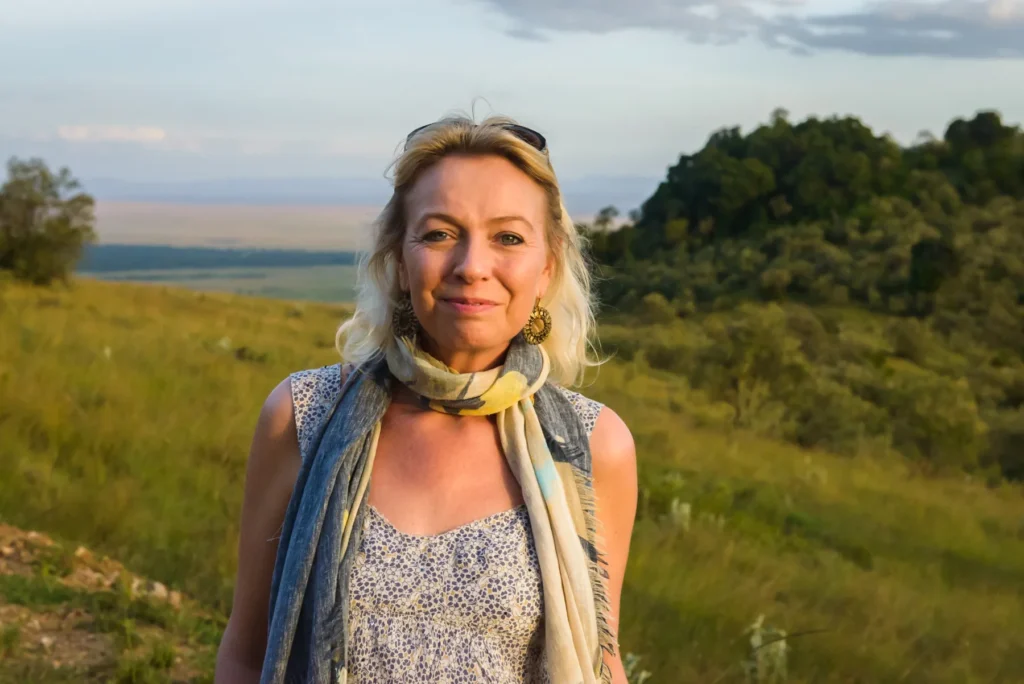
Margot Raggett didn’t start out chasing wildlife with a camera. For a long time, she was working in public relations, building campaigns, promoting brands, doing work she was good at, but never quite feeling like it meant anything.
That changed slowly at first. A few safaris. Time spent watching animals without even bringing a camera along. Just being there, fully absorbed in what was unfolding in front of her. She talks about it like a kind of quiet reset-the kind that pulls you out of your own head and into something much bigger.
But the real shift came later, in northern Kenya.
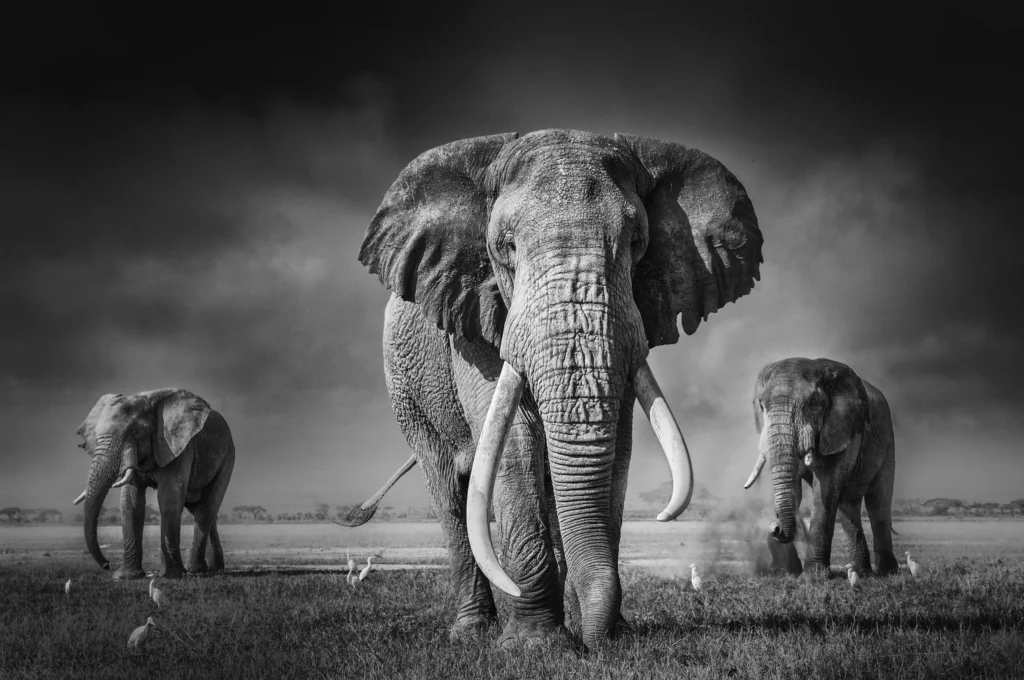
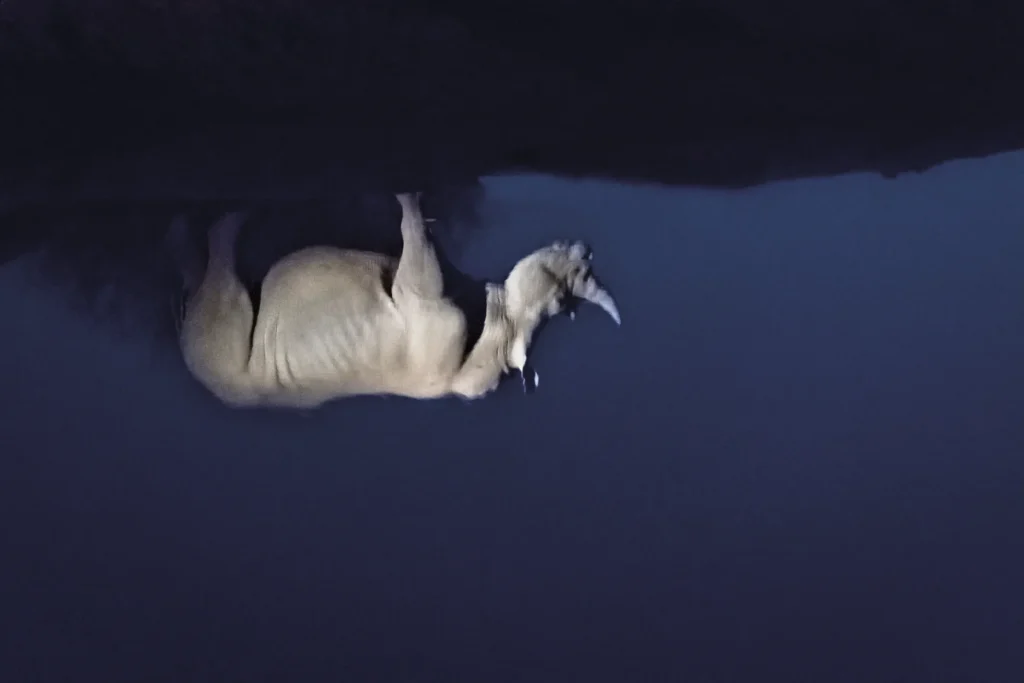
She came across a young elephant that had been killed by poachers. Its tusks were still there. The hyenas had already started to move in. And in that moment, everything she thought she understood about wildlife, and her place in it, fell apart a little. She realized that even after spending so much time in the field, she hadn’t truly grasped how bad things were.
And more importantly, she couldn’t forget it.
That moment didn’t just change how she saw wildlife photography, it changed why she was doing it at all.
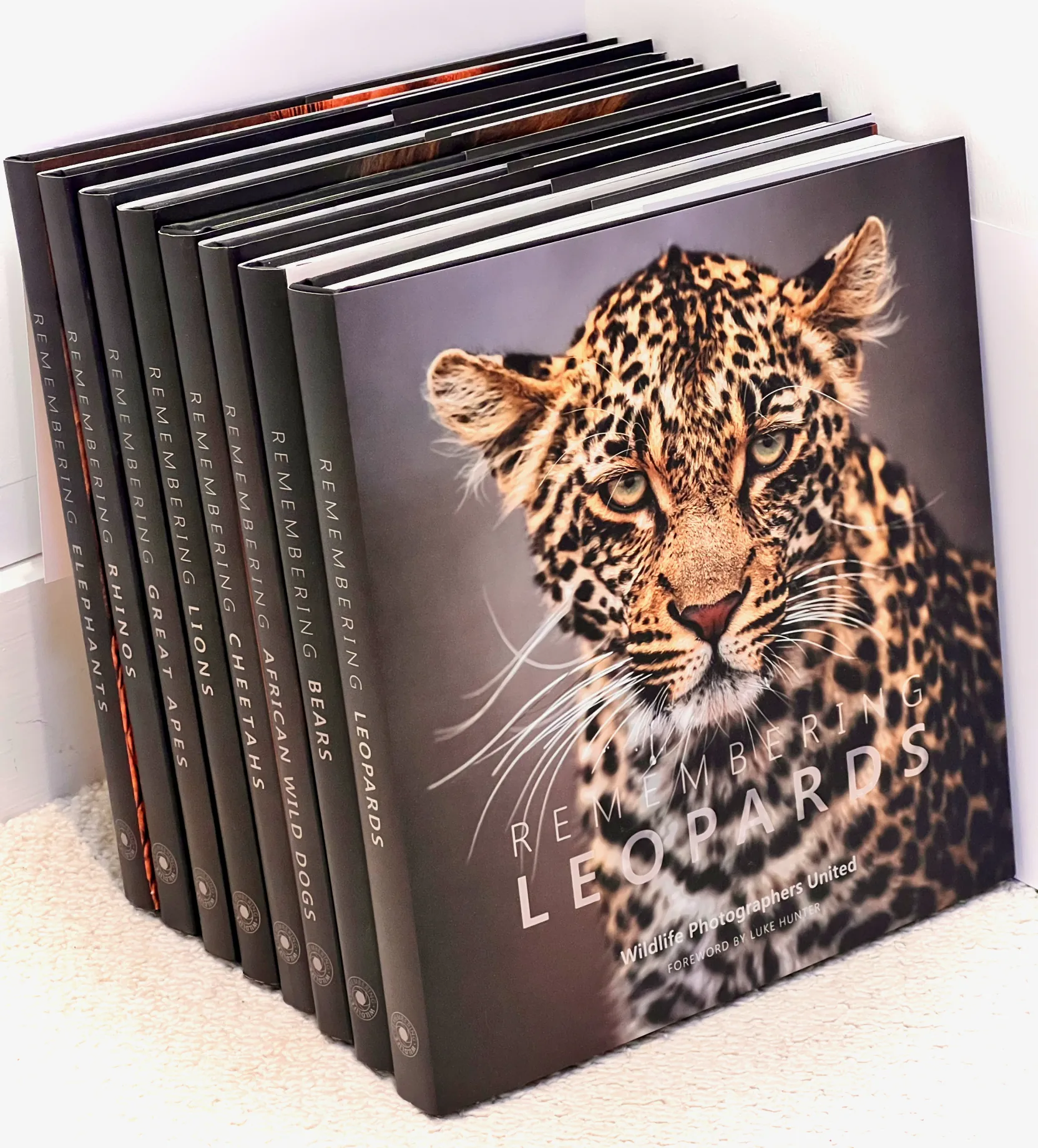
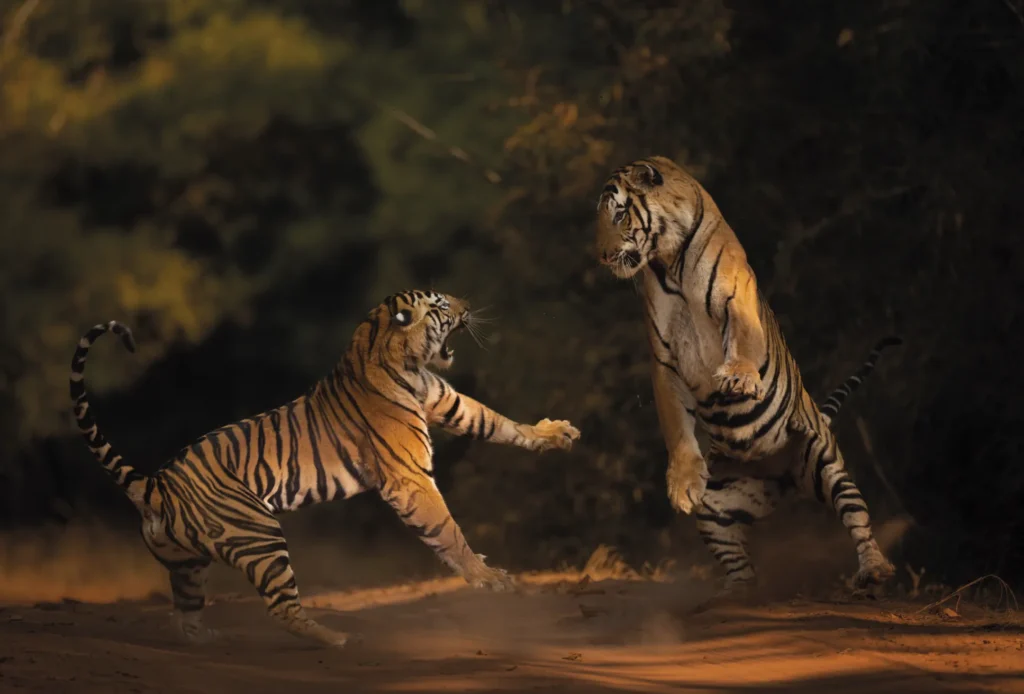
In this episode, Margot shares how that experience led her to create the Remembering Wildlife series, a collection of books that bring together some of the world’s top wildlife photographers to raise awareness and funds for conservation. What started as a single idea turned into something much larger, driven by a simple but powerful question: what can photography actually do for the animals it captures?
We talk about the reality behind wildlife photography including the long stretches of waiting, the unpredictability, and the fact that most “perfect” images come from a lot of missed moments. But we also get into something deeper: the responsibility that comes with pointing a camera at wildlife, and where the line is between documenting nature and interfering with it.
Margot is incredibly honest about the parts people don’t like to talk about – unethical behavior in the field, the pressure to create dramatic images, and how social media has shifted what people chase. She’s seen it all, and she doesn’t sugarcoat it.
At the same time, there’s a real sense of hope running through this conversation. Not naive optimism, but something more grounded, built on the people she’s met, the projects she’s supported, and the small but meaningful impact photography can have when it’s used with intention.
Here’s some of what we get into:
- The moment with the poached elephant that changed everything
- Why wildlife photography is far less glamorous (and far more demanding) than it looks
- The difference between “taking” a photo and actually making one
- The ethical lines photographers cross, and why they matter more than the image
- How the Remembering Wildlife books bring photographers together for a shared purpose
- Why beauty, not shock, is her way of getting people to care
Margot brings a kind of clarity to this conversation that sticks with you. She’s not trying to impress, she’s trying to be honest about what’s happening, and what role photography can play in it.
If you’ve ever wondered whether images can do more than just look good-this episode is a reminder that they can.
Q: What surprised you most about the reality of trying to build a life in wildlife photography?
Margot: I was surprised by how competitive it is and how many people want to do the same thing. The barriers to entry are much lower now, so there are far more photographers out there, which makes it harder to stand out. I was also struck by how little collaboration there was-people were very much on their own paths rather than working together for conservation. That realization planted the seed for what I do now, bringing photographers together for a shared purpose.
Q: What aren’t people paying enough attention to when it comes to the current state of conservation?
Margot Raggett: People don’t understand how bad it really is. Until you’re speaking to those working in conservation every day, you don’t grasp the scale, it’s like a tsunami overwhelming wildlife. There can be small wins, but they’re often temporary, and the threats keep coming back. It’s an ongoing, relentless battle, and if people walked away, the loss of wildlife would be far more devastating than most can imagine.
Q: When you look at everything that you’re involved in now, what part of this work do you find yourself most drawn to these days?
Margot: I’m very lucky in that I get to see some of the most beautiful wildlife images as part of my day-to-day work. Just recently, I was narrowing down thousands of entries for a competition, and it’s incredible to look through other people’s lenses and see what still exists in the natural world. It really reminds me what we’re fighting for. Wildlife photography becomes a window into what we could lose if we’re not careful, and that’s what keeps me engaged.
🔗 Connect with Margot Raggett
🧭 What We Talked About
🎼 Early Journey / Origins
- Margot’s path into photography began long before wildlife became her calling. Her grandfather was a professional photographer for the Royal Navy, and some of her earliest memories are of slide shows, carousels clicking through images, and the magic of pictures becoming stories.
- Her first camera was a Pentax, and although photography stayed close, she initially built a successful career in public relations, commissioning photographers and shaping visual campaigns rather than stepping fully behind the camera herself.
- Everything shifted after a first safari in South Africa. What began as a short add-on to a birthday trip became a turning point the moment she saw a newborn giraffe on her very first game drive.
- That early fascination turned serious after joining a photographic safari with Jonathan and Angela Scott, whose mentorship helped her see wildlife photography not just as observation, but as a craft with purpose.
- Around 2010, Margot reached a crossroads: after years in PR promoting consumer brands, she realized she wanted a life built around meaning, not just marketing. Wildlife photography became the place where her creative instincts and sense of purpose finally met.
📖 Philosophy / Vision / Storytelling
- One of Margot’s most memorable ideas is the distinction between “making” an image and simply “taking” one.
- For her, strong wildlife photography is not about driving up, spotting an animal, and recording what is there. It is about thought, patience, anticipation, and understanding what kind of image you are truly trying to create.
- She spoke beautifully about photography as a window into what we could lose. Looking through thousands of wildlife images reminds her not only of how much beauty still exists, but of what is at risk if conservation fails.
- Her approach is deeply rooted in emotion and reverence. She wants images to do more than impress viewers technically; she wants them to awaken care, attention, and a sense of responsibility.
- That same philosophy carries through the entire Remembering Wildlife series: the books are designed to help people fall in love with animals first, then understand why they must be protected.
📷 Tools, Gear, and Behind the Scenes
- Margot was candid about how much gear matters in wildlife photography, especially in low light when animals are most active. Her first photographic safari was done with what she described as a pretty terrible kit camera, and it quickly taught her the limits of entry-level equipment in the field.
- She often works with a 400mm prime lens, though she also admitted that some of the images she now loves most are the opposite of tight portraits: wider environmental frames where the animal is small in the landscape.
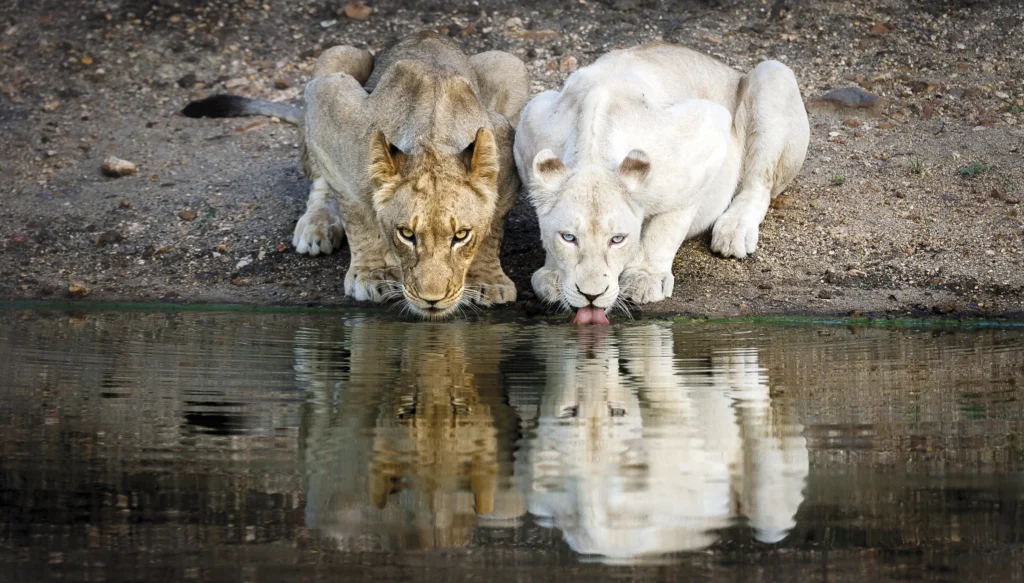
- Her process is highly observational. She described waiting over an hour at a waterhole because she understood lions would likely move there after feeding. That patience led to a unique image of a male lion and cub interacting — a photograph she got because she planned rather than reacted.
- She emphasized how important it is to work with guides who understand both animal behavior and photographic positioning — not just where the animal is, but where the light is, how the vehicle should sit, and how to stay calm when the moment finally arrives.
- She also spoke openly about new pressures on the medium, especially AI-generated wildlife imagery, which she worries can create false expectations and weaken photography’s role as a truthful record of the natural world.
🔁 Practice, Teaching, Platforms
- Before founding Remembering Wildlife, Margot spent four years working as a resident photographer in the Maasai Mara, teaching guests, producing marketing imagery, and building a deeper understanding of life in the field.
- Over time, she began to feel uneasy about only taking from wildlife photographically without giving anything back. That internal tension eventually became the seed for something much bigger.
- After witnessing the aftermath of a young poached elephant in Kenya, she realized she could bring together her background in communication, project management, and photography to create a conservation platform with real reach.
- That idea became Remembering Elephants, which was originally meant to be a one-off project. Instead, it sparked an entire series.
- She has now helped shape a platform that combines books, audio storytelling, fundraising, public awareness, and collaboration with many of the world’s best wildlife photographers.
- She also discussed Voices for the Vanishing, an audiobook-style project built from the essays across the Remembering Wildlife books. By voicing them herself, she found new patterns across the years of work and discovered another way to bring listeners into the emotional world behind the images.
💬 Advice, Creative Strategy, or Challenges
- Margot’s advice for wildlife photographers is clear: start with a genuine love of wildlife, not just a desire for dramatic images.
- She believes many people romanticize the genre without realizing how much of it is made up of waiting, missing shots, and returning day after day without the “magic” happening.
- One of her strongest messages was about ethics. She spoke passionately about irresponsible photographer behavior — crowding animals, blocking their movement, pushing too close for wide-angle images, and treating wildlife like a subject that exists purely for human satisfaction.
- She was especially firm on issues like baiting, which she does not accept in the Remembering Wildlife books, and on the danger of rewarding unethical images in competitions or on social media.
- Her view is simple and uncompromising: no image is worth compromising an animal’s welfare.
- She also encouraged photographers to move beyond imitation. Once you’ve learned the classic shots, the next step is to ask what feels original, what reflects your eye, and what carries more than surface-level beauty.
🌍 Influences, People, Brands, or Places
- Jonathan Scott and Angela Scott played an important role in Margot’s early development as a wildlife photographer.
- The Maasai Mara and Sabi Sands were central to her growth, both as creative spaces and as places where her understanding of animal behavior deepened.
- She reflected on time spent in Kenya, including Laikipia and Ol Pejeta, where encounters with poaching and extinction changed the direction of her life.
- She referenced conservation voices such as Jane Goodall and Gordon Buchanan, as well as countless field conservationists whose work continues despite heartbreak, loss, and limited resources.
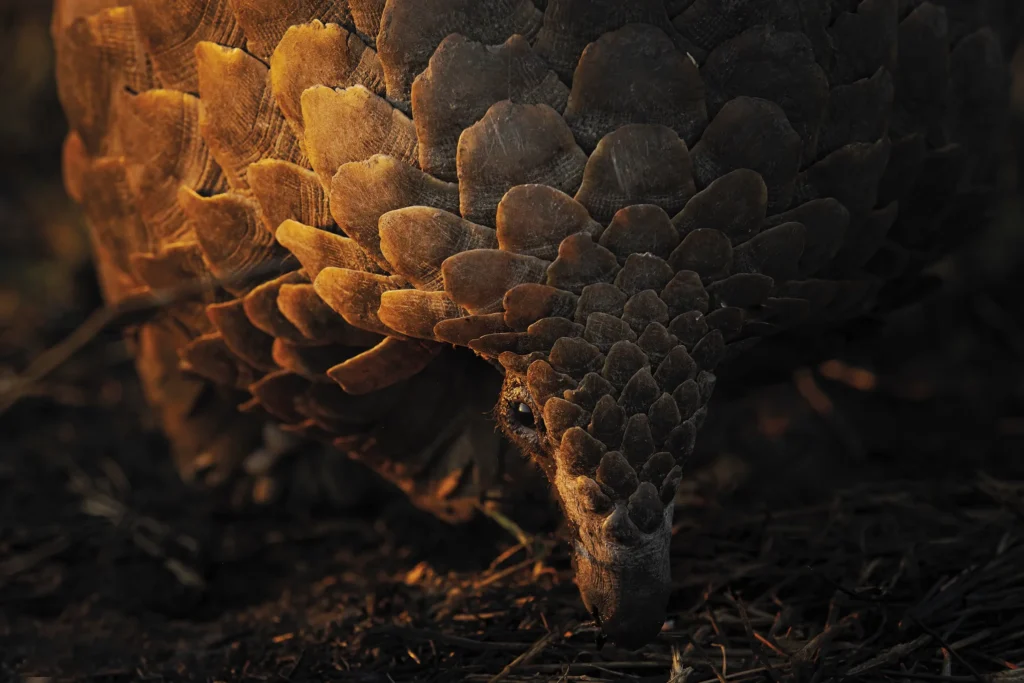
- The conversation also touched on species and projects across the Remembering Wildlife series, including elephants, rhinos, bears, pangolins, lions, leopards, and now giraffes.
- Margot also highlighted the tension between beautiful wildlife imagery and the culture of social media, where close-up spectacle often gets rewarded more than ethical, thoughtful storytelling.
🔮 What’s Next for Margot
- Margot is now deep in the process of producing Remembering Giraffes, the next book in the series.
- She described being struck by just how visually diverse giraffe photography can be — from abstract interpretations and dramatic landscapes to tender birth scenes and unexpected aerial compositions.
- The new book is also tied to a live Kickstarter campaign, which presents Remembering Giraffes as “a beautiful, collaborative book on giraffes from the makers of Remembering Wildlife,” with publication slated for October 12, 2026.
- More broadly, Margot seems driven by the same question that has shaped her entire path: how can photography be used not just to admire the world, but to give something back to it?
You are not a user here. You are a co-builder.
The new Great Big Photography World is being built in the open, by the photographers in it. Join the beta, help decide what we ship next, and get in before everyone else. Your feedback shapes the platform, not an algorithm.
Free until December 2026, with a free layer for everyone after, so you keep access either way. No card needed to join.
Become a co-builder