When we click the shutter, photography isn’t just reality – it builds imaginary worlds.
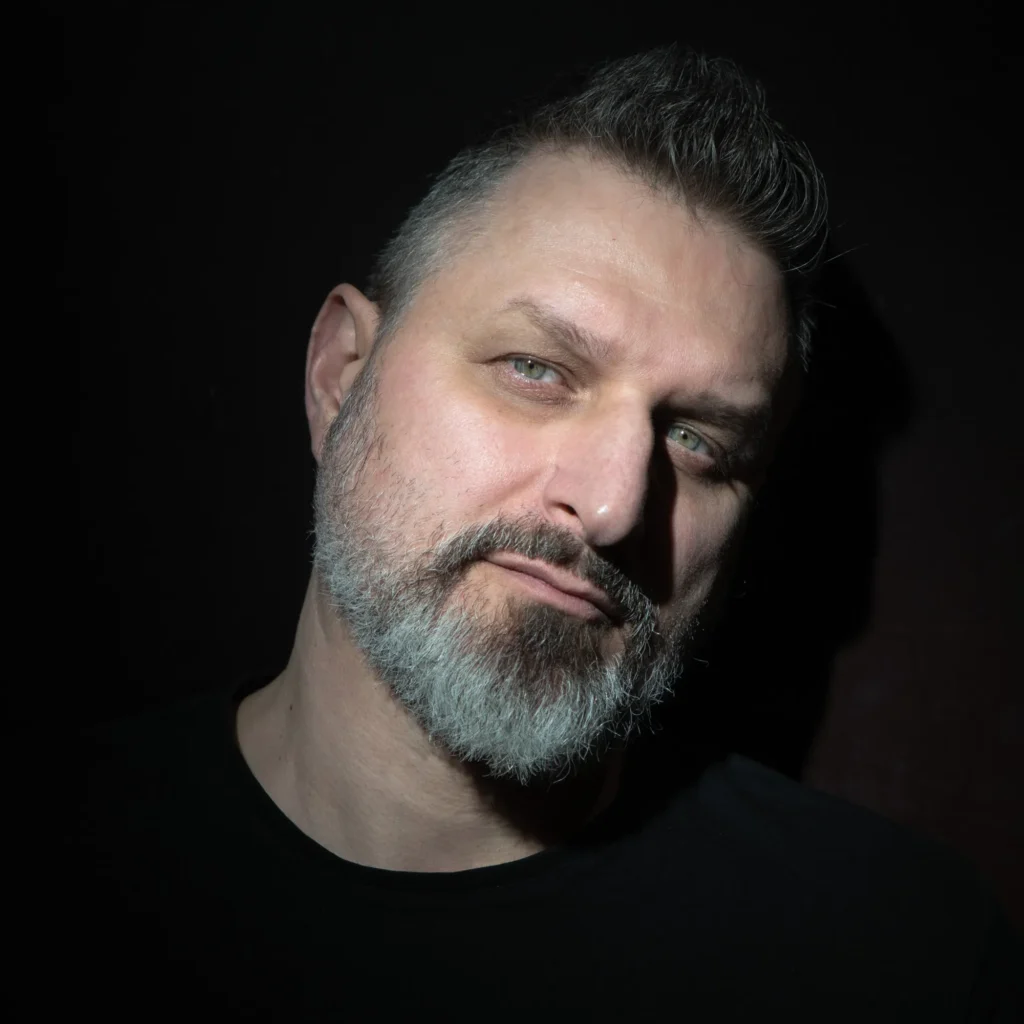
Ivan Tsupka
You can also listen to this episode with Ivan on iTunes, Pocket Casts, Spotify, and Castbox.
Connect with fellow photographers and interact with the host, Perrin, gain access to monthly photo contests, discover daily inspiration, and much more!
Built by photographers. Shaped by you.
We are building a new home for photographers, a platform that does not sell your portfolio, bury your shots, or tell you what to shoot next. You do. Community, podcast, Prime Classes, and a pro listing service on the way, all shaped by the photographers who use it.
Joining is completely free until December 2026. After that, a free layer stays for everyone, so you keep access either way.
Become a beta testerInterested in contributing? Visit our Supporter page to find out more
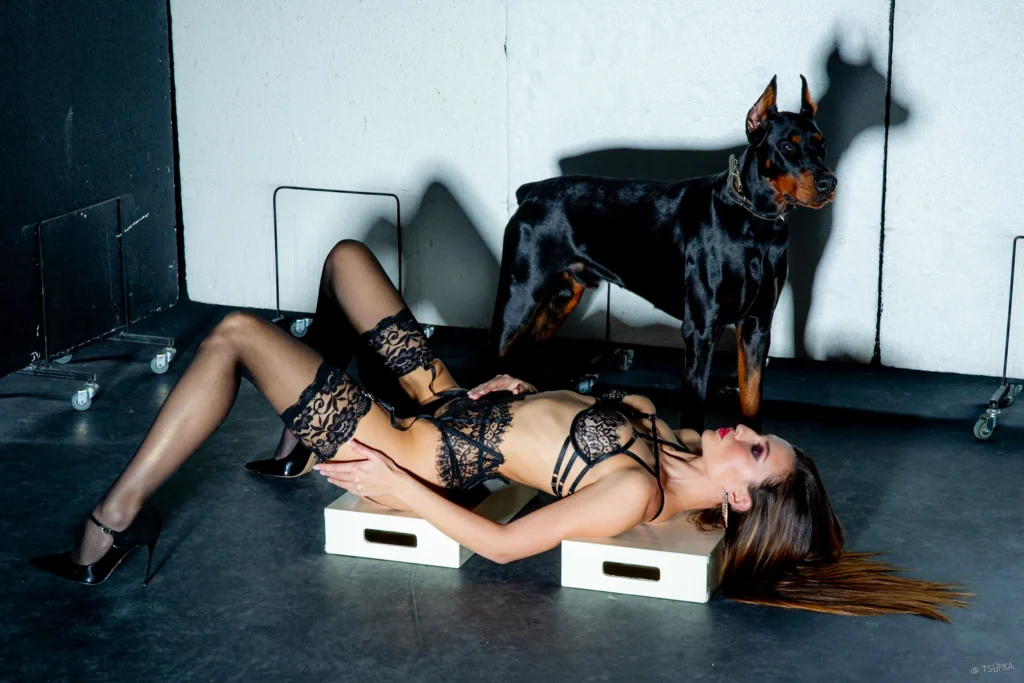
Long before the campaigns, the international clients, or the polished images, Ivan Tsupka was just a curious artist in a place where beauty felt… scarce.
He grew up in the Soviet Union, where visual culture was tightly controlled and, by his own description, often gray. No glossy magazines. No music videos. No easy access to the wider world of art and fashion. So when those images finally started to appear in the form of Vogue spreads and Western editorials – flashes of something vibrant and unfamiliar, it didn’t just feel inspiring. It felt like discovering another reality.
And like most discoveries that stick, it started small. Cutting pages out of magazines. Studying them obsessively. Trying to understand how something so effortless looking could be constructed at all. Because to him, at the time, it might as well have been magic.
In this episode, Ivan takes us through that journey, from a conceptual artist and media experimenter to a fashion photographer working across borders, cultures, and constantly shifting definitions of beauty. But what makes this conversation stand out isn’t just his experience, it’s how he thinks about photography itself.
For Ivan, fashion photography isn’t just about clothes or even aesthetics. It’s about belief. About how we construct meaning, how we respond to beauty, and how images, whether we admit it or not, shape the way we see the world. At one point, he frames fashion photography as a kind of modern mythology. Not in a cynical way, but in a deeply human one.
We also get into how his perspective was shaped by growing up with limited access to art, how working internationally exposed him to wildly different interpretations of beauty, and why he believes that even the most “artificial” image can still feel truthful.
And in the background of all this is something heavier: the reality of continuing to create while living through war. It’s a potent reminder that creativity doesn’t happen in a vacuum, it adapts, shifts, and sometimes becomes even more essential.
Here’s some of what we get into:
- How growing up in a visually restricted environment shaped Ivan’s obsession with beauty
- Why he sees fashion photography as a form of modern “belief system” (and what that really means)
- The surprising idea that all photography, not just fashion, can be seen as a kind of propaganda
- His thoughts on AI, authenticity, and why “fake” images often reveal themselves over time
- The truth about beauty standards in fashion (and why it’s more about function than intention)
- How working across different countries changed his understanding of what beauty actually is
Ivan brings a perspective that feels both philosophical and grounded in real-world experience. He’s thoughtful, occasionally blunt, and clearly still curious after decades in the industry-which might be the most interesting part of all.
If you’ve ever wondered what fashion photography is really about beyond the surface this conversation opens that door.
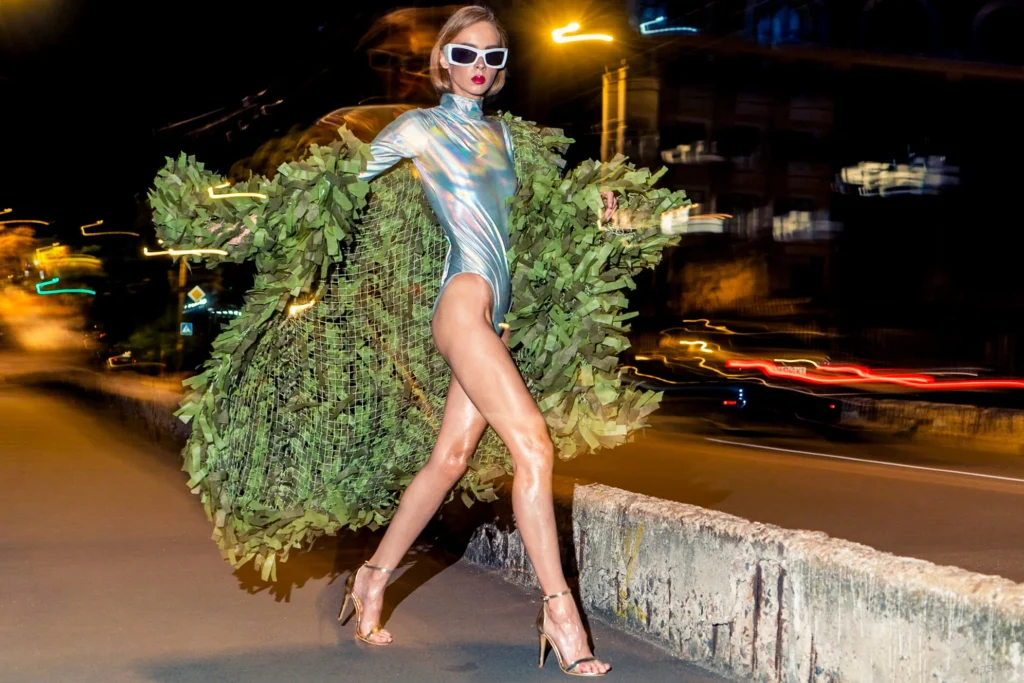
Q: In this day and age, what does authenticity mean to you in fashion photography in a space that is quite stylized? How do you maintain authenticity that people are craving?
Ivan: Fashion photography isn’t really strictly controlled – it’s actually quite chaotic. We live in a kind of “religion of freedom” where there aren’t rigid structures, but there are still indirect pressures, like needing to earn money. You have a lot of room to experiment, and some of those experiments work and bring success. So authenticity comes more from how you navigate that freedom rather than following strict rules.
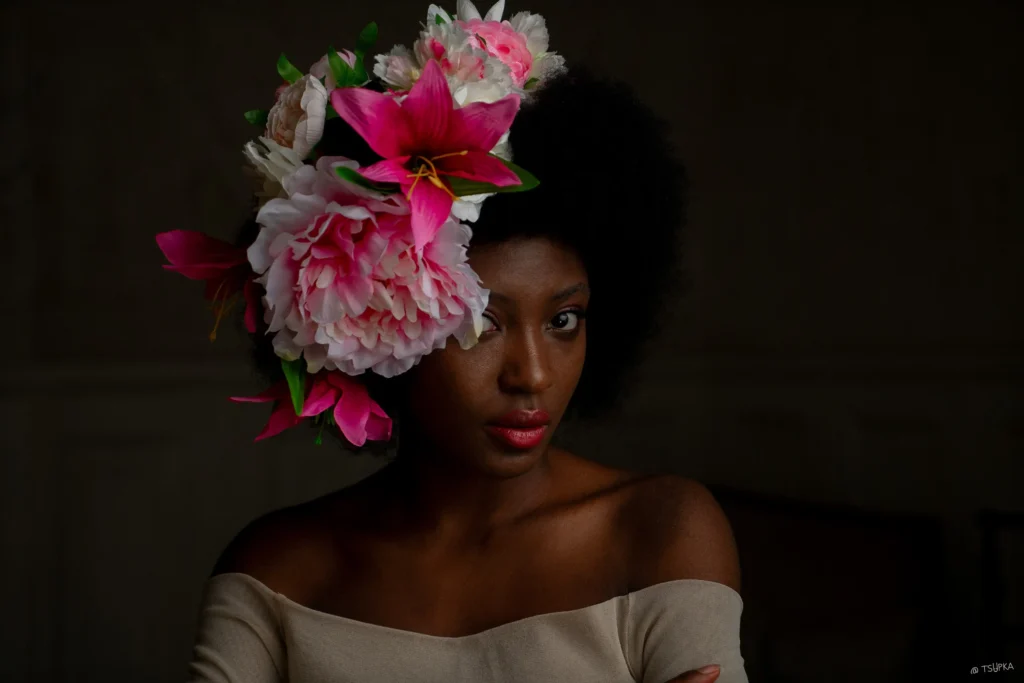
Q: Can something artificial still feel truthful?
Ivan: The whole history of art is about making artificial things. When photography appeared, it replaced the technical side of art, but the artistic side remained, creating something that didn’t exist before. Artistic photography is about a new way of seeing common things. Even if something is artificial, it can still change perception and feel truthful in that sense. I don’t fully like the invasion of AI, but it’s similar to what happened with Photoshop, it’s just faster and more accessible now.
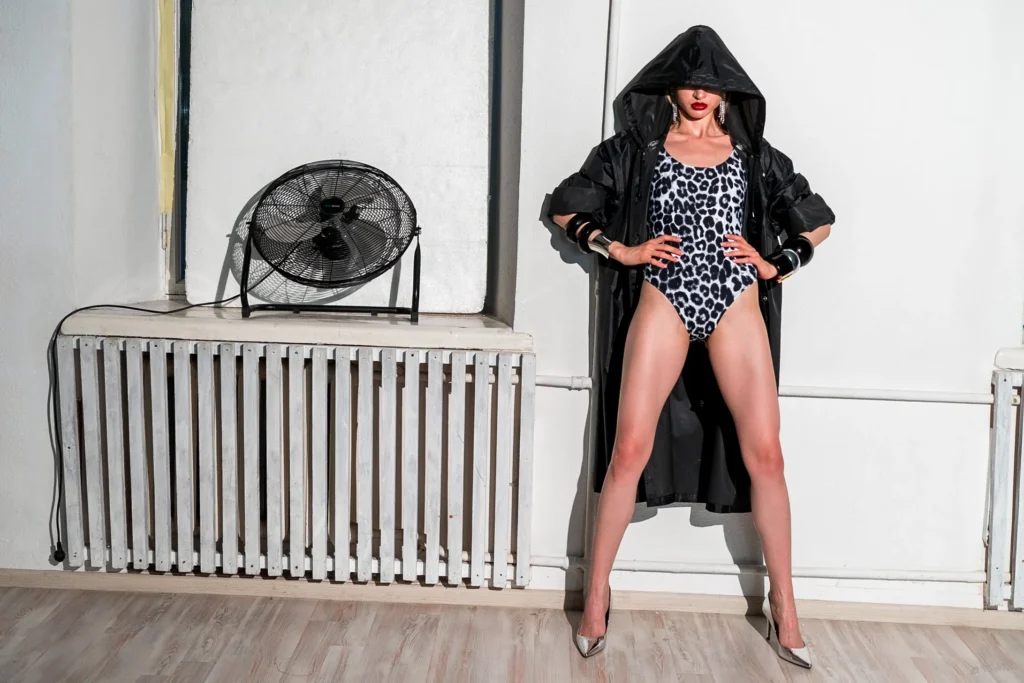
Q: From your perspective, how accurate is the narrative that fashion photography promotes unhealthy body standards today?
Ivan: Fashion photography works with a perception of pure beauty, what visually sells. Taller, slimmer models often look better on camera because of lines and proportions, not because there’s an intention to promote unhealthy standards. Designers also prefer standard sizes so they can present collections easily. It’s more about selection, like in sports where certain body types fit specific roles. Models aren’t starving, they’re normal people, and many simply have the metabolism that fits the industry.
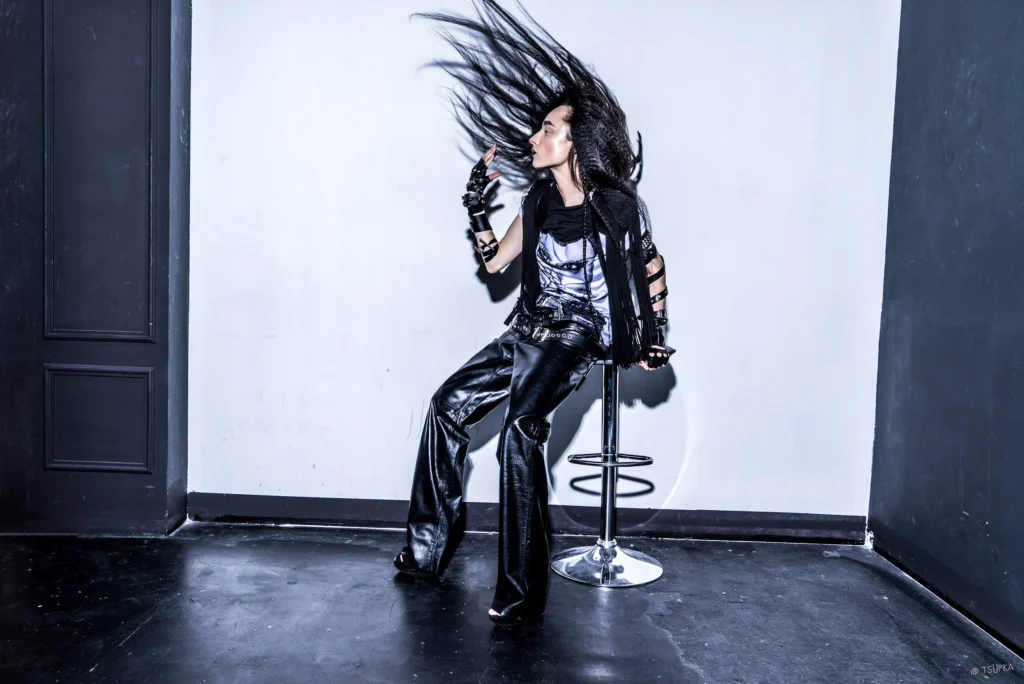
🔗 Connect with Ivan Tsupka
Instagram
Portfolio / Website
GBPW Prime Class
🧭 What We Talked About
🎼 Early Journey / Origins
- Ivan grew up in the Soviet Union, where access to visual culture like fashion, magazines, and media was extremely limited
- His artistic foundation came from his father, a non-conformist abstract painter, and years of studying classical art and art history
- The arrival of Western media during perestroika felt like a cultural awakening, exposing him to fashion and beauty imagery for the first time
- He began as a media artist (3D, animation, conceptual work) before transitioning into photography
- His entry into fashion photography was accidental, sparked by collecting magazine images and experimenting with shoots
- Support from his future wife (a model and makeup artist) helped him bridge the gap into working with people
- Early editorial work paid very little but forced him to stop overthinking and learn through action
- Political and economic shifts in Ukraine pushed him to pursue fashion photography internationally as a career path
📖 Philosophy / Vision / Storytelling
- Ivan sees fashion photography as a continuation of classical art traditions, especially the pursuit of idealized beauty
- He frames all art as a form of propaganda, with fashion photography acting as visual language for consumer culture
- A core belief is that humans rely on shared imagined systems, including beauty, value, and meaning
- He describes fashion imagery as a kind of modern religion, offering transformation and aspiration
- Models are portrayed as “gods” or archetypes, representing an ideal version of human beauty
- Fashion photography operates more in imagination than reality, constructing emotional and visual worlds
- He believes beauty is a fundamental human instinct, deeply embedded across all cultures
📷 Tools, Gear, and Behind the Scenes
- Fashion photography is a collaborative process, involving stylists, makeup artists, art directors, and models
- Ivan emphasizes that creating strong images requires coordination of many creative roles, not just technical skill
- He continuously experiments with new techniques, including video projection as lighting
- He uses AI tools selectively, mainly for retouching and small adjustments rather than full image creation
- He compares AI to earlier shifts like Photoshop and CGI, noting that the difference is speed and accessibility
- High-end productions carry value not just in visuals but in perceived authenticity and cost
🔁 Practice, Teaching, Platforms
- Ivan has taught photography and developed lectures focused on understanding what fashion photography really is
- His teaching emphasizes art history, perception, and visual language, not just technique
- He approaches every shoot with experimentation, balancing client expectations with creative exploration
- A typical approach is 80% planned work and 20% experimentation, which often leads to unexpected results
- Working during wartime conditions forced him to become highly adaptable, including using mobile workflows and flexible setups
- He believes growth in photography is endless, with each project revealing new challenges and ideas
💬 Advice, Creative Strategy, or Challenges
- A common misconception is that fashion photography is easy because subjects are beautiful, but it requires skill to make beauty work visually
- Another misconception is that it’s highly profitable, when in reality only a small percentage reach top earnings
- Fashion photography is not about truth, but about interpretation and construction of reality
- Success requires understanding people, collaboration, and visual storytelling, not just camera technique
- He encourages photographers to avoid overthinking and learn through doing
- Authenticity doesn’t depend on realism, since all art involves artificial construction
- Ideas themselves are not harmful, but how people interpret them can be
🌍 Influences, People, and Places
- Yuval Noah Harari (Sapiens) influenced his thinking about belief systems and human behavior
- Classical Renaissance artists like Leonardo da Vinci and Michelangelo shaped his understanding of visual beauty
- Fashion photographers such as Richard Avedon, Mario Testino, Patrick Demarchelier, Juergen Teller, and Mert & Marcus
- Cultural contrast between Soviet visual minimalism and Western media richness played a major role in his development
- International clients across Canada, Hong Kong, Germany, and New Zealand exposed him to different perceptions of beauty
- Brands mentioned include Armani, Versace, and Zara
🔮 What’s Next for Ivan
- Continuing to experiment with new lighting techniques and hybrid production methods
- Exploring the role of AI as a controlled creative tool rather than a replacement
- Adapting his workflow to ongoing uncertainty, including working under wartime conditions in Ukraine
- Leaning further into improvisation as a creative strength
- Continuing to refine his understanding of beauty, perception, and visual storytelling
- Staying committed to lifelong learning, embracing the idea that photography is a constantly deepening craft
You are not a user here. You are a co-builder.
The new Great Big Photography World is being built in the open, by the photographers in it. Join the beta, help decide what we ship next, and get in before everyone else. Your feedback shapes the platform, not an algorithm.
Free until December 2026, with a free layer for everyone after, so you keep access either way. No card needed to join.
Become a co-builder