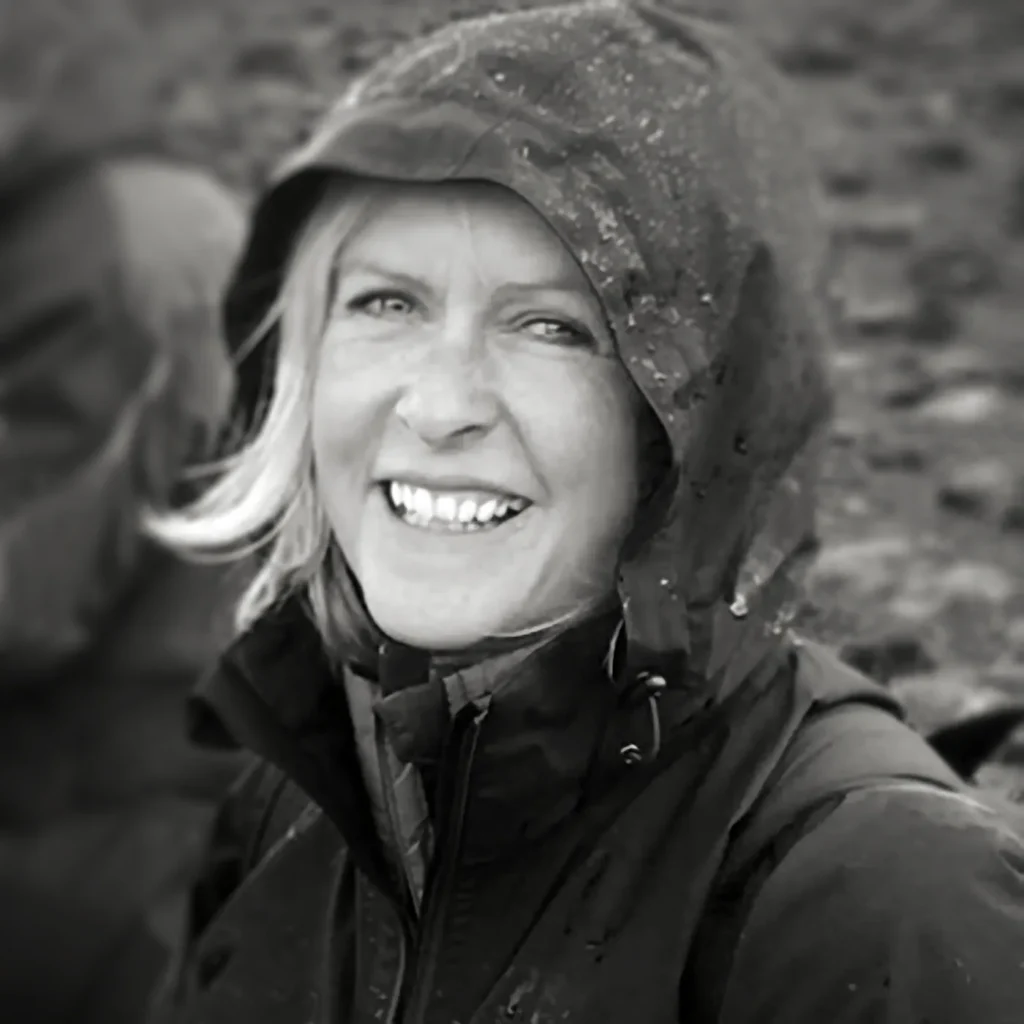
You’ve just got to keep showing up, and eventually something you love will happen.
You can also listen to this episode with Rachael on iTunes, Pocket Casts, Spotify, Castbox, and Google Podcast
Discover our photography community and interact with the host, Perrin, gain access to monthly photo contests, discover daily inspiration, and much more!
Interested in contributing? Visit our Supporter page to find out more
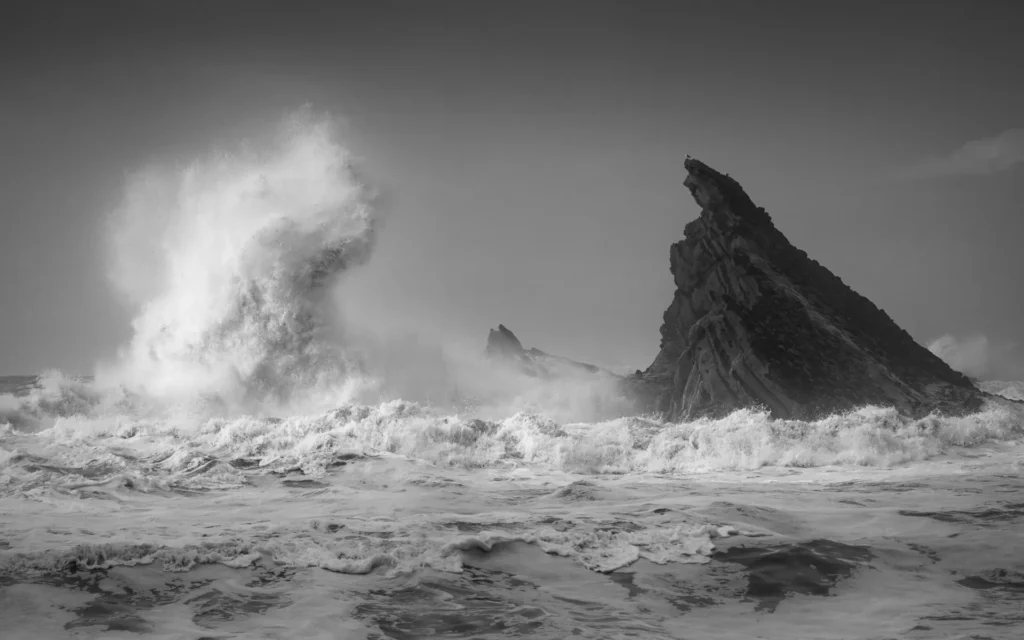
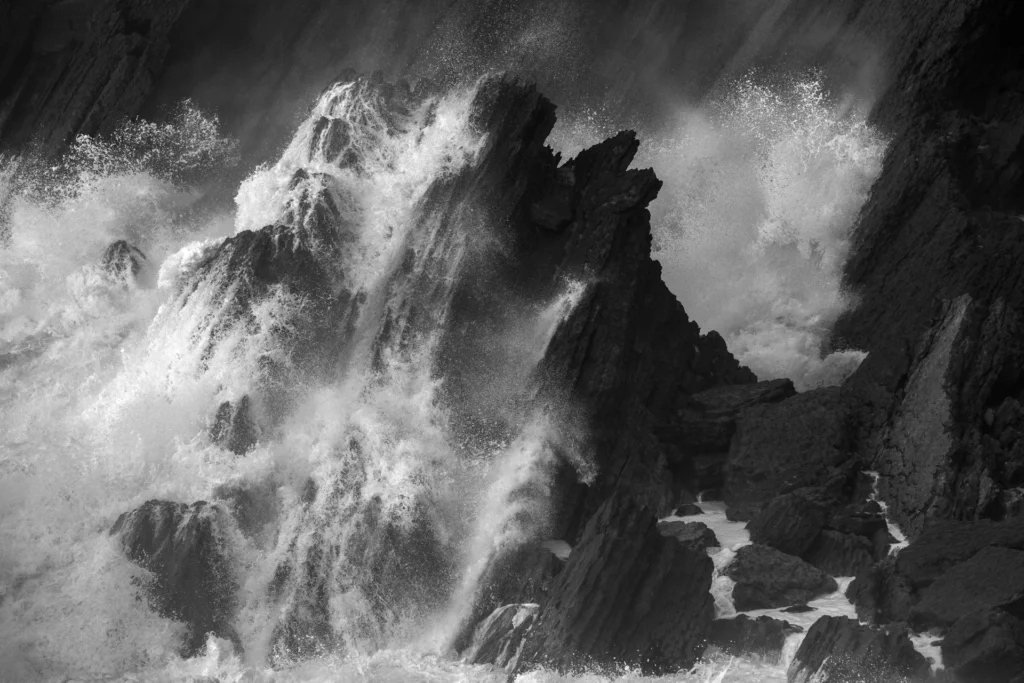
A wave rises, curls, and slams into a wall of dark rock. For a split second, everything explodes into spray and foam – light catching the edges, water folding over itself – and then it’s gone.
Rachael Talibart has spent years chasing moments like that.
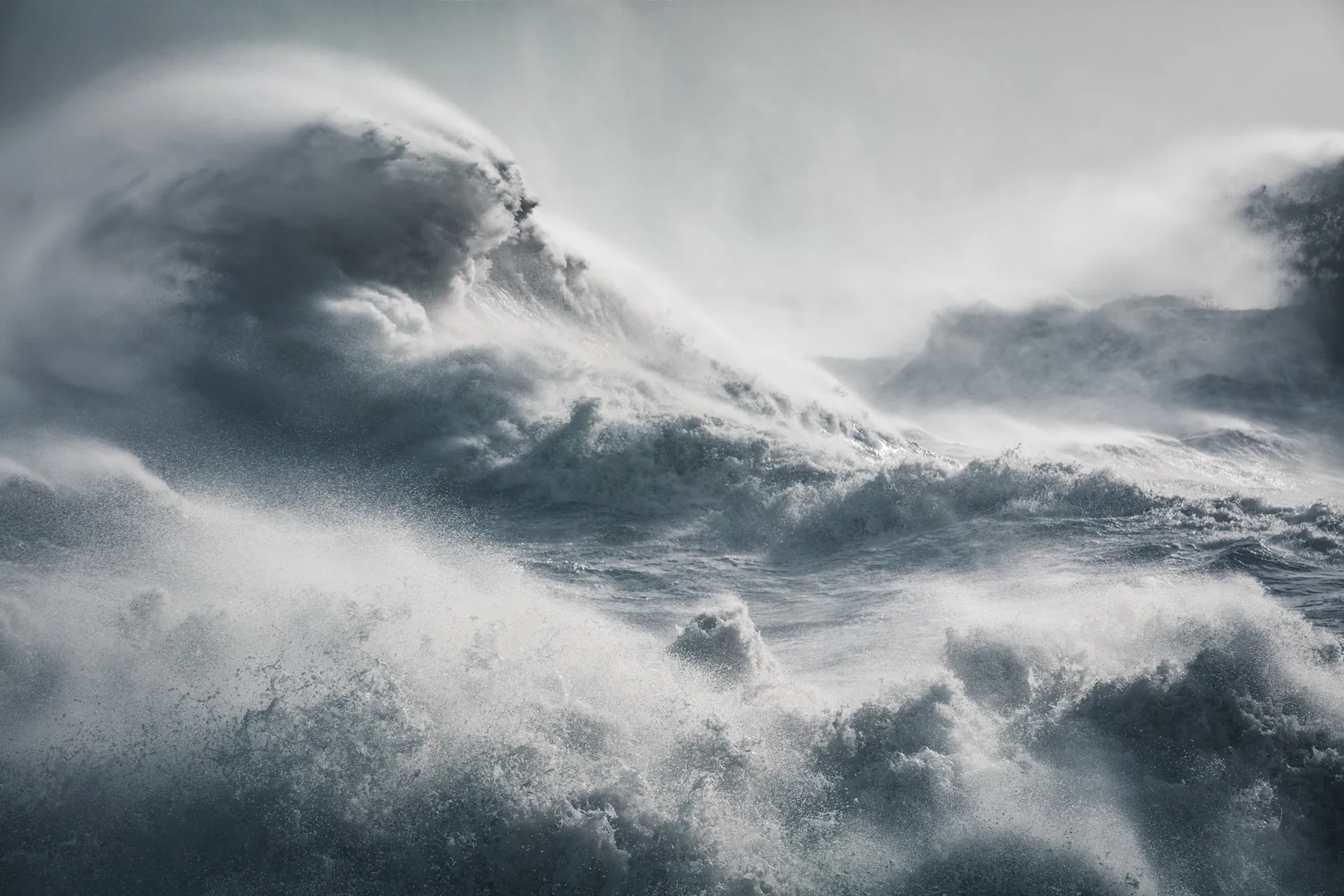
Not the big dramatic seascapes you see on postcards, but those tiny fractions of a second when the chaos of the ocean briefly turns into something almost sculptural. In fact, she once spent nearly two years photographing nothing but waves breaking on rocks, returning to the coast again and again until one image finally felt like it pushed the idea just a little further.
It tells you a lot about the way she approaches photography.
Rachael didn’t originally set out to photograph the sea. For a long time photography was simply something she fit around a very different life – a demanding career in London, travel whenever she could manage it, and later years spent photographing insects in her garden while raising a young family. (Bees in flight, as it turns out, are excellent training for photographing fast-moving waves.)
But the ocean had been part of her life much longer than photography. She grew up sailing, spending weeks at a time on the water, and when she eventually started heading back to the coast with a camera, something clicked. The sea became less of a subject and more of a long-term conversation.
These days Rachael’s work often strips the scene down to almost nothing – sometimes just water and light, no horizon, no land, no obvious sense of scale. What she’s really looking for is the tension between chaos and structure: the fleeting patterns that appear in moving water if you watch long enough.
In this episode, Rachael and I talk about what it means to commit to a subject that never repeats itself. We get into patience, repetition, and why returning to the same stretch of coastline over and over again can actually be one of the most freeing things a photographer can do.
We also wander into some deeper territory – the strange pull of the ocean, the lessons nature quietly teaches if you spend enough time paying attention, and why sometimes the most valuable thing a camera gives us isn’t the photograph at all.
Here’s some of what we get into:
- Why Rachael spent two years photographing waves breaking on rocks before finally getting the image she was chasing
- How photographing bees in flight helped prepare her for the timing needed in ocean photography
- The creative freedom that comes from returning to the same locations again and again
- Why working with the sea requires patience, resilience, and a willingness to get very wet
- The idea of finding structure hidden inside chaos when photographing waves
- How teaching workshops changed the way Rachel thinks about photography and creativity
Rachael brings a thoughtful, reflective perspective to photography. She’s the kind of photographer who’s perfectly happy to spend an entire day standing beside the ocean, even if the photograph never comes, simply because being there is part of the work.
Hope you enjoy the conversation.
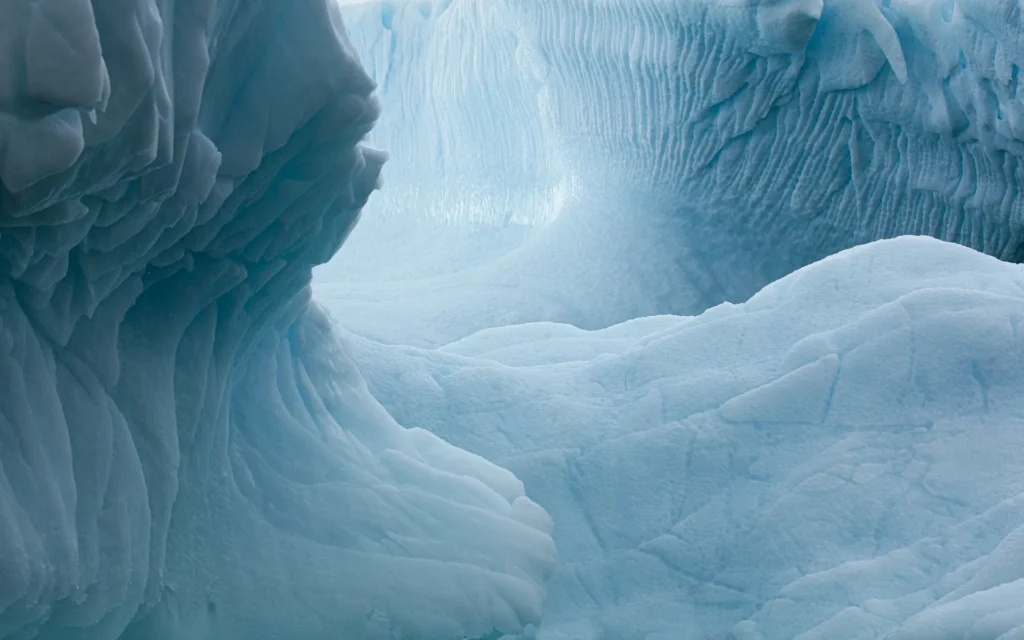
Q: When you head out to photograph, whether it be a body of water or just nature in general, what’s the part of the experience that you enjoy most?
Rachael: I love just being there in the company of the ocean, which is something I care about deeply. I try very hard to make my satisfaction depend on the experience rather than the final photograph. I can spend an amazing day at the coast with my camera and be perfectly happy even if I don’t create an image that ever gets published. The camera is really just my companion on these adventures with the sea.
Q: How did photography first enter your life?
Rachael: The first camera I ever had was a Christmas gift from my parents when I was 13. Photography had always been around because my dad loved slide photography and used to show us slideshows, even though my brother and I often found them boring. But there was something magical about the projector light and the sound of the slides advancing. Once I started using that camera on a school trip, I realized I really loved making photographs, and from that point on I was hooked.
Q: What do you think the sea offers creatively that other subjects don’t?
Rachael: The ocean is extraordinary because about seven-tenths of our planet is covered by it, yet it’s an environment we can’t naturally live in. When you stand by the sea and look at that distant horizon, it represents adventure and mystery. It’s slightly frightening because it’s an alien habitat where we know we wouldn’t survive for long if we were swept away. That mix of beauty, danger, and the unknown makes it endlessly compelling creatively.
🔗 Connect with Rachael Talibart
🧭 What We Talked About
🎼 Early Journey / Origins
- Rachael’s photography journey began at age 13, when her parents gifted her a camera for Christmas – a moment that sparked a lifelong relationship with photography.
- Photography had always been quietly present in her life; her father photographed family sailing trips and showed slideshows that planted the earliest seeds of curiosity.
- Early on, photography remained a passionate hobby while she pursued a demanding career as a litigation lawyer in the City of London.
- Travel photography became her first real creative outlet, documenting adventures made possible by those intense work schedules and holidays abroad.
- Later, while raising young children, she adapted her practice by turning her garden into an insect photography studio, planting native species to attract bees and insects.
- Photographing bees in flight with fast shutter speeds unknowingly became training for her future work with waves – learning timing, tracking movement, and anticipating decisive moments.
- When her children grew older and she gained more freedom to travel, she returned to the coastline she had loved since childhood sailing trips, discovering the ocean as the subject that truly resonated with her creative identity.
📖 Philosophy / Vision / Storytelling
- For Rachael, photographing the sea is less about capturing images and more about being present with the ocean.
- She measures a successful outing not by the photograph produced, but by the experience of time spent with the sea.
- Her work explores the tension between chaos and structure, searching for moments where fleeting patterns emerge inside the turbulent motion of waves.
- Rather than answering questions about the ocean, she uses photography to ask deeper questions about nature, mystery, and the unknown.
- The ocean represents something profoundly humbling: an alien environment covering 70% of our planet where humans are not naturally meant to exist.
- Standing beside the sea creates a powerful emotional paradox – feeling small, yet uplifted, reminded of forces far greater than human concerns.
- Her images often remove human presence entirely, reflecting a fascination with a world beyond humanity’s influence.
📷 Tools, Gear, and Behind the Scenes
- Rachael began shooting on film, learning through trial, error, and experimentation long before digital cameras existed.
- When she transitioned to digital in 2008, she completed a short course through the Open University that introduced her to digital workflows and Photoshop Elements.
- Much of her learning, however, has been self-taught through experience and repetition in the field.
- She often works with longer focal lengths, filling the frame with wave spray and water textures to isolate patterns inside chaos.
- Shutter speed becomes a critical creative decision – the difference between 1/500s and 1/1000s can dramatically change how waves appear.
- Unlike traditional landscape photography, ocean photography demands constant responsiveness to movement and rapidly shifting light.
- Her gear must survive extremely harsh conditions, including salt water, storms, and wind-driven sand, making weather sealing essential.
- She also embraces cropping as a creative tool, acknowledging that decisive moments often happen too quickly for perfect in-camera composition.
🔁 Practice, Teaching, and Creative Process
- Rachael has been teaching photography workshops for over 11 years, guiding photographers through coastal environments.
- Interestingly, she does not carry a camera while teaching, allowing her full attention to focus on helping students develop their own vision.
- Watching students interpret familiar locations often reveals new perspectives she had previously overlooked.
- Her teaching philosophy avoids rigid instruction like “stand here and use these settings.” Instead, she encourages photographers to explore and discover their own compositions.
- Workshops often lead to long-term communities, where participants later organize trips, exhibitions, and collaborations together.
- Teaching also helped Rachael rediscover something unexpected: despite preferring to photograph empty places, she deeply enjoys working with people and creative dialogue.
💬 Advice, Risk, and Creative Growth
- Rachael emphasizes repetition as a key ingredient of mastery – revisiting the same coastline over and over rather than constantly seeking new locations.
- Returning repeatedly removes pressure and allows photographers to experiment, play, and discover deeper ideas.
- She believes photographers must develop respect for powerful natural environments before chasing dramatic images.
- Risk, in her view, is not something to eliminate entirely but something to understand and assess responsibly.
- Modern society, she argues, has become overly risk-averse, preventing people from learning how to judge danger and interact meaningfully with nature.
- The goal should never be “getting the shot at any cost.” Instead, photographers should learn the rhythms of the subject first.
- Patience, humility, and curiosity are far more valuable than rushing toward a professional career after only a few months of shooting.
🌍 Influences, People, and Places
- Simon Baxter – a leading UK woodland photographer whose meticulous compositional approach contrasts with the chaos of ocean photography.
- Mark Littlejohn – landscape photographer who shares a love for enduring extreme coastal weather conditions.
- Outer Hebrides (Scotland) – one of the dramatic coastal regions where Rachael photographs waves and ocean patterns.
- South Coast of England – her primary working environment, despite its crowded landscapes
. - Icelandic fisherman’s oilskins – heavy-duty gear she relies on to survive storms and salt spray while shooting.
- Suminagashi marbling – a traditional Japanese ink-on-water technique she explored during her sabbatical to reconnect with analog creative processes.
🔮 What’s Next for Rachael
- Rachael is currently on a seven-month sabbatical from teaching, focusing entirely on her personal photography and creative experimentation.
- She is exploring analog and hands-on artistic techniques outside of photography to spark new creative directions.
- Upcoming travel includes Newfoundland, where she plans to reconnect with the ocean – possibly without even bringing a camera.
- After her sabbatical ends in July, she will return to workshops with renewed creative energy and new ideas.
- Above all, her goal remains simple: to keep learning – about photography, nature, people, and herself.