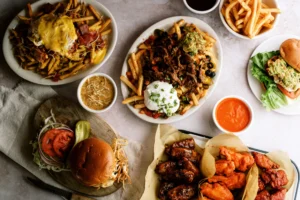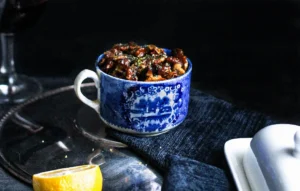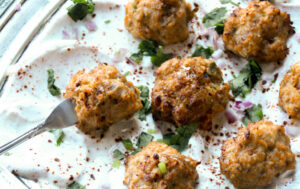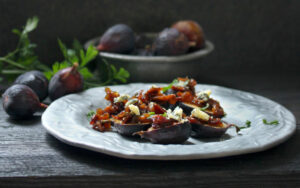
In what seems like a millennium ago, you’d pretty much only see food photography in the grocery store checkout or when you got your monthly subscription to your favorite food magazine. And then, like a shockwave, cell phones happened, and social media exploded. And then came…the food photos. Suddenly, the golden age of food photography was born!
Whether it was your aunt posting pics of her homemade pie or stunning dark and moody food photos from the British Isles, food is everywhere on social media. And you may be wondering, “Hey. I’d like to get in on that. And possibly get paid for it?”
Well, this article is to help get any possible uncertainty out of the budding food photographer’s voice in your head.
Contents
- 1. Understanding the Role of a Food Photographer
- 2. Developing Key Food Photography Skills
- 3. Investing in Quality Equipment and Software
- 4. Building a Compelling Portfolio
- 5. Building Industry Connections
- 6. Seeking Continuous Feedback and Improvement
- 7. Marketing Your Food Photos and Finding Clients
- 8. Pursuing Opportunities for Growth
- 9. Staying Inspired and Motivated
- Conclusion
- Take Away
1. Understanding the Role of a Food Photographer
Food photography, at its essence, is bringing the world of food to other people. Whether it’s through social media or starting your own food blog, the trick is to grab your phone or camera and just start shooting!
And once you do that, then what will become your online portfolio will start to reveal itself. You’ll discover where your real passions lie. Are you inspired to make an ornate cake and shoot it as a towering building? Do you roll out of bed in the morning thinking of new and funky lighting techniques? Are you passionate about food ingredients straight from the farmstand that you want to shoot au natural, or do you love to create whimsical characters from chocolate at different angles?
Once you realize that you’re an aspiring photographer, that’s literally the day that you can start your career in food photography.
What Food Photographers Actually Do
Food photography has more genres than you think! For instance, you can shoot for restaurants, magazines, brands, influencers, packaging, and good old-fashioned newspaper ads.
Career types for food photographers include commercial, editorial, restaurant, and social media food photography. All of which would be worthy of your talent!
For all of those food photography careers, you need to balance technical control (lighting, exposure, color) with creative direction (mood, texture, emotion) to make sure that you’re giving the client what they’re looking for.
The Emotional Side of Food Photography
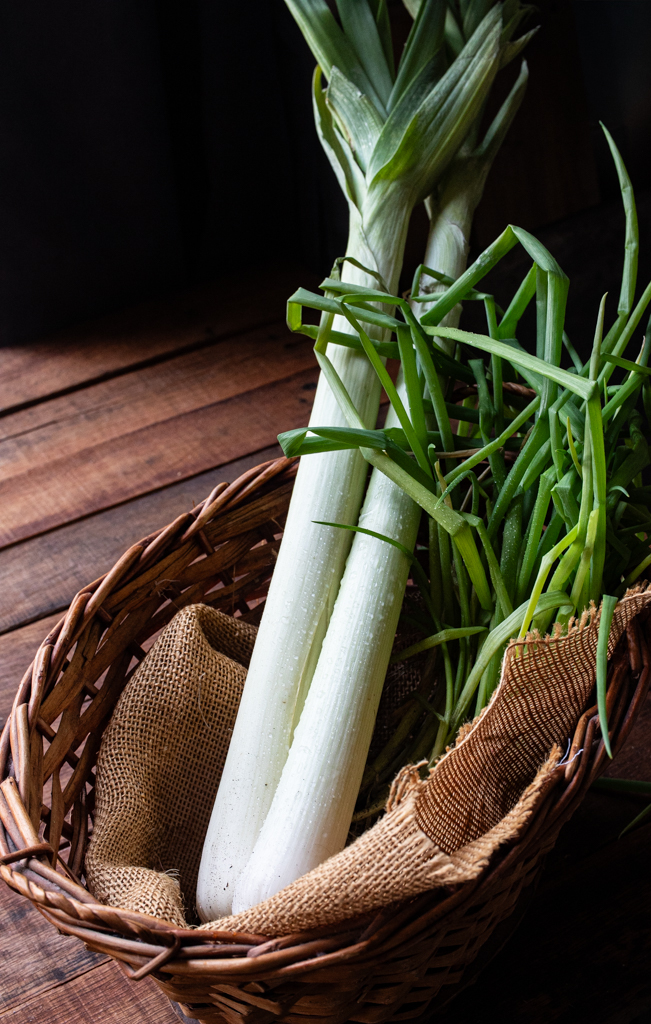
For example, my grandparents had a family farm. Picking vegetables and bringing them back to the farmhouse was a joyful chore. My grandmother used to laughingly scold me not to “eat all the berries before I can make them into cake frosting!” So, when I was putting together this shot, it was a bit of still life photography that was an ode to that little girl and her grandmother in the garden.
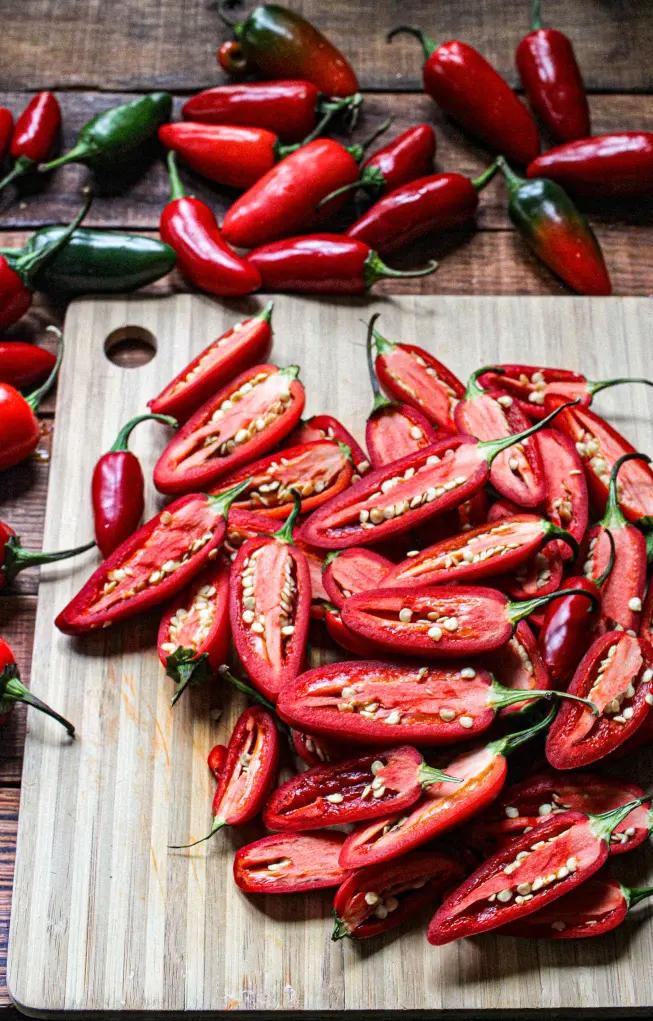
In food storytelling, sensory cues (steam, texture, melting moments) are great tools to connect with viewers emotionally. For instance, the leeks with droplets of water evoke a feeling of the vegetables being freshly picked from the garden and rinsed off with a garden hose before bringing them, covered with dirt, into the kitchen.
2. Developing Key Food Photography Skills
Before you can assemble a professional portfolio, you’ll need to joyfully delve into sharpening your food photo skills. (Remember, this is supposed to be fun!) And learning about light and composition will make your images more attractive to future potential clients.
So, lock yourself away with the food of your choice and shoot, shoot, shoot. How’s the light? Would you prefer the stability of an artificial light source rather than daylight? How does that slice of cake look better, shot vertically or horizontally? In macro or overhead? All of these exercises that you give yourself will advance your ability to pitch yourself as a freelance photographer.
Core Photography Skills

One of the first things you’ll want to really get a handle on is lighting. What type do you want to work with? Do you want to invest in an inexpensive lighting setup? Natural vs. artificial lighting isn’t completely a binary choice, though; you can work with the two at different points of the day.
You’ll also want to play with composition and learn about exposure control, which is a great way to master your camera settings and manual controls.
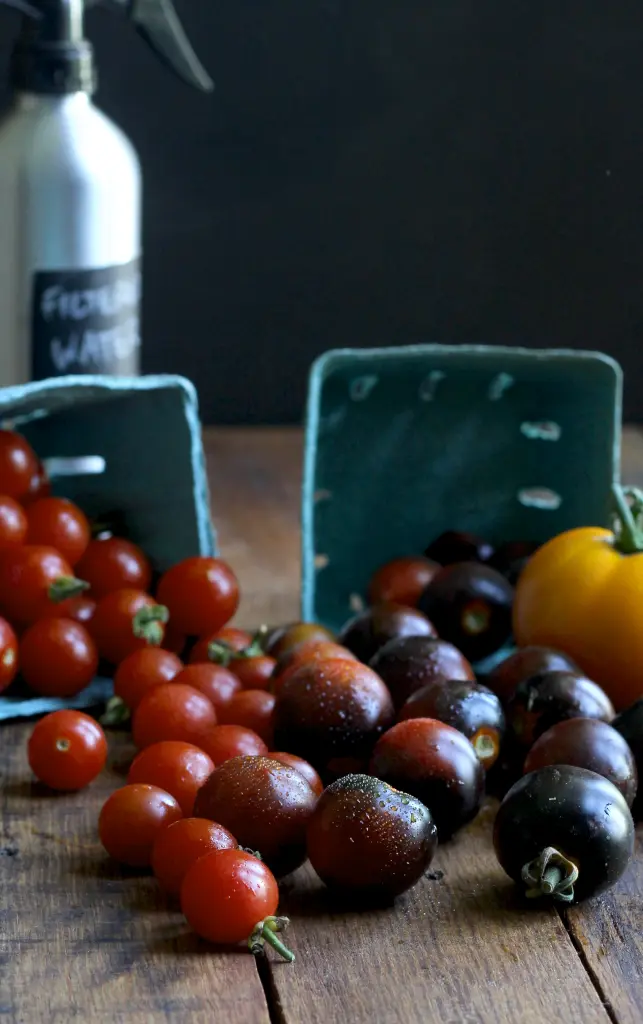
Experiment with angles, things like overheads, 45°, and macro shots to reveal different perspectives. Spilling objects, for instance, love to be shot just above or straight on with a semi-shallow depth of field.
Practice post-production in Lightroom and Photoshop for color grading and retouching. And in Lightroom, don’t overlook the masking tool to reduce glare from shiny objects!
Food Styling & Visual Storytelling
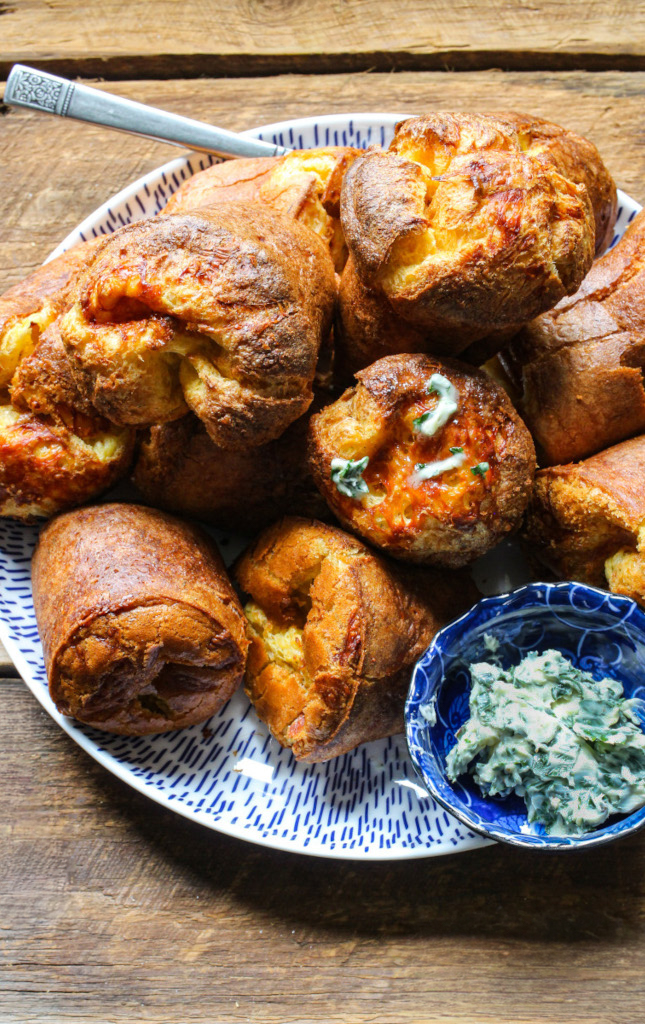
Use color, texture, and shape in food styling to make dishes even more appealing. Embrace your love of the culinary arts while plating and styling. Place that perfectly grilled chicken breast next to a bright green salad. Top that tall, herb-flecked popover with a soft pat of butter.
Add props and backgrounds that complement, not distract from, the main dish. Whether it’s nudging the viewer’s eye toward the main dish with artfully placed utensils or ingredients, or layering napkins for a little height, it’s the little details that make a food photograph pop! And all of those examples add to the beauty of the main dish without detracting from it.
3. Investing in Quality Equipment and Software

Beyond photography basics, the other things that you’re going to want to think about are a new or used camera, which will get you great image quality, and software for crisp and clean post-processing of photos.
A good starter camera will help you get your food photography training off the ground and will kickstart your career path!
Start Simple
Begin with a basic DSLR or mirrorless camera and a 50mm prime lens. A fixed focal lens, like a 50mm, will allow you to catch a water droplet rolling down an apple or allow you to see the smallest crumb of grated cotija on a roasted potato.
Try using natural light near windows before investing in softboxes and reflectors when you first start out. And if you have white cardboard or posterboard kicking around, those work wonders for bouncing light and to make you feel like you have amazing problem-solving skills!
Essential Gear
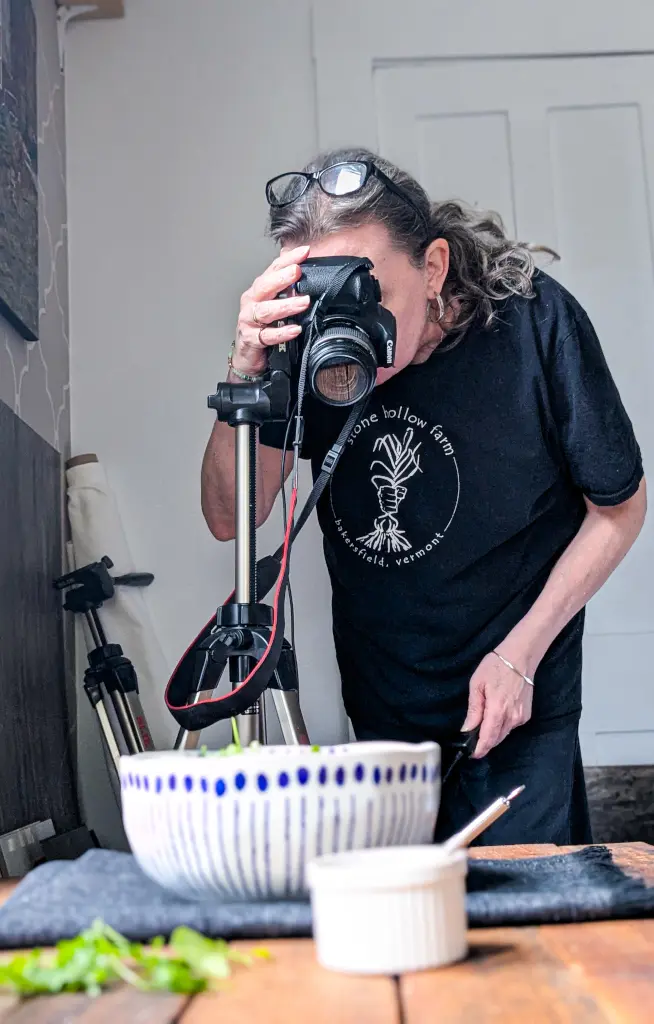
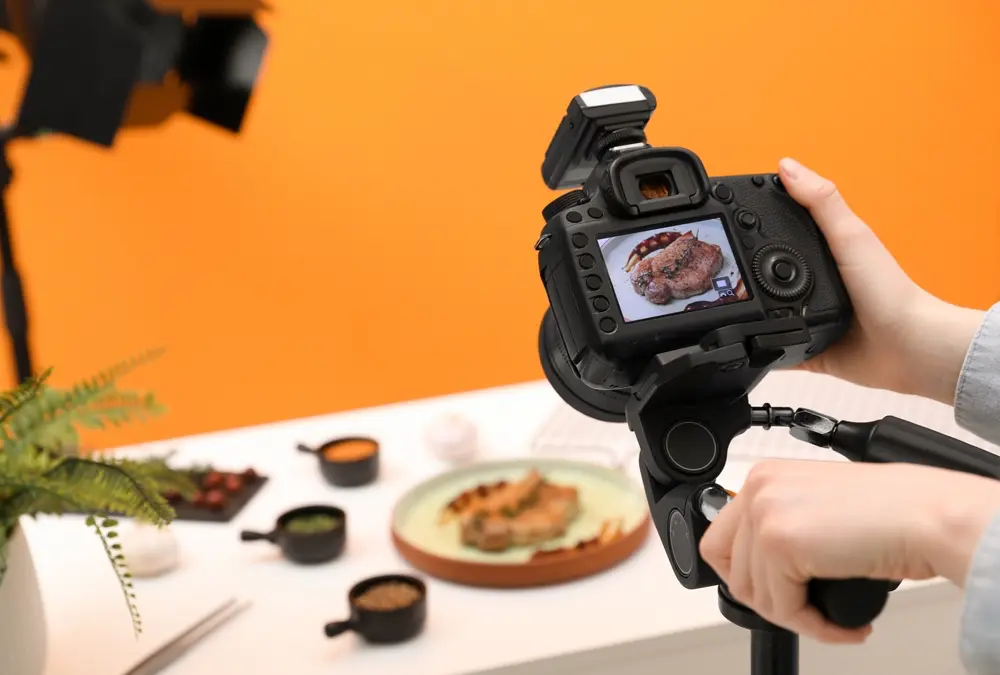
A tripod will give you stability for crisp images, and it will also allow you more freedom in low-light situations. That’s why you see professional food photographers using them!
Diffusers, reflectors, and artificial lights are used to ensure even lighting and to give natural-looking shadows to your food photography.
Props, surfaces, and backdrops are incredibly important to tell the story of your food pictures. Do you want to transport people to a little French bistro, a Korean barbecue, or a backyard picnic? The right props and backdrops will get you there.
Editing Software

Adobe Lightroom is great for color correction and global edits for the entire image. It also has some great guides for cropping, like “Rule of Thirds” and the “Golden Spiral,” to make your photos really pop.
For a deeper look at editing techniques, check out our guide on how to edit food photos in Lightroom.
Photoshop is great for retouching and object cleanup. And you can’t go wrong with either editing program for food photography!
4. Building a Compelling Portfolio
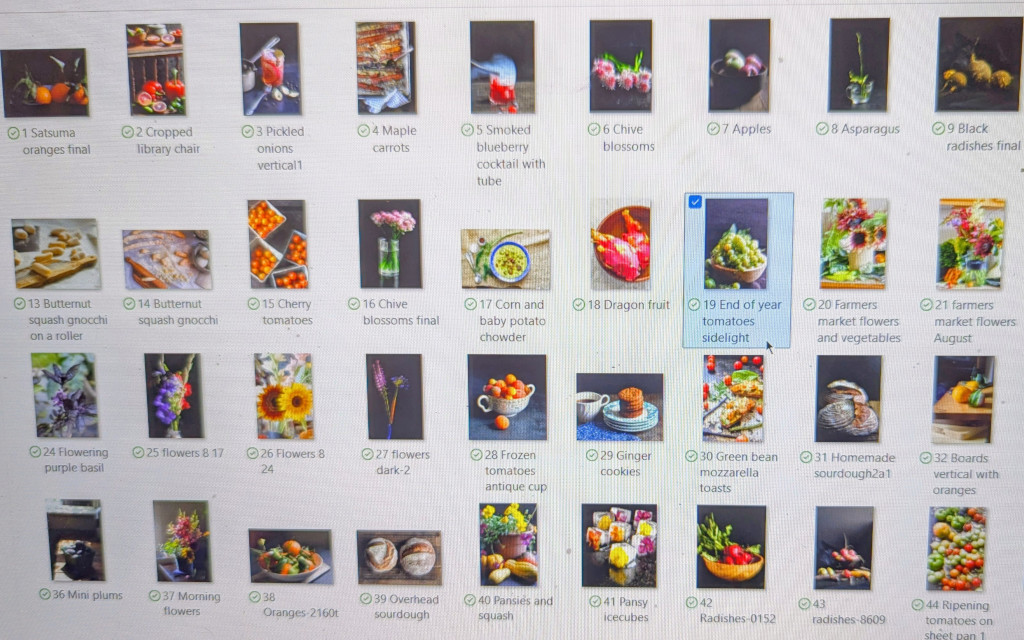
Whether you want to show off your skills using technical aspects or you just want to showcase the photography that will work best for commercial photography, pulling together your work and giving it an honest evaluation will help your professional growth.
And look at it this way, when you’re pulling together your food photography portfolio, you’re spending time learning more about yourself. What you’re doing well, and where you want to patch any holes in your experience. For instance, I’m also a recipe developer, and I do more savory food than sweets, so pulling together a portfolio reminded me that I need to photograph more desserts!
Curate Your Best Work

Focus on quality over quantity. Go through your photos and winnow them down to what you consider your best. Then, wait a day and go through them again. Make sure that you end up with the ones that legitimately put a smile on your face. And remember, photos with great lighting beat dozens of mixed styles.
Show range: Utilizing raw ingredients, plated meals, drinks, and desserts in your photography portfolio will help potential clients see that you can do it all!
Include personal test shoots to showcase creativity. It’s a great way to let other people have a glimpse into your creative process.
Add Interactive Elements
It’s fun for potential clients when you integrate behind-the-scenes videos or time-lapse clips on your portfolio site. Again, it lets people in on your process and lets them see that you’ve got a little whimsy along with your professional food chops!
Tell the story behind some of your favorite images. Clients love seeing the process and learning more about your personality.
5. Building Industry Connections
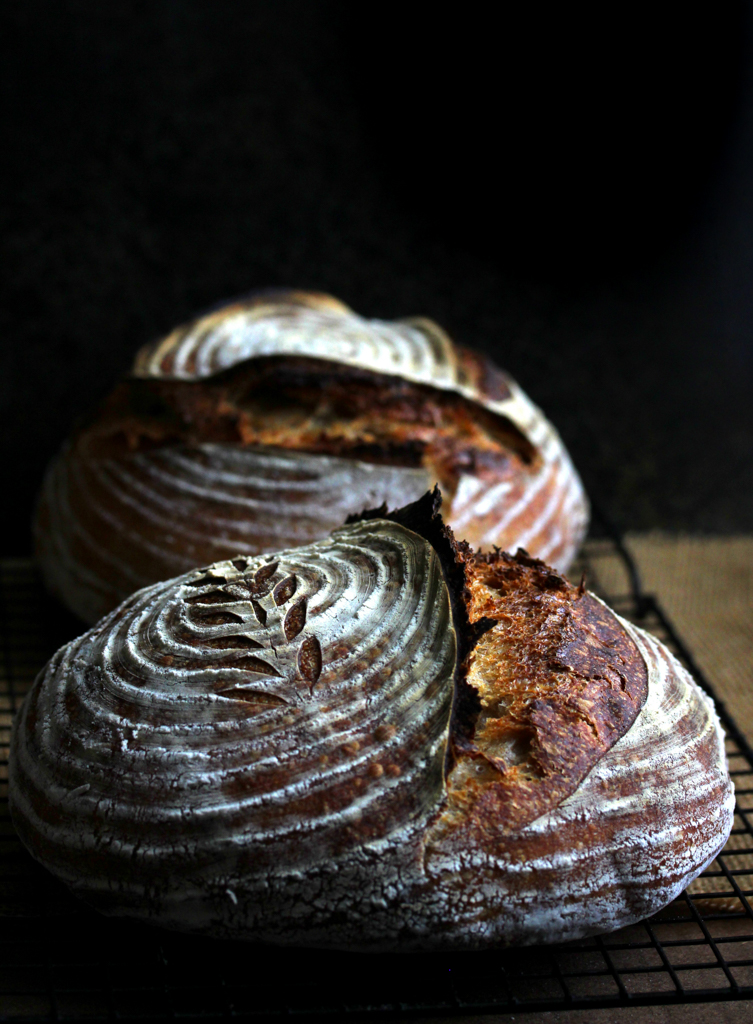
We keep hearing that we need to meet more people face-to-face and get out from behind our screens. Going to culinary events, meeting chefs, and other bloggers is a great way to up your game and make new connections. (And to sample inspiring food!)
Also, you can expand your portfolio by walking into a new bakery, restaurant, or even ice cream shop and pitching yourself as the photographer that they’re looking for to boost their social media presence.
Collaborate and Connect
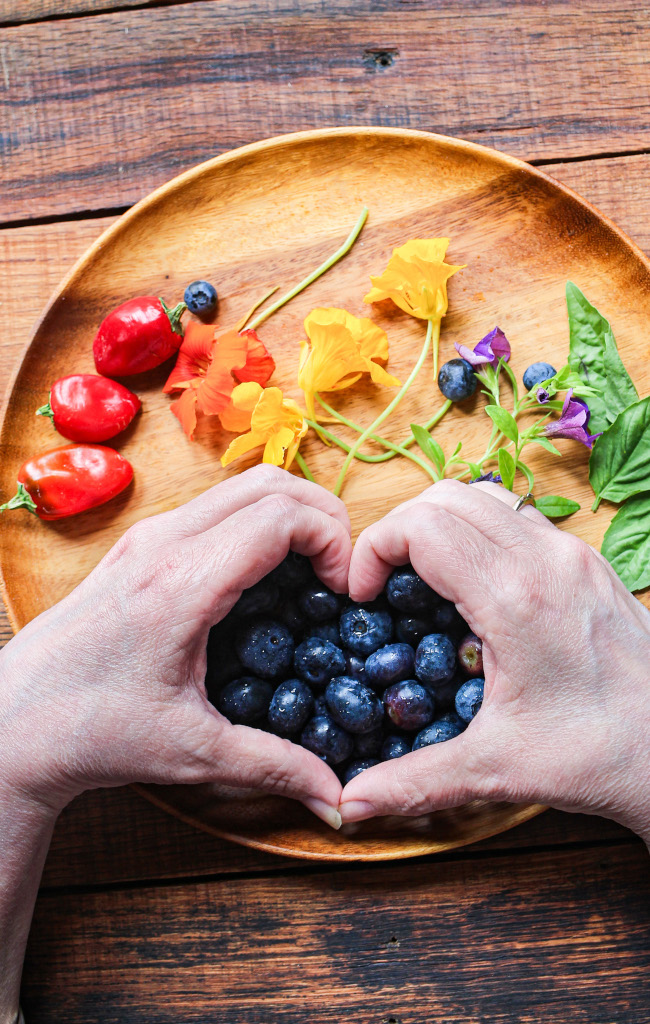
Building relationships with chefs, stylists, bloggers, and art directors is a great way to up your professional food photography game!
Attend food festivals, culinary events, and workshops. Put on your favorite pair of walking shoes and be prepared to meet tons of people who share the same love of food. And the best part of all is the fact that you can up your network game while grabbing a nosh or learning how to take your homemade pasta skills to the next level.
Also, join online communities. I was part of a group with other food photographers, where I learned an immeasurable amount about working with dark lighting and how to style food. It was like a photography course, but in this case, the “professor” was actually 30 people chatting and drinking wine. I think of those photographers and friends with their wacky avatars every day!
Mentorship & Collaboration
Reach out to established photographers with genuine appreciation, and when you reach out to other food photographers, you’d be amazed at how happy they are to share!
Offer to assist on set. Experience is worth more than pay early on, just watch out for cords around your feet and keep your “listening ears” on.
Communication Skills
Everything your mother told you about the importance of being polite, punctual, and professional is true. One-time clients become repeat clients when you’re polite and clear in your communications. (Gastrostoria emphasizes this).
6. Seeking Continuous Feedback and Improvement
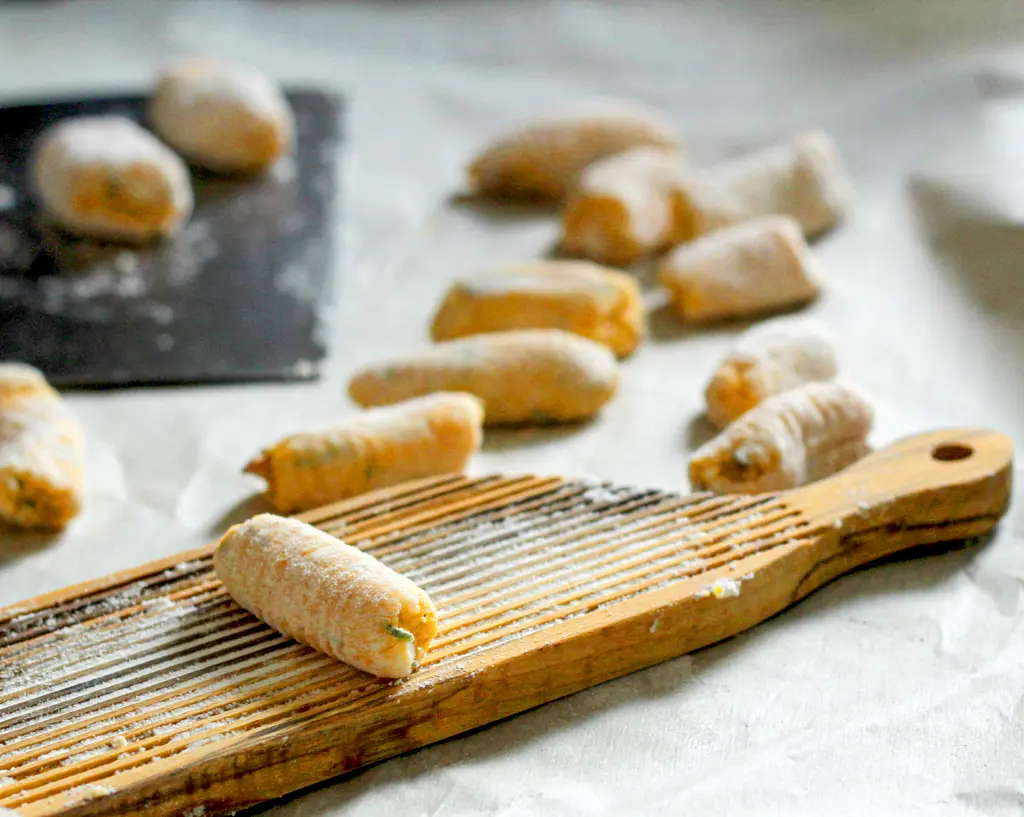
When it’s just you, your camera, and the food, it’s pretty easy to get lost in a little bubble. Depending on the type of food images you’re working on, you can spend hours staring at something like gnocchi languidly lying on a roller in the window light, and suddenly, you can’t even tell if the food itself looks delectable anymore.
That’s where critics come in. When you’re becoming a food photographer, you’re trying to balance composition, light, props, and food, which can be a big ask! So, getting someone else’s opinion of your photography is crucial.
Grow Through Critique
Joining an online forum or photography club with professional photographers can help your skill set immeasurably.
Participating in workshops or portfolio reviews can give you an idea of what you’d like to practice.
And, this is a big tip: remember to treat feedback as data, not judgment. It’s nerve-racking, but check your ego at the door. (Which can be easier said than done when it comes to your food photography!)
Self-Improvement Habits
After each project, ask:
- What worked technically? It’s the best feeling in the world when you’ve captured everything you wanted to in your food photography. Make notes about what went right in that bit of food photography!
- What could improve next time? As a food photographer, try to be mindful of what you’d like to do to up your game.
Keep a private “lessons learned” log to track your growth in shooting food. And give yourself a pat on the back!
7. Marketing Your Food Photos and Finding Clients
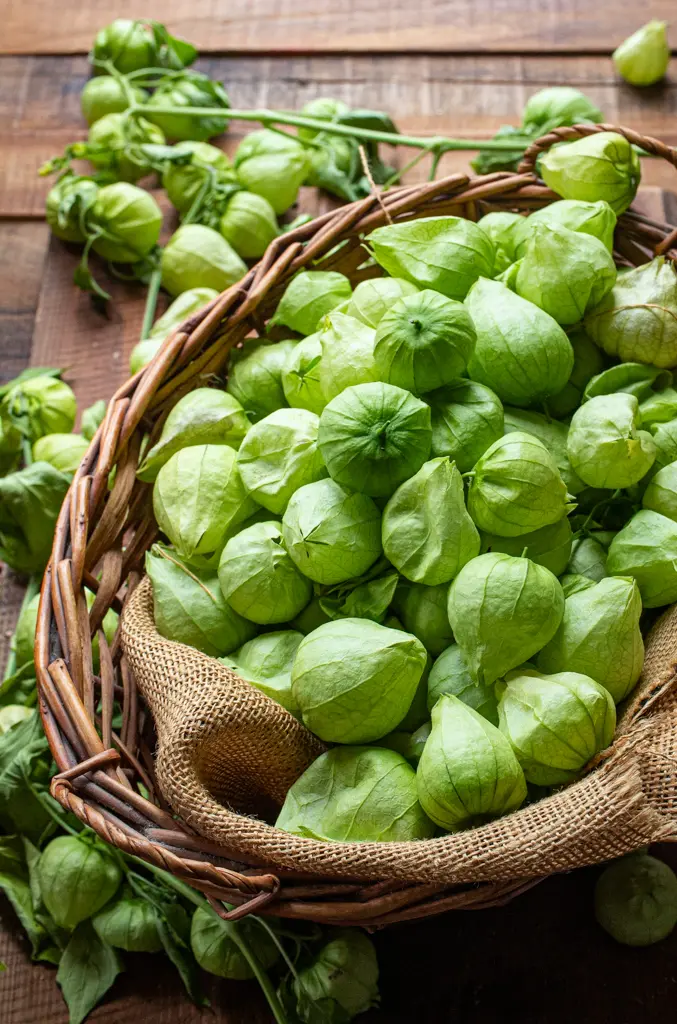
I don’t just love photographing vegetables because they’re gorgeous. I also think that having a wide array of them in my portfolio as both a food stylist and a food photographer is attractive to food producers.
So, when compiling your portfolio, having a wide swath of your work available to pitch on a moment’s notice is a good idea. Because the time will come when you see a job for a “gluten-free/macro/paleo professional food photographer” will appear in your feed, and if you want to pitch for it, it’s a lot faster to already have that photo in hand.
Build Your Online Presence
Create a simple website featuring your best work as a showcase for your portfolio. And keep it up to date, because you’re constantly creating your favorite food photography!
Use consistent branding on social media (especially Instagram, Pinterest, and LinkedIn). Also, research the best times to post for the best audience engagement.
Client Outreach
Send first-person narrative-driven proposals that explain why your style fits their brand story. For instance, if you’re a culinary professional, have formal education in food, or are just an avid fan of shooting food photography with your brand.
Combine digital outreach (emails, DMs) with offline presence (promos, printed postcards). The offline presence is particularly important because you want your printed materials on people’s refrigerators and on their minds.
Diversify Income
Don’t limit yourself. Exploring new income streams like brand campaigns, stock photography, restaurant shoots, and editorial work. There are companies out there looking for experienced professionals, and you’re that person!
8. Pursuing Opportunities for Growth
Because you want to be a professional food photographer, you’re going to want to immerse yourself in all things food-related! And whether it’s looking around your own neighborhood for local restaurants or local food brands you see on store shelves, you have a lot of options on how to get started.
Step Up Strategically
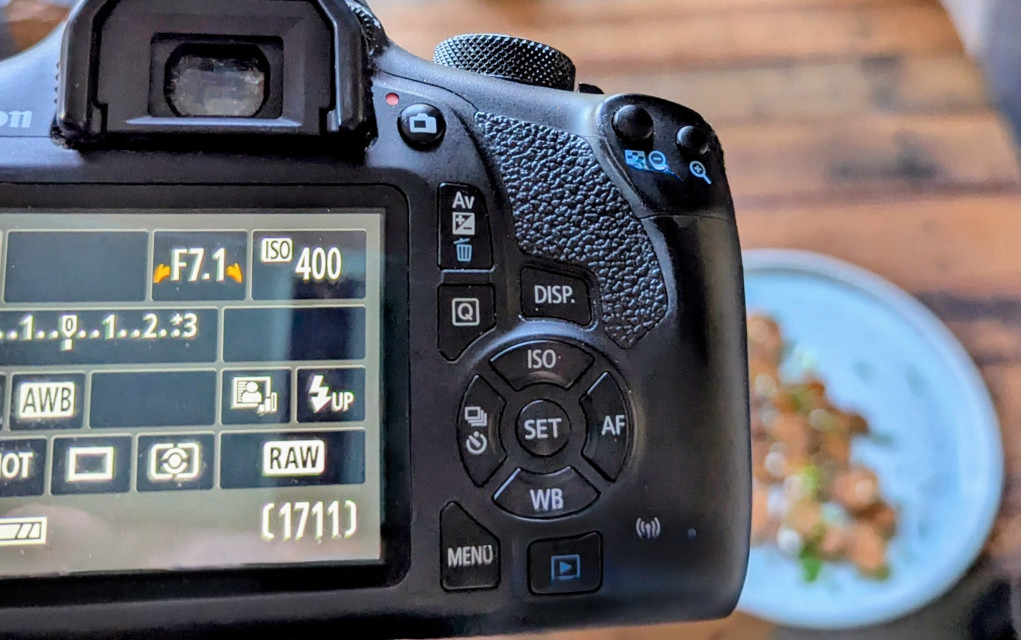
One way you can start is by assisting experienced photographers in your area. There’s a good chance that they’ll be happy for the extra hands and will offer you invaluable advice.
Jump on social media and start following neighborhood restaurants. Check out their content and offer styled shoots to take their social media feed to a whole new level. Then, do the same thing for small food brands locally and then nationally.
Take on freelance projects to build credibility and to get those all-important client testimonials!
Expand Your Skill Set
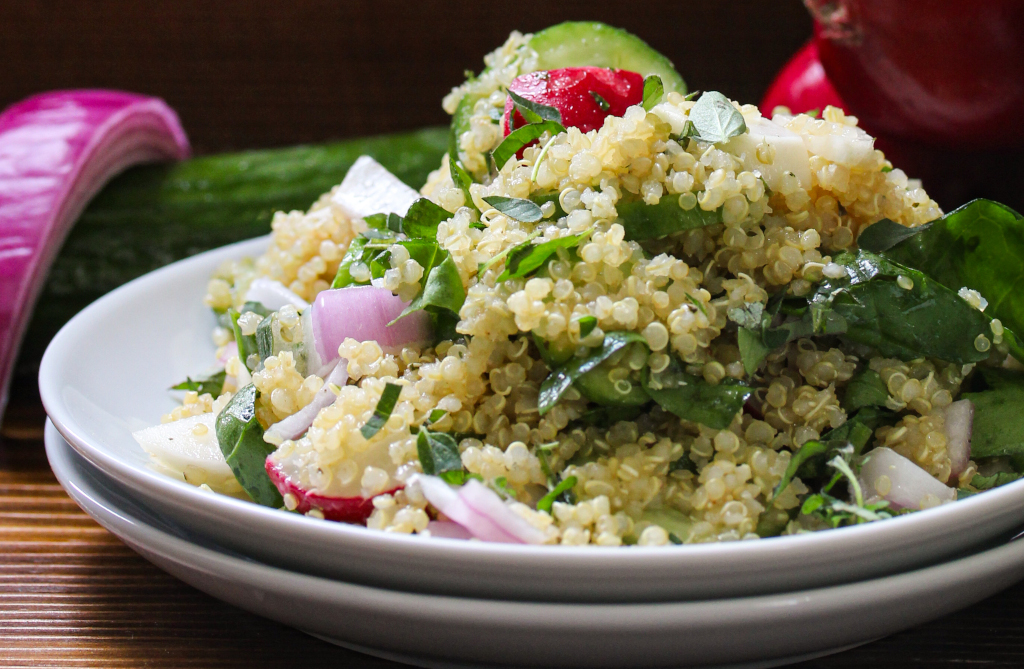
Pitch collaborations with chefs, food stylists, and culinary creators on projects. Talk about a win/win/win!
Stay curious about new trends in different types of food, such as sustainable food, slow living, and farm-to-table. All of those can help you understand food, and they’ll help you practice shooting in a different way.
9. Staying Inspired and Motivated
Whether you end up working in food product photography or other professional jobs, once the studio lights are off for the day, there’s a good chance that you’ll be so tired that you can’t even muster the creativity to think of what to make for dinner. And that’s fine. Go easy on yourself, and ask your spouse to grab you a frozen pizza from the store. It’s okay.
But in general, the reason you’re a food photographer is that food and photography are your passions. Don’t let it just be your “day job,” keep it as part of your soul. And that means keeping an eye on what other people are doing for inspiration.
Feed Your Creativity
Explore cookbooks, films, and food magazines for inspiration. And turn on the television! Every Saturday morning, I’m locked away watching PBS cooking shows for relaxation and to feed my imagination.
Do actually hit that follow button and follow a diverse group of food photographers on social media. Especially people from areas unlike your own. Stumbling on new ingredients keeps my curiosity pretty much at a fever pitch. Whether it’s learning about pawpaws, sea salt produced from the Pacific coast, Khmeli Suneli spice mix, or Aleppo pepper, all of those things have tickled my fancy and inspired me to run into the studio.
Mindfulness and Patience
Try to treat each shoot as an experiment, not a test. Remember, there are no wrong answers, just lighting tips you haven’t tried yet.
Also, try to keep your cool and use mindfulness to manage creative blocks and stay calm under pressure. I kick myself often for blowing what could have been a great gig because I got nervous. Getting overly caught up in your head leads you to rush and make mistakes. Breathe, people. At the end of the day, it is just a tray of chicken kabobs.
Create Personal Projects

Dedicate time to shoot just for yourself to keep your passion alive. I celebrate coming off big deadlines by jumping into the studio to photograph things I visually love. Whether it’s sumac sprinkled on a metal backdrop or a piece of citrus. Pick up the camera for a personal project, because you deserve to have some fun.
Document Your Journey
Keep a blog or creative journal to reflect on growth and challenges. It’s fun to see how far you’ve come photographically with practice and passion. Also, don’t be afraid to refresh your blog by reshooting things that you love, but weren’t happy with initially.
Share your evolution publicly to build connection and accountability. People love, love, love to get a peek behind the curtain! And opening yourself up like that will actually be an inspiration to people.
Conclusion
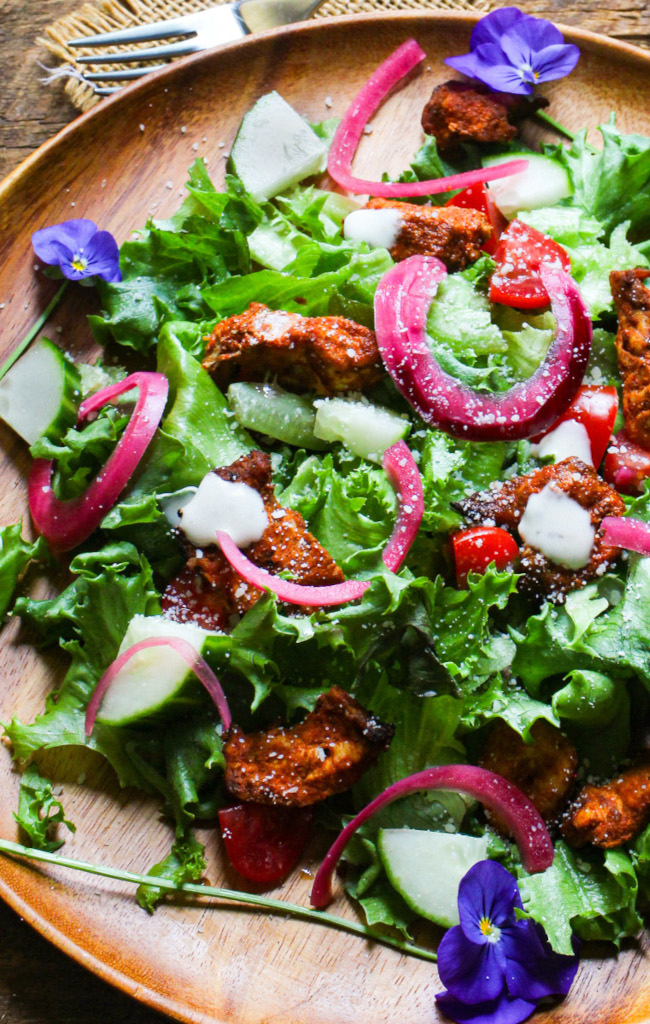
Food photography combines artistry, patience, and persistence. So, when you’re organizing your portfolio and looking to pitch for your first job, look at just that act alone as a sign of success. You’ve got a portfolio of things you’re excited about!
The only way to be a food photographer is to actually be a food photographer. Take your first step by styling a home-cooked meal and photographing it on a table, the porch, or even on a fire escape in natural light. Then, edit it and smile. You’re on your way.