Strong documentary images don’t compete for quantity, but they will compete for emotional impact.
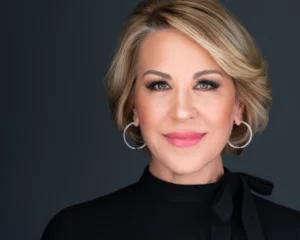
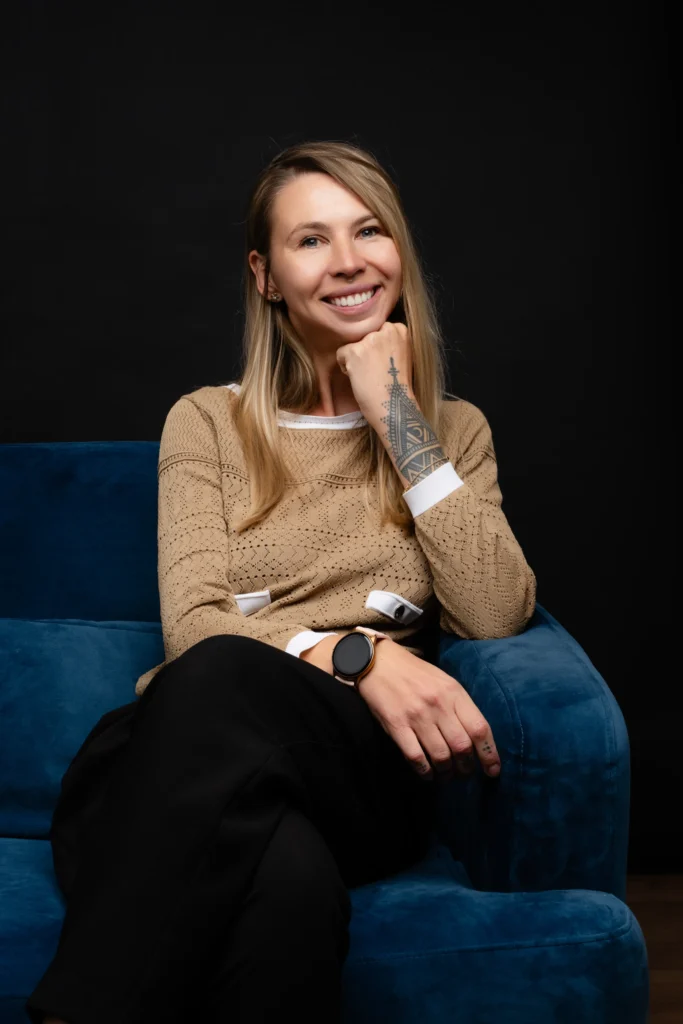
Aleksandra Dynaś
You can also listen to this episode with Aleksandra on iTunes, Pocket Casts, Spotify, Castbox, and Google Podcast
Connect with fellow photographers and interact with the host, Perrin, gain access to monthly photo contests, discover daily inspiration, and much more!
Interested in contributing? Visit our Supporter page to find out more
Built by photographers. Shaped by you.
We are building a new home for photographers, a platform that does not sell your portfolio, bury your shots, or tell you what to shoot next. You do. Community, podcast, Prime Classes, and a pro listing service on the way, all shaped by the photographers who use it.
Joining is completely free until December 2026. After that, a free layer stays for everyone, so you keep access either way.
Become a beta tester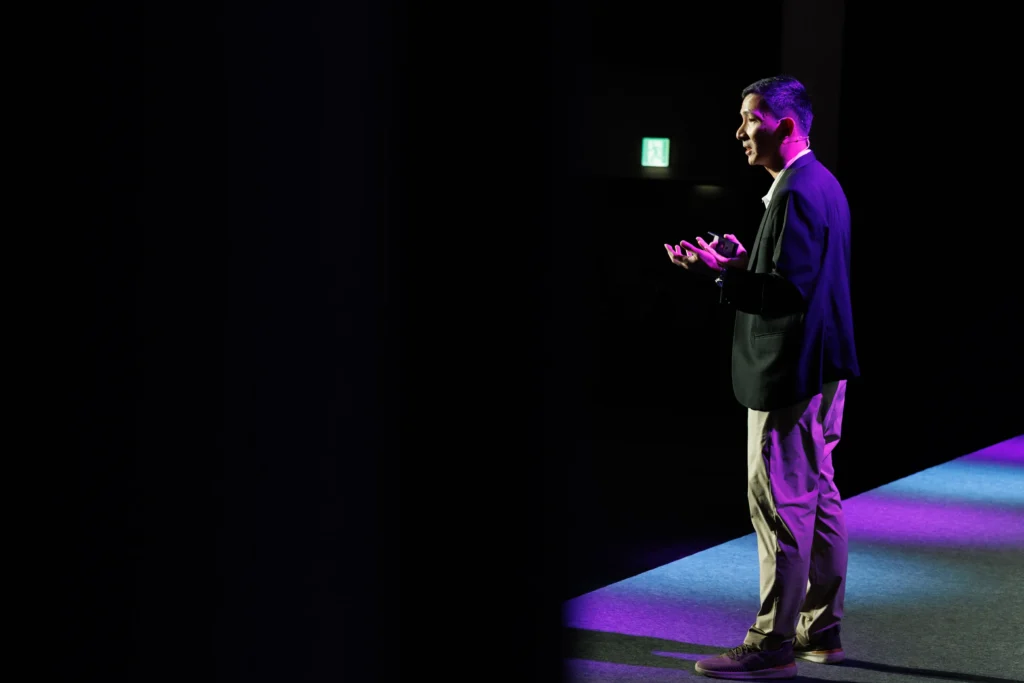
Ten to twelve hours a day, in the slums, sitting with children who live on the street. Aleksandra Dynaś kept that pace for seven months, not because a newspaper sent her there, but because she couldn’t walk away once she found the story.
She had gone to Uganda as a volunteer, not a photographer, working at a school after a meeting with a World Press Photo winner convinced her to leave Spain and go somewhere unfamiliar. The plan was three months. Once she connected with local NGOs working with children on the street, the plan changed. She stayed with a host family, then moved into a house with other volunteers, and kept extending her time until what became her first real project stretched to seven months.
That instinct, staying until the real story surfaces instead of the first thing you see, runs through everything Aleksandra does. Her roots are in photojournalism. Before she learned what ISO or shutter speed even meant, she was already out shooting demonstrations in the streets of Barcelona, trained to read a scene and react to it in seconds because there’s no second take when something is actually unfolding in front of you. She’s built her whole approach around the idea that truth is the only currency worth working in, and it shows in how she talks about the difference between documenting a moment and staging one.
She was a traveler well before she was ever a photographer. Her first solo trip was to Spain at sixteen. Since then she’s visited around seventy countries and lived in seven of them. For years she thought of herself as a traveler who happened to carry a camera. Photography became less a craft to master and more a tool, a language she uses to tell stories about the people and places she moves through.
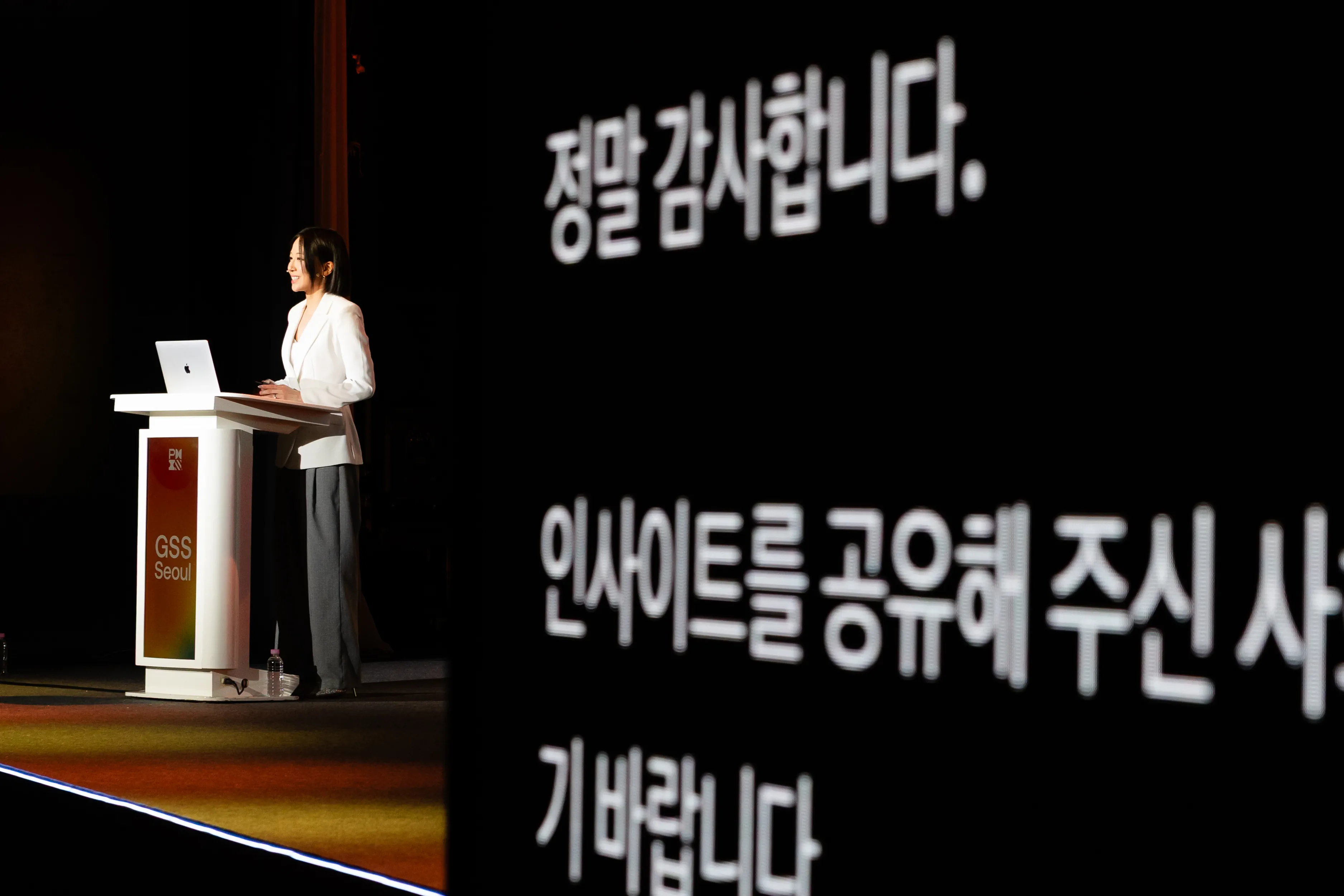
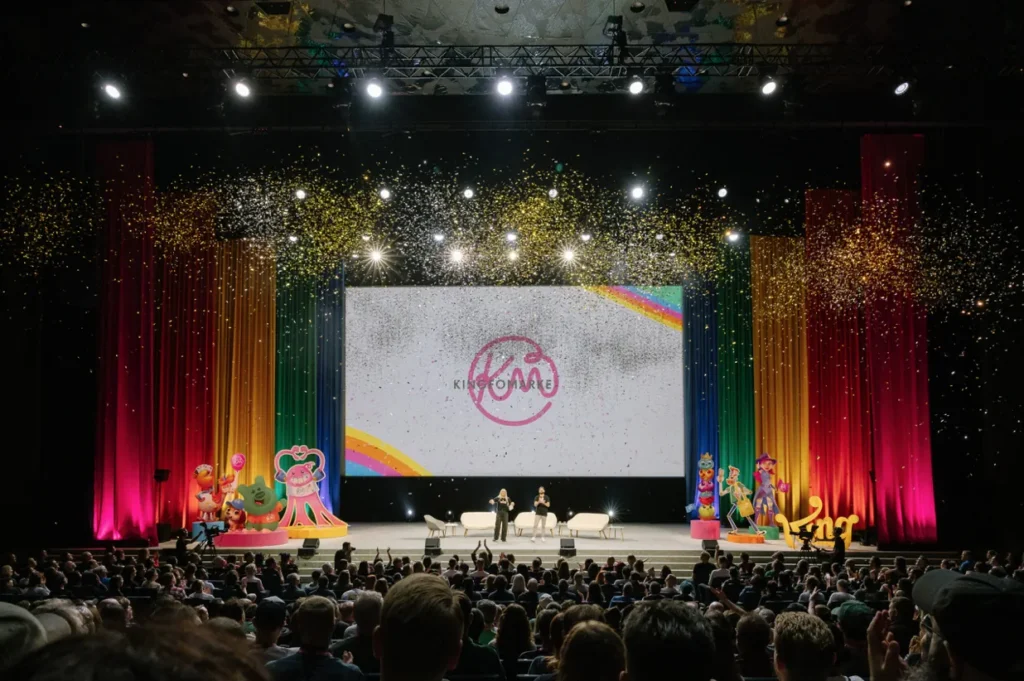
These days that same eye gets applied to a different kind of work. Aleksandra also shoots corporate events and conferences, work she stumbled into rather than planned, built because documentary photography alone doesn’t pay the bills. Even there, she’s hunting for the same things: the handshake before the official greeting, a nervous smile, the quiet conversation happening at the edge of the room while everyone else is watching the front.
In this episode, we talk about what it takes to stay in a place long enough for people to trust you with their real lives, and why she thinks documentary photography is only becoming more valuable as everyone’s phone turns them into a photographer. We also get into what’s next for her, including projects shot in Mexico and Cuba that she’s finally ready to bring out into the world.
Here’s some of what we get into:
- Why Aleksandra decided to stay in Uganda for months longer than planned, and how she earned the trust of children living on the street
- The difference between photographing what’s actually happening and staging a photo, and why she thinks one is harder than the other
- How shooting demonstrations in Barcelona shaped her instinct to react fast
- Why she moved into corporate and event photography, and how she brings a documentary eye to work that’s usually staged
- Her take on why authentic, unposed photography is gaining value in an age of AI generated images
- What’s coming next, including unpublished projects from Mexico and Cuba
Aleksandra doesn’t claim to have this all figured out, and she says that’s the point. What she hopes for, more than anything, is to never stop being curious and to stay someone who’s still asking better questions rather than someone who thinks she already has the answers.
Hope you enjoy the conversation.

Q: In an era where images move fast and get forgotten just as fast, what happens to the power of a documentary photograph?
Aleksandra: Nowadays we’re overwhelmed by images. Everybody has a phone, everybody can take a photo, everybody thinks they’re a photographer. Ironically, I think that will make meaningful photographs even more valuable. We consume most content on Instagram in seconds, but documentary photographs invite people to stop and think about what they’re actually seeing, because they carry a message. Strong documentary images don’t compete for quantity, they compete for emotional impact. It’s not how many images you can produce, but how impactful they are. People will remember the photos that make them feel something, because there are thousands of photos that make them feel nothing.

Q: What advice would you give someone who wants to turn photography into a career?
Aleksandra: I would say learn business as seriously as you learn photography. Most photographers spend years improving their composition, lighting, and editing, which is great, but very few study communication, marketing, how to negotiate, or how to look for clients, even how to manage their finances. Photography is a great passion and can be a great hobby, but if you want to actually earn a living from it, you need to be a great businessperson too. There are so many great photographers out there. Being good at business, at working with clients and marketing, is what actually helps you make it.
Q: How did you build trust with the locals in Uganda?
Aleksandra: There are children who live on the street, so they don’t trust people because they’ve probably had a very difficult childhood. What I decided to do was talk to NGOs, very small, local organizations working in the field, in the slums, helping those children. Those people are amazing and so kind, and they helped me get inside. I needed them, because they would accept me there, a white girl with a camera in the middle of the slum. Thanks to them, I met the children, and they saw that I’m a good person and that I just wanted to know them and listen to their stories, because I had the time. In Uganda they speak English, so it was easy to communicate. That’s how I gained trust, through the NGOs and the local people working directly with them.
Connect with Aleksandra Dynaś
🧭 What We Talked About
🎒 Origins
- Aleksandra fell in love with solo travel long before photography, taking her first trip alone at 16 and eventually living in seven different countries.
- Her very first photography course was in documentary photojournalism in Barcelona, taken before she even understood ISO or shutter speed.
📷 Truth Over Staging
- She believes documenting real, unplanned moments is harder than staging a photo, since there’s no time to plan the perfect shot.
- Her style is what she calls documentary storytelling with a human perspective, chasing authenticity over technical polish, and she believes a photographer’s personality always shows through their images.
🌍 Seven Months in Uganda
- Her breakout project followed street children in Uganda, where she lived for seven months, gaining access through local NGOs and letting trust build slowly before really documenting the story.
- The work was published in Spanish newspapers, exhibited internationally, and won photography awards. She later shot similar long-form documentary projects in India, Mexico, and Cuba.
💼 Documentary Meets Corporate
- To fund her documentary work, Aleksandra also shoots corporate and event photography, applying the same candid, observational eye to conferences and business gatherings.
- She sees the events industry shifting toward authenticity and speed, with brands now wanting honest, in-the-moment images over posed stage shots.
🤖 Meaning in the AI Era
- She believes that as AI-generated imagery becomes more common, genuine, human-made photography will only grow more valuable.
- Her take: people don’t need thousands of forgettable photos, just a handful of ones that make them feel something.
💬 Advice for Photographers
- Her top advice is to learn the business side of photography (marketing, negotiating, client relationships) as seriously as the craft itself.
- She encourages photographers to specialize in one or two genres rather than everything, and to never lose curiosity about people and the world.
🔮 What’s Next
- Aleksandra’s main goal for the rest of 2026 is finally publishing her documentary projects from Mexico and Cuba.
- She’s traveling heavily for corporate work, with a recent trip to Korea and upcoming stops in Brazil and South Africa.