Food is another way to say I love you.
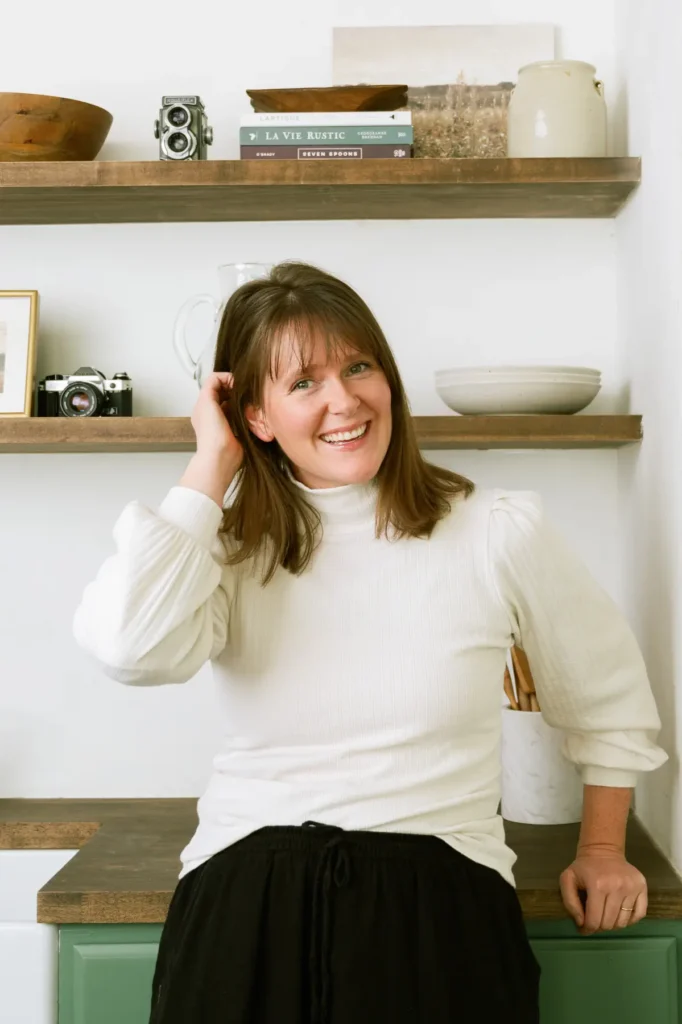
Michele Lee
You can also listen to this episode with Michele on iTunes, Pocket Casts, Spotify, Castbox, and Google Podcast
Check out our photo community and interact with the host, Perrin, gain access to monthly photo contests, discover daily inspiration, and much more!
Interested in contributing? Visit our Supporter page to find out more
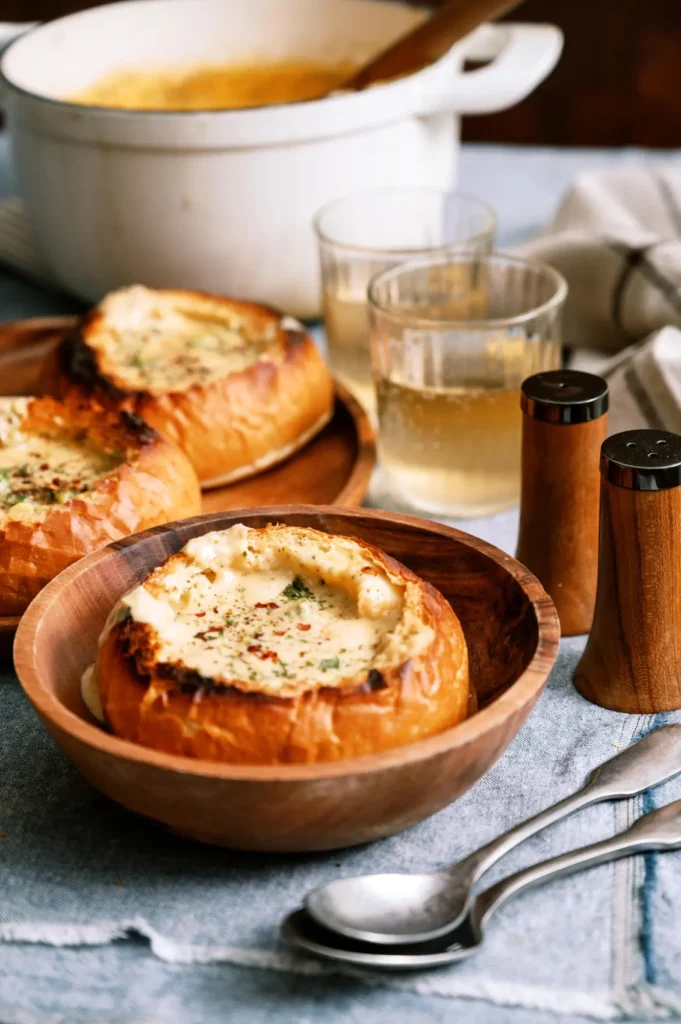
There’s a moment Michele remembers clearly: a long drive through Montana, pine trees lining a narrow road, and a small blue house waiting at the end of it. Inside, there’s a pot of stew simmering, rolls on the table, and family everywhere, wherever there’s space to sit. It’s the kind of meal that fills you up in ways that have nothing to do with food.
That sense of nourishment – emotional, familiar, grounding, never really left her.
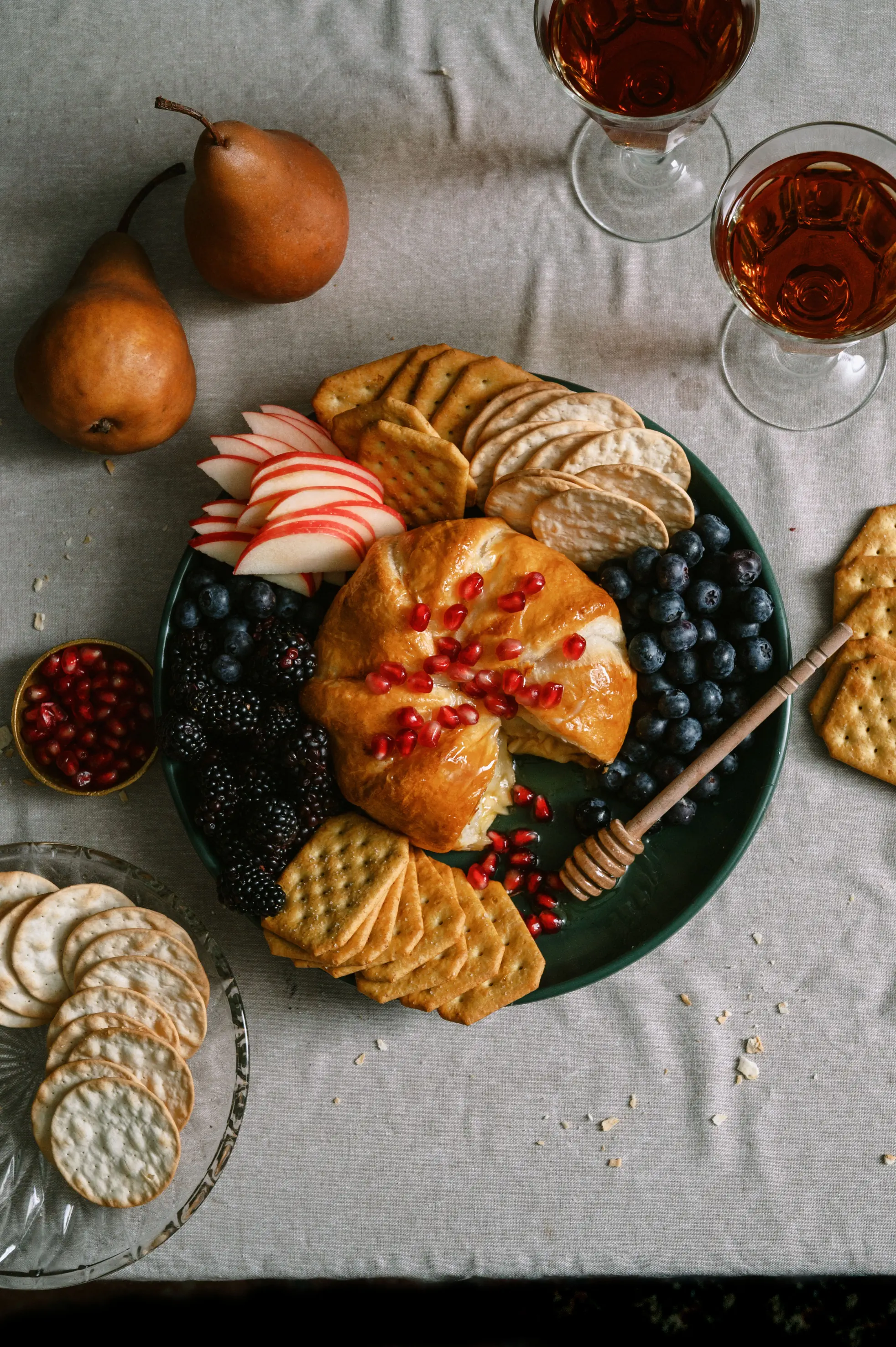
Today, Michele is known for food photography that feels deeply human. Her images don’t just show what’s on the plate; they carry the quiet weight of shared meals, inherited traditions, and the unspoken language of care. In a genre that often chases perfection, her work leans into something softer and more enduring: connection.
In this episode, we talk about how those early kitchen table memories shaped the way Michele sees food, light, and storytelling. We trace her path from portrait photography to food, the awkward years of learning in private, and the moment things finally clicked, when one light source, one table, and a simple dessert changed everything.
Michele also shares her philosophy of paring down to the essence without removing the poetry, why she still shoots film for personal work, and how curiosity, not trends, guides her creative decisions. It’s a conversation about slowing down, trusting your instincts, and making images that feel like home.
Here’s some of what we get into:
- How family meals and inherited traditions quietly shaped Michele’s visual language
- The transition from portrait photography to food-and why it was harder than expected
- What makes food photography feel alive instead of sterile
- Why film still plays a role in her creative life (and what it taught her about color and feeling)
- How to protect simplicity and emotion in commercial work
- Learning when to say no, slow down, and leave space for creativity
Michele brings a calm, thoughtful presence to this conversation, along with a deep respect for food as a connector across cultures, families, and time. If you care about storytelling, intention, or making work that actually means something, this one will stay with you.
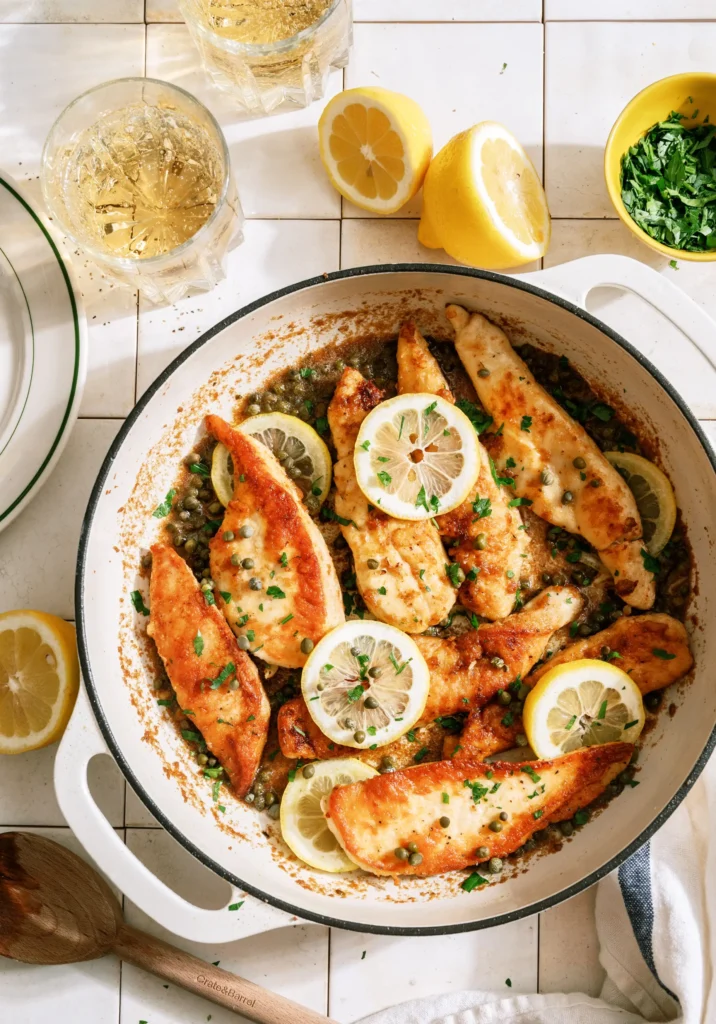
Q: How do you think about that intentionality when you’re photographing all of these different dishes? What’s your thought process behind that?
Michele: So much of photography for me is about the emotion of it. I always think, if this were me being served this dish, what would I want to feel? Food is such a connecting point across cultures, and good art should move people. What I want is for people to feel connected and reminded to connect, especially because so much of that for me was built around sharing meals.
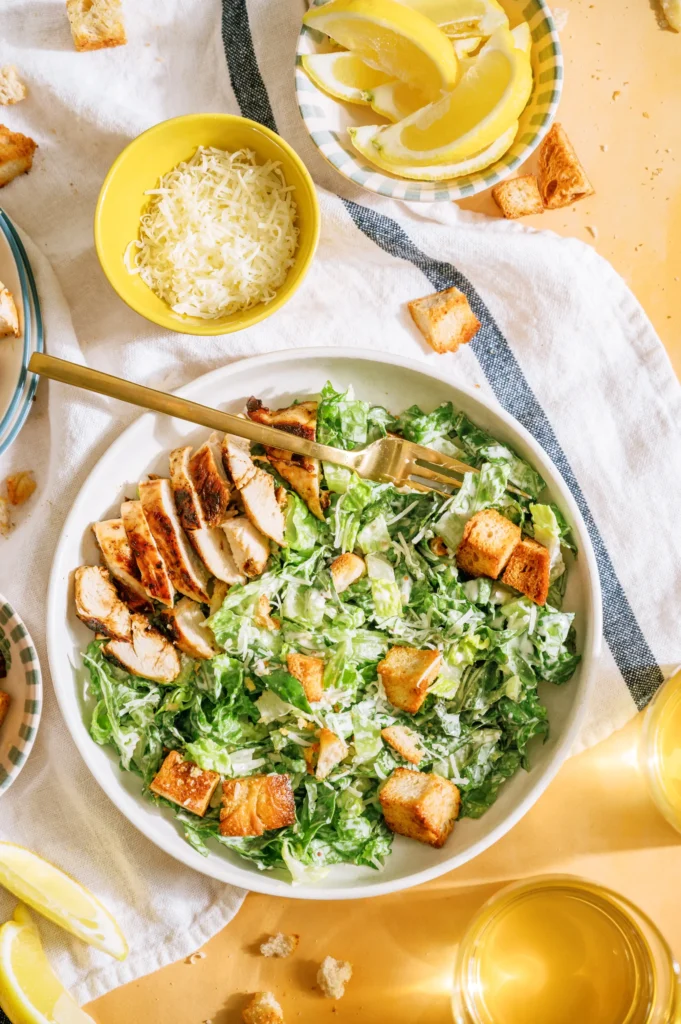
Q: How did the photography part come around for you once you realized food was going to be a center point?
Michele: I actually started out with portrait photography and did families and seniors. When I had my babies, I didn’t want to spend nights and weekends away, so I thought about transitioning into food photography. I was really bad at it at first, and it was humbling because I couldn’t figure out why my skills weren’t translating. I spent about two years quietly working on food photography before I showed anyone, just trying to understand what worked.
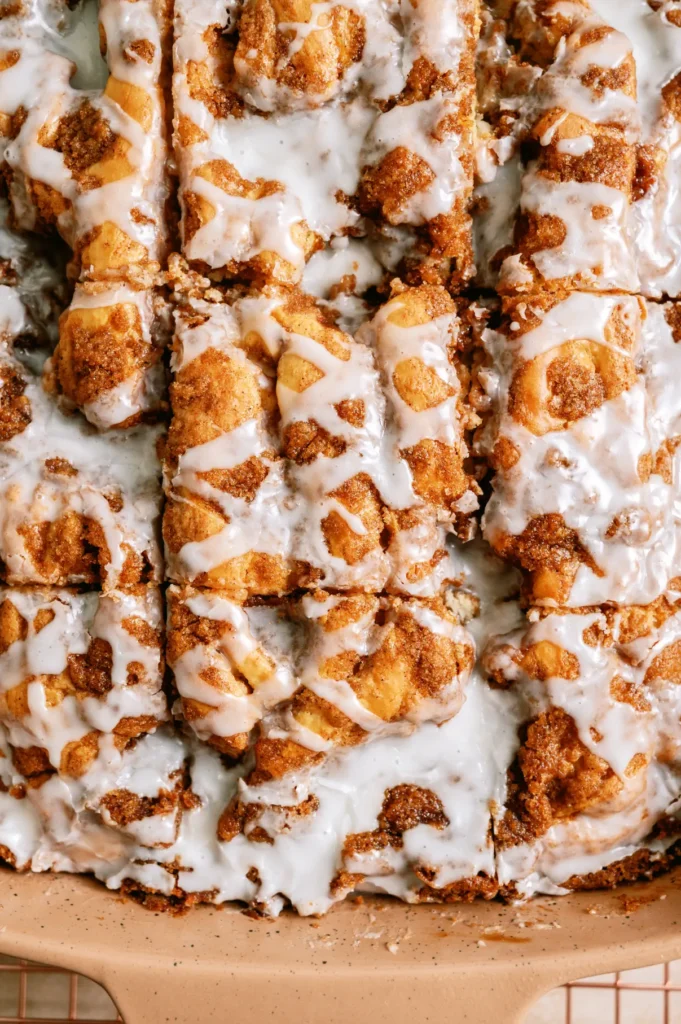
Q: In your opinion, what does timelessness mean in a commercial context, especially for food photography?
Michele: For me, timelessness comes from tradition and using elements that have stood the test of time. I’ve never been drawn to modern, sleek environments; I’m much more inspired by old houses, wood floors, linen, ceramics, and things our parents and grandparents used. Those textures and materials create warmth and familiarity. Incorporating those elements helps the images feel grounded and lasting rather than trendy.
🔗 Connect with Michele
🧭 What We Talked About
🎼 Early Journey / Origins
- Michele’s creative roots trace back to long drives to her grandmother’s home in Montana, where big pots of stew, fresh bread, and crowded tables shaped her understanding of nourishment.
- In her family, food is another way to say “I love you”, a phrase passed down through generations that still guides her work today.
- Raised around women who baked, cooked, and taught others freely, Michele learned that sharing food is an act of care, generosity, and connection.
- Every dish she photographs outside of restaurant work is food she actually cooks, grounding her images in lived experience.
📖 Philosophy / Vision / Storytelling
- Michele’s work is driven by emotion first, technique second.
- Her guiding question on every shoot is: If this were being served to me or to someone I love, what would I want them to feel?
- She sees food as a universal connector across cultures and photography as a way to remind people of shared meals, family, and belonging.
- A defining mantra shapes her visual language: “Pare down to the essence, but don’t remove the poetry.”
- She believes great art should move people, not just impress them.
📷 Tools, Gear, and Behind the Scenes
- Michele began photography shooting film on her father’s camera at age 15, a foundation that still informs her eye today.
- She continues to shoot film for personal work, valuing its ability to capture how a place feels, not just how it looks.
- Her breakthrough food image came from a simple setup using a single side light, a black slate surface, and an apron hung on the fridge as a backdrop.
- She avoids ultra-wide apertures for food photography, recommending f/4 or higher for clarity and sharpness.
- Prefers practical zoom lenses like a 24–70mm f/4 over expensive fast glass that isn’t necessary for food work.
- Her editing philosophy prioritizes accurate white balance, subtle color, and realism so the food still looks edible and alive.
🔁 Practice, Teaching, Platforms
- Michele transitioned from portrait photography to food photography after becoming a mother and wanting to protect evenings and weekends.
- The shift was difficult, and she spent two full years practicing food photography quietly before sharing her work publicly.
- She learned primarily through hands-on experimentation, reverse-engineering images, peer critique, and trusted mentors.
- In commercial work, she starts with a clear shot list but intentionally leaves room for unexpected magic.
- She believes photographers are hired not just for execution, but for their vision and way of seeing the world.
💬 Advice, Creative Strategy, or Challenges
- Start with what you already have, especially in a prop-heavy genre like food photography.
- Learn to say no to projects that don’t align, because not every job is worth the creative cost.
- Creative burnout shows up when obligation crowds out curiosity.
- Her best images come from protecting mental space and asking one simple question: “What if I tried…?”
- She prioritizes running, time outdoors, journaling, and quiet mornings to protect her creativity.
🌍 Influences, People, Brands, or Places
- Michele draws inspiration from Scandinavian aesthetics and heritage.
- She leans into timeless materials like wood, linen, ceramics, cotton napkins, and vintage utensils.
- She avoids trends in favor of tradition, simplicity, and honesty.
- Strongly prefers real food over fake styling, believing sterility breaks emotional connection.
- She sees herself as a visual translator, turning words, memories, and feelings into images.
🔮 What’s Next for Michele
- After relocating to rural Utah, Michele has been inspired by Skyline Drive and the surrounding mountains.
- She is exploring work that blends food and people, lifestyle and outdoor brands, and a deeper connection to place.
- Looking ahead, she hopes to keep refining her ability to see people and things honestly, without projection or filters.