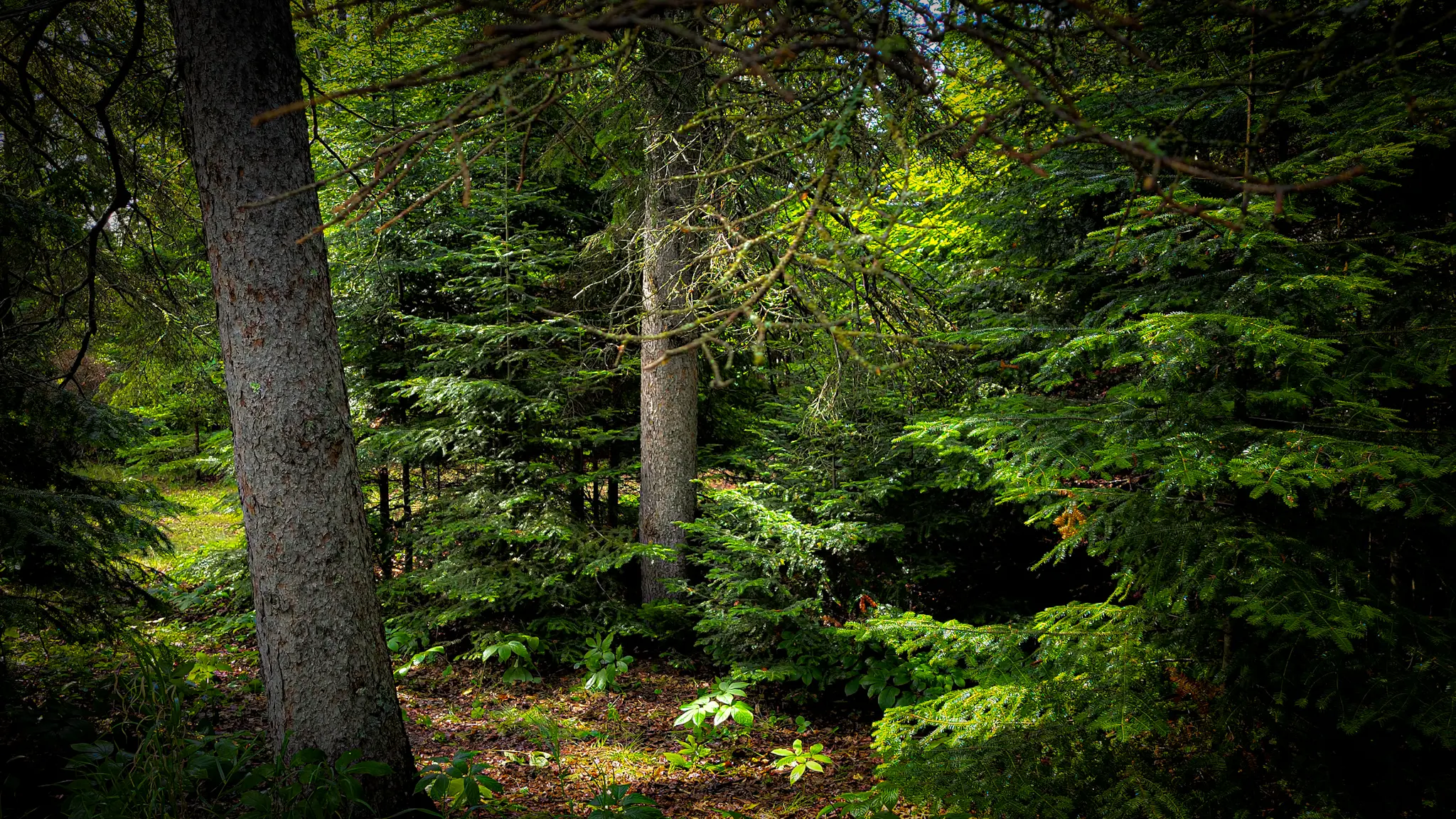
When I’m out in the wilderness, boots sinking into spongy moss, cold drafts sneaking under my jacket, a hint of pine dust floating around, it’s the available light that decides everything. I have minimal lighting tricks available to me, with no backup plan. The sun, the clouds, the atmosphere… they call the shots. And that’s what matters.
There have been days when I hiked for two hours only to find the entire scene flat and lifeless. Other days, the light shifted for ten seconds, just long enough to give me a photograph I still think about years later. Natural light has its own personality. Once you start recognizing its moods, you stop fighting it and start working with it.
Why Light Matters in Landscape Photography
Light is the first thing I ever fell in love with as a landscape photographer, even before I knew how a shutter worked. Sometimes I would find myself stopped in the woods just watching the long shadows jutting from the trees.
I read a quote once by George Eastman: “Light makes photography. Embrace light. Admire it. Love it. But above all, know light. Know it for all you are worth, and you will know the key to photography.”
At the time, it sounded poetic. Now it just makes sense.
Learning to Work with Natural Light
It’s funny, the more time you spend outside, the more you realize that landscapes have schedules. Some places wake up slowly, like they’re stretching before they bother to look pretty. Others burst open with color the second the sun crests the horizon. It all depends on the angle of the sun and the time of year.
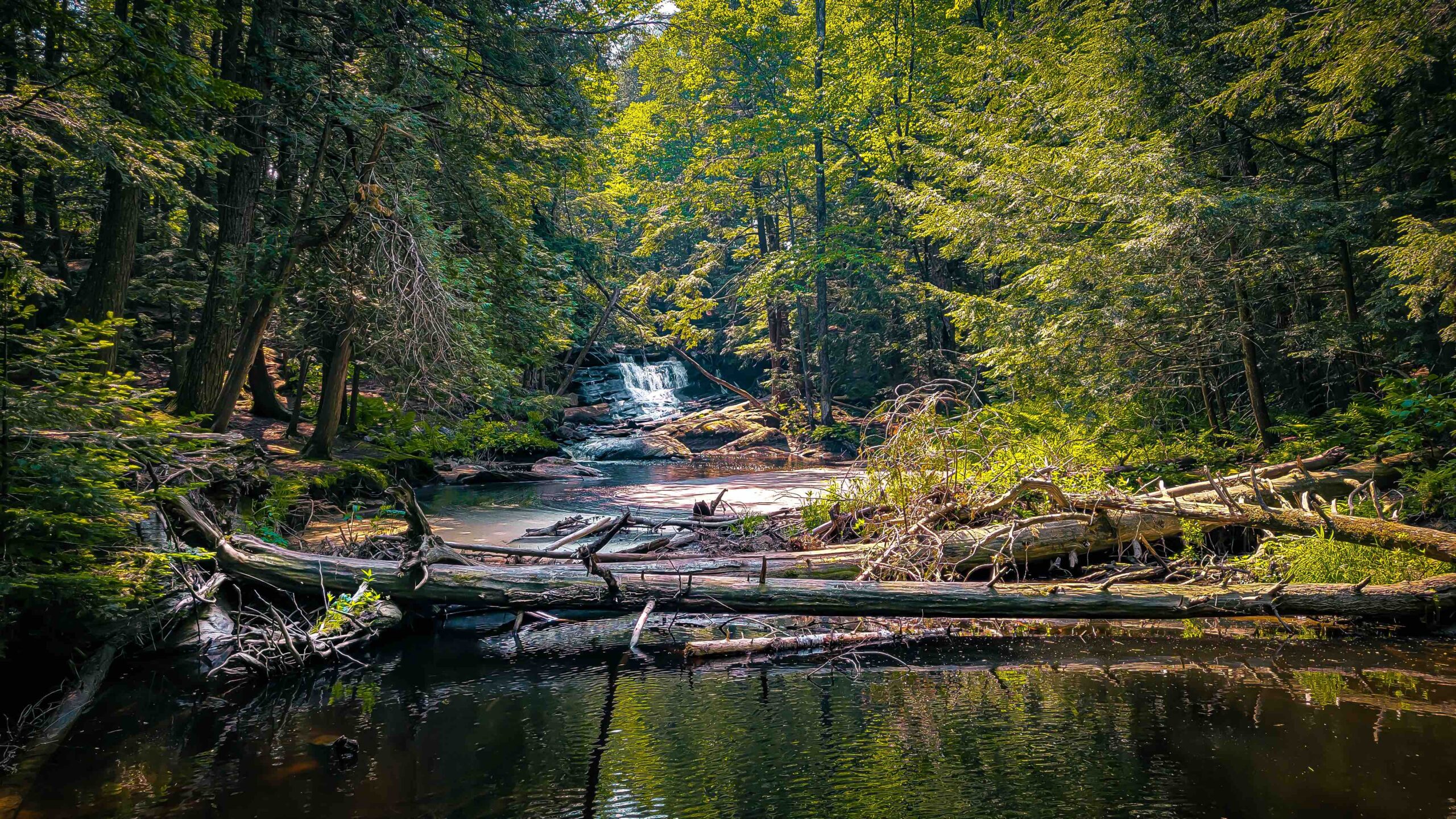
I’ve stood under trees where the diffused light filtered through like tiny gold needles, then stepped five meters to the left and watched the same light flatten into nothing. These little shifts, the way a shadow moves across a rock, how mist curls upward once the sun touches it, or how reflected light bounces off wet leaves, teach you more than any manual ever will, especially when you learn to spot interesting light.
Natural light isn’t something you memorize. It’s something you listen to, especially when you’re shooting landscapes in unpredictable weather conditions.
Golden Hour – Soft, Warm, and Dreamy
Golden hour is the moment the landscape finally exhales, and it is often considered the best light for outdoor scenes. The light softens, the colors warm up, and suddenly even familiar places feel a little more magical than they did an hour earlier.
What Golden Hour Feels Like
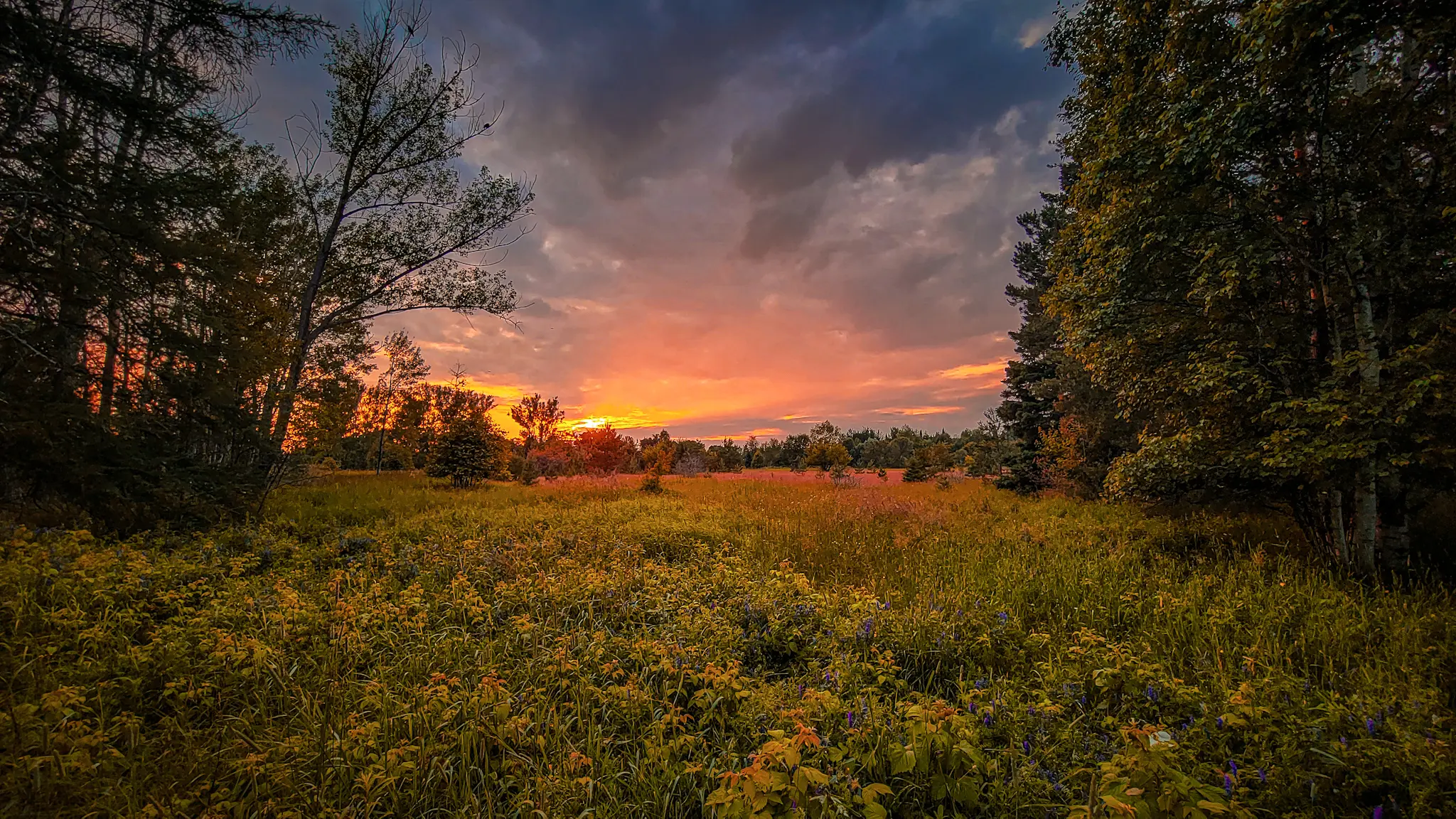
Golden hour has a way of slowing the world down. The sun drops low, and everything just gets warmer. Golden hour light is full of warm tones, and the long shadows stretch into each other. To me, the whole landscape seems relieved that the midday glare is gone.
Why It’s a Lifesaver for Landscapes
Trees get interesting textures. Grass glows with soft light. Rocks develop contrast that wasn’t there ten minutes ago. And if you’re just starting out, golden hour is like nature slipping an arm around your shoulder saying, “Relax, I’ve got you.”
I find that learning to get the correct exposure gets easier during this time. Skies stop blowing out, and the whole landscape photograph becomes more forgiving in terms of contrast.
A Morning I Still Think About
I remember one sunrise in Hurkett Cove, Ontario, Canada. I had just stumbled out of my tent. A mist was lifting off a field in long, slow breaths. The grass looked like it was steaming. I didn’t rush the shot. I just watched the light move across the ground, and when it hit the sweet spot, I lifted the camera. The whole scene had this quiet, sleepy magic. Not dramatic, but unforgettable.
Blue Hour – Cool, Calm, and Atmospheric
Blue hour slips in quietly, almost unnoticed, and suddenly the world feels softer and a little more mysterious. It’s the kind of light that makes you pause without fully knowing why.
The Quiet Before the Day Starts
Blue hour is a moment suspended between night and morning (or evening and night). Everything feels softer, like the landscape is whispering instead of speaking. The air feels cooler. Even sounds seem muffled.
What the Light is Doing
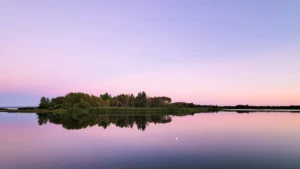
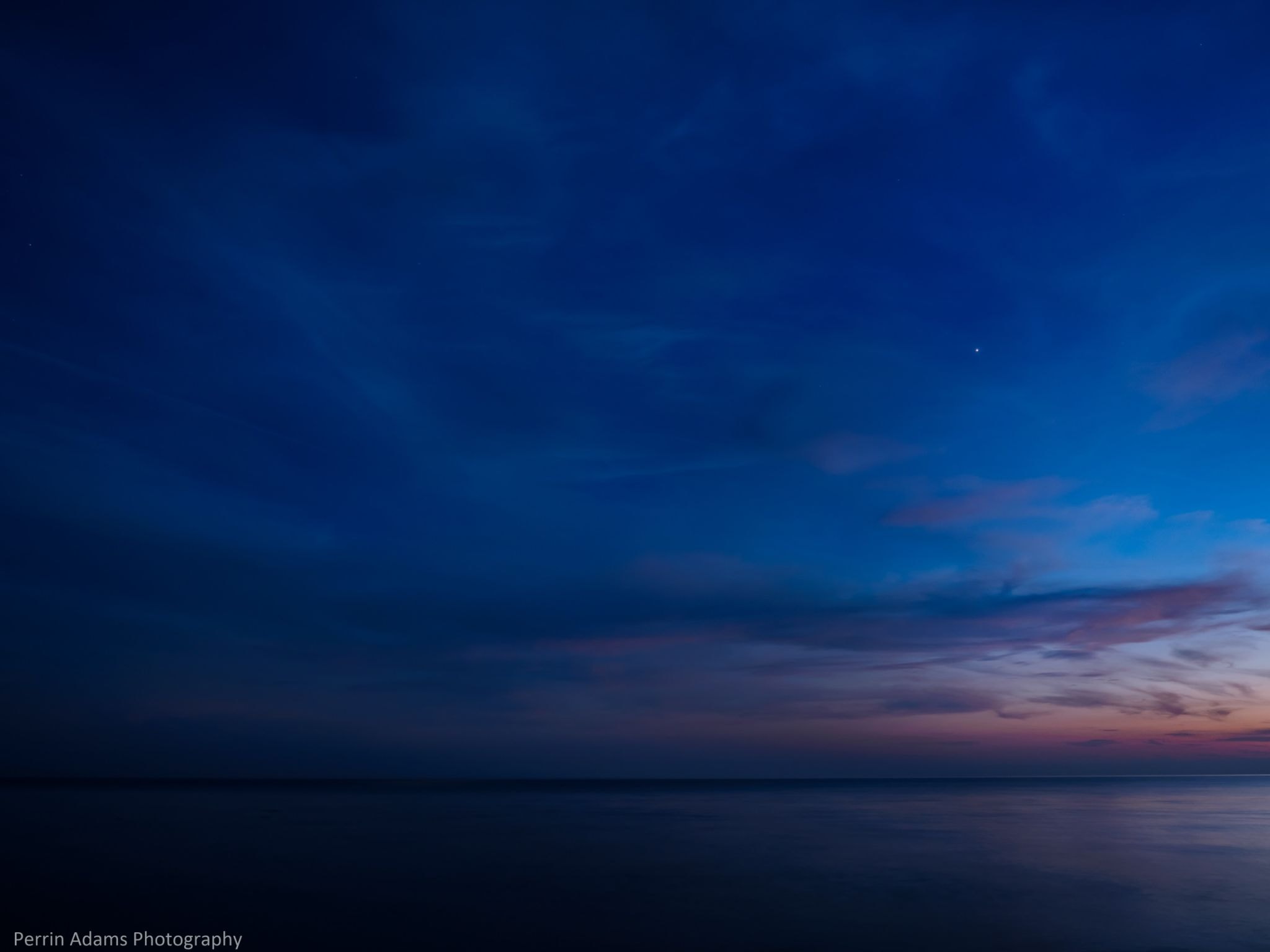
The sky graduates from warm pink near the horizon to deep blue light overhead. Shadows fade. Contrast loosens its grip into low contrast softness. Details feel washed in calm. These cool tones add depth to even the simplest scenes.
It’s the kind of light that makes you breathe slower without noticing, the moment when cool tones begin to take over the world.
Long Exposures Come Alive Here
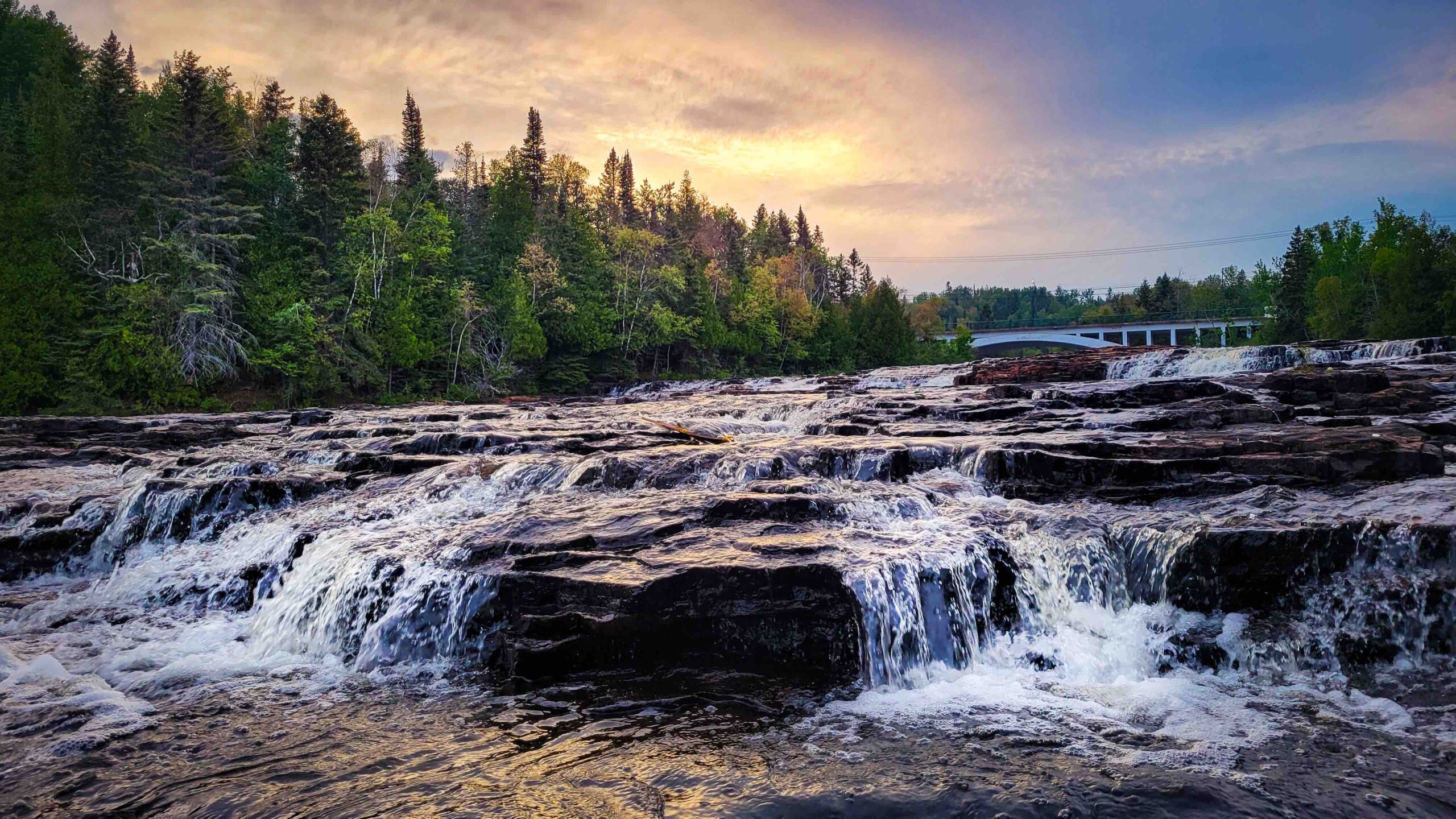
During blue hour, wide apertures help gather the last scraps of light. Long exposures turn water into a silky ribbon, picking up the surrounding blues like watercolor. These long exposures create creative effects that feel almost dreamlike.
One of my favorite images happened during this time, a single star clung to the sky while the last streak of sunset slipped into violet. I remember the air being cold enough that my breath came out in puffs, but I barely noticed. The light was too good.
If learning how light shapes a scene is already sparking ideas, you might love my Landscape Lighting Class. It’s a deeper dive into reading, shaping, and working with natural light.
Midday Light – Harsh, Stubborn, and Occasionally Worth It
Midday light is the one lighting situation I still wrestle with. It’s bright, stubborn, unforgiving, and yet I’ve learned it teaches you just as much as the beautiful light does.
When the Sun Turns Unfriendly
During the brightest daylight hours, everything feels a little tougher to photograph.
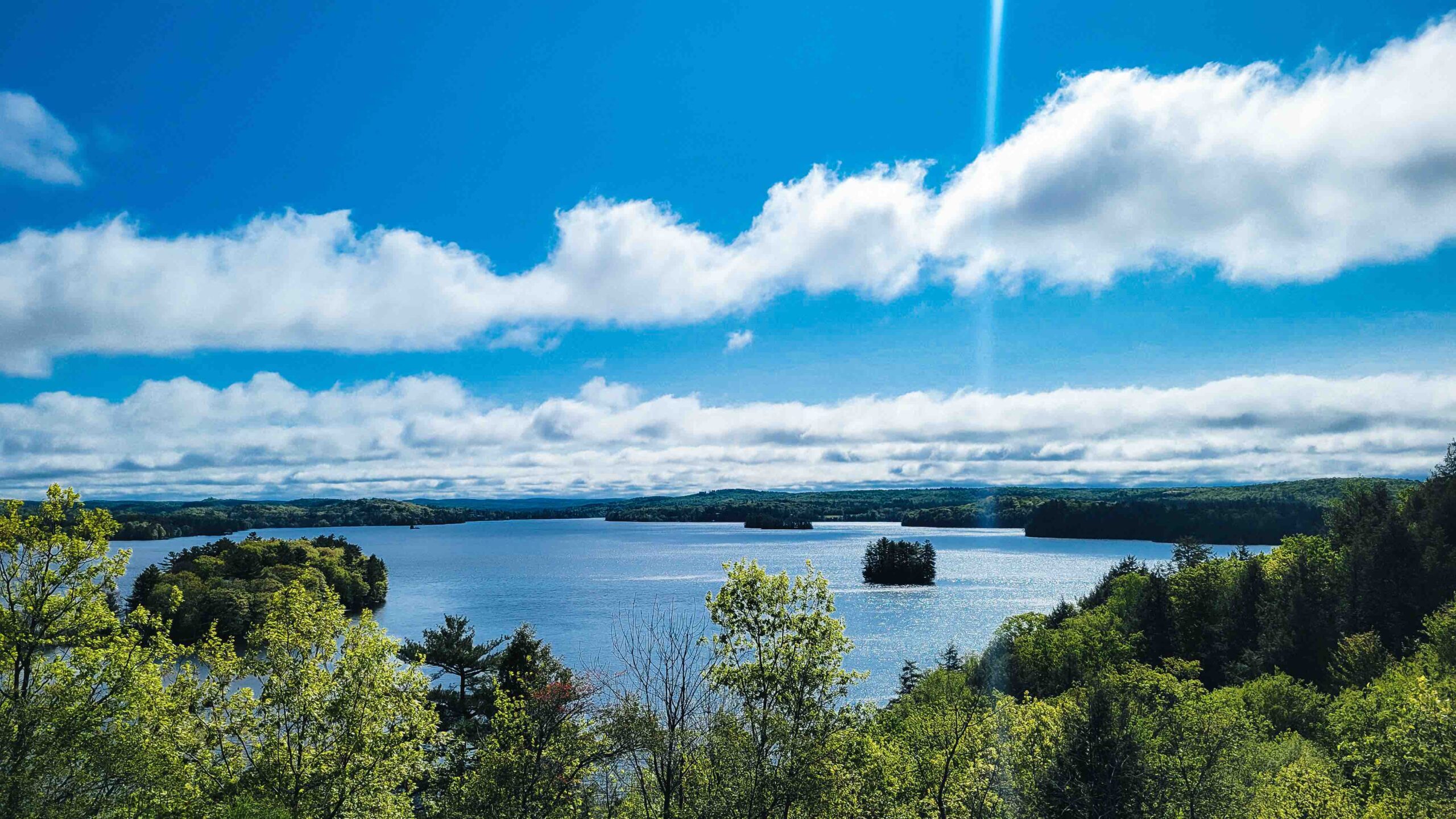
Midday light crashes straight down on the landscape, the harshest form of direct sunlight. It carves harsh shadows into everything. Faces disappear under hats. Rocks lose their softness. Trees flatten out. I’ve squinted at my LCD screen more times than I’d like to admit during midday shoots, wondering how the scene fell apart so quickly.
But Sometimes it Works
High contrast can look dramatic in the right place, such as cliffs, mountains, doorways, and patterns in stone. That kind of dramatic light can carry an image. But landscapes? Midday is usually the moment I’m waiting to get past. Golden hour always feels like a reward after surviving it.
Gear That Makes Midday Bearable
Neutral-density filters become lifesavers, slowing the shutter and letting you work with the brightness instead of getting cooked by it. Polarizers slice through reflections and darken the sky just enough to look intentional, especially under clear skies. Sometimes the only fix is stepping into open shade to soften the contrast.
Midday often forces front lighting, which flattens textures even more. And a lens hood? That thing has saved more photos than I give it credit for. Side-light flare is sneaky, especially when working with side lighting situations that amplify glare.
Gear That Gives You More Control
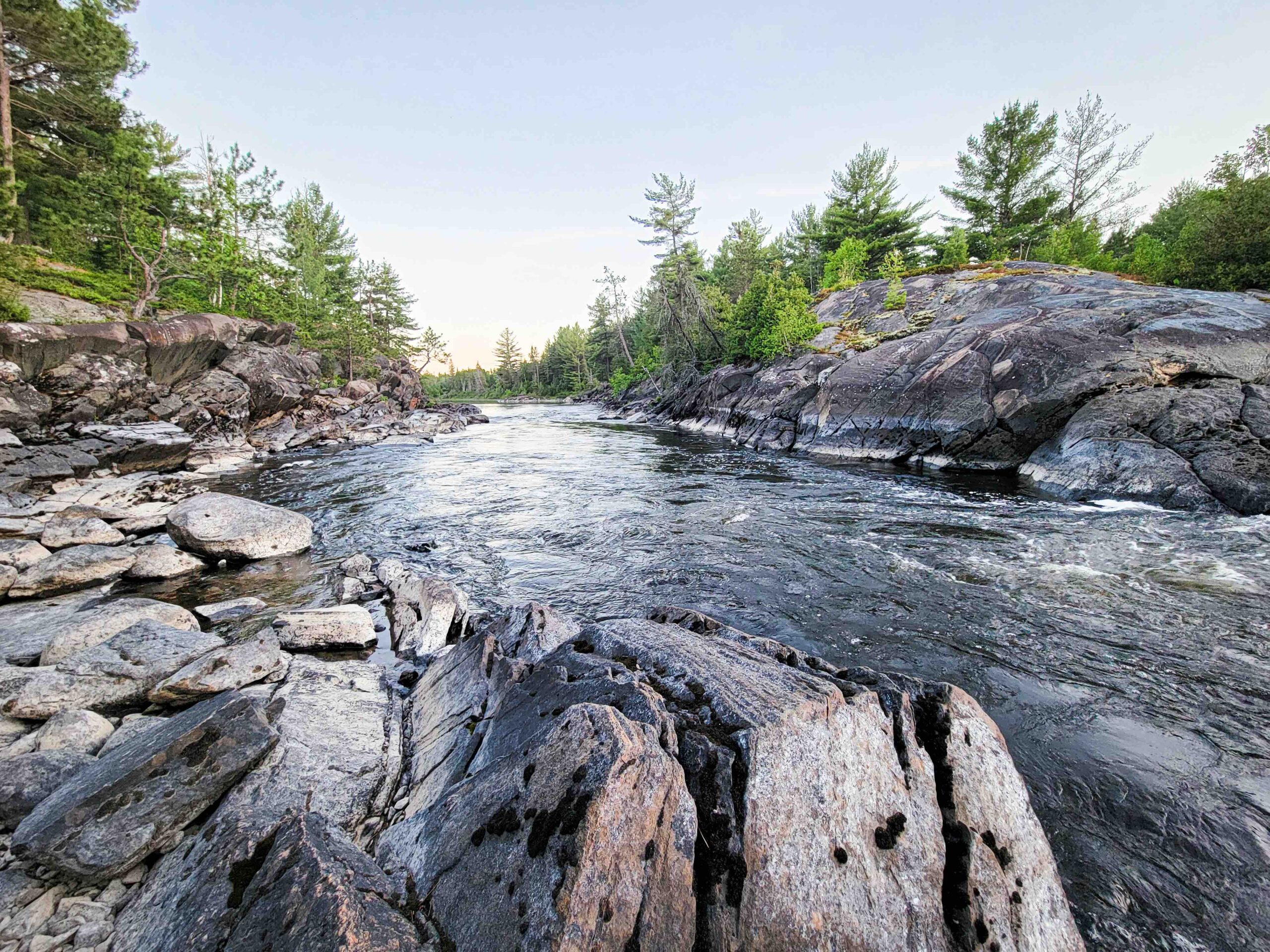
There are moments when the light refuses to cooperate, and that’s when the right gear steps in. A few small tools can give you back control when nature decides to be difficult.
Tripods: The Unsung Heroes
Golden hour and blue hour demand stability. Even the steadiest hands can’t fight physics at slow shutter speeds. Tripods plant your camera firmly, like roots gripping the earth.
Monopods feel jittery to me, like a caffeinated stilt. Great for mobility, not great for long exposures.
Filters That Change Everything
- ND filters darken the scene so you can stretch your shutter time. Water turns into glass. Clouds streak.
- Polarizers reduce glare on water and make skies look deeper, richer.
- Graduated ND filters solve the age-old “sky too bright, ground too dark” battle by balancing the exposure.
In extreme contrast scenes, multiple exposures help reveal what one exposure simply can’t.
And Yes, Lens Hoods Matter
I’ve used my hand as a lens hood more times than I’d like to admit, though wide-angle lenses happily include my fingers if I’m not careful. Still, blocking stray sunlight can completely change an image, especially when I need just a bit more light on the subject without blowing out the background.
Weather, Planning, and Adaptation
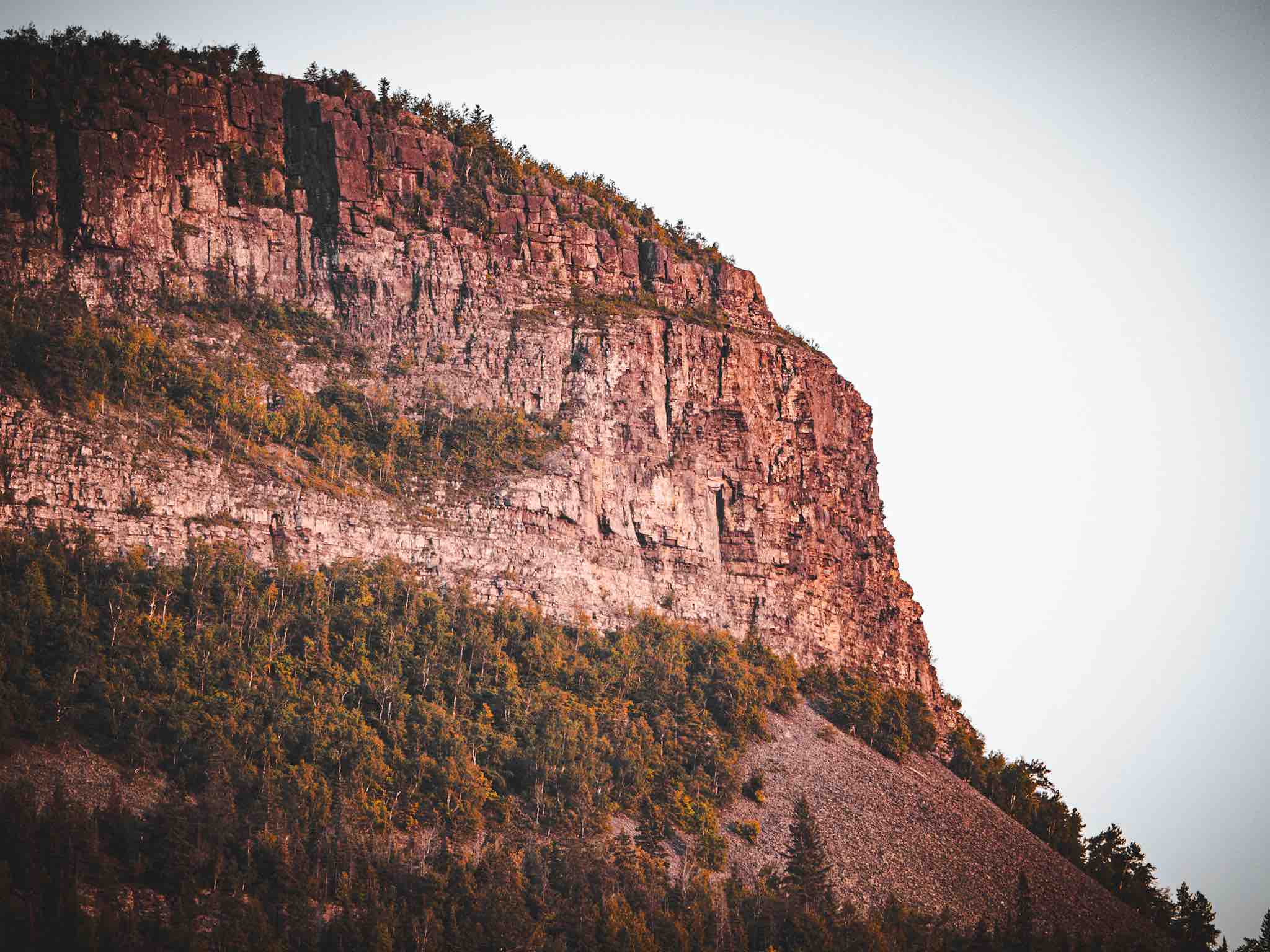
Light may shape the photo, but weather shapes the light. Once you start paying attention to clouds, wind, and shifting shadows, the whole landscape begins to feel like it’s speaking a different language.
Nature’s Mood Swings
Clouds can be your best allies. Cloud cover diffuses the sun, softens shadows, and creates a beautiful atmosphere. Cloudy days can be just as powerful as sunny ones. Stormy clouds? They can turn an ordinary scene into something operatic.
Overcast skies can soften a scene even more, giving everything a quiet, moody polish.
Fog shows up during certain seasons, and foggy days can create depth and mystery that golden hour never could.
I’ve had shoots where the light changed fifty times in ten minutes. It’s chaotic, but that chaos keeps things interesting.
Tools That Make Planning Easier
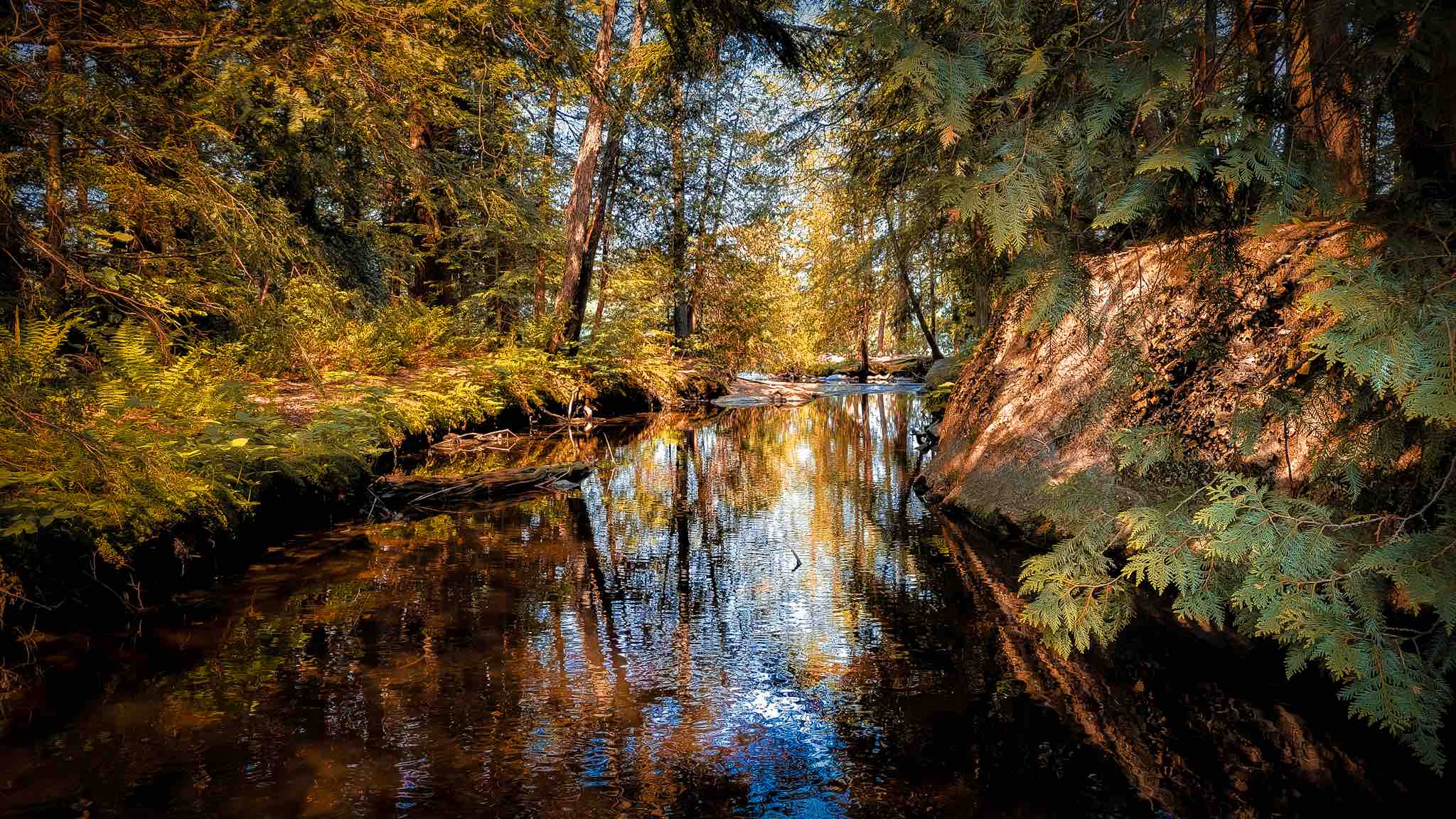
Apps like The Photographer’s Ephemeris take the guesswork out of sunrise and sunset angles. I also use Google Earth to peek at terrain before hiking out with heavy gear. And when time allows, scouting with my phone helps me map out potential shots in beautiful locations.
Learning to Read the Landscape
Cloud speed, wind direction, shifting shadows, they all hint at what’s coming. The longer you photograph landscapes, the more fluent you become in this strange visual language.
Exposure, Dynamic Range, and Lessons Learned the Hard Way
Exposure was one of the first things that truly humbled me in landscape photography. You think you understand light until the dynamic range in a scene proves otherwise.
Why I Underexpose Slightly
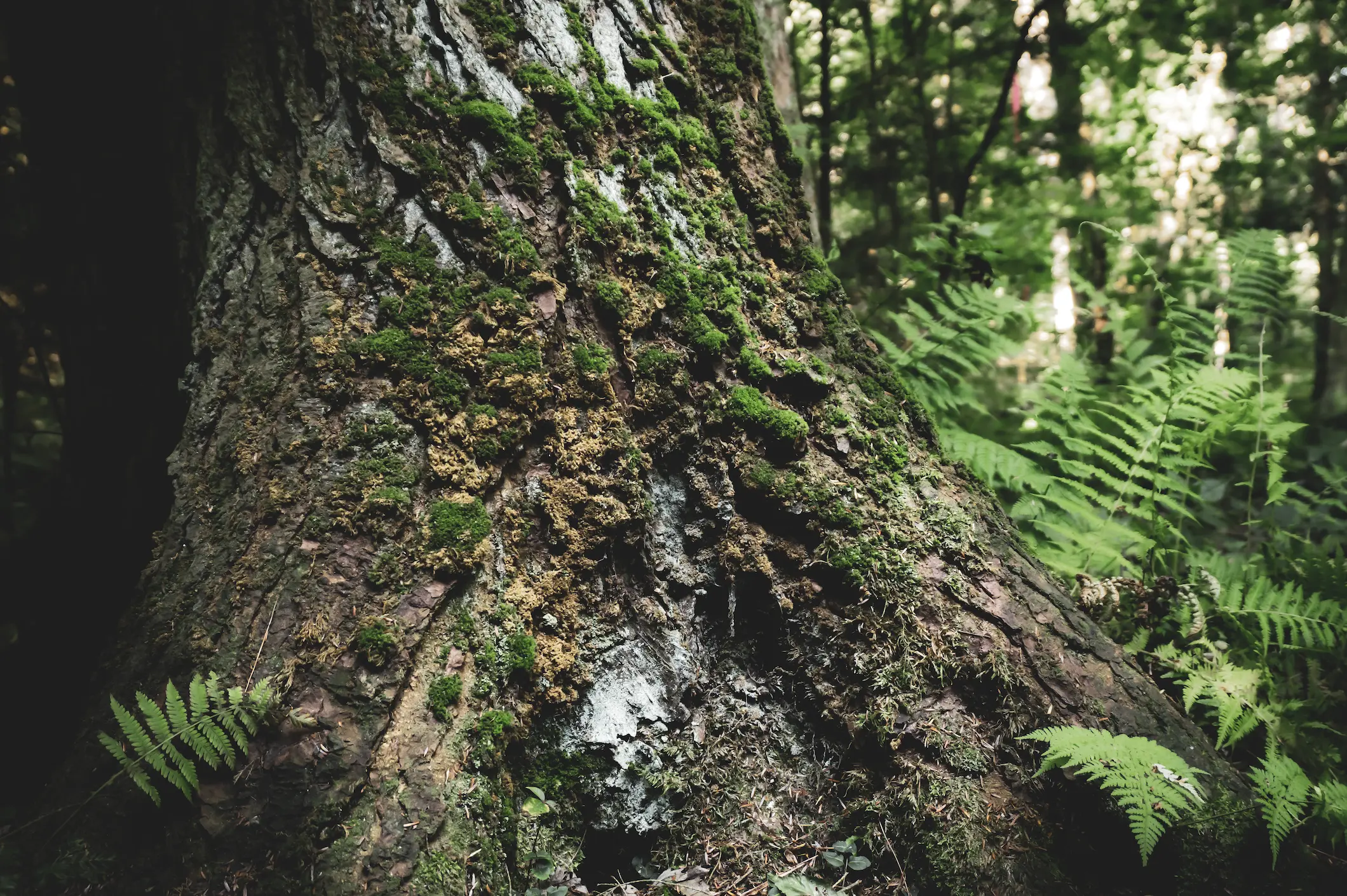
Blown highlights ruined so many early photos that underexposing became second nature. Shadows can be recovered, but highlights, not so much.
Tools That Save Shots
Spot metering lets the camera focus on the exact part of the scene that matters. Exposure compensation reins things in when needed. And exposure bracketing is one of my go-to techniques when the dynamic range is simply too wild, and I need a specific desired effect.
Finally Making Friends With the Histogram
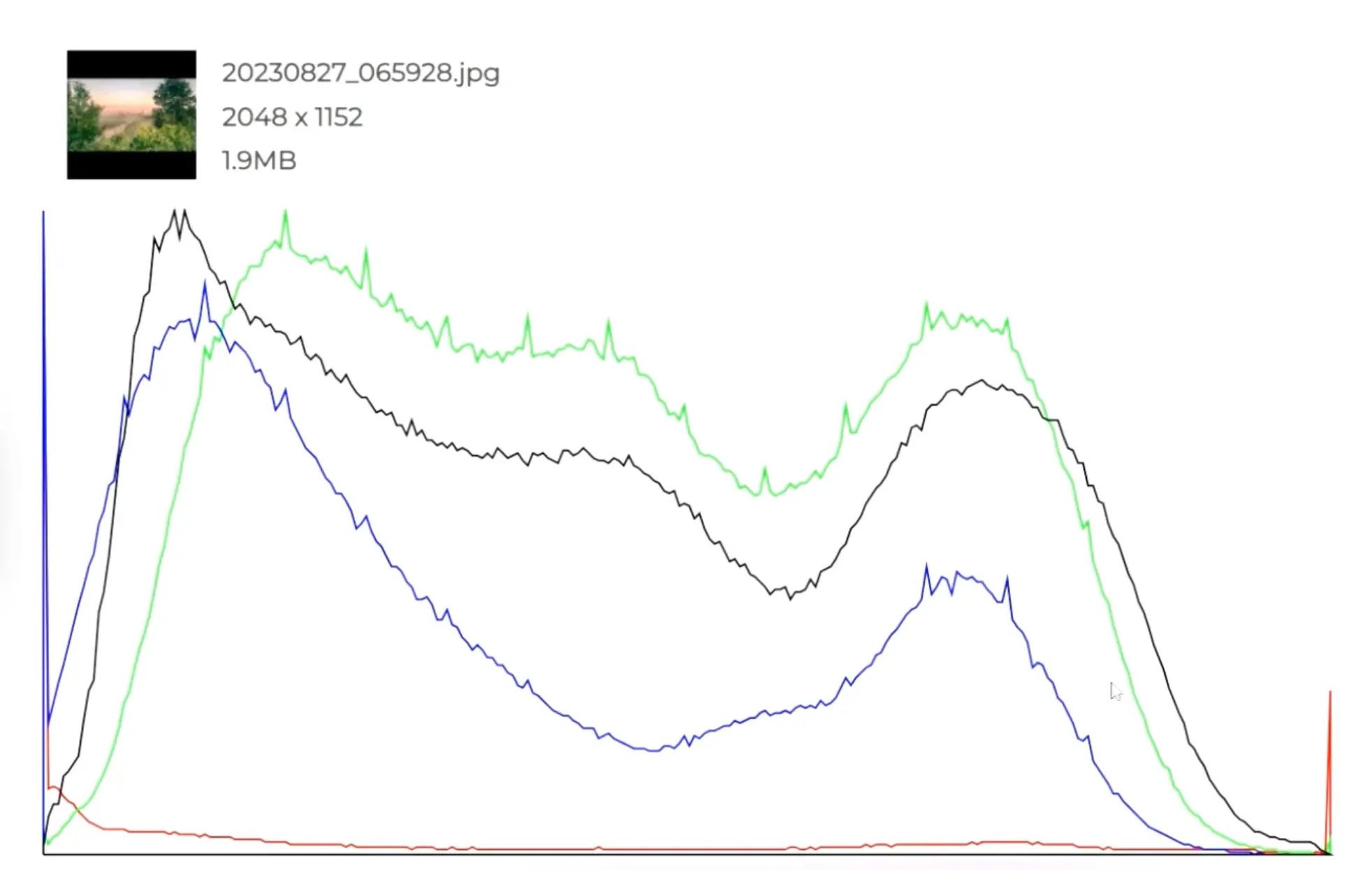
For too long, the histogram felt like a mysterious graph meant for other people. Once it clicked, everything made more sense. Understanding how white balance shifts with different kinds of light helped me read scenes more accurately. Seeing exactly where tones were clipping helped me understand what was happening beneath the pretty preview.
Patience – The Most Underrated Skill
Light changes minute by minute. The best moments often arrive right after you’ve considered packing up. I’ve waited in cold wind long enough to lose feeling in my hands, only to have the sun break through for six glorious seconds that made it all worth it.
Snacks help. So does curiosity. But honestly, the real reward is the moment when the landscape suddenly reveals its best self, as if it were waiting for you to slow down.
Seeing the World Through Light
Golden hour warms everything. Blue hour cools it and softens the edges. Midday tests your patience and your filter collection. But learning to read light isn’t just a skill; it becomes a way of paying attention.
Spend enough time outside, and light begins to feel alive. It stretches, hides, flares, whispers, glows. And when you notice those tiny shifts, the way sunlight brushes a rock or shimmers across a lake, you start capturing light with a different kind of awareness. The kind that makes the whole creative process feel less like taking pictures and more like chasing moments.
If you’re ready to take the next step and transform the way you see and capture natural light, join my Landscape Lighting Class. You will learn how to work with every kind of light, be it soft, harsh, golden, or blue, so you can create photographs that feel alive, intentional, and unforgettable.